
Saudi Arabia’s power generation sector runs on combined-cycle gas turbine (CCGT) plants, steam turbine units, and heavy fuel oil facilities — many operating under continuous duty cycles with strict uptime requirements. For procurement teams and EPC contractors, matching the right valve type to the right system application prevents specification errors that show up as leakage, pressure loss, or unplanned shutdowns later.
Here’s a practical breakdown of the main valve types used in Saudi Arabia power plants.
1. Gate Valves — Main Isolation Service
Gate valves handle on/off isolation across the majority of power plant pipelines. Full-bore designs are preferred where minimising pressure drop across the isolation point is a priority.
Common installations include main steam lines, boiler feed water headers, utility water systems, and fire protection pipelines.
For steam service above 425°C, alloy steel body materials — ASTM A217 WC6 or WC9 — are typically specified over standard carbon steel (ASTM A216 WCB). Pressure class selection follows ASME B16.34 ratings based on operating temperature and pressure.
2. Globe Valves — Flow Regulation and Throttling
Globe valves are the standard choice where accurate, repeatable flow control is required rather than simple isolation.
Typical applications: boiler feed water control lines, turbine auxiliary steam systems, desuperheater inlet lines, and high-pressure steam bypass systems.
For high-temperature or erosive service, stainless steel trim or Stellite-hardfaced seating surfaces extend valve life significantly under thermal cycling conditions. ASME Class 600 or higher is common for main steam globe valve specifications.
3. Check Valves — Backflow Protection
Check valves protect pumps, turbines, and pipelines from reverse flow damage. In power plant systems, swing check and tilting disc configurations are most commonly used.
Key installation points: boiler feed water pump discharge, condensate extraction pump outlets, and cooling water return systems.
For systems with fast pump trip response, non-slam or tilting disc check valve designs reduce water hammer risk — a practical concern in high-pressure feed water circuits.
4. Butterfly Valves — Large Diameter Utility Systems
Butterfly valves offer a cost-effective solution for large-bore, lower-pressure utility applications where space and weight are constraints.
Common uses include cooling water inlet headers, raw water treatment systems, circulating water lines, and seawater cooling systems.
In Saudi Arabia’s coastal power plants — where seawater cooling is standard — butterfly valves specified with duplex stainless steel disc and shaft, or rubber-lined body construction, provide better resistance to chloride-induced corrosion compared to standard carbon steel builds.
5. Ball Valves — Fast Isolation and Tight Shutoff
Ball valves are widely used where quick quarter-turn operation and bubble-tight shutoff are required. Their compact design and low operating torque make them practical for applications where gate valves would be too bulky or slow to operate.
Common installations in Saudi Arabia power plants include:
- Fuel gas supply lines to gas turbine burners
- Instrument air and utility gas systems
- Chemical dosing and water treatment lines
- Small-bore auxiliary pipelines requiring frequent operation
For high-pressure or high-temperature service, trunnion-mounted ball valves are typically specified over floating ball designs — the trunnion configuration reduces operating torque and provides more consistent seat loading at elevated pressure classes (ASME Class 300 and above).
Soft seats (PTFE or RPTFE) are standard for general utility service. Metal-seated ball valves are specified where operating temperatures exceed soft seat limits, or where abrasive media would cause accelerated seat wear.
6. Control Valves — Automated Process Regulation
Control valves integrate with the plant DCS to regulate pressure, flow, and temperature without manual intervention.
Typical applications include main steam pressure letdown stations, feed water flow control to steam drums, turbine bypass systems, and process utility automation.
Proper Cv sizing is critical. Oversized control valves cause instability and hunting; undersized valves restrict flow and create pressure drop problems. Suppliers should be able to size against your process datasheet, not just supply from a standard catalogue.
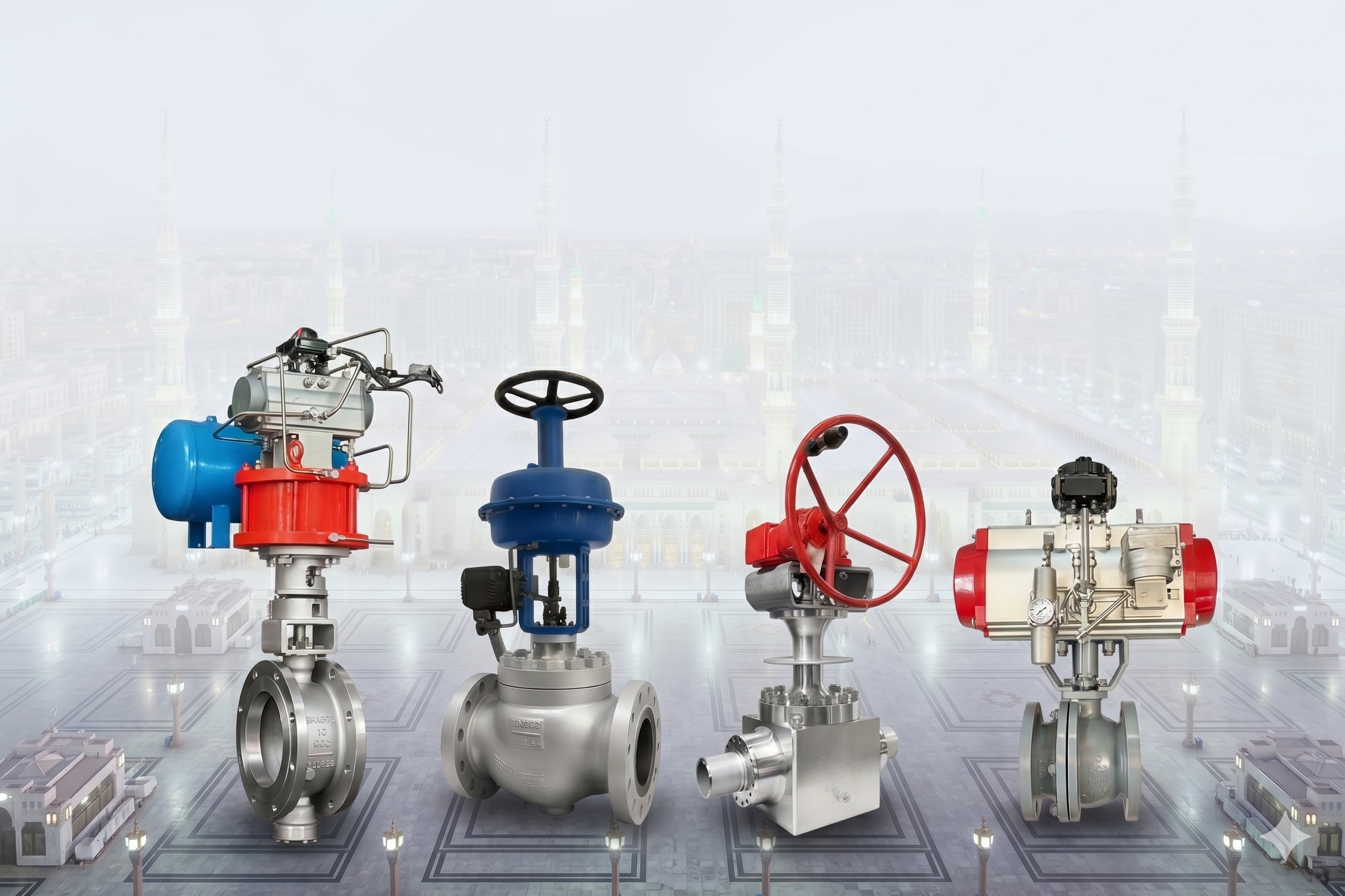
What Saudi Arabia Power Projects Typically Require from Suppliers
Most procurement specifications for Saudi Arabia power projects require:
- Material test reports (MTRs) with heat number traceability
- Pressure test certificates per API 598 (shell, seat, and backseat tests)
- ASME B16.34 pressure-temperature compliance documentation
- Export packing suitable for sea freight and Middle East site conditions
- Reliable lead times with clear production scheduling
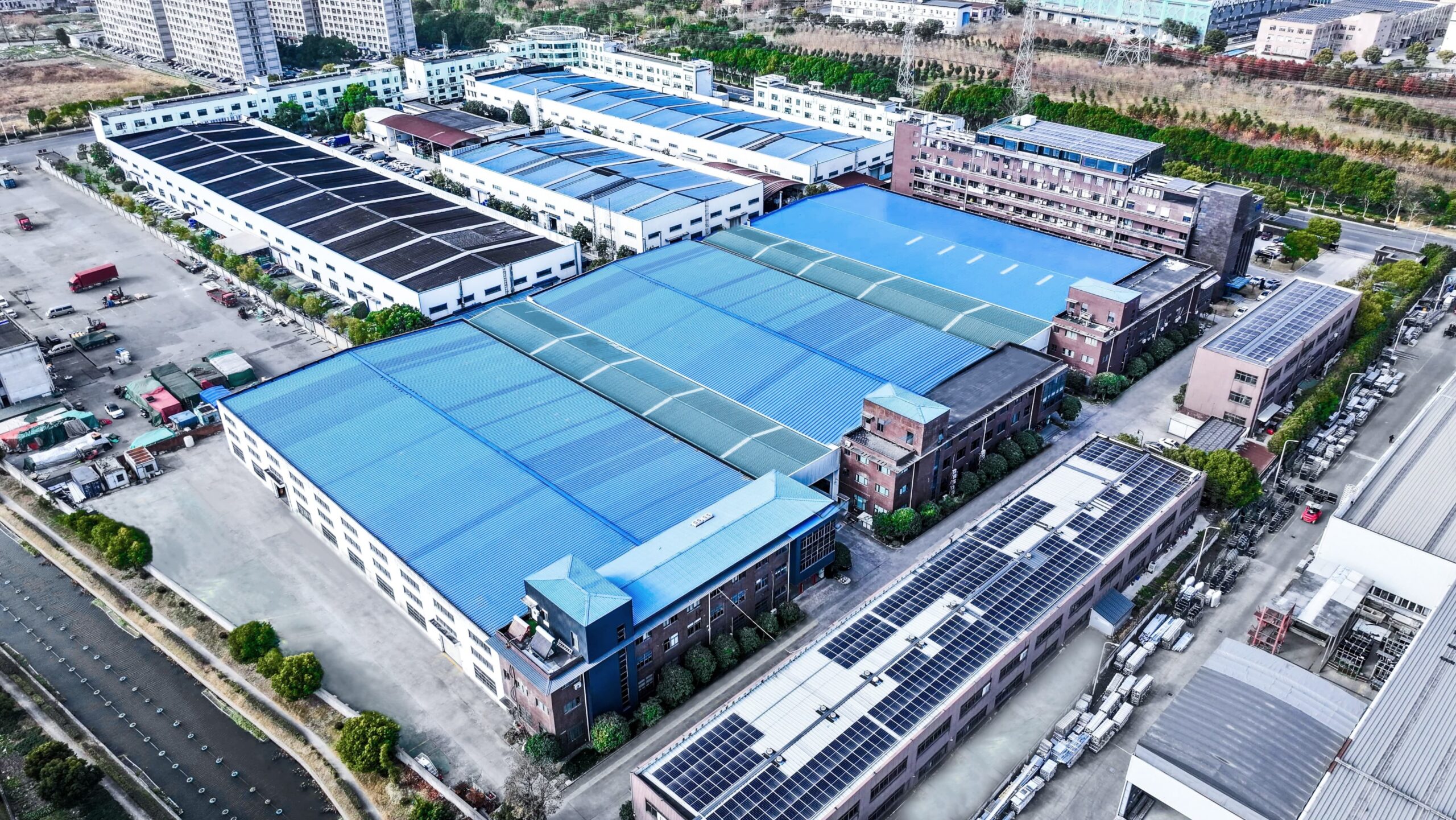
HD Flowtech
HD Flowtech manufactures industrial valves for power generation and process industry applications, supporting international procurement teams with full technical and commercial documentation.
We supply gate valves, globe valves, check valves, ball valves, butterfly valves, and control valves — with material traceability, pressure test records, and technical selection support based on your system datasheets.
Send us your valve list or datasheet — we’ll respond with specifications and pricing.