
Valve Supply for Power Plant Project – Engineering & Execution Overview
TABLE OF CONTENTS
A power plant valve order is not a catalogue purchase. By the time a valve reaches site, it has passed through engineering review, material selection, manufacturing hold points, pressure testing, documentation compilation, and export logistics — each stage with its own failure modes if not managed properly.
For EPC contractors and plant procurement teams, understanding this process helps set realistic expectations and ask the right questions when evaluating suppliers.
1. Engineering Review and Technical Specification
Before production begins, a competent valve supplier reviews the full project technical package, including:
- Valve datasheets specifying pressure class, temperature rating, body and trim materials, end connections, and leakage class
- P&ID drawings to confirm valve function in the system — isolation, regulation, or non-return
- Line class specifications that define acceptable valve types per service fluid and operating conditions
- Operation method requirements — handwheel, gear operator, pneumatic or electric actuator
This review stage catches specification mismatches before they become manufacturing errors. A supplier who skips this and quotes directly from a product list is a risk on complex projects.
2. Valve Type Selection by System Application
Each plant system calls for a different valve configuration:
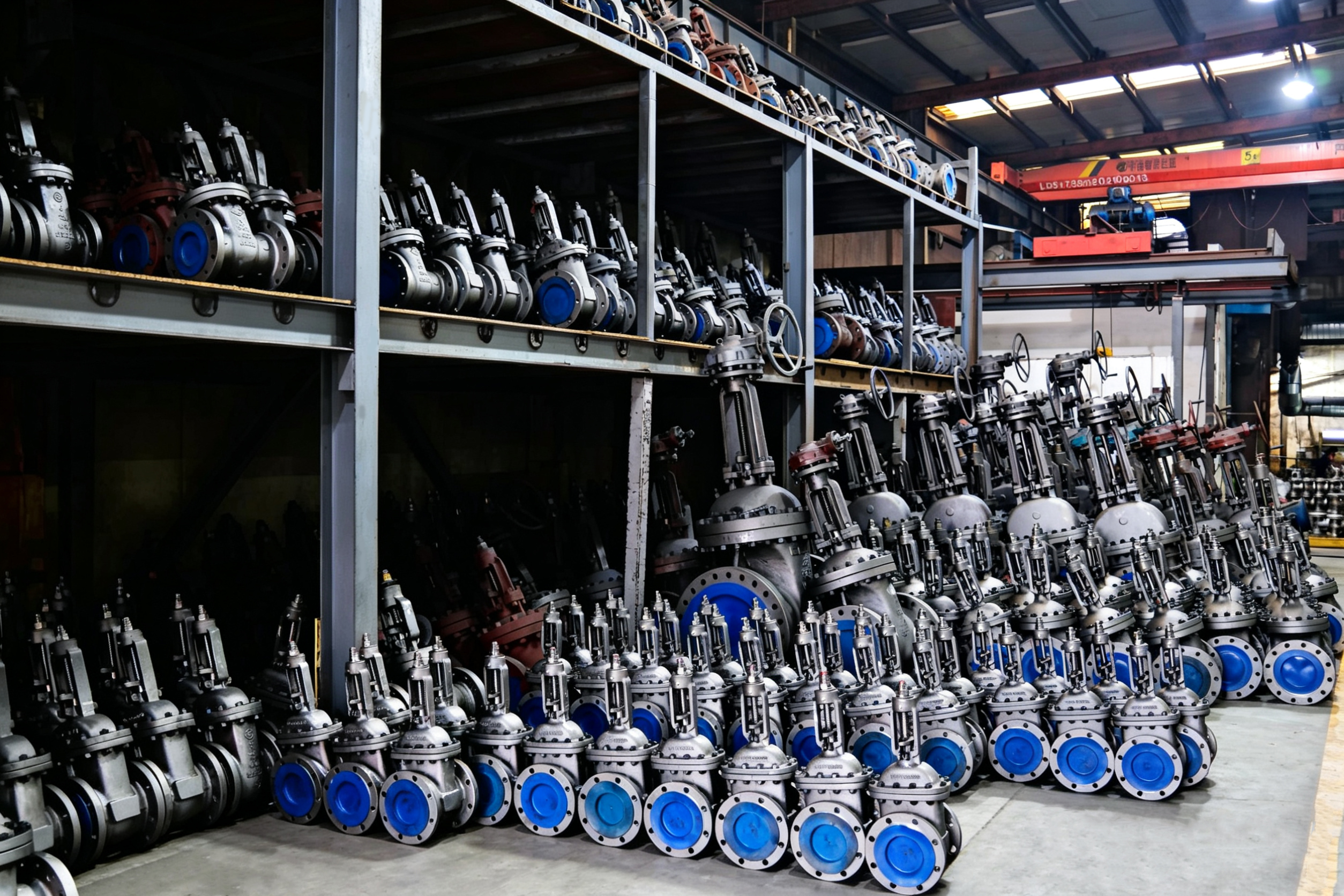
- Gate valves — full-bore isolation on main steam lines, feed water headers, and utility pipelines
- Globe valves — throttling and regulation on boiler feed water control lines, desuperheater inlets, and turbine auxiliary steam systems
- Check valves — backflow prevention on pump discharge lines and condensate systems; non-slam or tilting disc designs for fast-trip circuits
- Ball valves — quarter-turn shutoff on fuel gas lines, instrument air systems, and small-bore auxiliary pipelines
- Butterfly valves — large-diameter cooling water headers and raw water treatment systems
- Control valves — DCS-integrated pressure and flow regulation; require Cv calculation against process datasheet for correct sizing
Valve type mismatches — a globe valve specified where a control valve is needed, or a floating ball valve on a high-pressure line — are common errors at the procurement stage.
3. Material Selection for Power Plant Service
Material selection follows operating temperature, pressure class, and fluid type — not cost alone.
Common specifications in power plant valve supply:
- ASTM A216 WCB (carbon steel) — standard service up to approximately 425°C
- ASTM A217 WC6 / WC9 (chrome-moly alloy steel) — high-temperature steam service above 425°C
- ASTM A351 CF8M (stainless steel) — corrosive media, condensate, and water treatment systems
- Duplex stainless steel — seawater cooling systems in coastal plants where chloride corrosion is a concern
Trim material selection — seat, disc, and stem — is equally important. Stellite-hardfaced trim extends service life in high-cycling or erosive applications.
4. Manufacturing and Quality Control
Consistent manufacturing quality requires defined hold points, not just a final inspection at the end of production.
Key quality steps include casting or forging inspection at material receipt, dimensional checks after machining, assembly verification, and pressure testing before coating and despatch.
Pressure testing follows API 598: shell hydrostatic test, seat leakage test, and backseat test where applicable. Test records should reference individual valve serial numbers, not batch averages.
5. Documentation and Compliance
Power plant projects — particularly those under EPC contracts — require a complete documentation package before site acceptance. Standard requirements include:
- Material test reports (MTRs) with heat number to valve serial number traceability
- Pressure test certificates per API 598
- Dimensional inspection reports
- GA drawings and operation manuals
- Packing lists with valve tag numbers matching the project MTO
- Export commercial documents for international freight
Incomplete documentation is one of the most common causes of valve hold-up at goods receipt on large projects.
6. Delivery and Project Execution
Valve delivery timing directly affects construction sequencing. Late valves hold up hydrotesting, insulation, and ultimately commissioning.
Reliable execution involves production scheduling tied to the project programme, batch shipment coordination where valves are needed in installation sequence, proper export packing for sea freight, and clear marking and tagging matched to the project valve index.
For urgent replacement supply — a common requirement during plant turnarounds — fast quotation response and stock availability matter as much as price.
Why Choose HD Flowtech for Power Plant Valve Supply
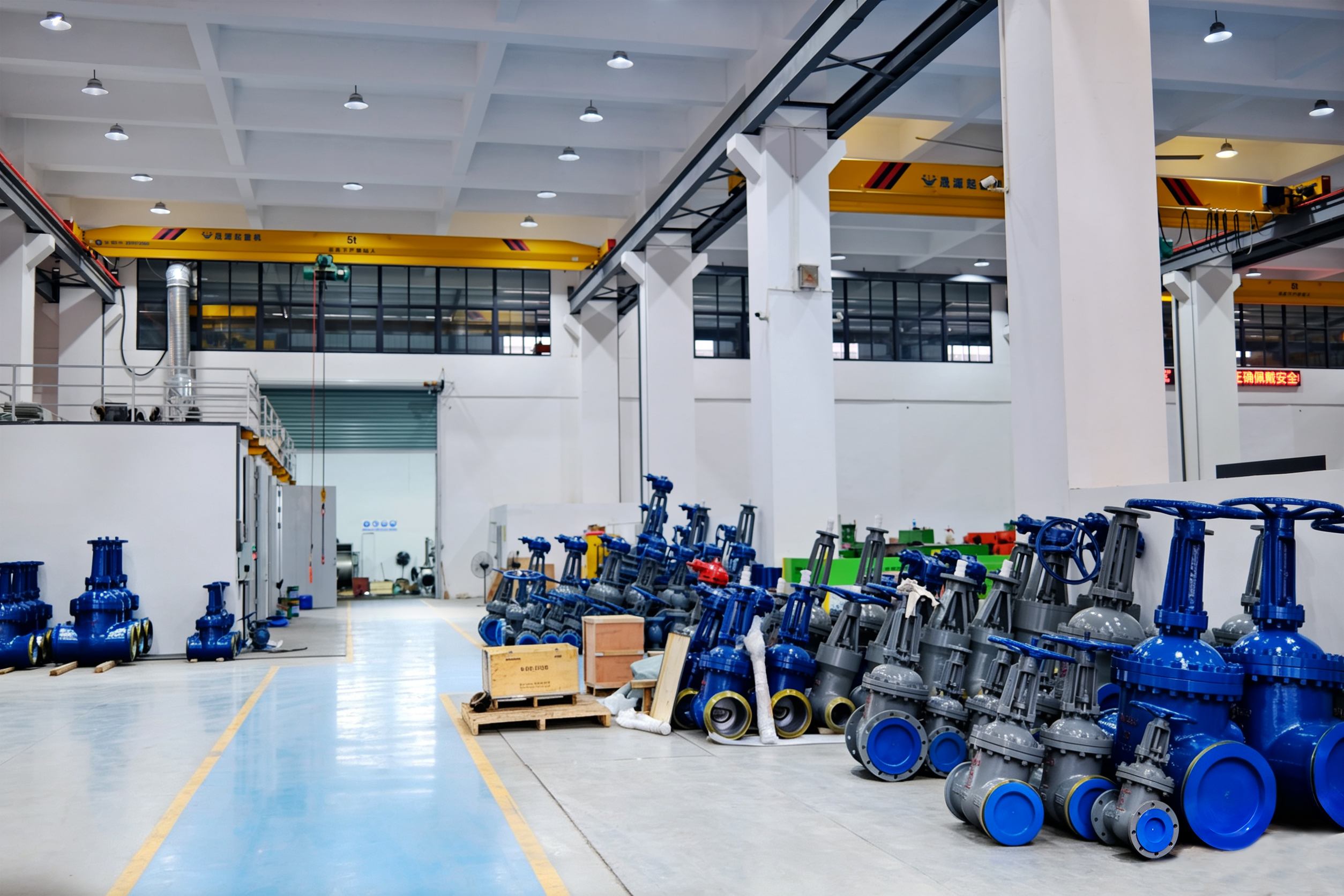
HD Flowtech supplies industrial valves for power generation and process industry projects, supporting EPC contractors and procurement teams with full engineering and commercial documentation.
Our supply capability covers gate valves, globe valves, check valves, ball valves, butterfly valves, and control valves — across ASME Class 150 to 1500, in carbon steel, stainless steel, and alloy steel materials.
Every order is supported by MTRs, API 598 pressure test certificates, and export documentation ready for international project requirements.
Send us your valve datasheet or MTO — we’ll respond with specifications and pricing.
RELATED ARTICLES
HD Flowtech at OGU 2026: Advancing Valve Technology for Uzbekistan’s Energy Transformation
:root { --primary-blue: #003366; --accent-yellow: #facc15; --accent-red: #dc2626; --text-dark: #1e293b; --text-light: #64748b; --bg-light: #f8fafc; } body { font-family: 'Segoe UI', Roboto, Helvetica, Arial, sans-serif; line-height: 1.8; color: var(--text-dark); background-color: #fff; } .container { max-width: 900px; margin: 0 auto; padding: 40px 20px; } header { border-bottom: 4px solid var(--accent-yellow); margin-bottom: 40px; padding-bottom: 20px; } h1 { font-size: 2.2rem; color: var(--primary-blue); margin-bottom: 10px; line-height: 1.3; } .meta { font-size: 0.9rem; color: var(--text-light); text-transform: uppercase; letter-spacing: 1px; } /* 限制图片高度,增加文字比例感 */ .hero-image...
WCB vs WC6 vs WC9 Valve Materials: Engineering Guide for Steam Service
WCB, WC6, and WC9 valve body materials compared — temperature limits, chromium-molybdenum content, creep resistance, PWHT requirements, and steam service selection guidance for engineers.
How to Choose a Reliable Power Plant Valve Supplier for Saudi Arabia
How to choose a power plant valve supplier for Saudi Arabia — gate valves, globe valves, ASME standards, MTRs, and API 598 test certificates explained.
TABLE OF CONTENTS
RELATED ARTICLES
HD Flowtech at OGU 2026: Advancing Valve Technology for Uzbekistan’s Energy Transformation
:root { --primary-blue: #003366; --accent-yellow: #facc15; --accent-red: #dc2626; --text-dark: #1e293b; --text-light: #64748b; --bg-light: #f8fafc; } body { font-family: 'Segoe UI', Roboto, Helvetica, Arial, sans-serif; line-height: 1.8; color: var(--text-dark); background-color: #fff; } .container { max-width: 900px; margin: 0 auto; padding: 40px 20px; } header { border-bottom: 4px solid var(--accent-yellow); margin-bottom: 40px; padding-bottom: 20px; } h1 { font-size: 2.2rem; color: var(--primary-blue); margin-bottom: 10px; line-height: 1.3; } .meta { font-size: 0.9rem; color: var(--text-light); text-transform: uppercase; letter-spacing: 1px; } /* 限制图片高度,增加文字比例感 */ .hero-image...
WCB vs WC6 vs WC9 Valve Materials: Engineering Guide for Steam Service
WCB, WC6, and WC9 valve body materials compared — temperature limits, chromium-molybdenum content, creep resistance, PWHT requirements, and steam service selection guidance for engineers.
How to Choose a Reliable Power Plant Valve Supplier for Saudi Arabia
How to choose a power plant valve supplier for Saudi Arabia — gate valves, globe valves, ASME standards, MTRs, and API 598 test certificates explained.