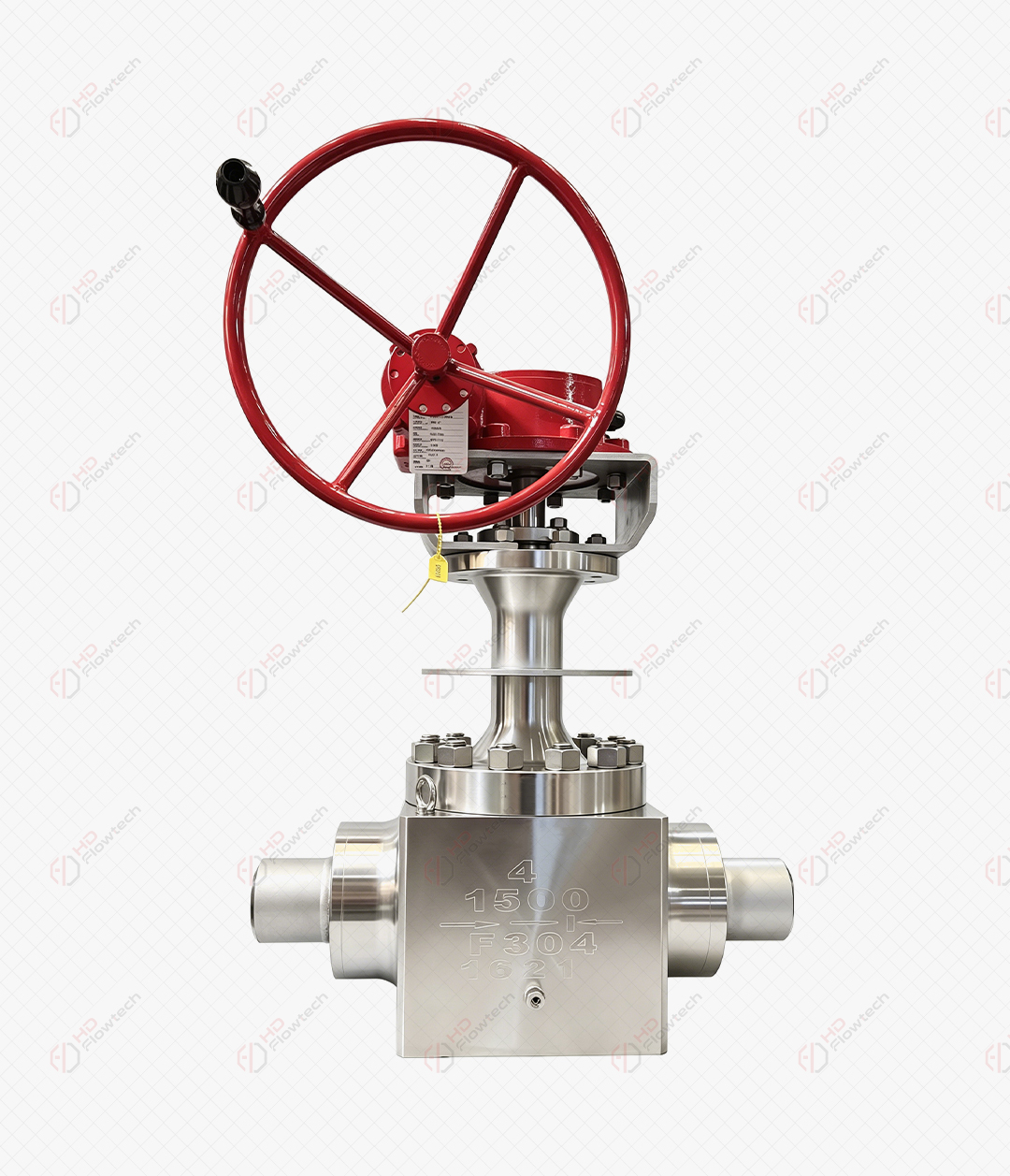
Angle Valve

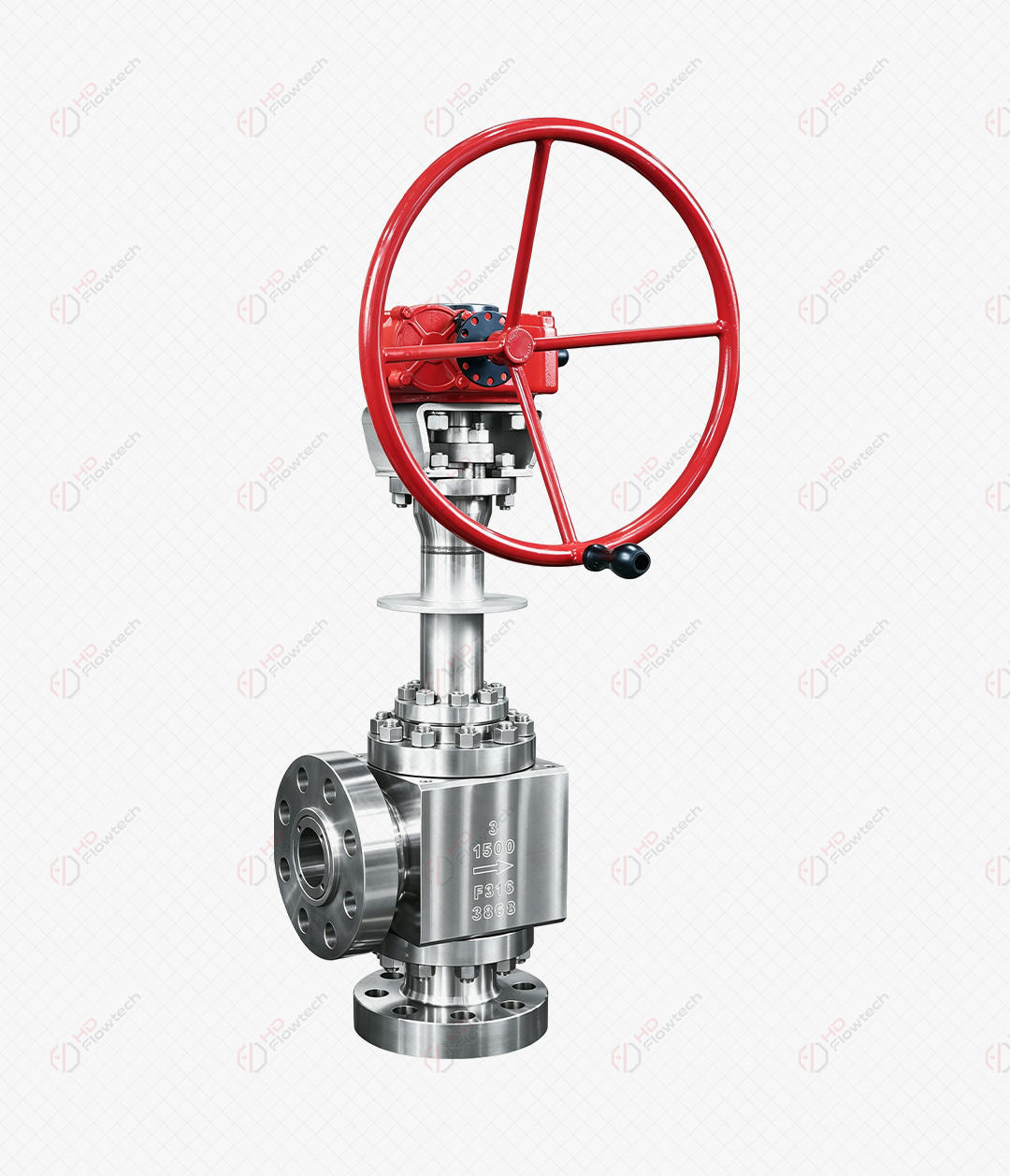
Cryogenic Forged Steel Angle Plunger Valve — Extended Bonnet Flanged LNG Service

Valve Type
Cryogenic Forged Steel Angle Plunger Valve — Extended Bonnet Flanged LNG Service
Size Range
1/2" – 4" (DN15 – DN100)
Pressure Class
Class 150 – 1500 (PN20 – PN250)
Body Material
F316 / F304 / F51 Duplex / A105N
Seat Material
PTFE / RPTFE / Metal Seat (Stellite Overlay)
End Connections
Flanged (ASME B16.5) / Socket Weld / Butt Weld
Operation
Handwheel / Gear Operator / Electric Actuator / Pneumatic Actuator
Working Temperature
−196°C to 200°C
Design Standard
API 598 / ASME B16.34 / BS 6364 (Cryogenic)
HD Flowtech cryogenic forged steel angle plunger valves are engineered for isolation and throttling service in LNG transfer lines, liquid nitrogen systems, and high-pressure cryogenic process piping at temperatures down to −196°C. The F316 stainless steel forged body provides excellent corrosion resistance and maintains structural integrity and impact toughness at cryogenic temperatures under Class 1500 operating pressures. The angle pattern body redirects flow by 90°, eliminating the need for a separate elbow fitting and reducing potential leak points in cryogenic pipeline systems where every external joint represents a safety risk. The cylindrical plunger disc provides a guided, self-centering seating action against the precision-machined seat, delivering reliable bubble-tight shut-off and repeatable throttling performance under high differential pressure at cryogenic conditions. The extended bonnet raises the packing assembly and gear operator well above the cryogenic fluid level, with the insulation plate at the bonnet flange minimizing heat ingress — preventing ice formation on stem seals and ensuring consistent operation throughout the valve's service life at low temperatures. Flanged end connections to ASME B16.5 Class 1500 ensure direct integration into high-pressure cryogenic pipeline flange systems.

Plunger Valve Technical Overview

How to Choose the Right Plunger Valve for Industrial Applications

Plunger valves are selected for isolation and throttling service in high-pressure, high-temperature, and corrosive process applications where positive shut-off and precise flow control are required in a single valve. The cylindrical plunger disc provides a guided, self-centering seating action against a precision-machined seat, delivering reliable bubble-tight shut-off and repeatable throttling performance under high differential pressure — making plunger valves the preferred choice over conventional globe valves in demanding service conditions where seat wear and leakage are primary concerns.


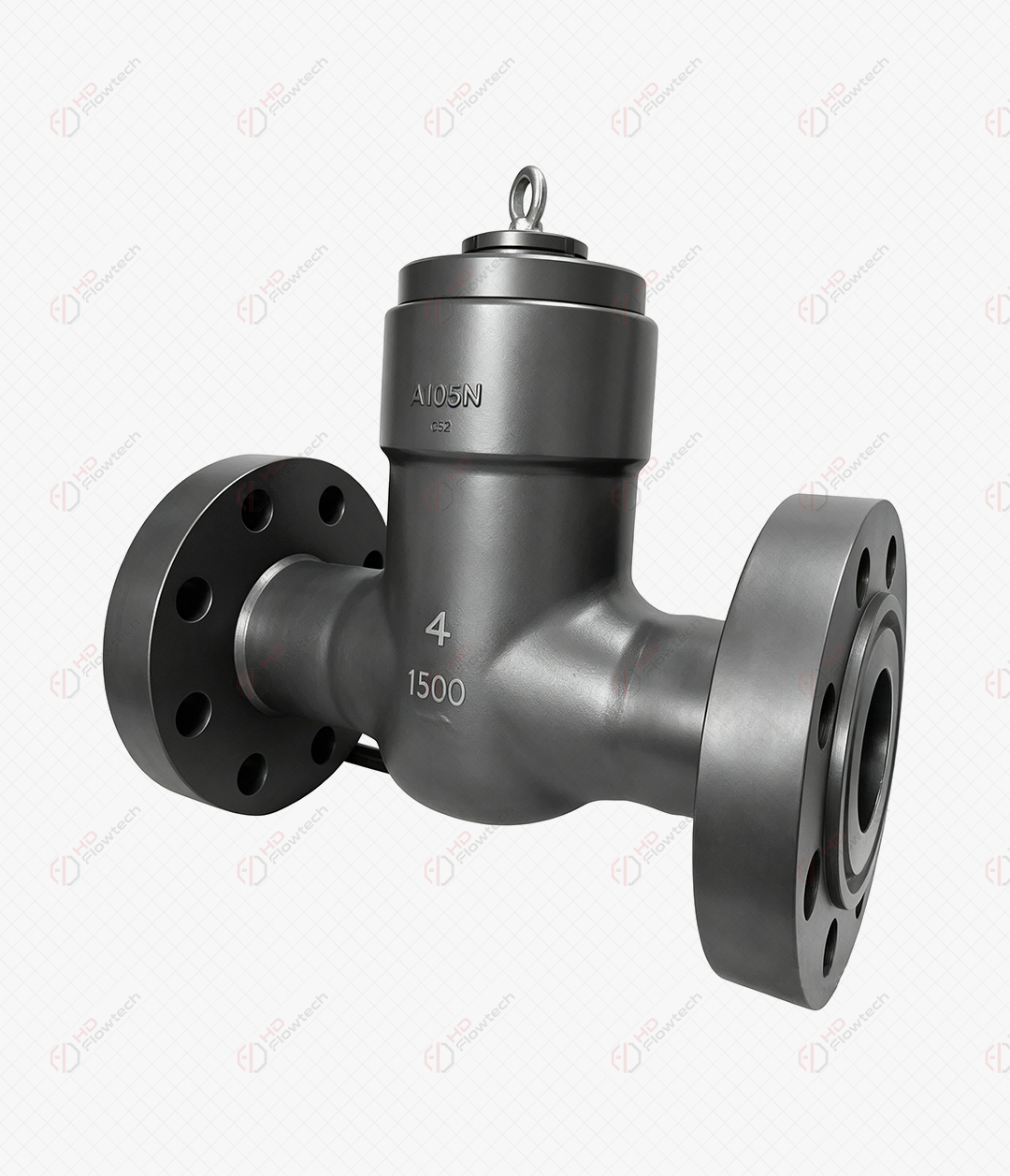
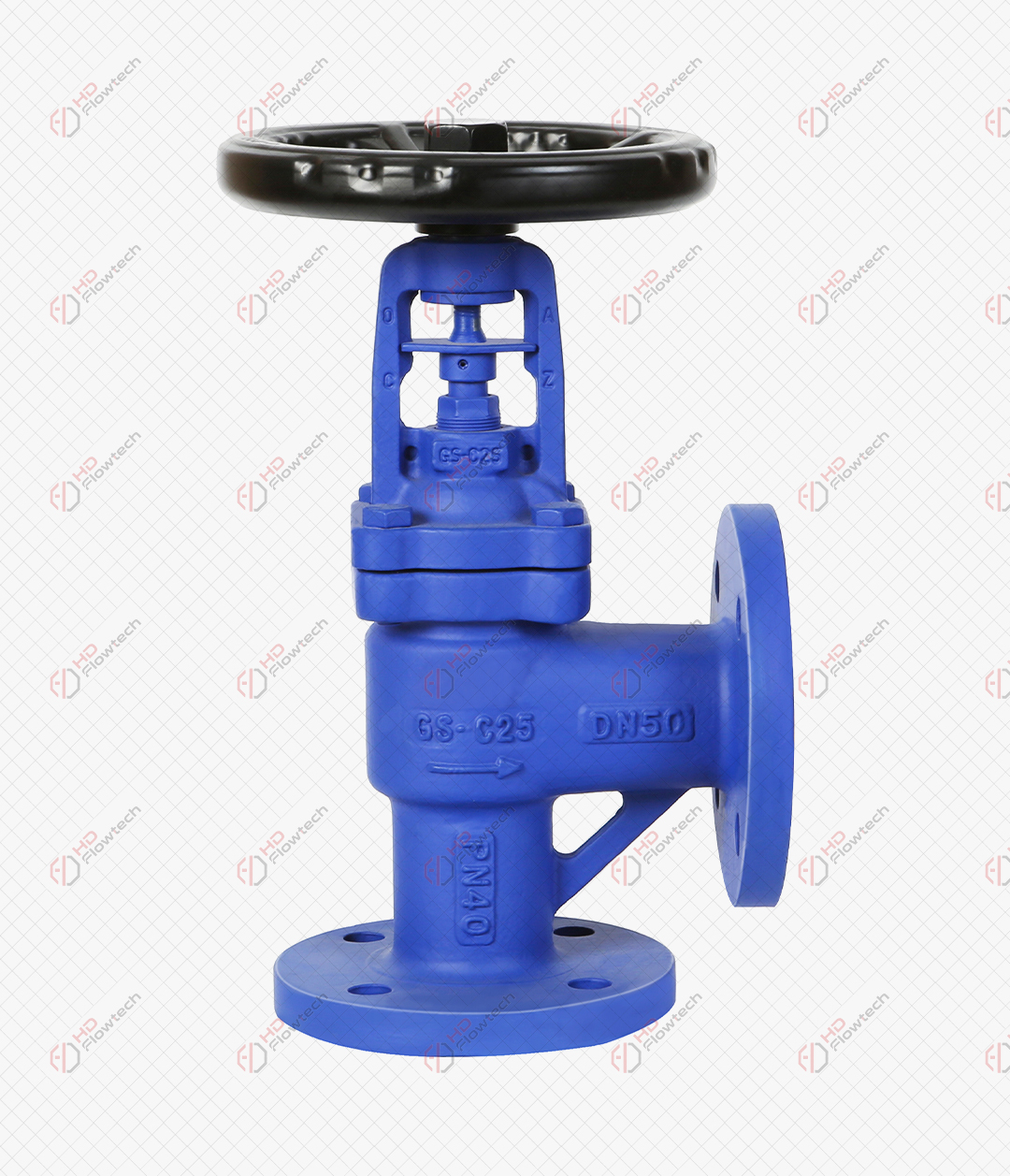
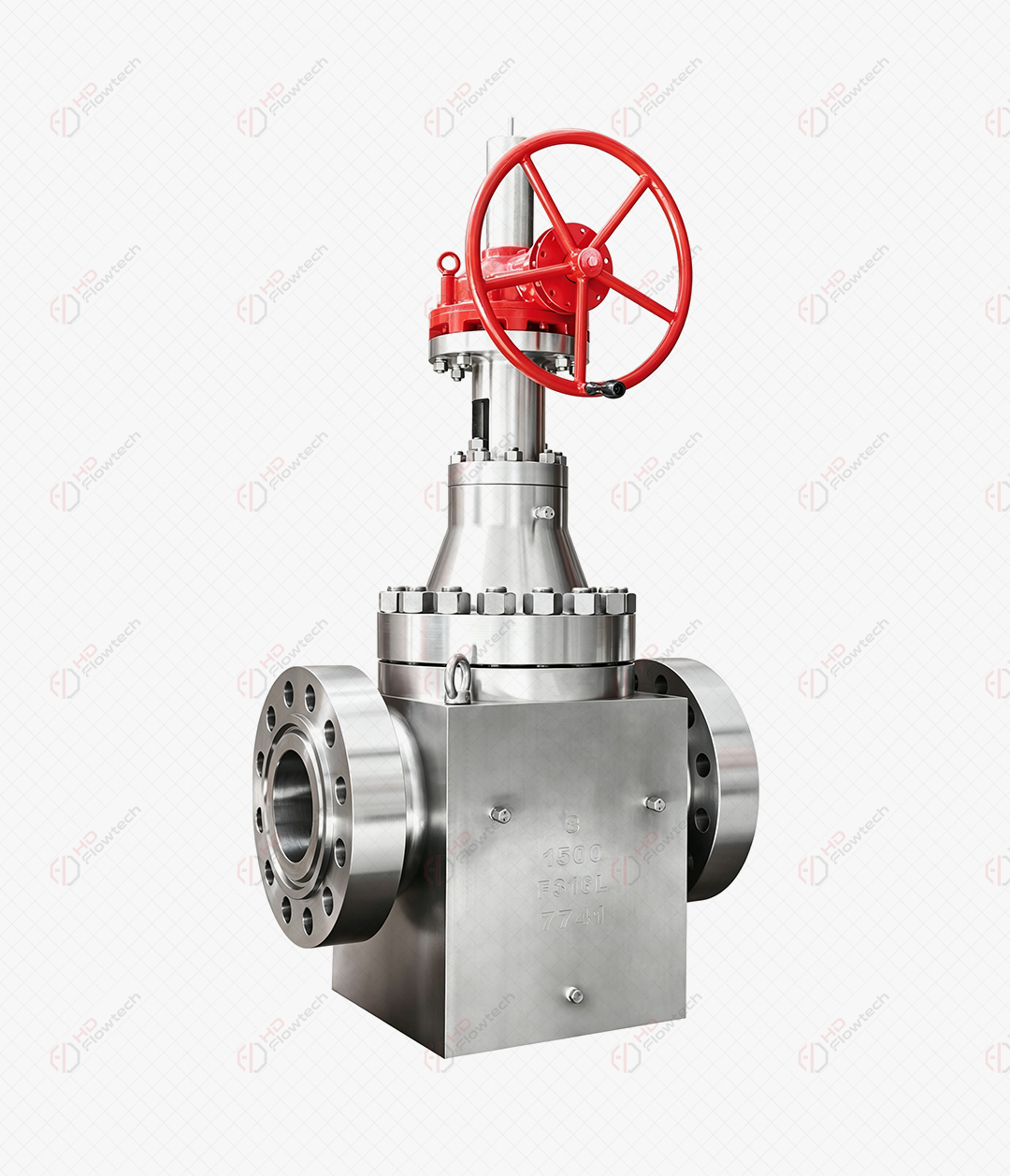
Forged steel plunger valves are specified for high-pressure small-bore service at Class 150–1500, where the forged body eliminates casting porosity and provides consistent mechanical properties under thermal cycling and high-pressure conditions. Cryogenic plunger valves with extended bonnet are selected for low-temperature service down to −196°C in LNG transfer lines and liquid gas systems, where the extended bonnet keeps the packing assembly above the cold zone to prevent stem icing and seal failure. Angle pattern plunger valves combine isolation and 90° flow direction change in a single body, reducing pipeline fittings and potential leak points in space-constrained installations.


Body material selection — carbon steel (A105N) for standard process service, stainless steel (F316, CF8M) for corrosive and cryogenic applications, and alloy steel (F11, F22) for high-temperature service up to 600°C — is determined by operating temperature, fluid type, and pressure class. Design standards API 602 and ASME B16.34 govern forged steel plunger valve pressure-temperature ratings and material requirements across all service conditions.

Learn More About Plunger Valve

How to Choose the Right Plunger Valve for Industrial Applications

Get in Touch with Us

Thanks for all the renowned partners for the trust and recognition