Check valves are selected for automatic backflow prevention in pipeline and process systems, protecting pumps, compressors, and pressure vessels from reverse flow and pressure surge without manual actuation. Closure performance is determined by valve type, disc or piston geometry, seat material, and spring loading — critical factors in high-cycle, high-pressure, and high-temperature service.
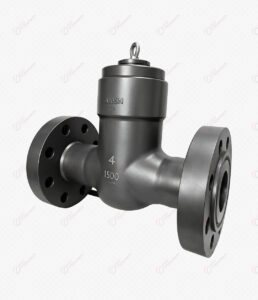
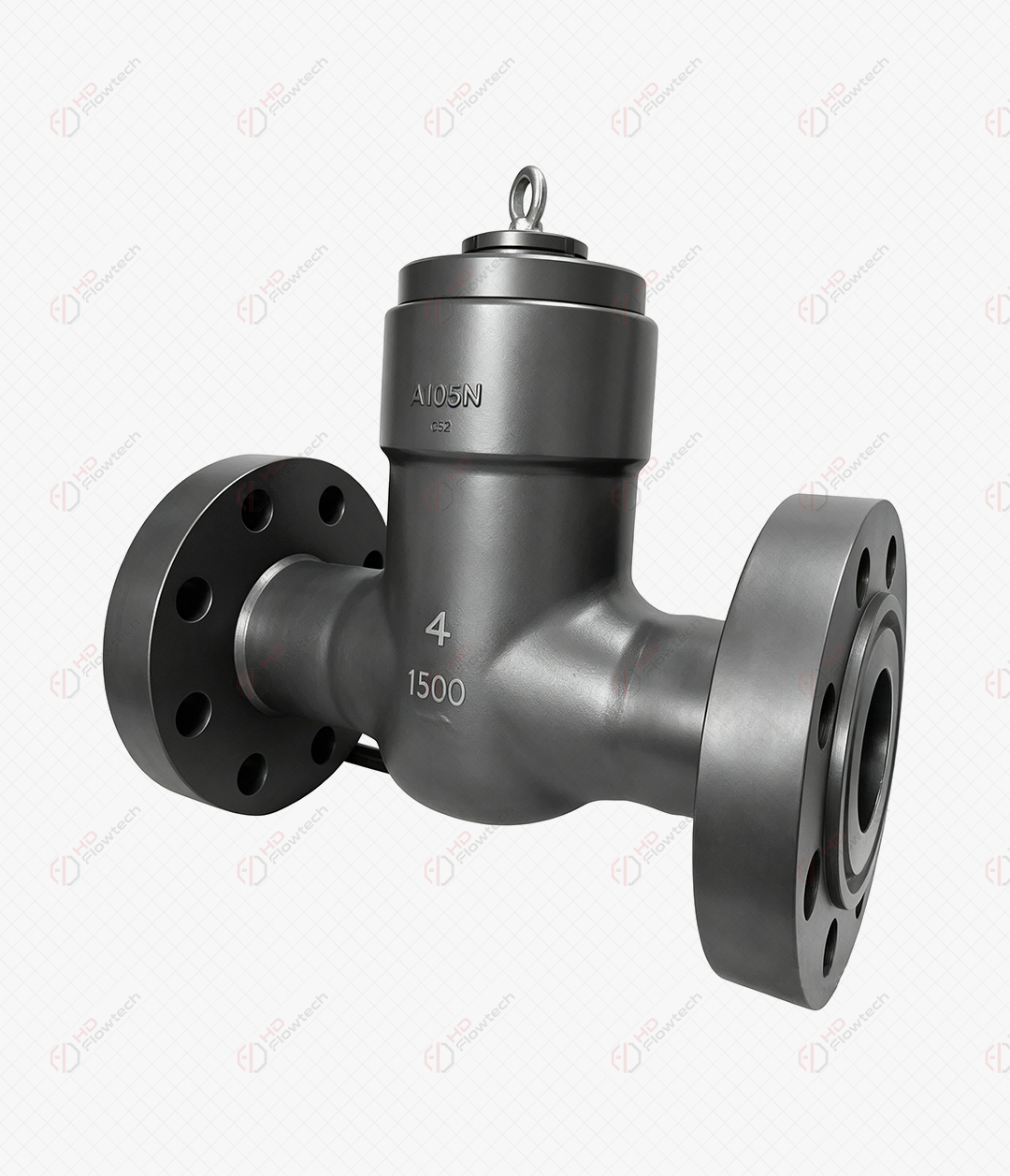
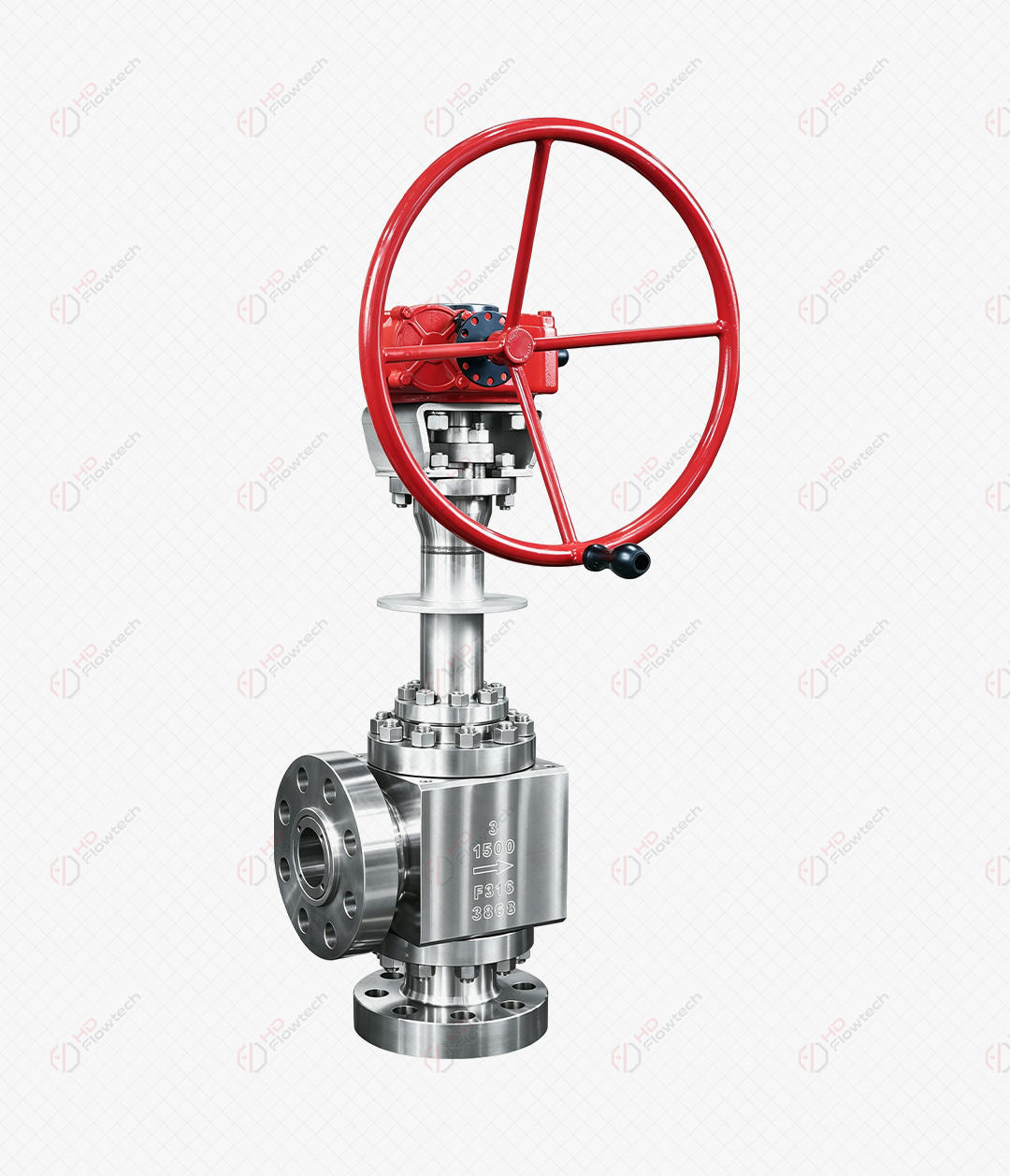
Piston lift check valves use a spring-loaded piston guided by a cylinder bore, providing fast, positive closure independent of installation orientation. This makes them suitable for both horizontal and vertical installations in boiler feed water lines, compressor discharge piping, and high-pressure steam systems up to Class 1500.
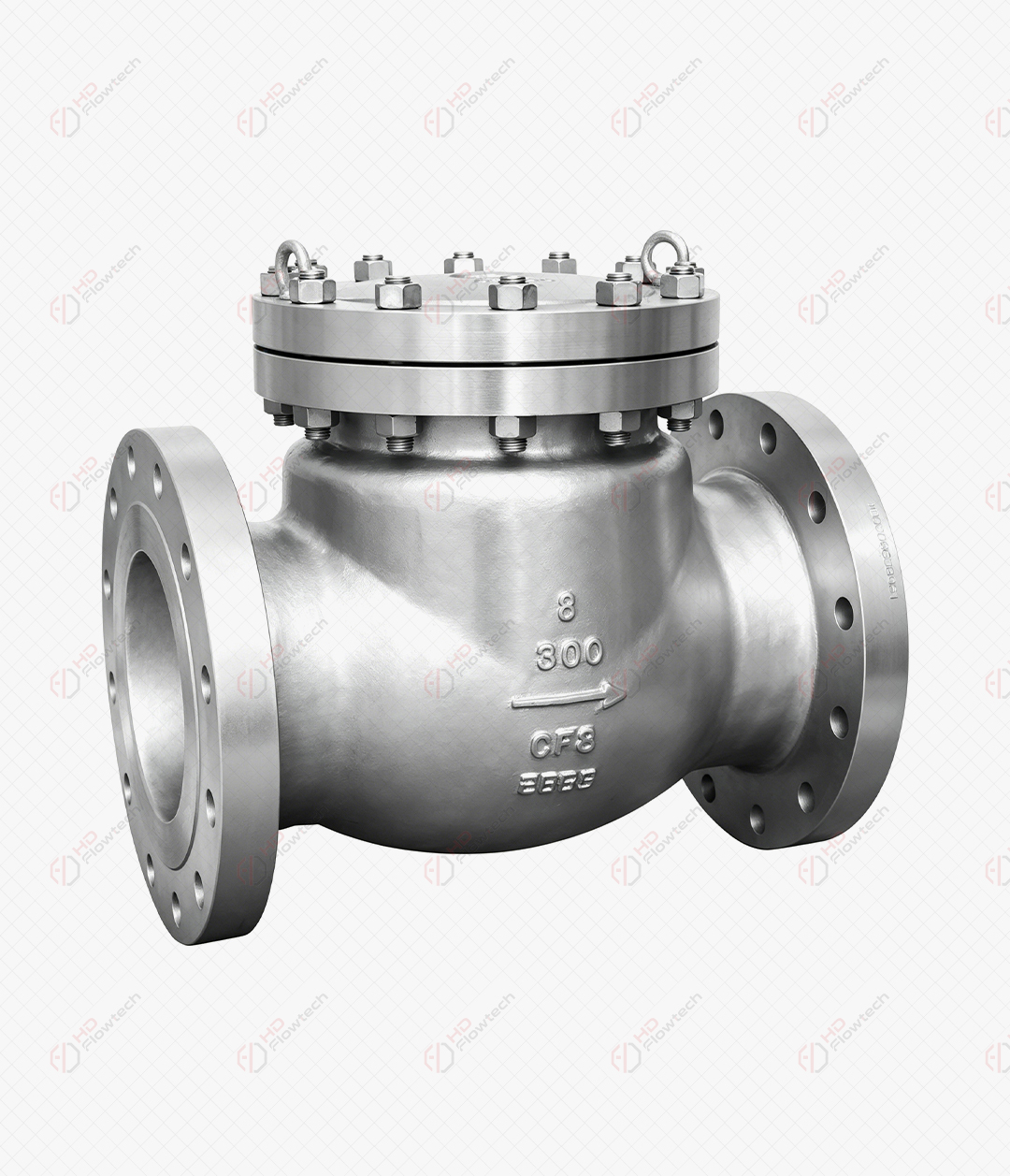
Swing check valves use a hinged disc that closes by gravity and back-pressure, offering lower pressure drop across larger bore sizes — commonly selected for pump discharge headers, cooling water systems, and general process lines at Class 150–600.
Tilting disc check valves provide faster closure response than conventional swing types, reducing water hammer risk in high-flow systems and transmission pipelines.
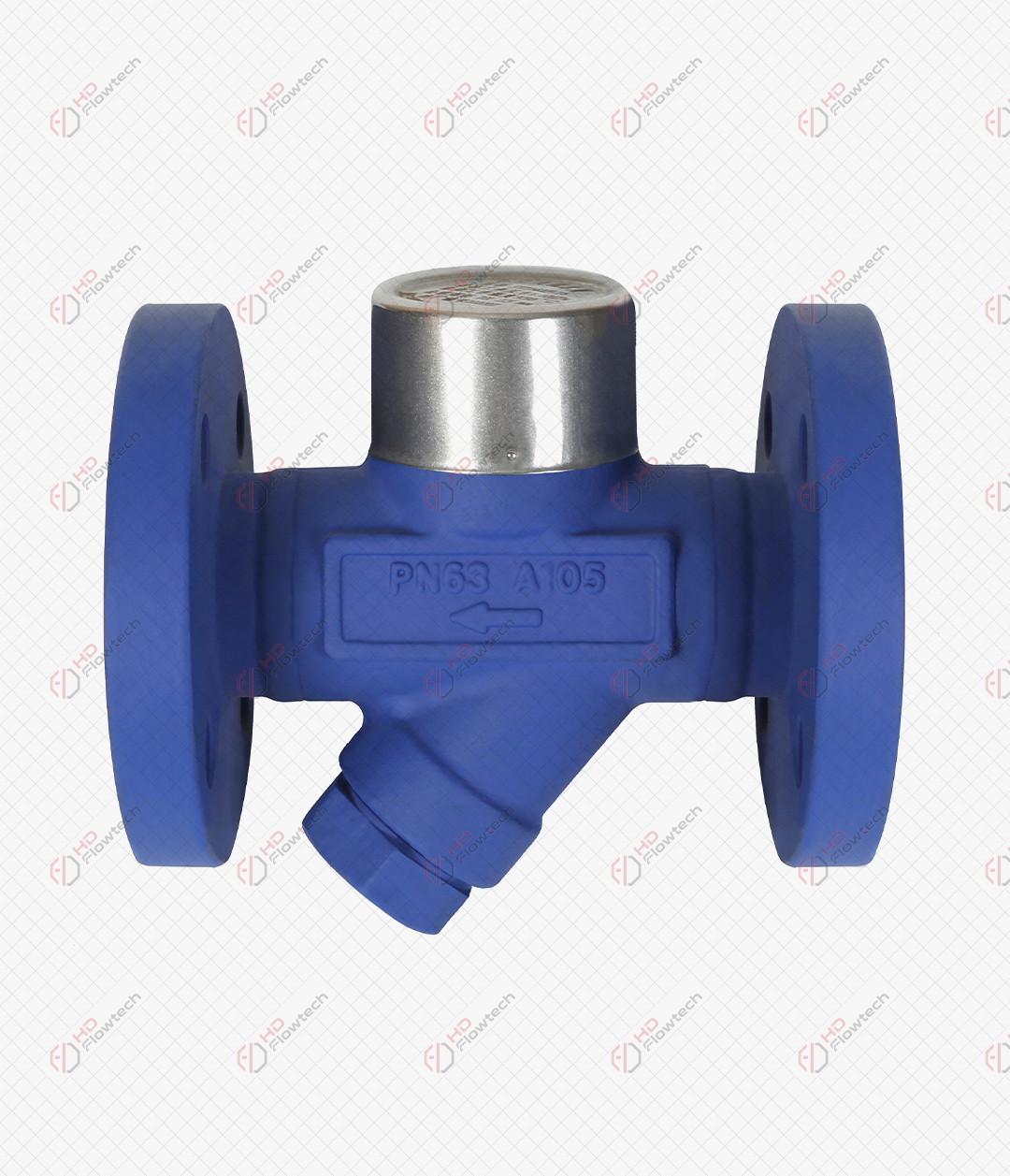
Forged steel body construction (A105N, F304, F316, F51 Duplex) is standard for high-pressure, small-bore service, offering superior resistance to thermal cycling and high-velocity flow compared to cast alternatives.
End connections — flanged (ASME B16.5), socket weld, or butt weld — are selected based on pipe class and system maintenance requirements.
Seat options include integral hard-faced, Stellite overlay, and PTFE for compatibility across steam, hydrocarbon, and corrosive fluid service.