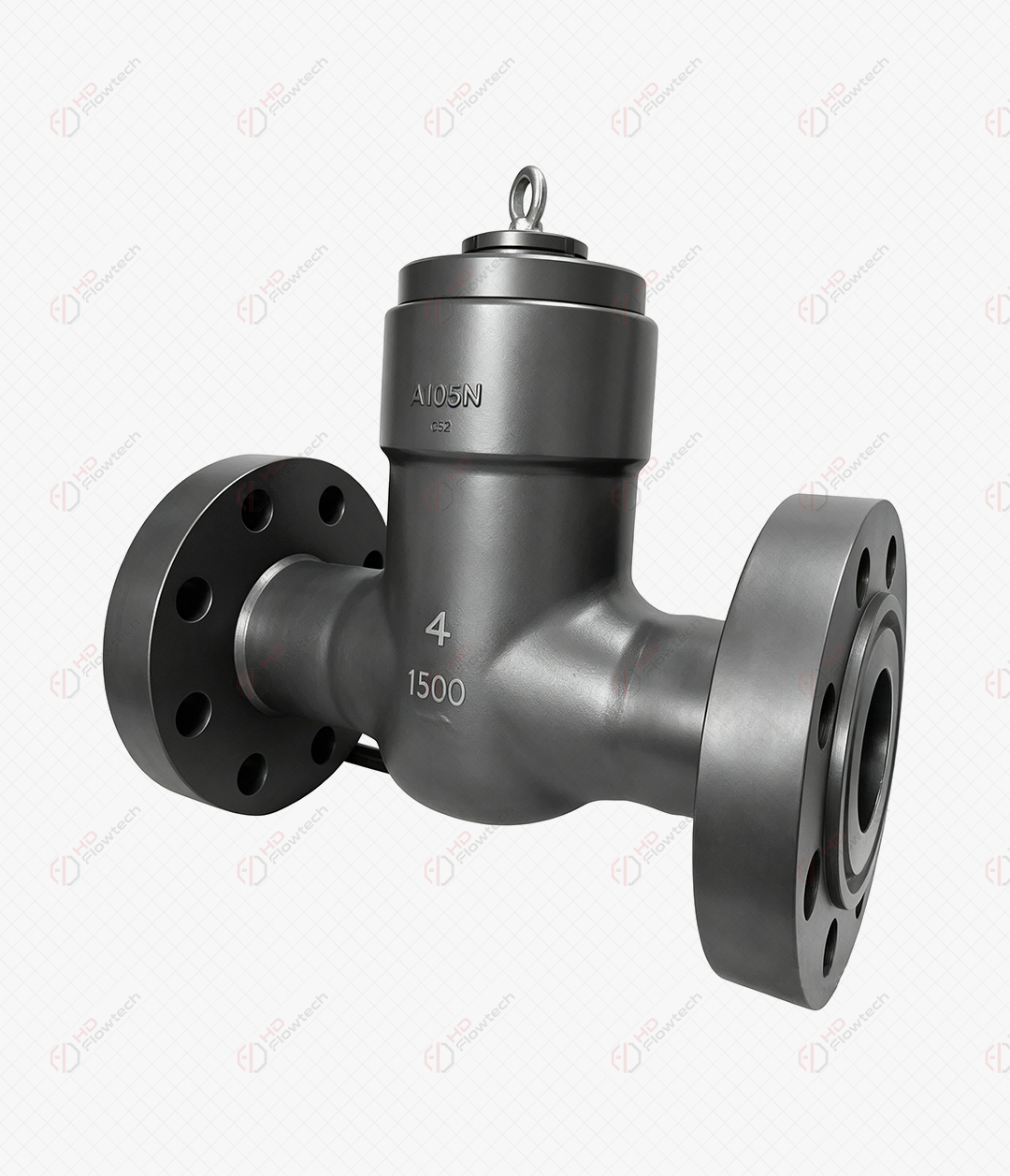
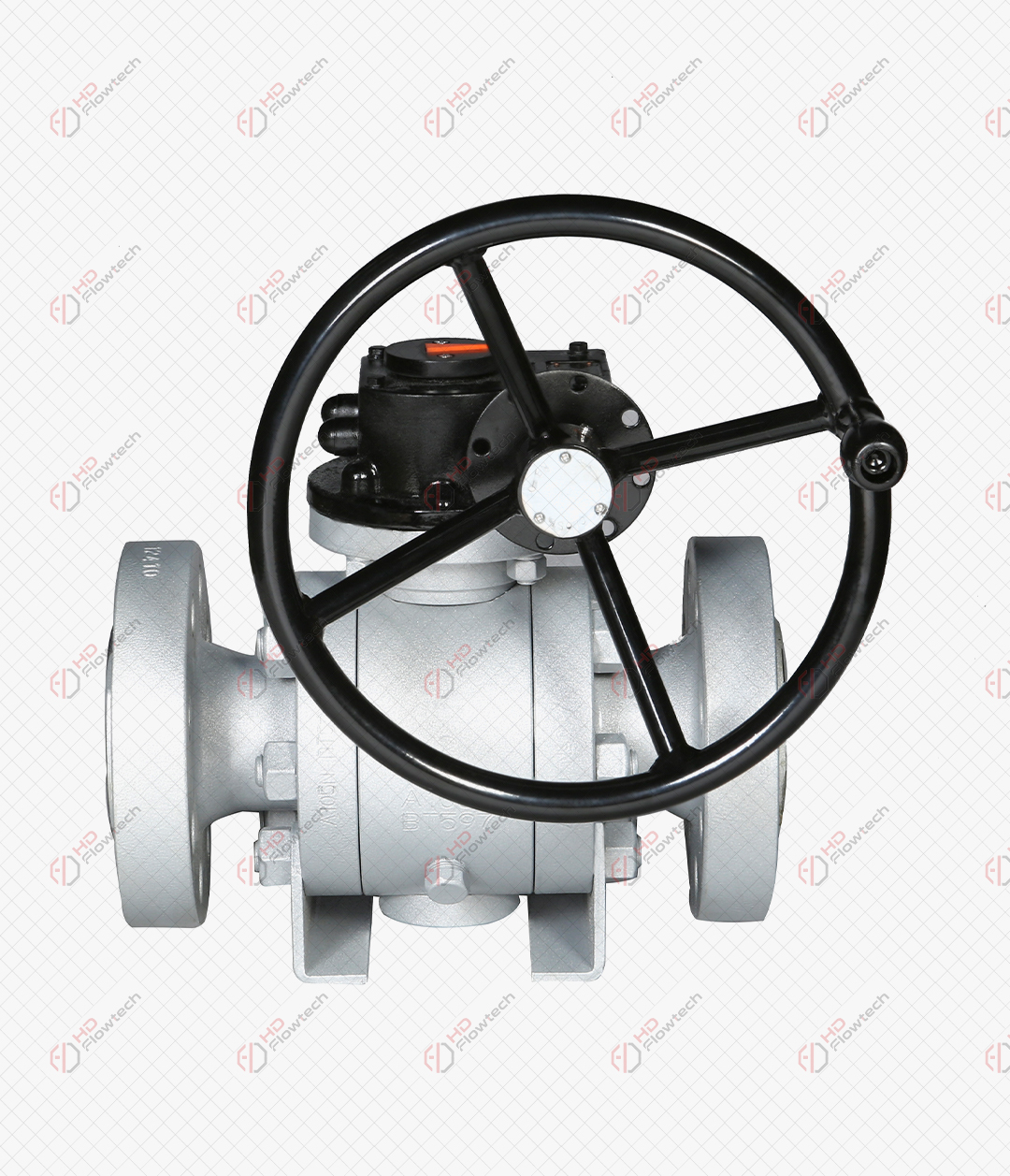
Gate valves are selected for full-bore isolation service where the valve operates either fully open or fully closed, providing unrestricted flow with minimal pressure drop. The wedge disc retracts completely outside the flow path in the open position, making them the standard choice for pipeline isolation, pump suction and discharge lines, and critical process isolation duty in oil & gas, petrochemical, offshore, and power generation industries. Gate valves are not suitable for throttling or flow regulation service.
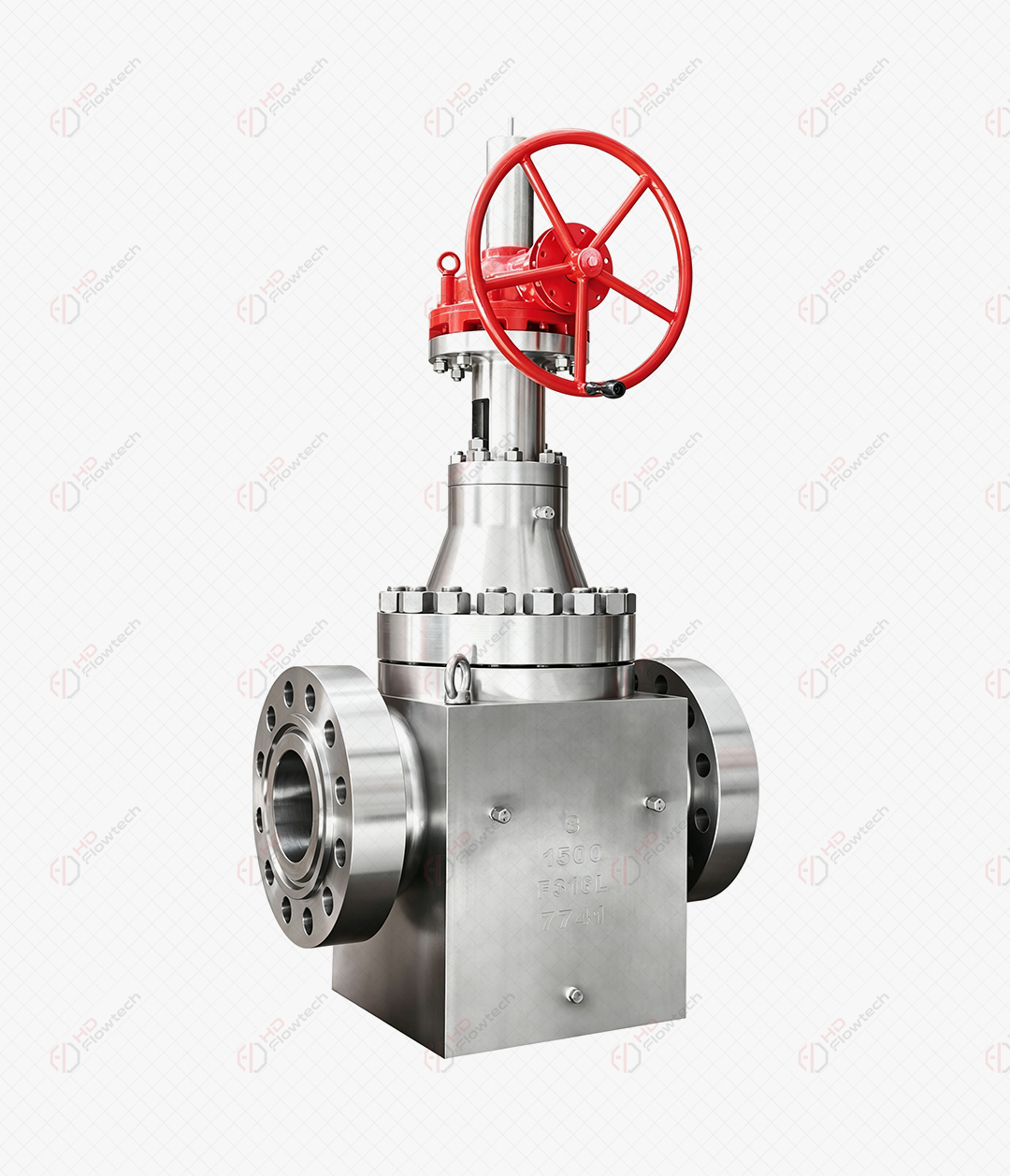
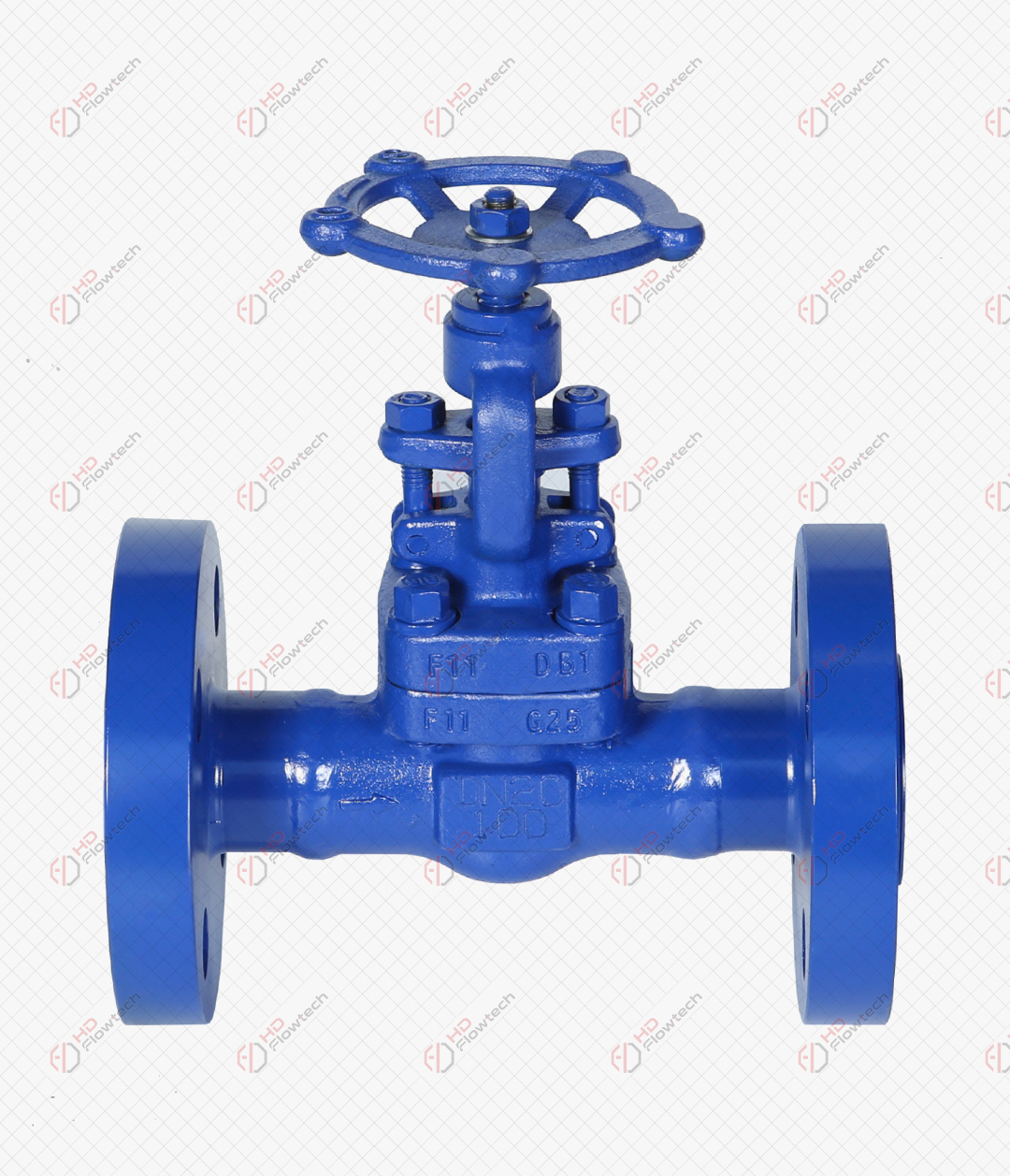
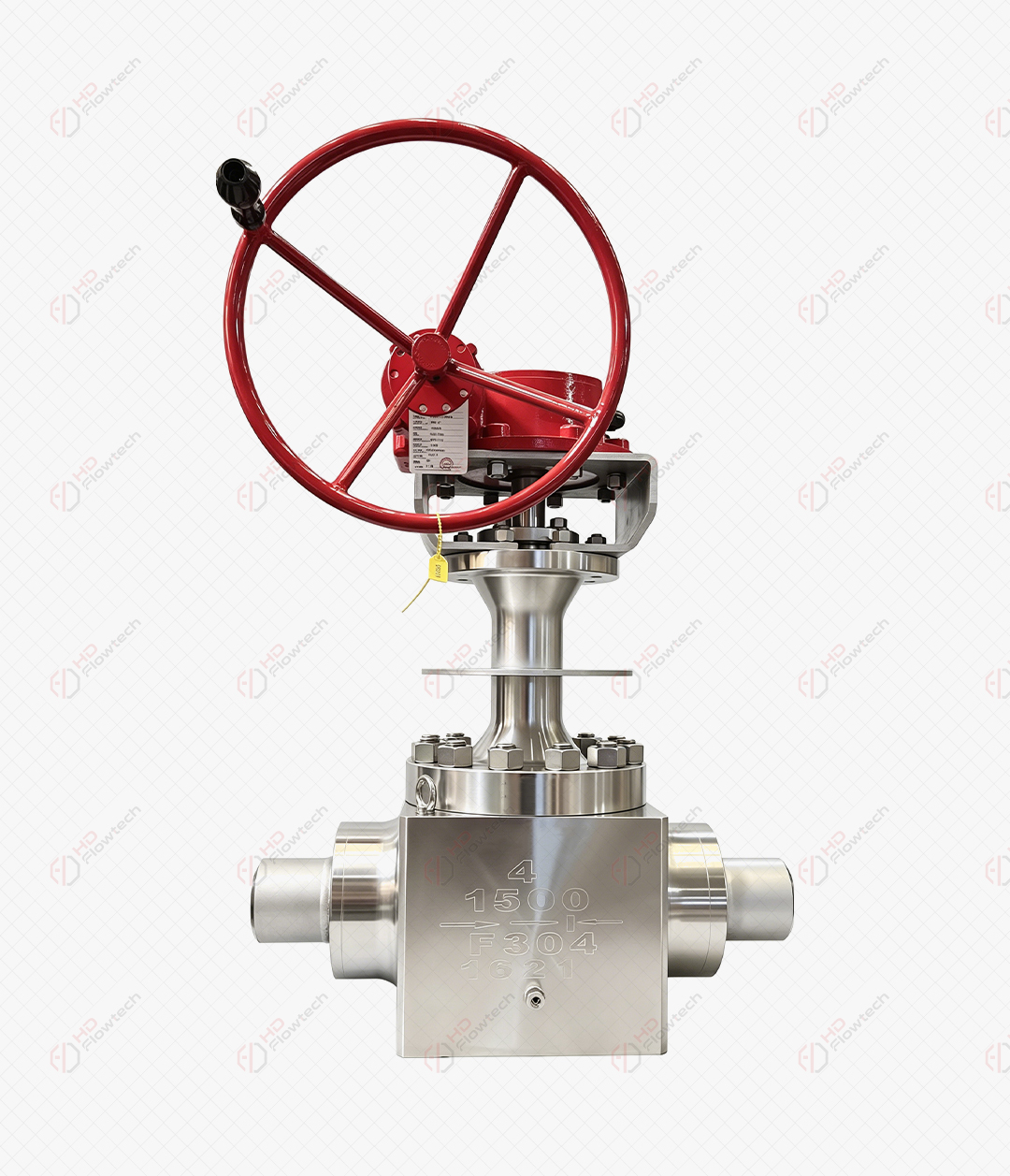
Wedge gate valves are the most common configuration, with solid wedge designs for general service and flexible wedge designs for high-temperature steam applications where thermal distortion can cause seat misalignment. For high-pressure critical service at Class 600 and above, forged steel body construction is required over cast alternatives — providing superior material homogeneity, structural integrity, and resistance to thermal cycling under sustained high differential pressure conditions typical in offshore, petrochemical, and high-pressure hydrocarbon service.
Pressure seal bonnet construction is standard for Class 900 and above, where bonnet sealing force increases with internal pressure — eliminating external leakage risk under high differential pressure. Body material selection — carbon steel (A105N) for standard high-pressure service, alloy steel (F11, F22) for temperatures up to 600°C, and stainless steel (F316L, F304) for corrosive and offshore applications — is determined by operating temperature, fluid type, and corrosion requirements. Gear operators are standard for larger bore and high-pressure sizes where manual handwheel torque becomes impractical.