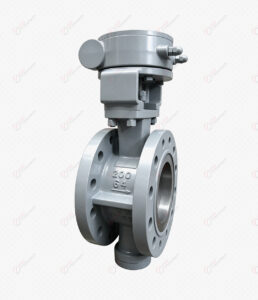
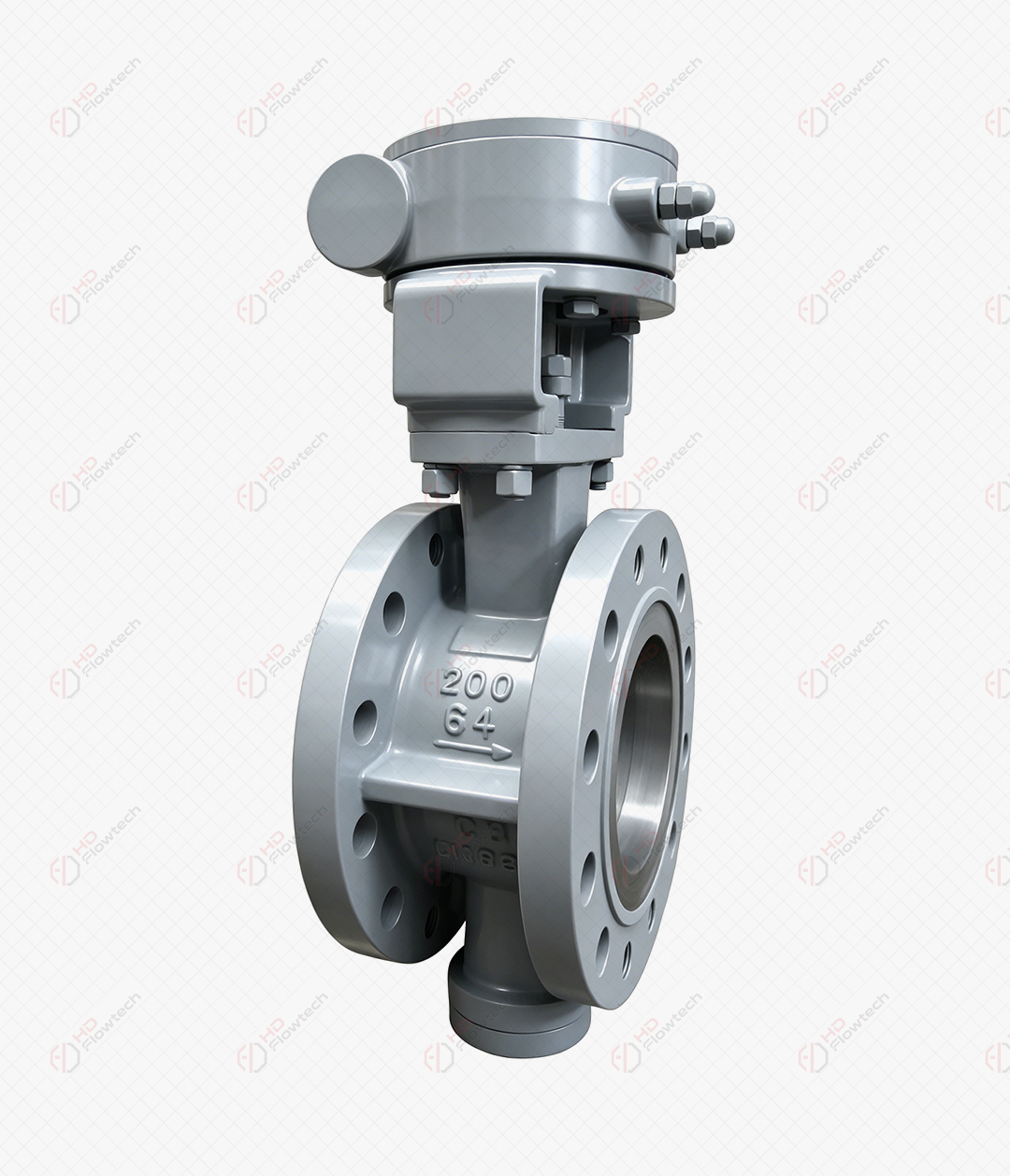
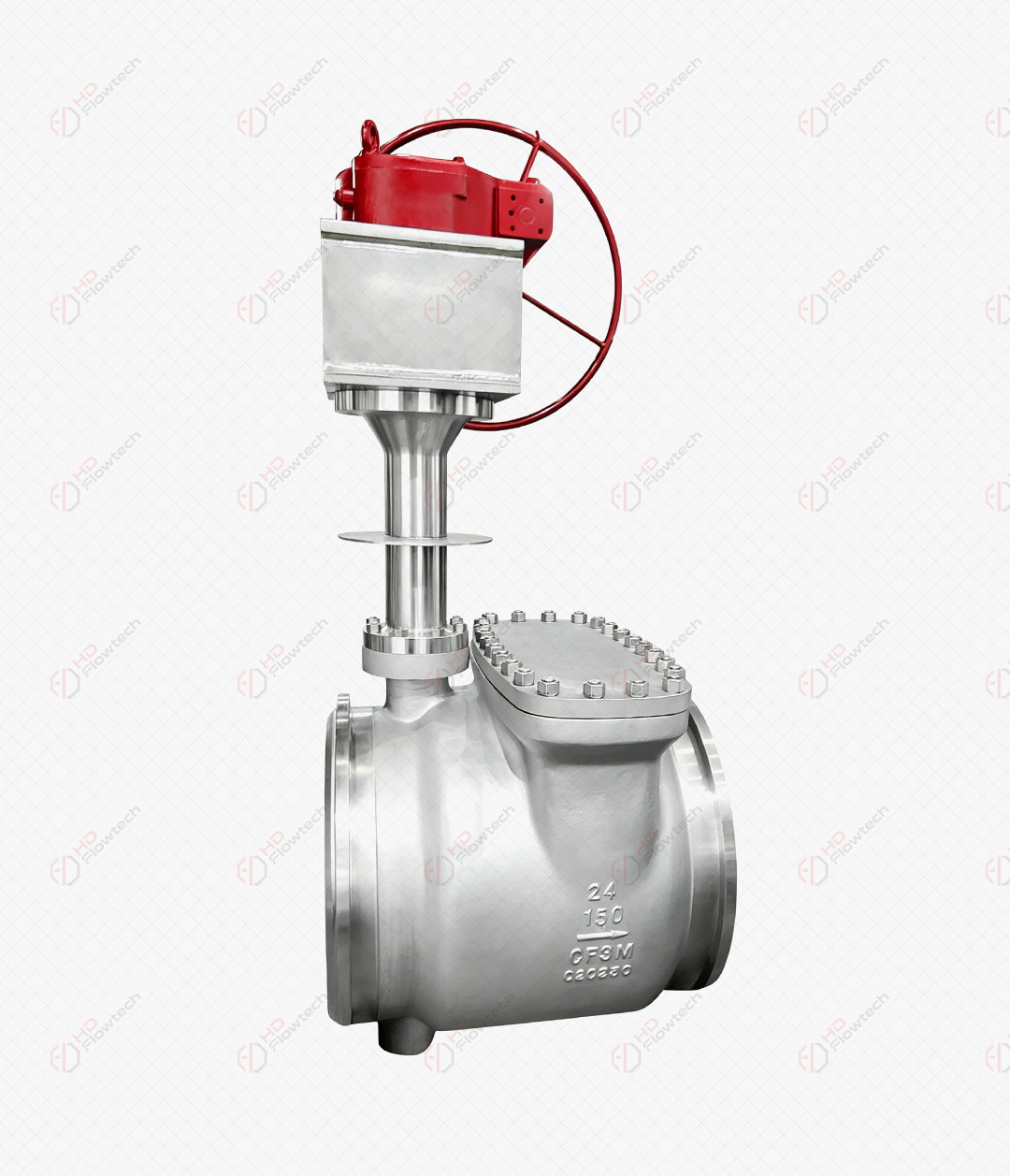
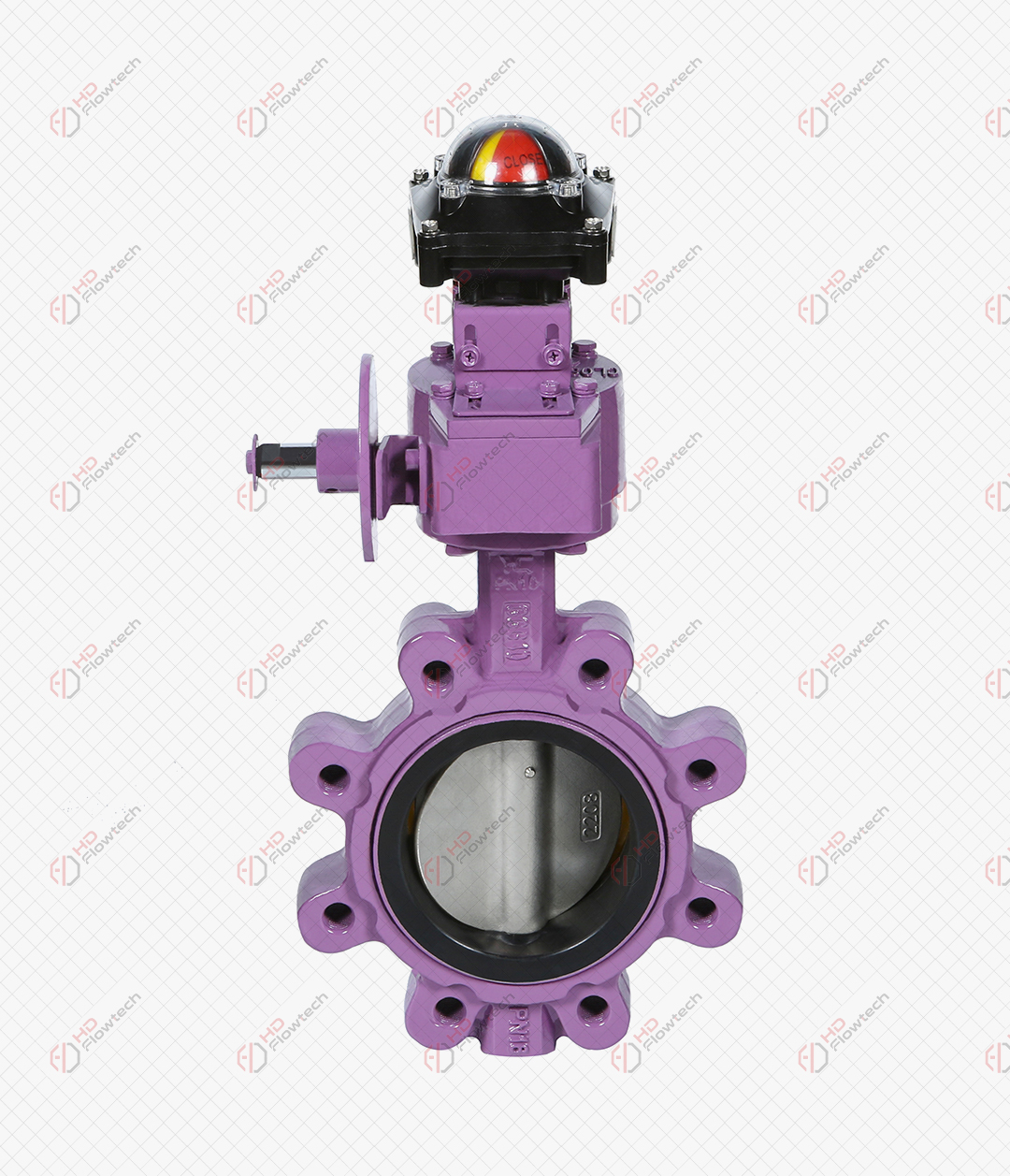
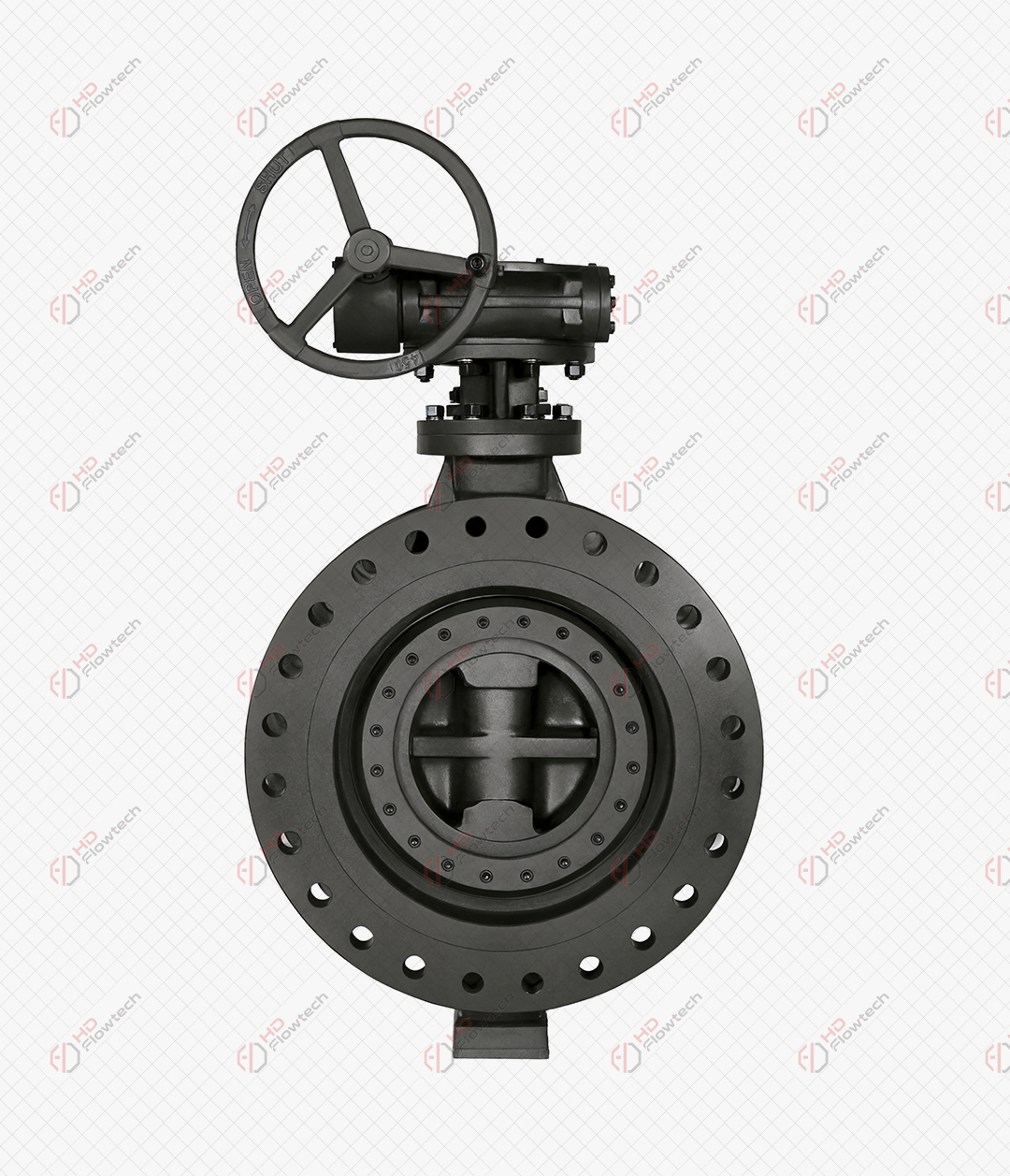
High performance double offset butterfly valves are selected for isolation and throttling service in medium-to-high pressure process applications where concentric butterfly valve designs are not suitable due to pressure class, temperature, or seat life requirements. The double offset disc geometry reduces seat contact during opening and closing, minimizing friction and wear between disc and seat — providing longer service life and more consistent sealing performance than concentric designs in high-cycle and demanding process applications at PN16–PN100.
Electric actuators are specified for double offset butterfly valves requiring automated process control, intermediate positioning, and remote operation in hazardous area installations. Explosion-proof actuator enclosures (Ex d, Ex e) are required for Zone 1 and Zone 2 hazardous area classifications in oil & gas processing, petrochemical plants, and offshore facilities. Intermediate positioning capability enables precise flow throttling across the disc travel range, making electrically actuated double offset butterfly valves suitable for flow control and pressure regulation duty in addition to on/off isolation service.
Metal seats (Stellite overlay) are selected for high-temperature, erosive, and steam service where soft seat materials would degrade rapidly, while EPDM, NBR, and PTFE seats cover the majority of general process, water, and chemical service applications at moderate temperatures. Body material selection — carbon steel (WCB) for general process service, stainless steel (CF8, CF8M) for corrosive media, and duplex grades for sour and offshore service — is determined by fluid type, operating temperature, and corrosion requirements. Design standards API 609 and EN 593 govern double offset butterfly valve design and performance requirements across all pressure classes and material grades.