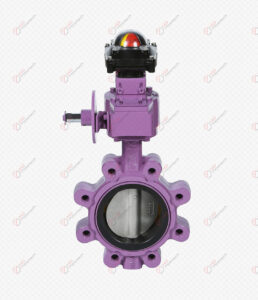
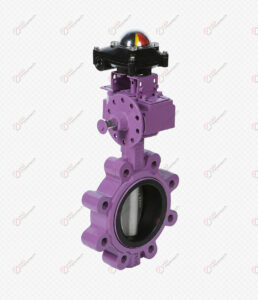
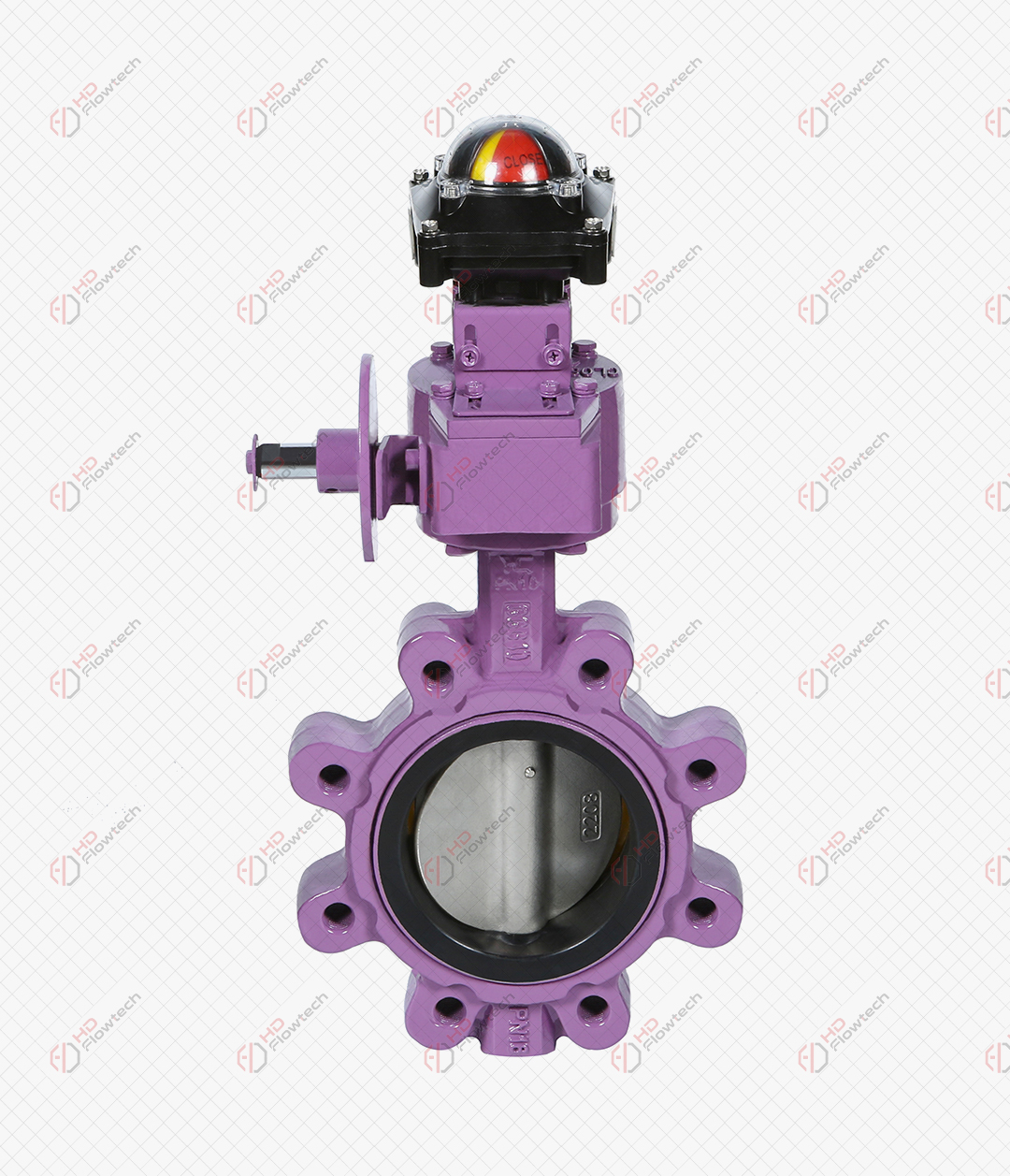
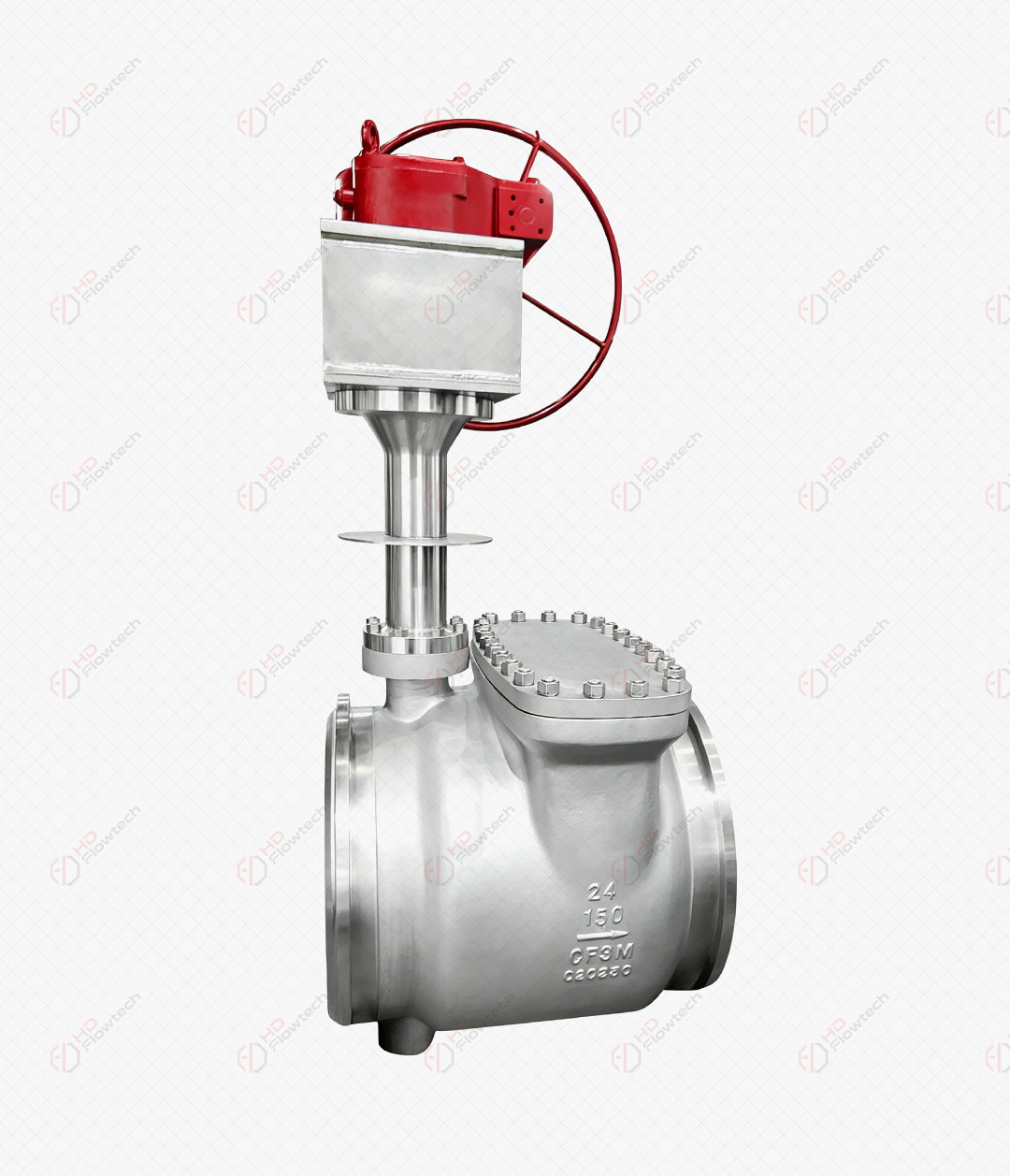
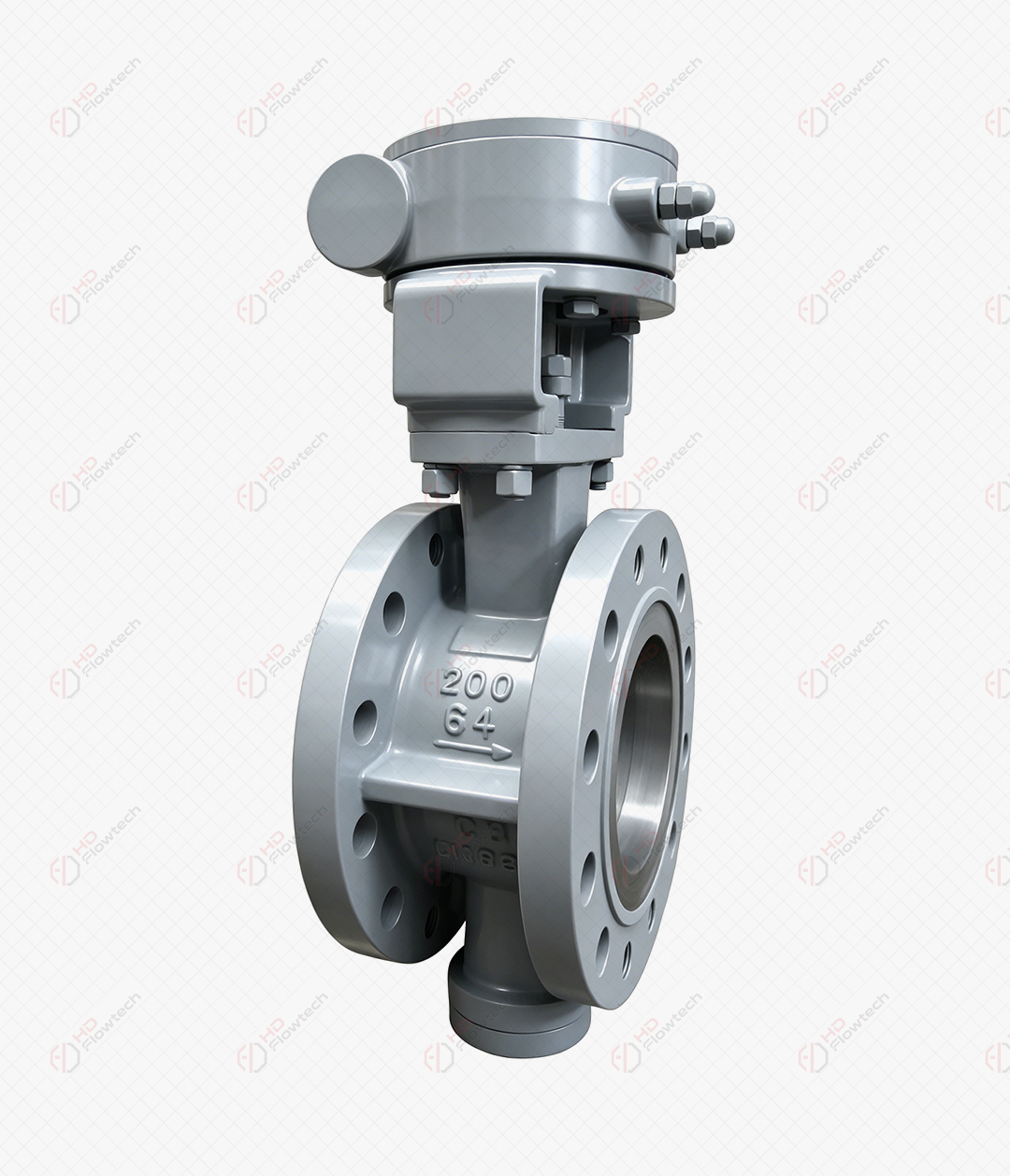
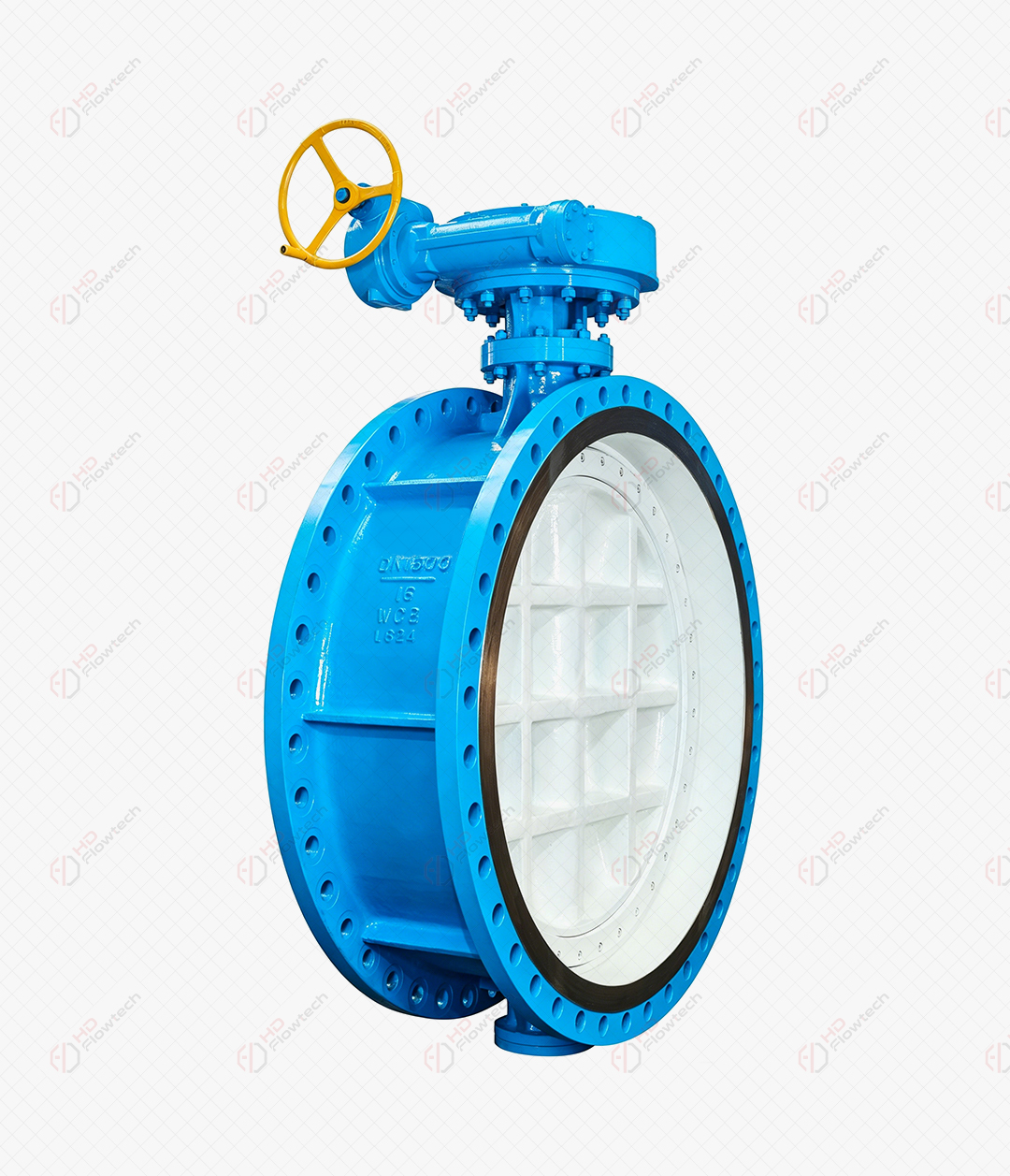
Concentric resilient seated butterfly valves are selected for isolation and throttling service in water supply, HVAC, building services, cooling water, and general low-pressure utility applications at PN6–PN16, where compact installation, low operating torque, and cost-effective large-diameter flow control are required. The concentric disc design with resilient rubber seat provides bubble-tight shut-off at low differential pressures in a compact, lightweight construction that makes butterfly valves significantly more space and cost-efficient than gate valves at equivalent bore sizes.
Lug-type body designs are selected over wafer types where end-of-line service capability is required — the threaded lug inserts allow downstream pipeline removal without disturbing the upstream flange connection, making lug butterfly valves the standard specification for pump discharge isolation, tank inlet connections, and any installation where independent downstream section removal is a maintenance requirement. Wafer types are used where end-of-line service is not needed and minimum face-to-face dimension and weight are the primary installation criteria.
Electric actuators are specified for butterfly valves requiring automated remote operation, building management system (BMS) integration, and precise position control for HVAC flow balancing and process control duty. EPDM seats are standard for potable water, general water service, and HVAC glycol systems, with NBR selected for oil-contaminated water and PTFE for chemical resistance applications. Design standards EN 593 and API 609 govern concentric butterfly valve design, seat performance, and pressure-temperature ratings for general service applications.