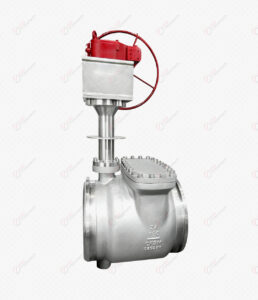
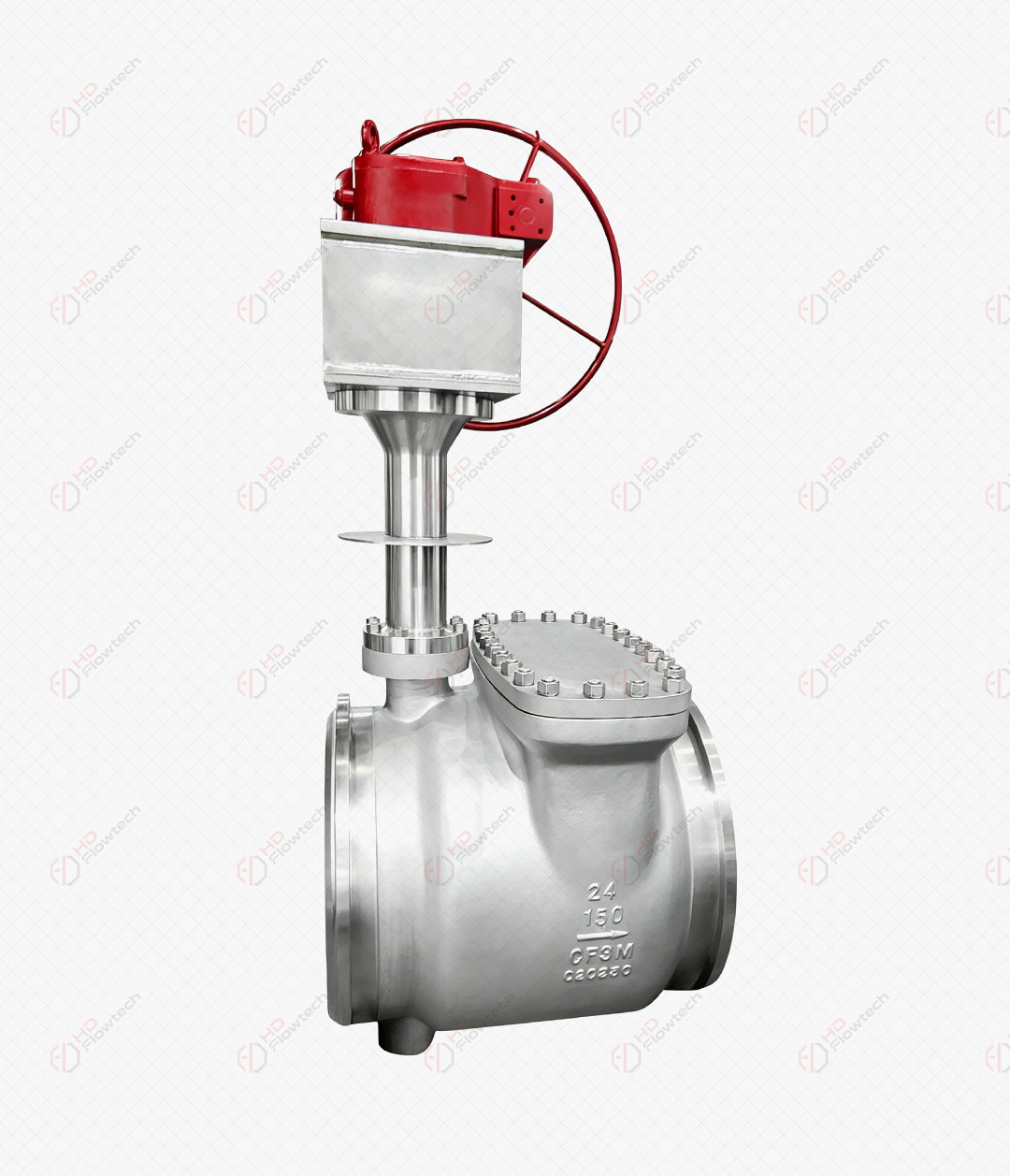
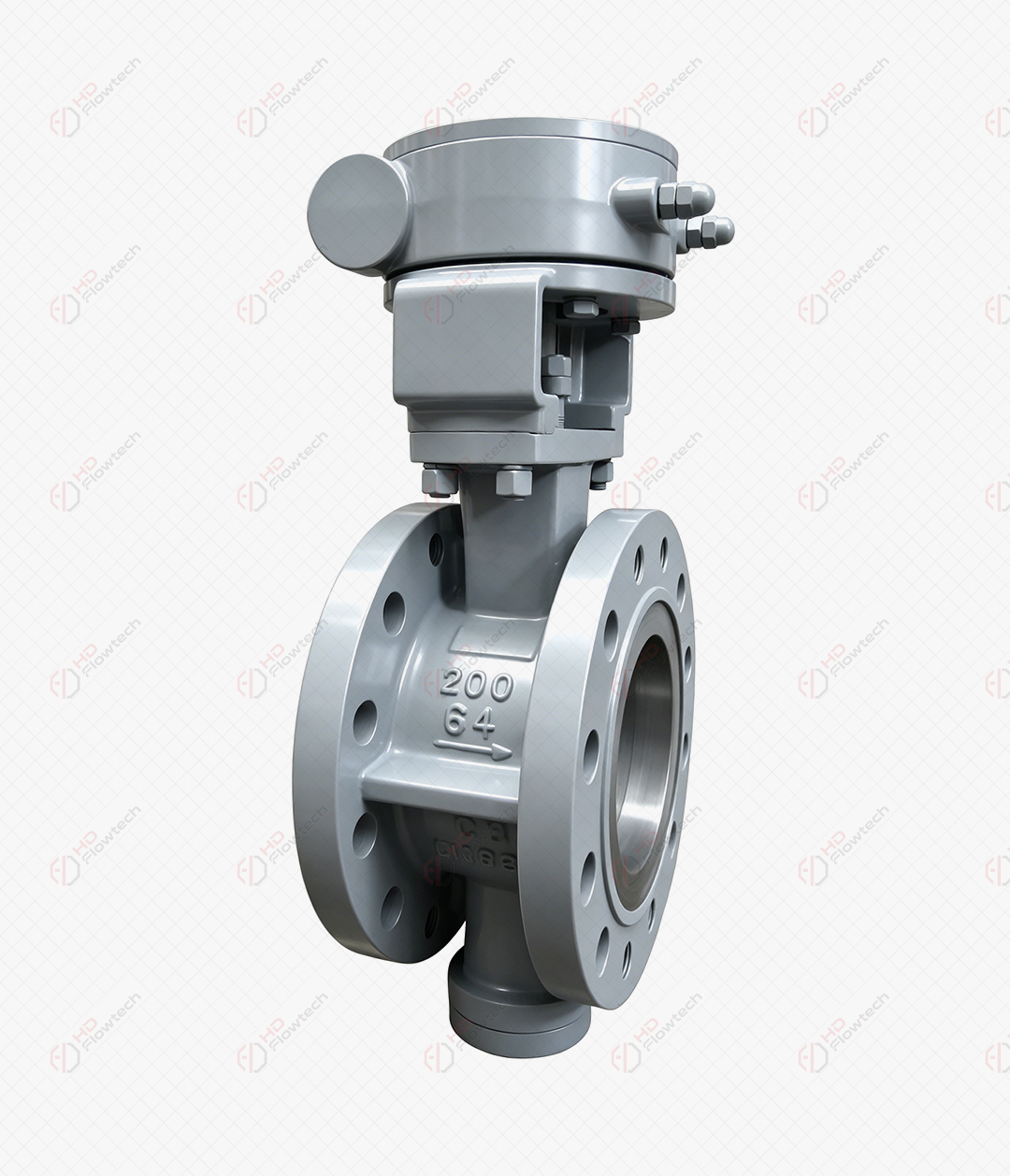
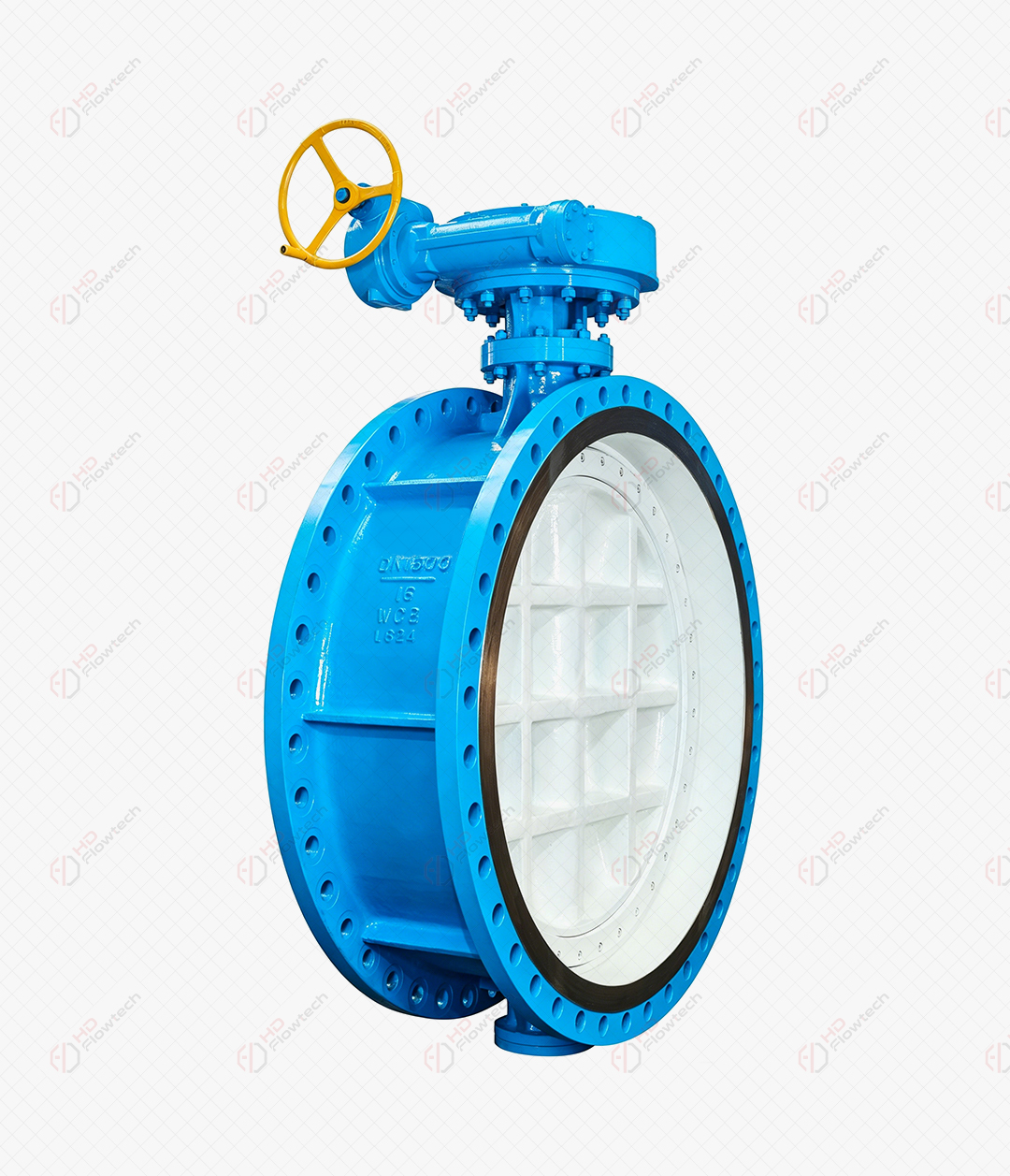
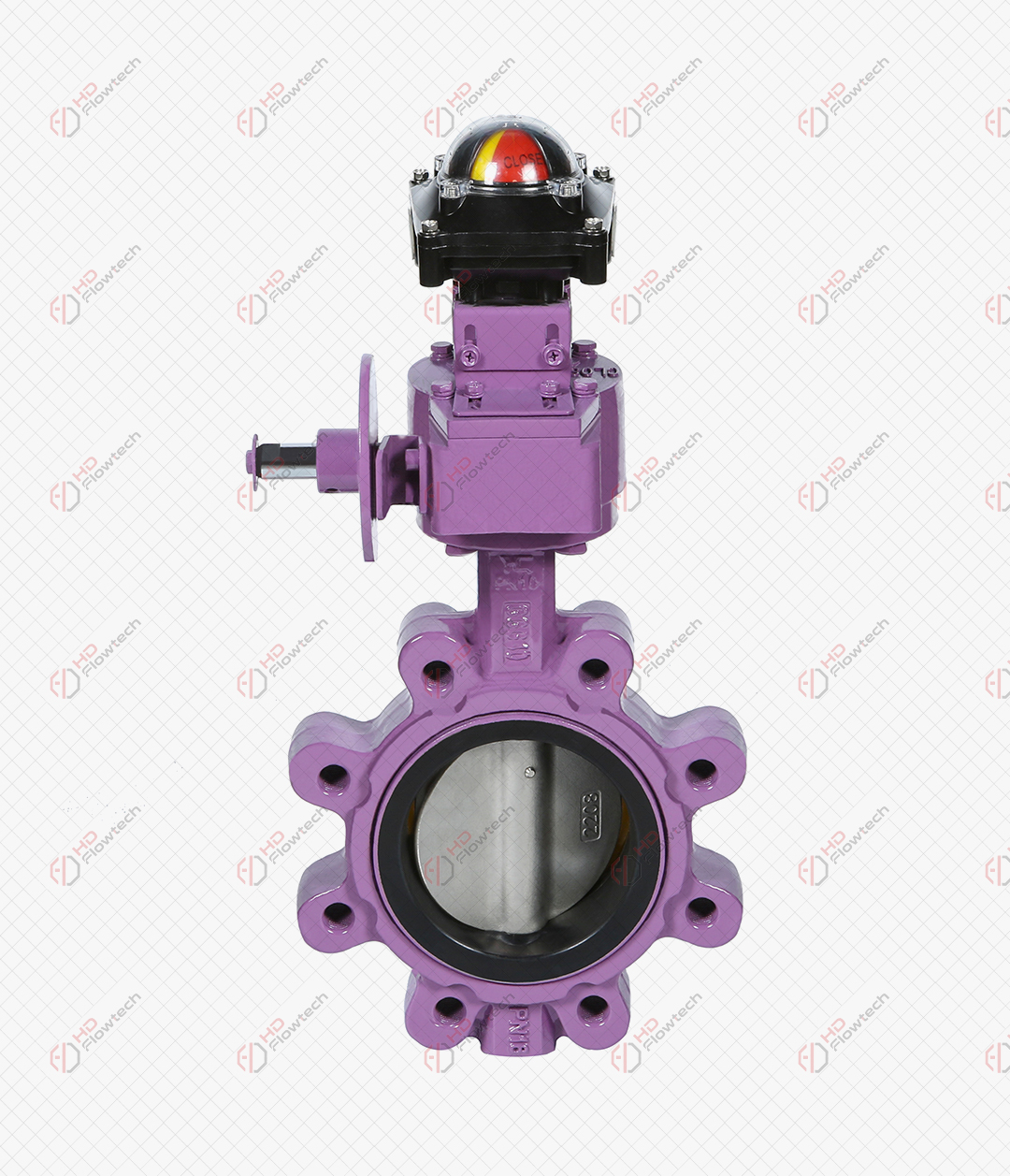
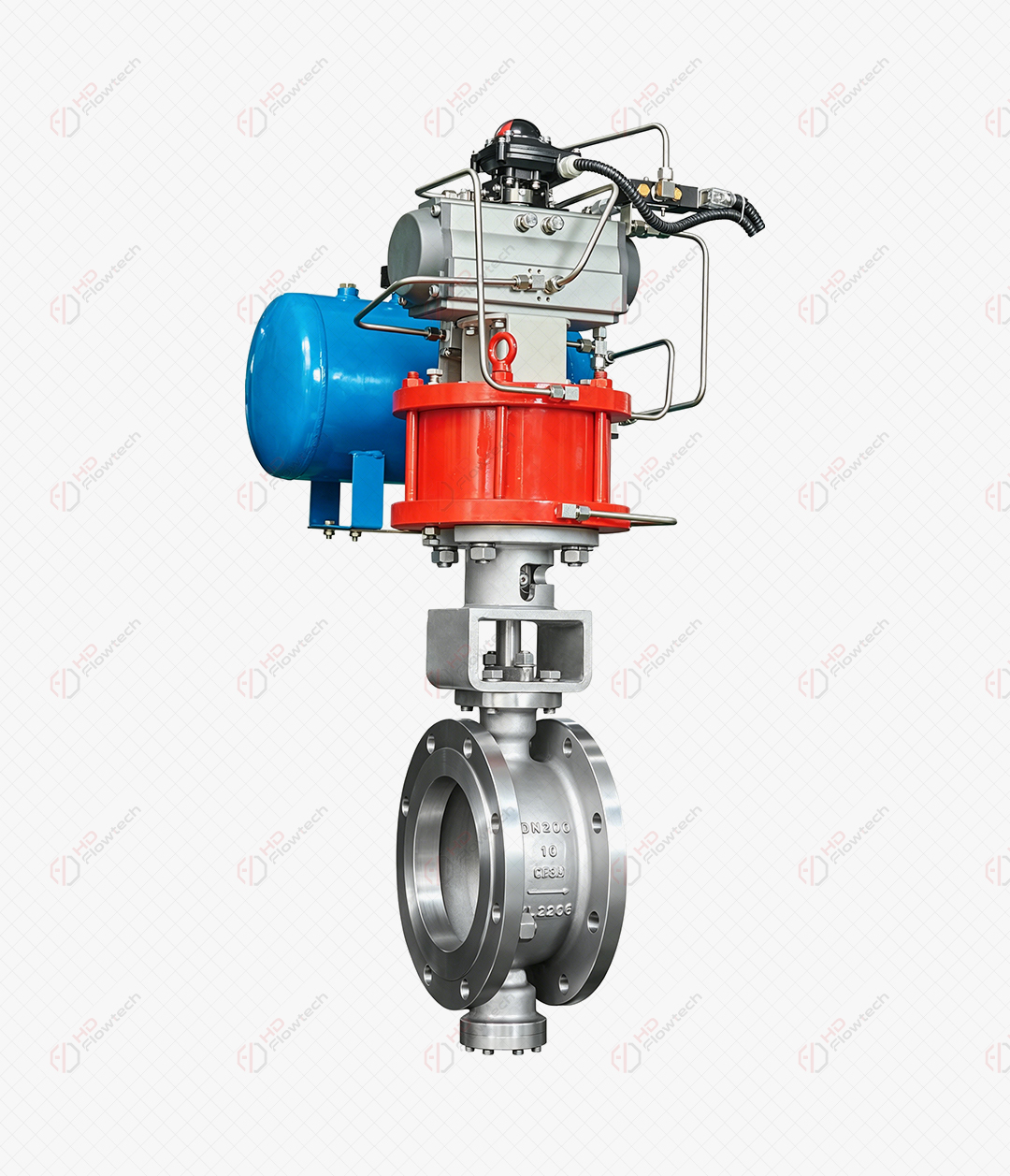
Cryogenic butterfly valves are selected for isolation and flow control service in large-bore LNG transfer lines, liquid nitrogen systems, liquid oxygen facilities, and cryogenic process piping where compact installation, low operating torque, and reliable low-temperature sealing performance are required. The extended stem design is the defining feature of cryogenic butterfly valves — raising the stem packing and actuator above the cold zone to prevent atmospheric moisture from freezing around the stem seal and actuator components, ensuring reliable quarter-turn operation throughout the valve’s service life at temperatures down to −196°C.
CF3M and CF3 low-carbon stainless steel body construction is standard for cryogenic butterfly valves, providing the impact toughness, ductility, and weld integrity at low temperatures that carbon steel and standard austenitic stainless steel grades cannot consistently deliver. Low-carbon grades (CF3M, CF3) are specified to prevent sensitization and intergranular corrosion at weld heat-affected zones — a critical material requirement for large-bore cryogenic pipeline systems where weld quality and material integrity are mandatory for safe operation.
Butterfly valve configuration is preferred over gate and globe valves for large-bore cryogenic service where compact face-to-face dimensions, low operating torque, and weight reduction are important design constraints — LNG loading arms, cryogenic storage tank inlet and outlet connections, and large-diameter liquid gas transfer lines where gate valve alternatives would be significantly heavier and more expensive. Pneumatic actuators with manual override are standard for large-bore cryogenic butterfly valves, providing automated operation with fail-safe positioning and manual backup capability for LNG terminal and cryogenic storage facility service. Design standards BS 6364 and API 609 govern cryogenic butterfly valve design, extended stem requirements, and low-temperature material and testing criteria