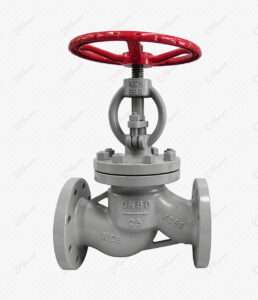
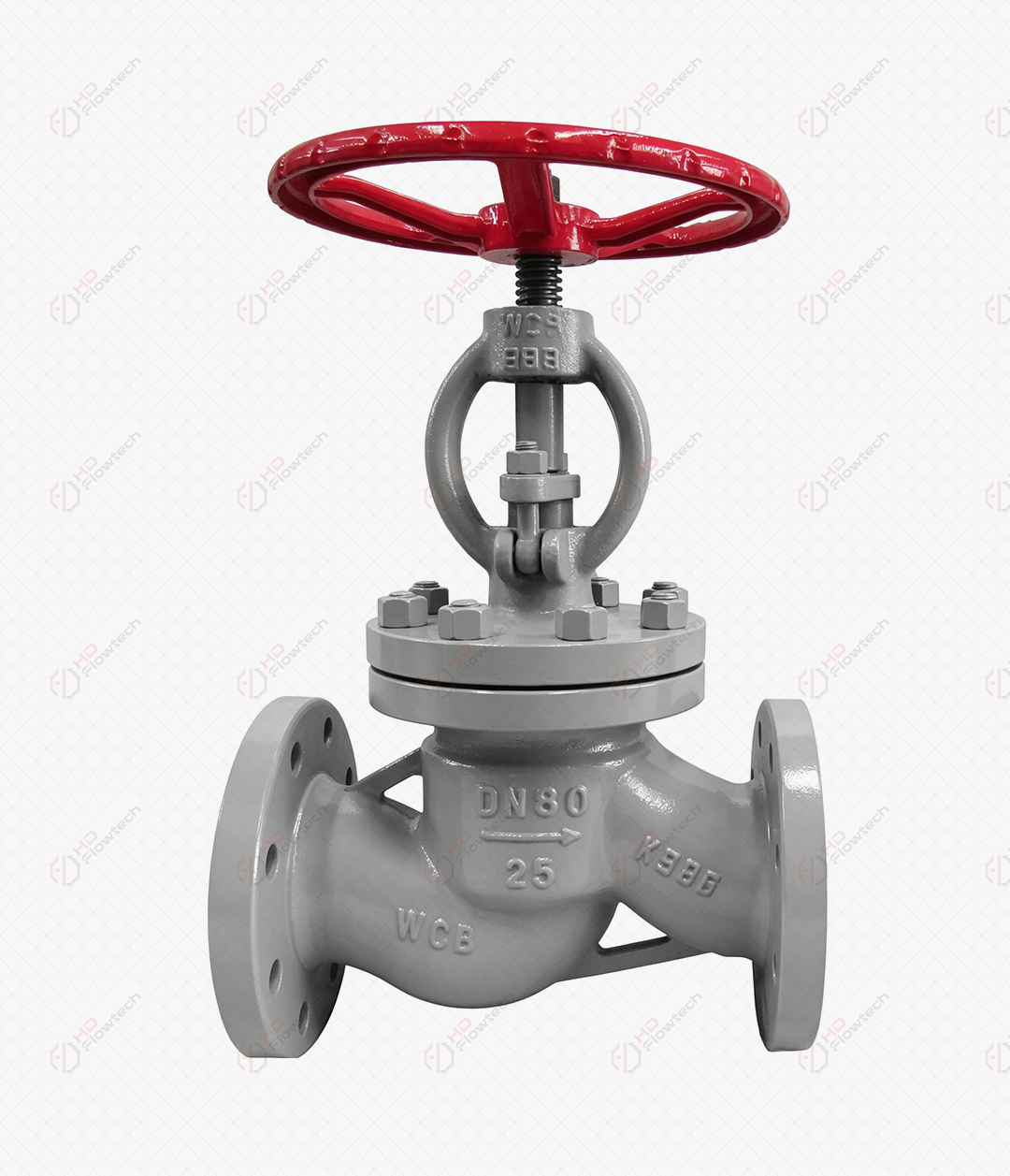
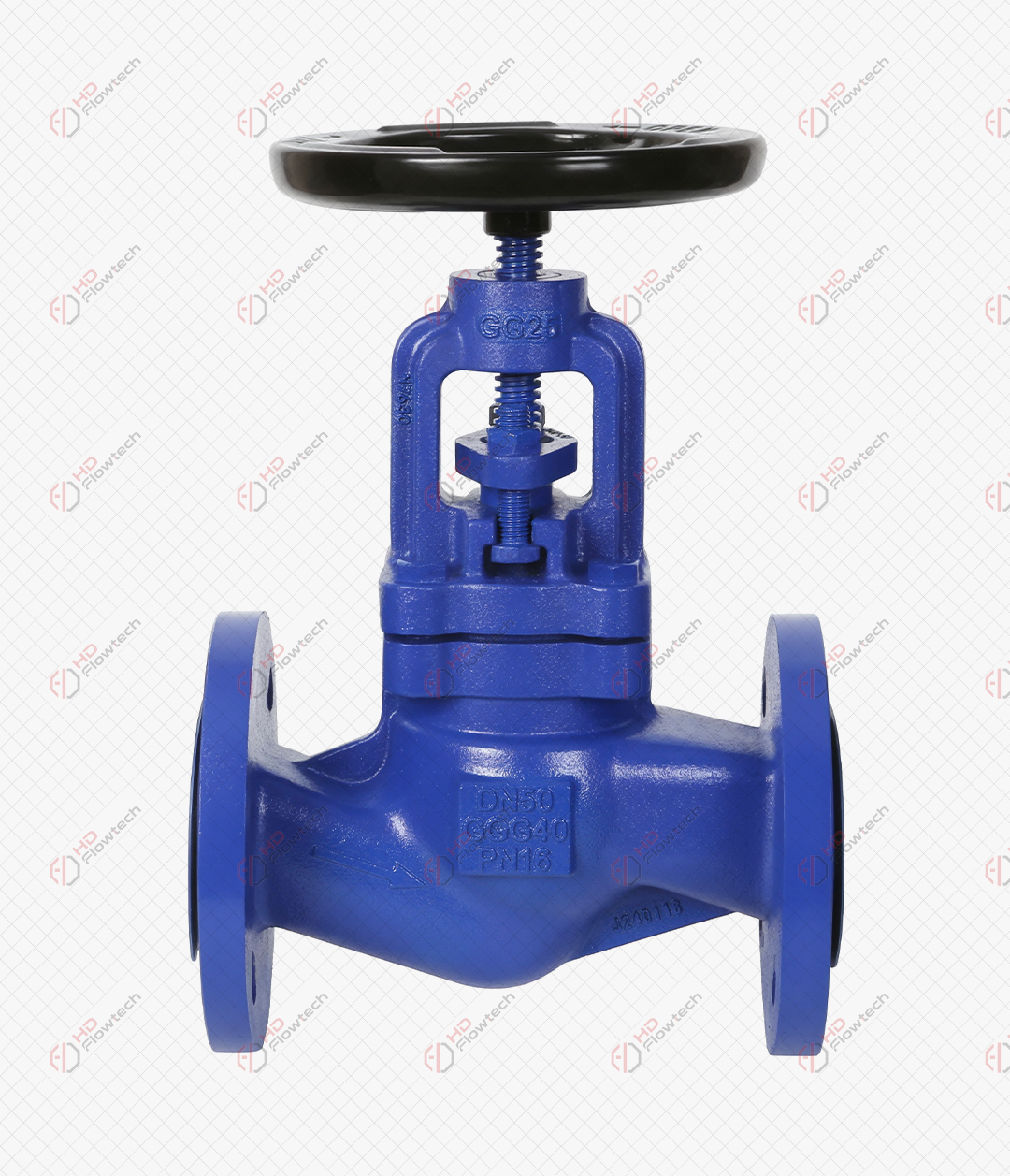
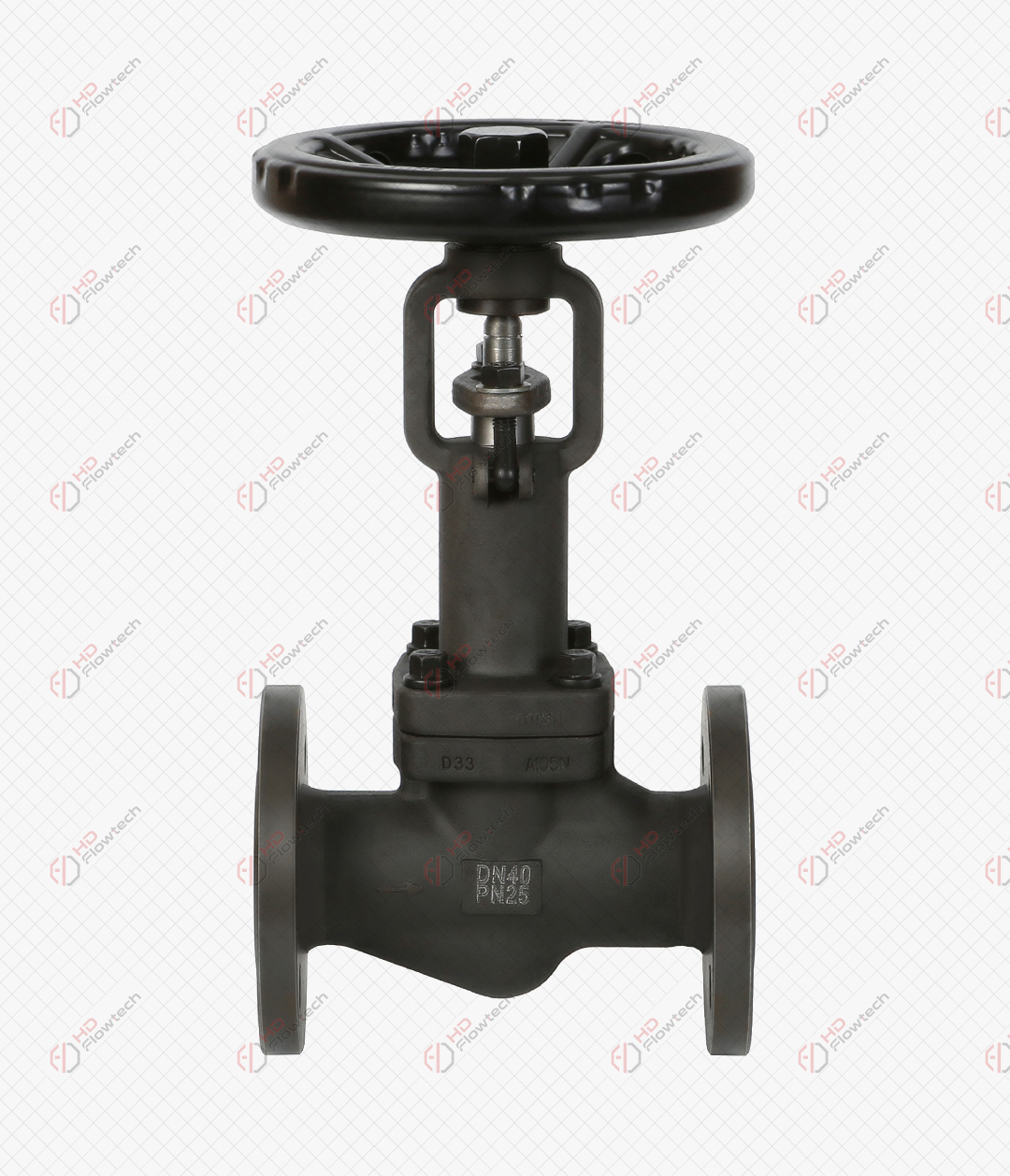
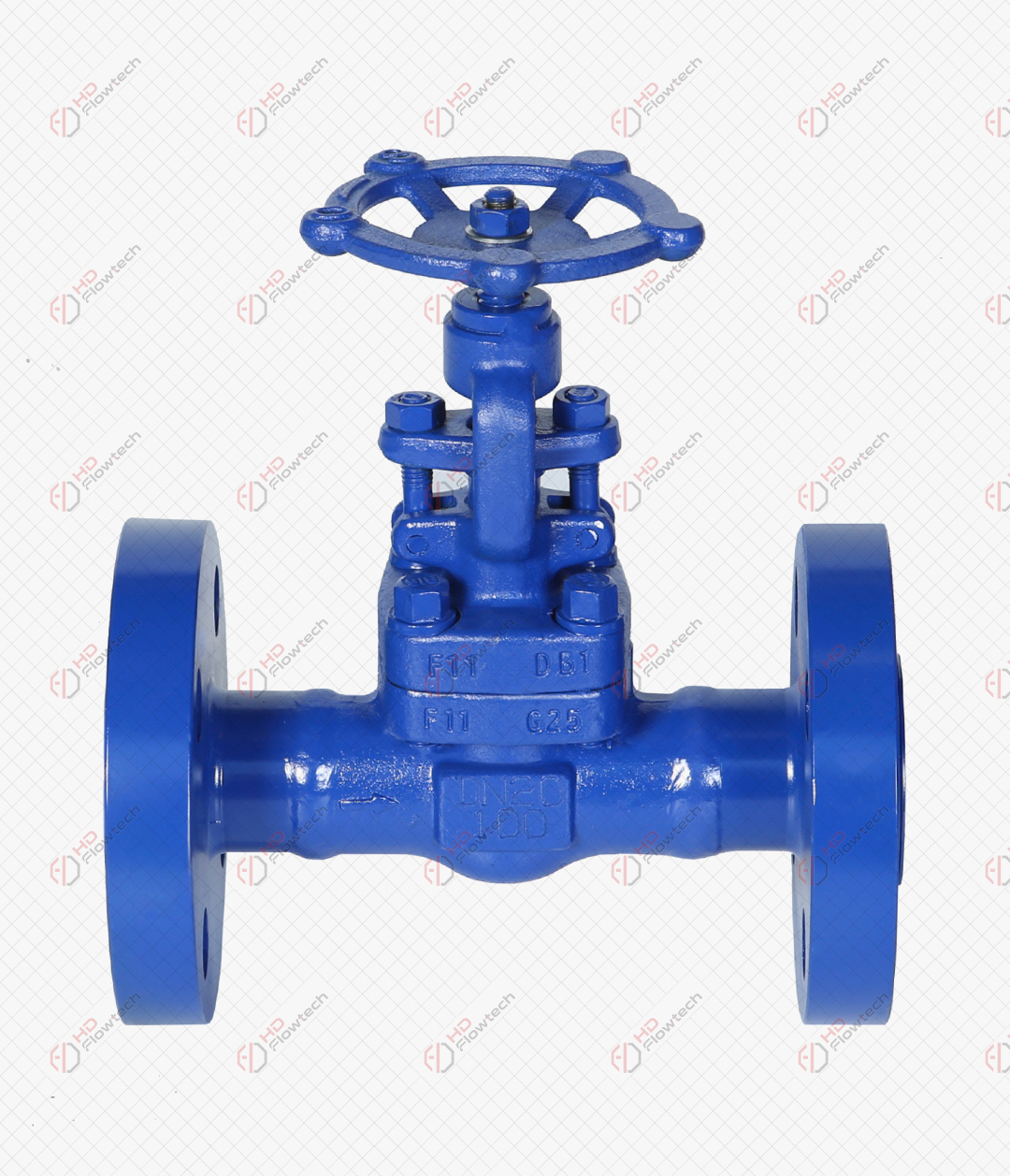
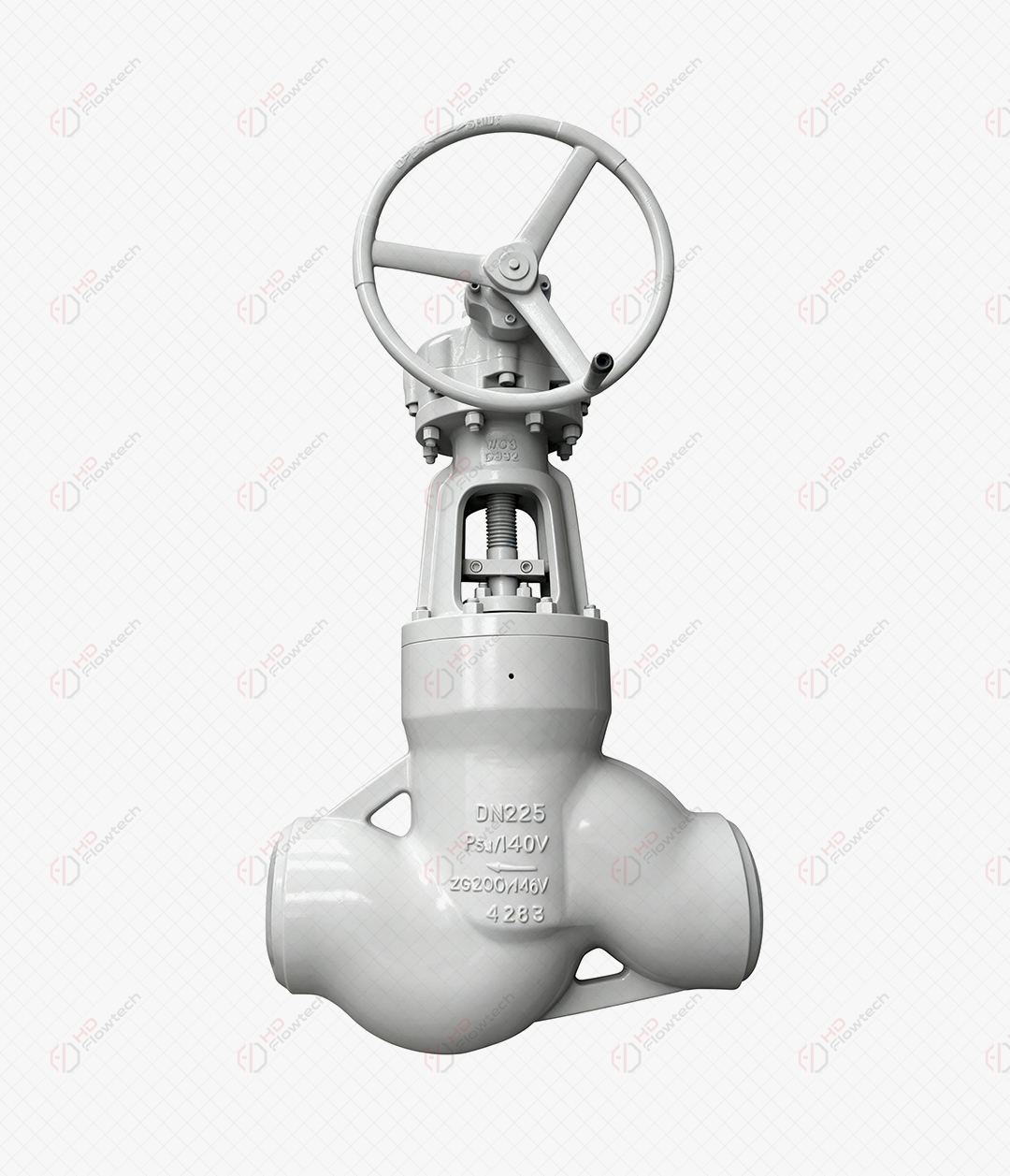
Globe valves are selected where both isolation and throttling service are required in the same valve, providing precise flow regulation capability that gate, ball, and butterfly valves cannot offer. The disc-and-seat design allows incremental flow control across the full stroke, making globe valves the standard specification for steam control, pressure regulation, flow balancing, and throttling service in process plants, power generation, HVAC, and general industrial piping systems.
Cast steel body construction (WCB, WC6, WC9) at PN16–PN40 covers the majority of general process and steam service requirements. Bolted bonnet designs are standard for Class 150–300, allowing seat and disc maintenance without pipeline removal — an important consideration for steam and process systems where periodic seat lapping and disc replacement are required to maintain tight shut-off over extended service life. The rising stem design provides precise position indication and consistent stem travel for repeatable flow control across the full operating range.
Body material selection follows service temperature and fluid requirements — carbon steel (WCB) for standard service up to 425°C, alloy steel (WC6, WC9) for high-temperature steam and process applications up to 600°C, and stainless steel (CF8, CF8M) for corrosive media. Seat material selection — Stellite overlay for erosive and high-temperature steam service, PTFE for low-temperature chemical service, and SS316 for general corrosion-resistant applications — is determined by fluid type, temperature, and flow velocity. Design standards ASME B16.34 and BS 1873 govern pressure-temperature ratings and material requirements for cast steel globe valves across all service conditions.