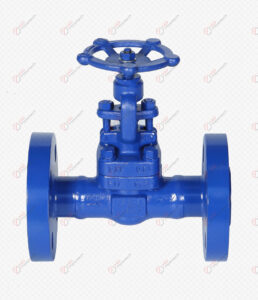
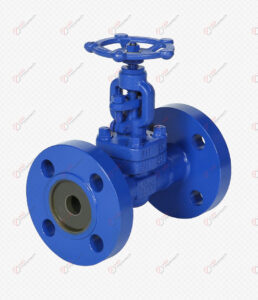
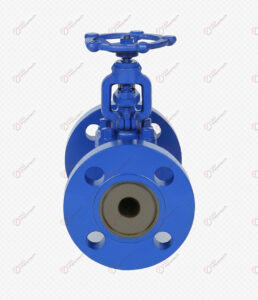
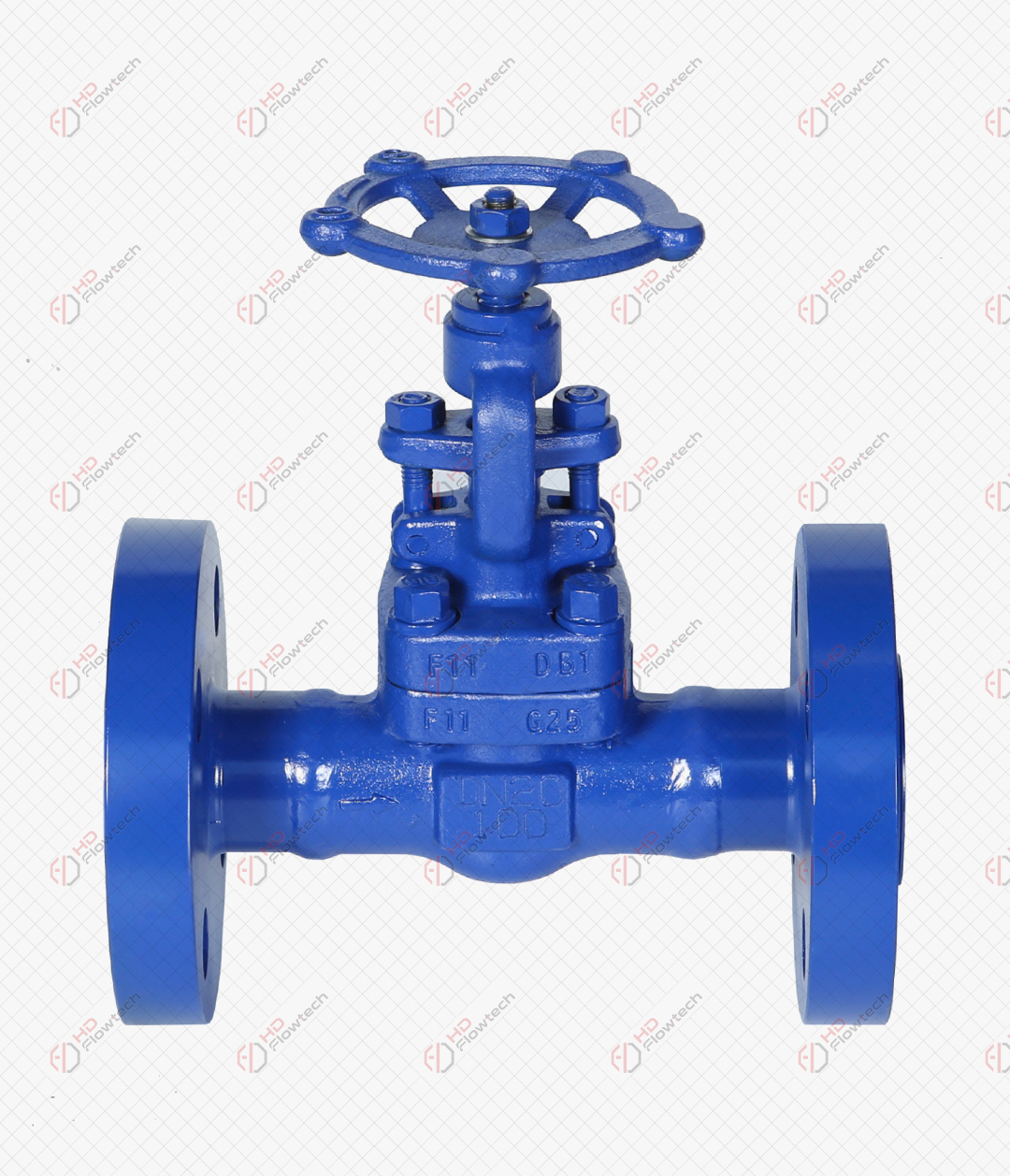
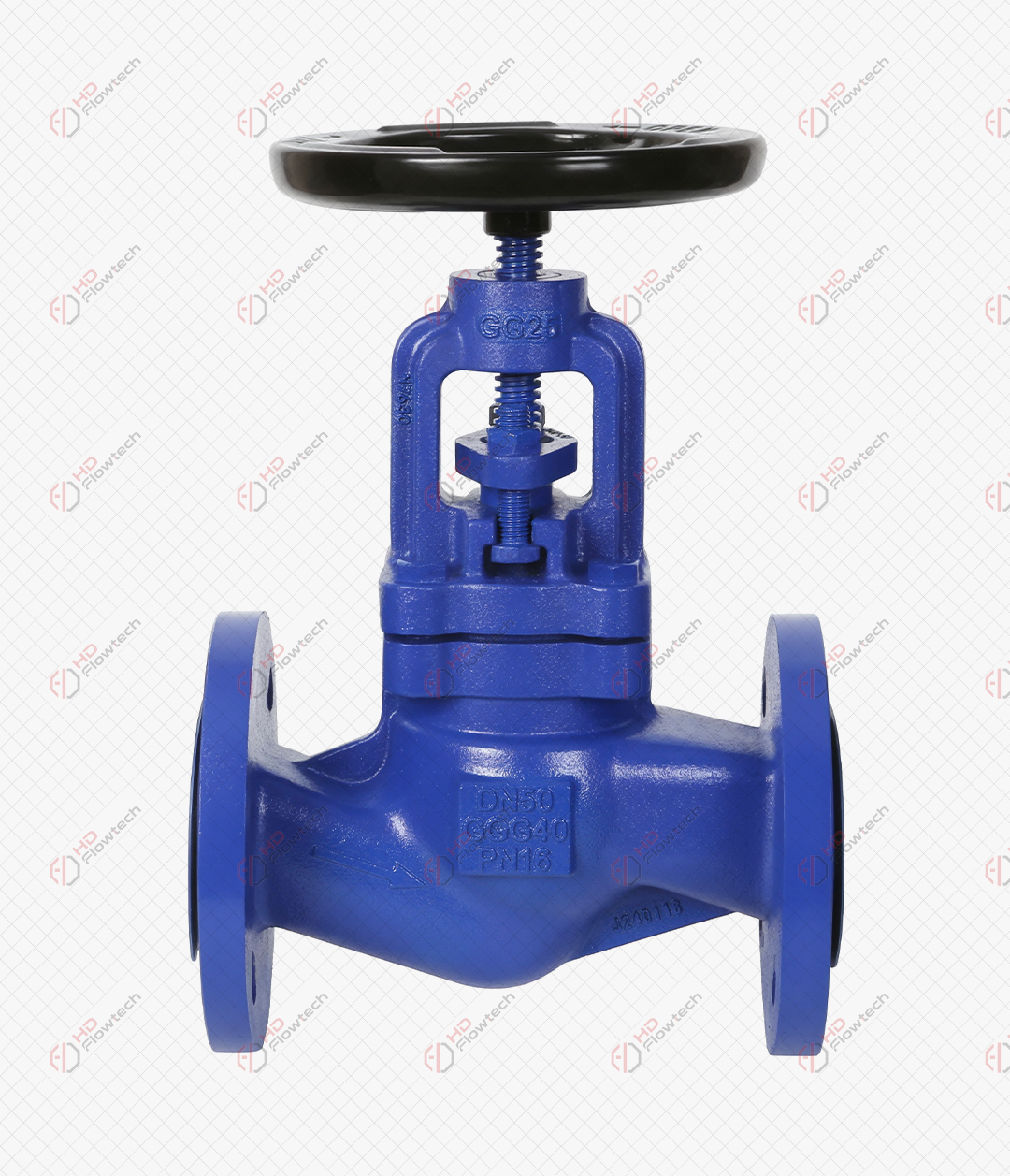
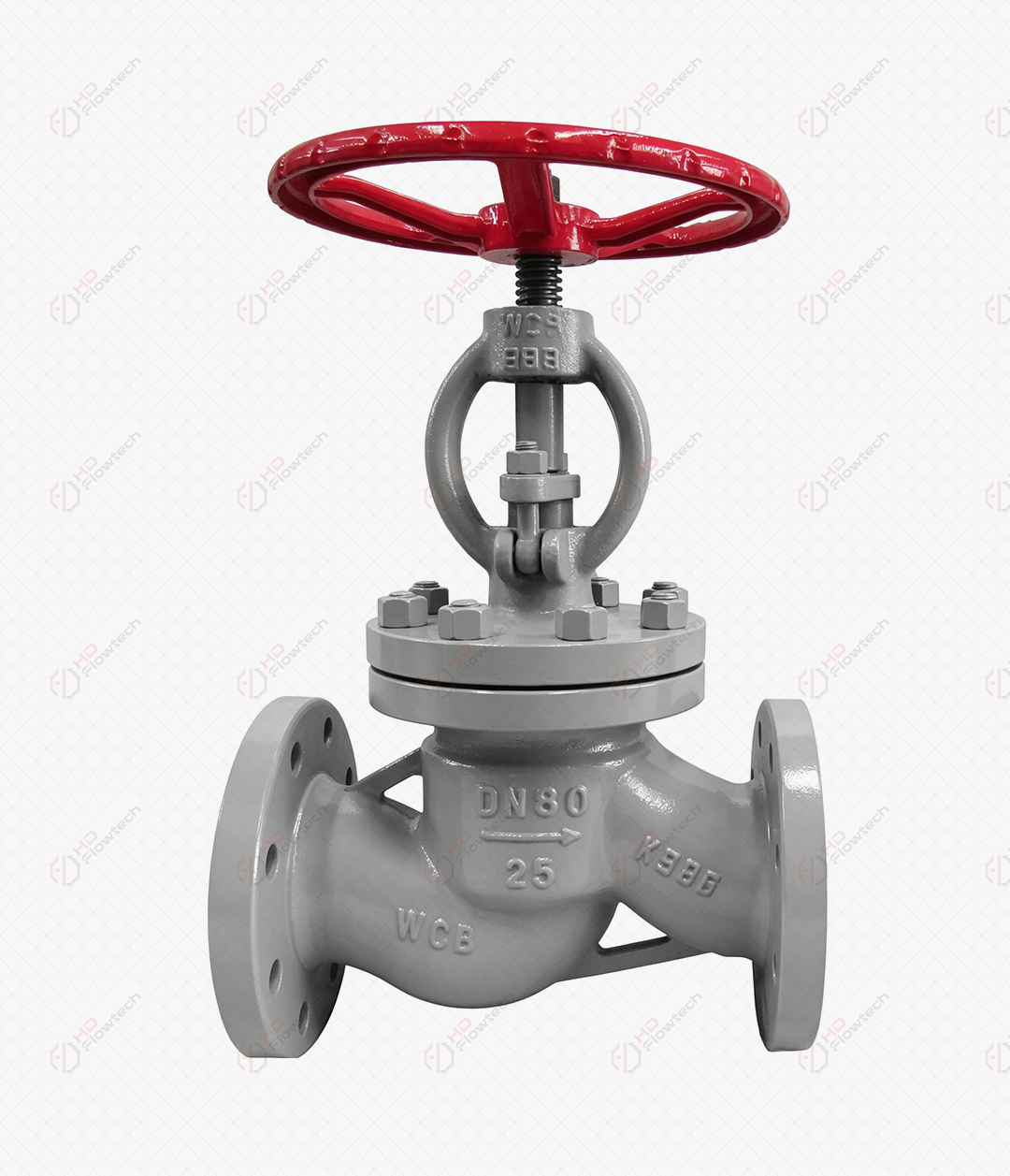
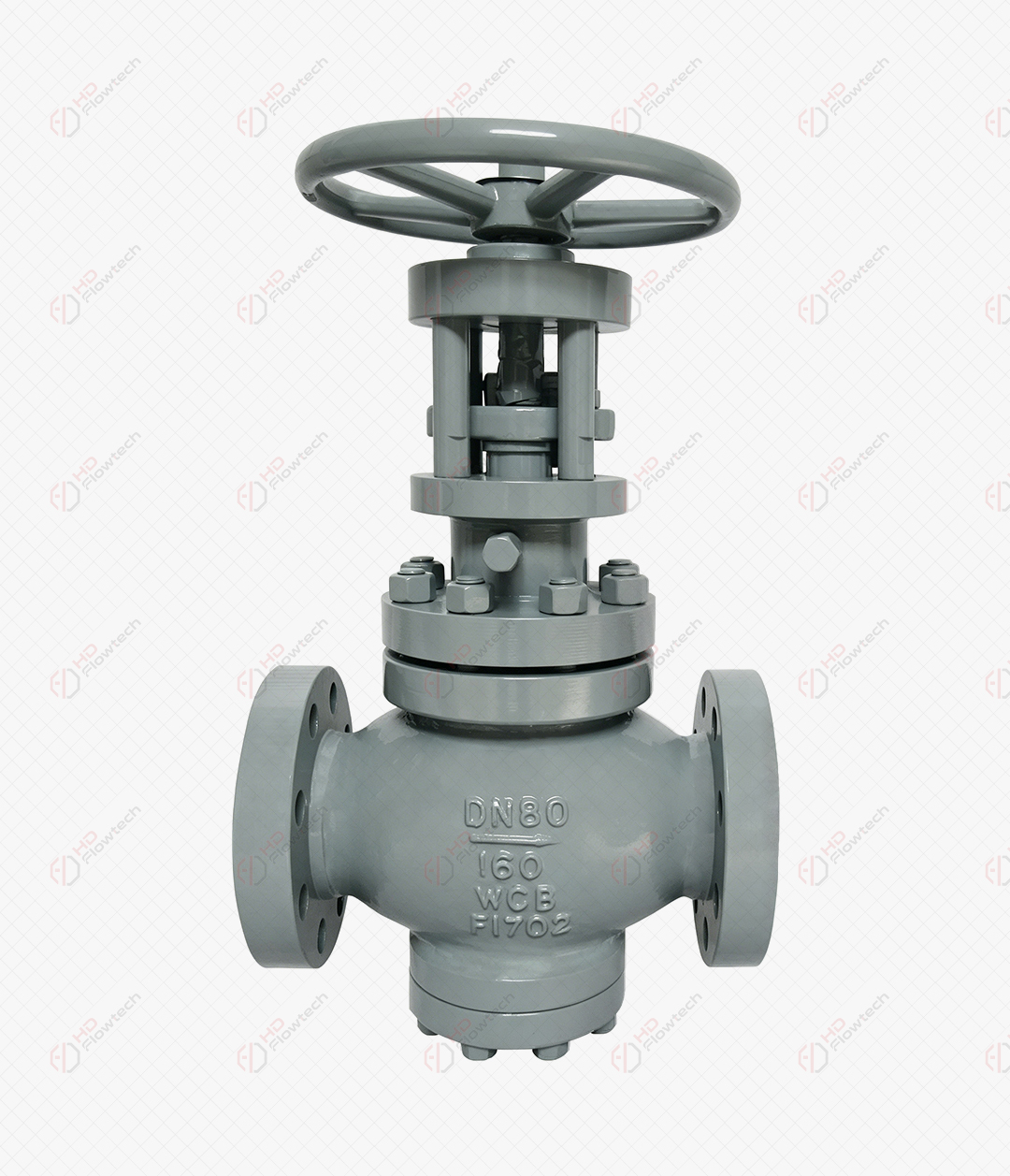
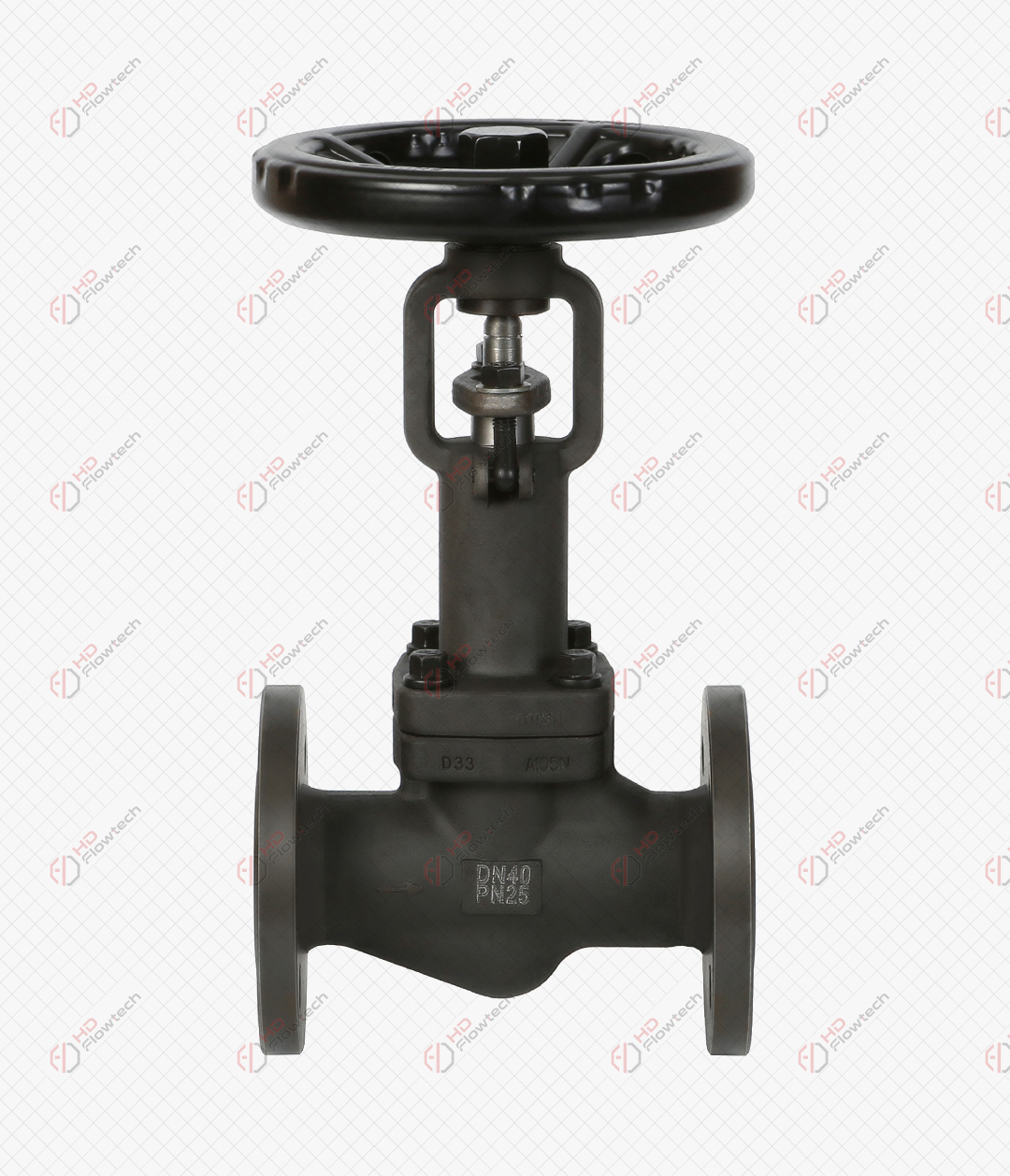
Forged steel globe valves are selected for isolation and throttling service in high-temperature, high-pressure, and small-bore process applications where cast steel body construction is not suitable due to pressure class, material homogeneity, or elevated temperature requirements. The forged body eliminates casting porosity and provides consistent mechanical properties under thermal cycling conditions — critical for steam, boiler feed water, and high-temperature hydrocarbon service where cast bodies are prone to stress concentration and fatigue failure over extended service life.
Alloy steel grades (F11, F22, F91) are specified for service temperatures exceeding the limits of carbon steel (A105N), providing creep resistance and long-term structural integrity in high-temperature steam lines, superheater headers, and high-pressure process piping at temperatures up to 600°C. Stellite-overlaid seats and discs are standard for high-temperature and erosive service, preventing seat wire drawing and galling under high-velocity steam and process flow conditions.
Body material selection is determined by operating temperature and fluid compatibility — carbon steel (A105N) for standard service up to 425°C, F11 (1.25Cr-0.5Mo) for service up to 550°C, F22 (2.25Cr-1Mo) and F91 (9Cr-1Mo) for the highest temperature applications up to 600°C, and stainless steel (F304, F316) for corrosive process service. Design standards API 602 and ASME B16.34 govern forged steel globe valves for small-bore high-pressure and high-temperature service across all material grades.