Steam Trap

Ball Float Steam Trap

Pressure Rating
PN16 – PN63 / Class 150 – 600
Body Material
WCB / LCB / WC6 / WC9 / Stainless Steel (CF8 / CF8M)
Trim Material
SS304 / SS316 / Hardened Stainless Steel / Stellite Overlay
Type
Float & Thermostatic (F&T) / Inverted Bucket / Thermodynamic Disc / Thermostatic (Bellows / Bimetallic)
End Connections
Threaded (NPT / BSP) / Flanged / Butt-weld / Socket-weld
Working Temperature
-20°C to 425°C (depending on type and material selection) Float & Thermostatic: up to 250°C Thermodynamic Disc: up to 425°C Thermostatic (Bellows / Bimetallic): up to 300°C
Design Standards
ISO 6552 / ASME B16.34 / EN 26704 / GB/T 12250
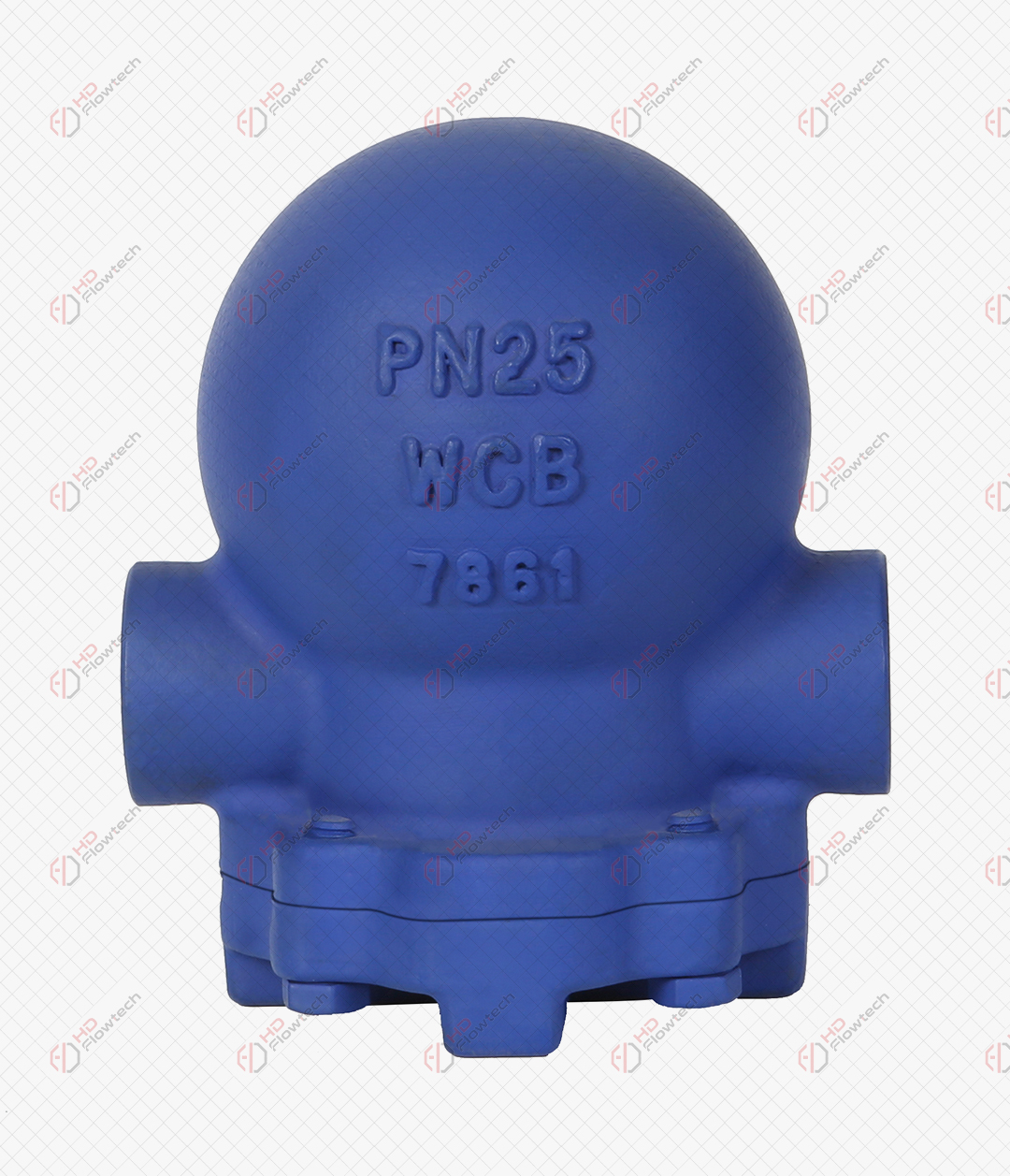
In the picture is a ball float steam trap, with a cast carbon steel body (WCB), typically epoxy-coated for corrosion protection, designed to automatically discharge condensate while preventing live steam loss. The spherical upper chamber houses a float mechanism that rises and falls with condensate level, opening the valve to continuously drain condensate and closing when steam is present, ensuring efficient heat transfer and system energy efficiency. Internal components are usually stainless steel for corrosion resistance and durability. This type of steam trap is widely used in steam systems, including heat exchangers, steam tracing lines, condensate recovery systems, and process heating applications in power plants, petrochemical facilities, and industrial utilities, where continuous condensate removal and stable operation are critical.

Steam traps are specified where automatic removal of condensate, air, and non-condensable gases is required while preventing the loss of live steam. Their self-operating design ensures efficient heat transfer, reduces energy loss, and protects downstream equipment from water hammer and corrosion. By continuously discharging condensate and retaining steam, steam traps are essential components in steam systems, widely used in process heating, steam distribution, and condensate recovery applications across power plants, petrochemical facilities, and industrial utilities.

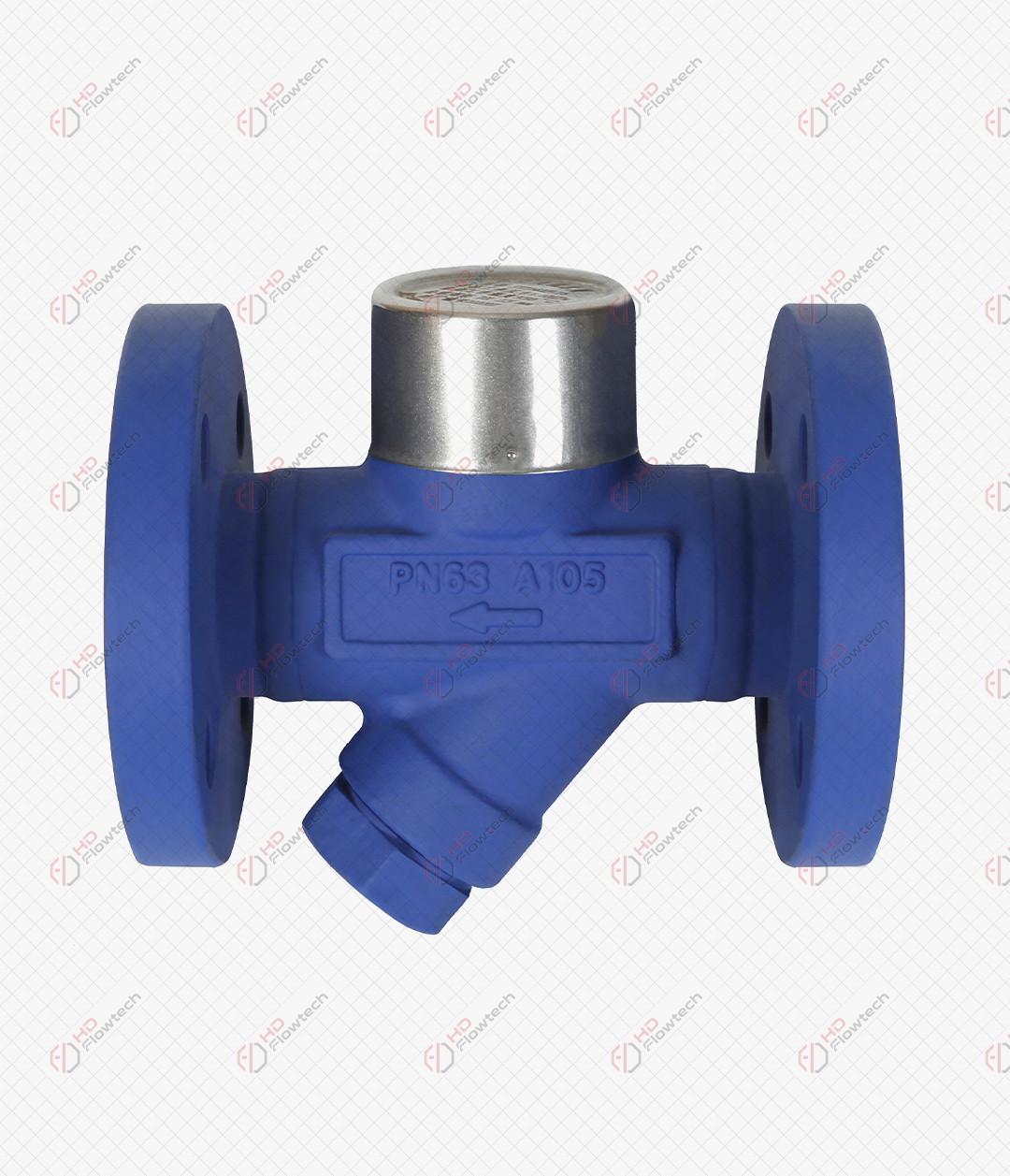
Steam trap types are selected based on operating principle and service conditions. Mechanical steam traps, such as float and thermostatic (F&T) traps and inverted bucket traps, operate based on density difference between steam and condensate, providing continuous condensate discharge and stable performance, making them suitable for heat exchangers, reboilers, and process equipment. Thermostatic steam traps operate based on temperature difference, using elements such as bellows or bimetallic strips to open and close, making them ideal for steam tracing, start-up venting, and applications where air removal is critical. Thermodynamic steam traps use dynamic effects of flash steam and velocity, featuring a simple and robust disc design, making them suitable for high-pressure steam lines, steam mains, and outdoor installations where durability and compactness are important.

Beyond standard designs, steam traps can be configured for specialized applications. Float steam traps provide continuous discharge and are preferred for applications requiring stable condensate removal. Inverted bucket traps are more resistant to water hammer and suitable for dirty or intermittent service. Thermodynamic disc traps are compact and highly durable for high-pressure systems. Balanced pressure thermostatic traps are commonly used in tracing lines and low-load applications where precise temperature control is required.

Steam trap construction varies depending on service requirements. Bodies are typically manufactured from cast carbon steel (WCB), stainless steel, or forged steel for higher pressure applications. Internal components (float, valve, seat, and trim) are usually stainless steel or hardened materials to ensure corrosion resistance and long service life. End connections include threaded, flanged, and welded types, providing flexibility for different piping systems. Integrated strainers and blowdown valves are often included to improve reliability and maintenance.

Steam traps are designed to operate across a wide pressure and temperature range depending on type and construction. Proper selection ensures optimal system efficiency, reduces steam loss, and extends equipment life.

Low Pressure — PN16 / PN25 / Class 150
For steam tracing, low-pressure heating systems, and general utility service. Thermostatic or float-type traps with cast body construction. Cost-effective solution for stable condensate removal and air venting.

Medium Pressure — PN40 / Class 300
For process equipment such as heat exchangers and condensate systems. Float & thermostatic or inverted bucket designs provide continuous discharge and reliable operation under varying loads.

High Pressure — PN63+ / Class 600+
For steam mains, high-pressure distribution lines, and critical applications. Thermodynamic disc traps or heavy-duty mechanical traps with forged or high-strength cast bodies, designed for durability, resistance to water hammer, and long service life in harsh conditions.

Get in Touch with Us

Thanks for all the renowned partners for the trust and recognition