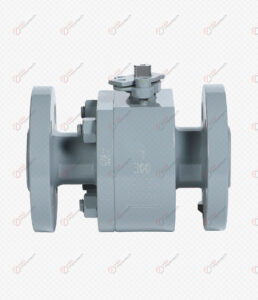
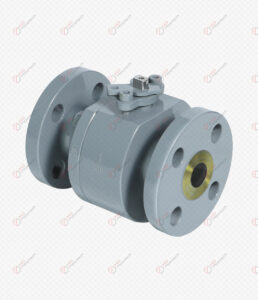
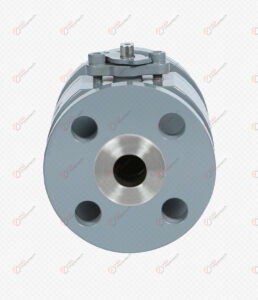
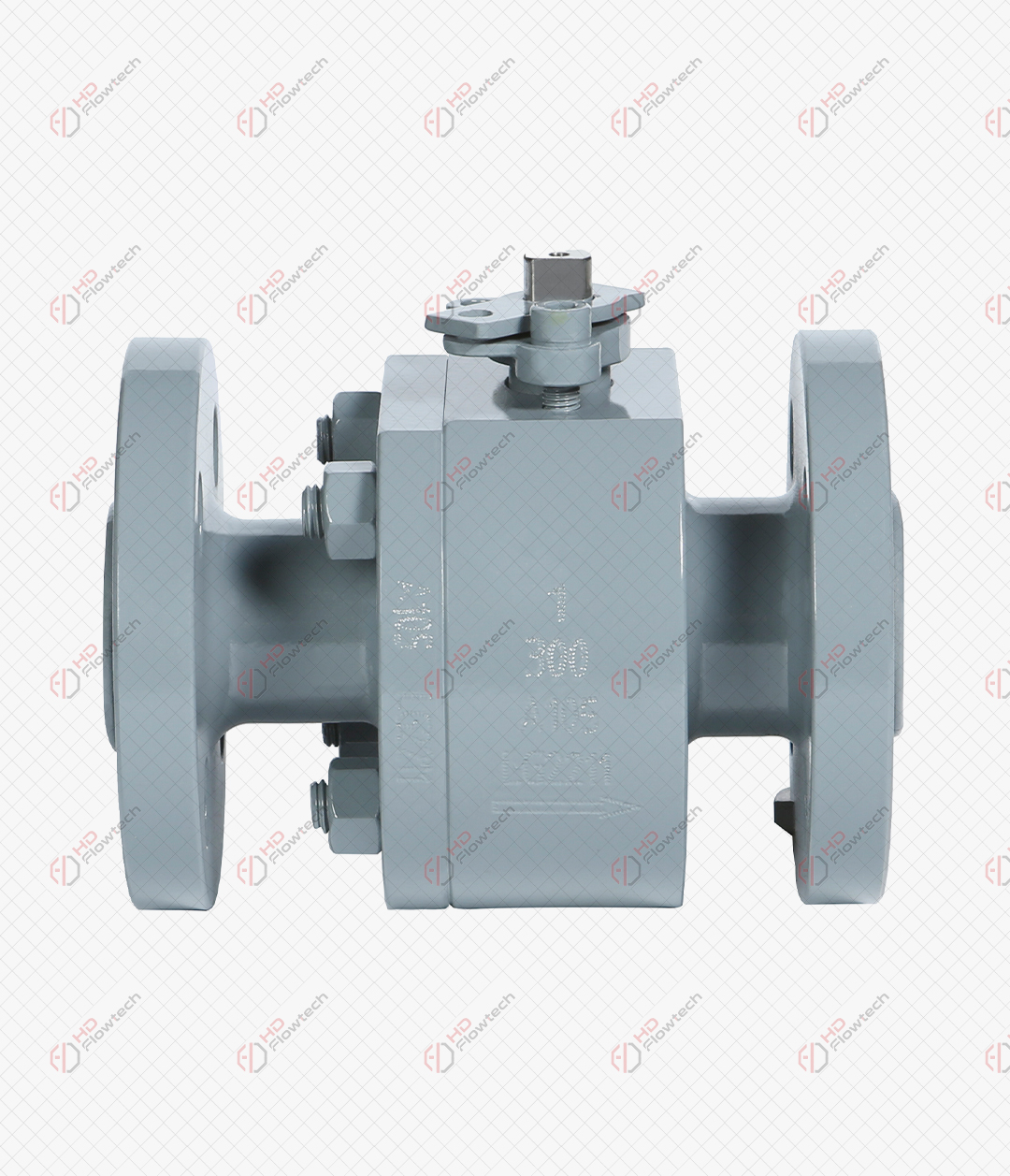
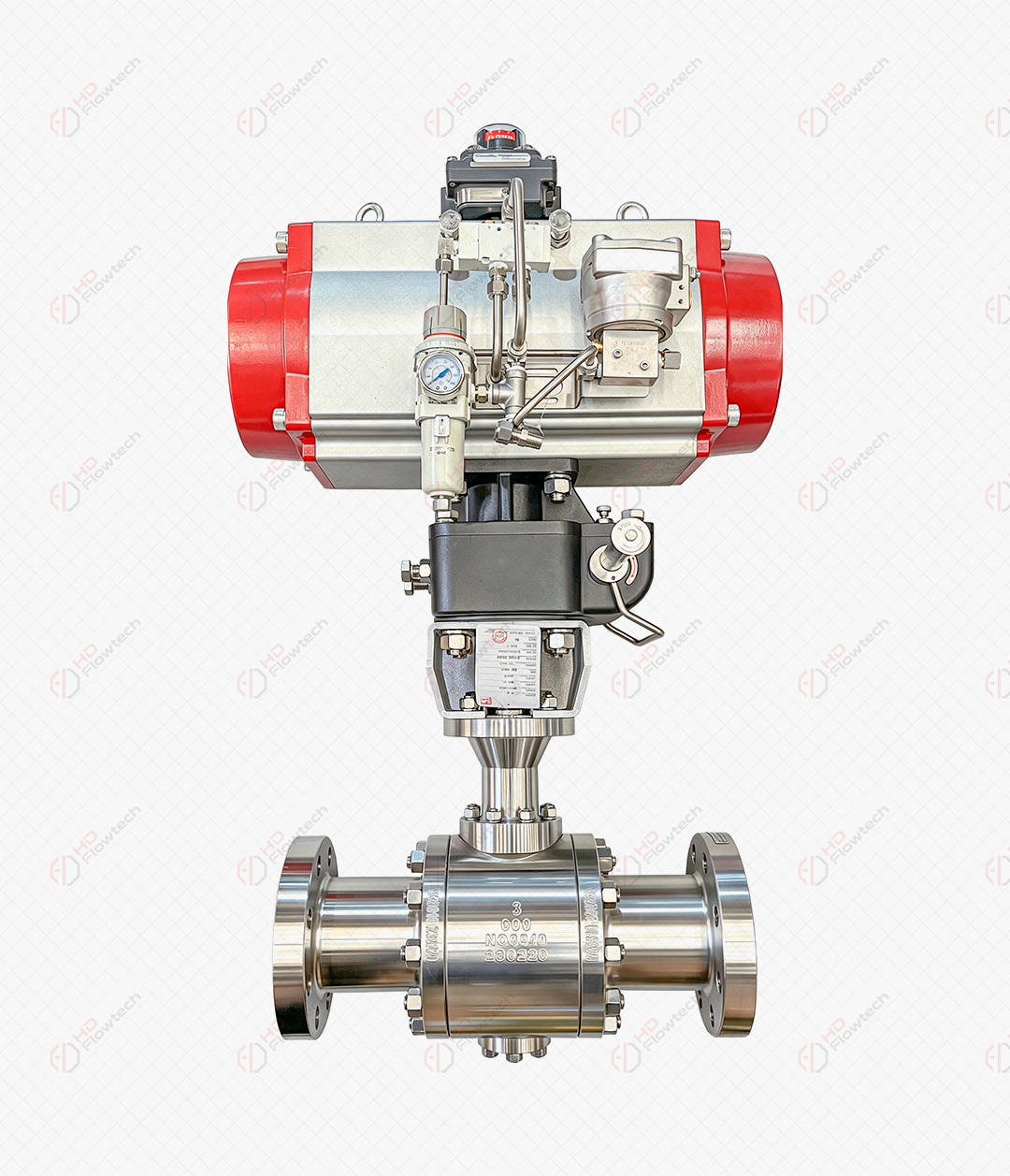
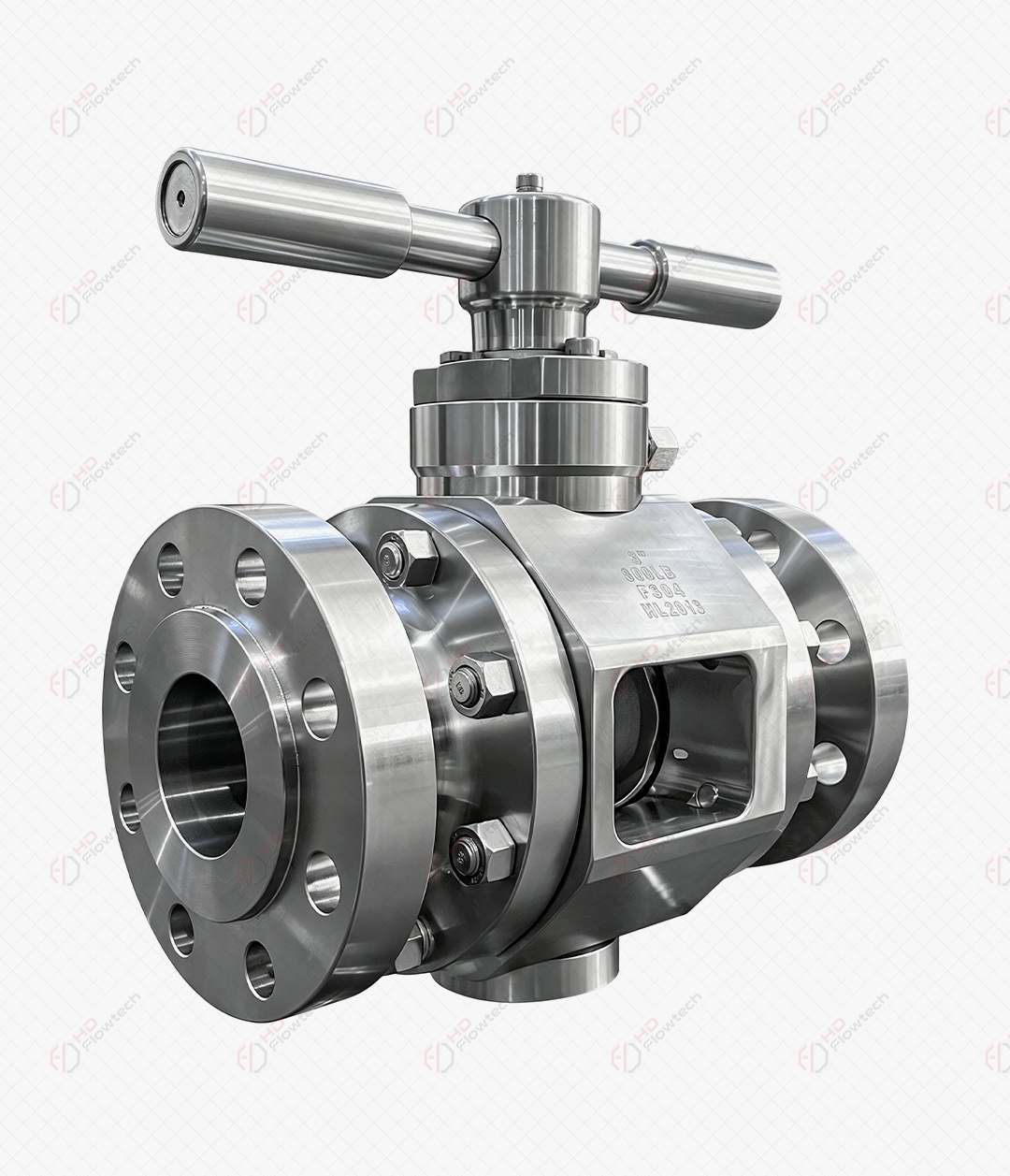
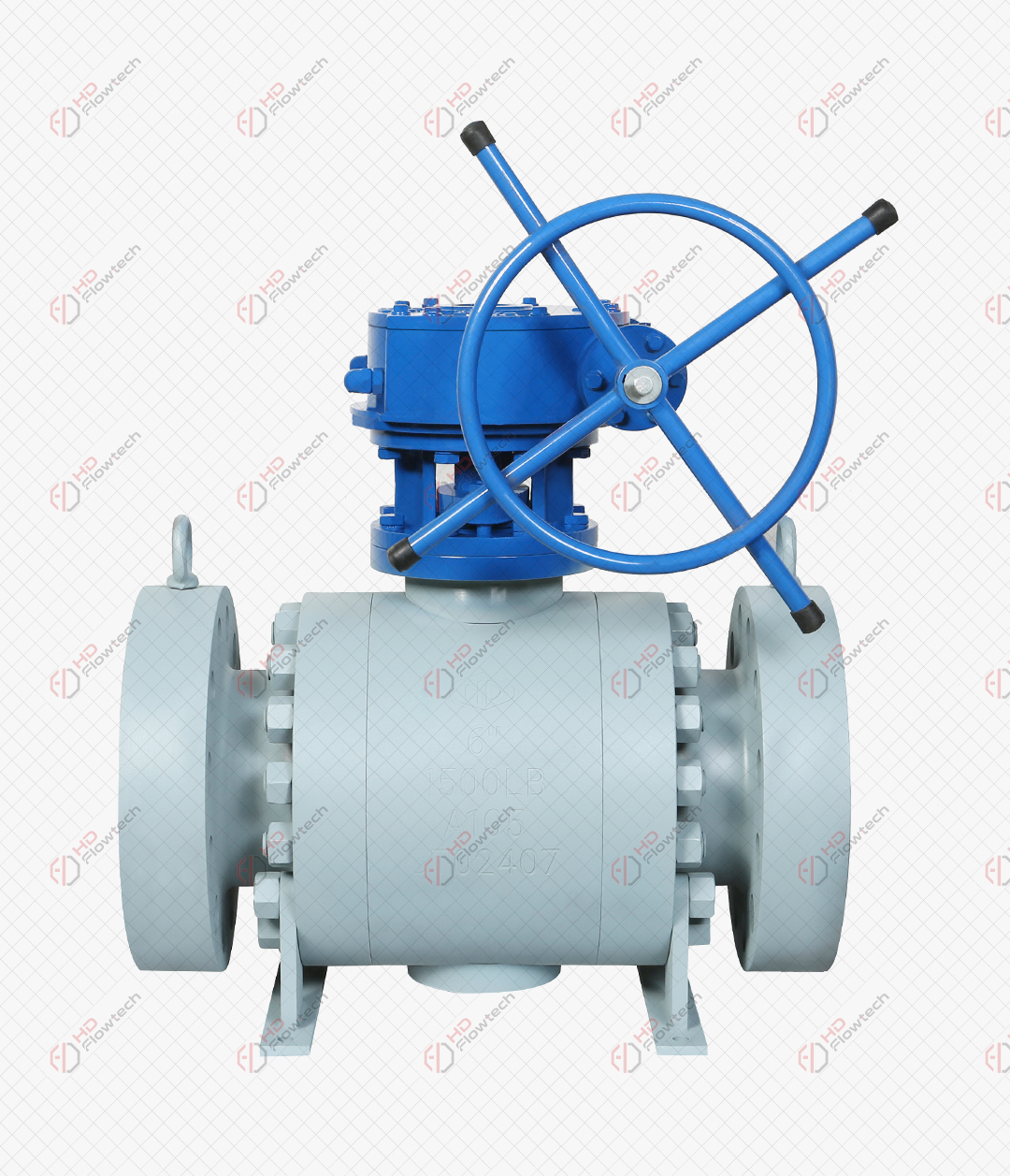
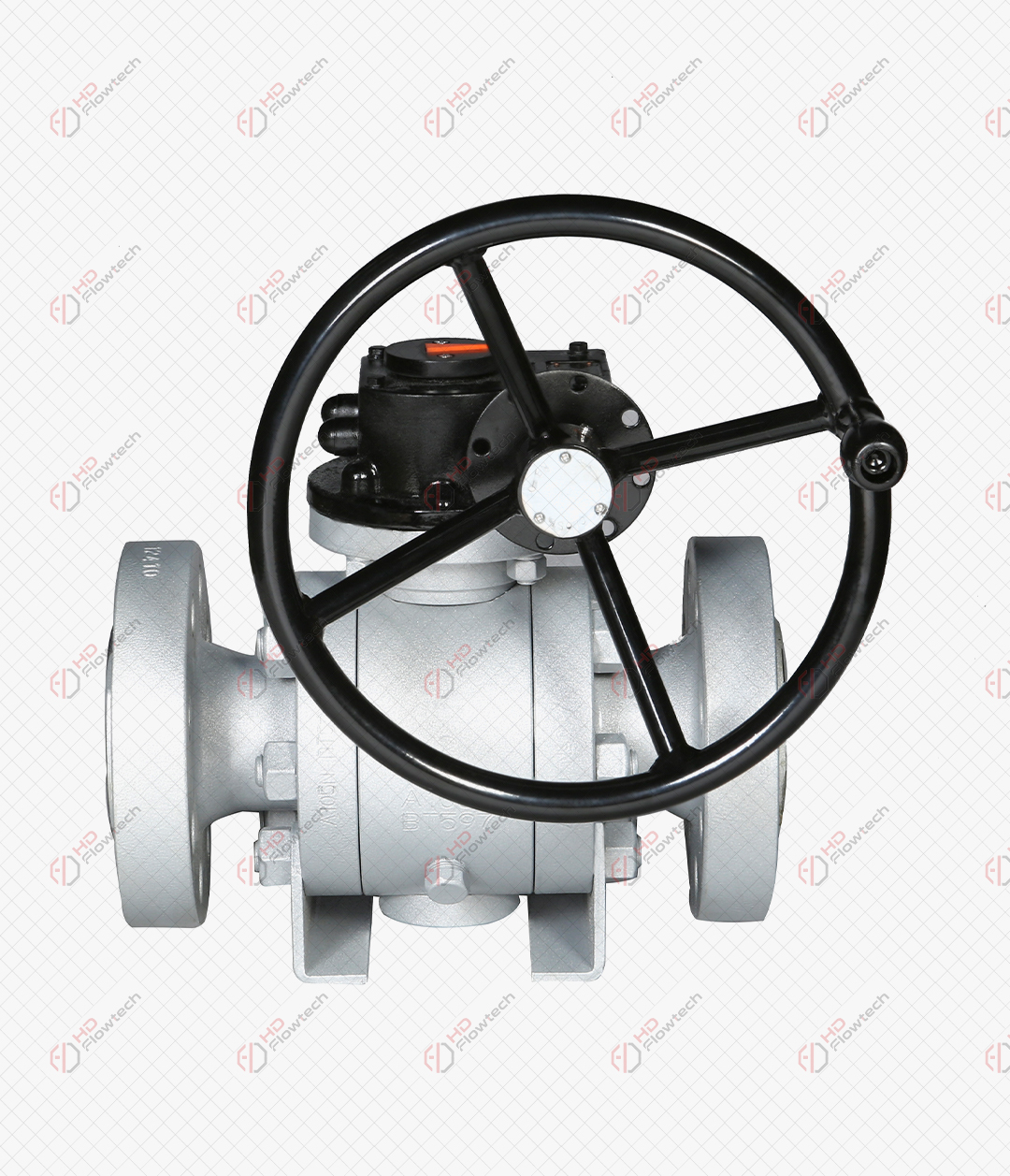
Forged steel floating ball valves are selected for fast on/off isolation service in small-bore, high-pressure process applications where forged body construction, compact installation, and quarter-turn operation are required. The forged body eliminates casting porosity and provides consistent mechanical properties throughout the valve body — critical for small-bore instrument isolation, chemical injection, and high-pressure utility service where material traceability and consistency are specification requirements.
Floating ball designs are the standard selection for small-bore service up to DN100 at Class 150–1500, where the pressure-seated ball against the downstream seat provides bubble-tight shut-off in a simple, lightweight construction without the added complexity and cost of trunnion-mounted designs. PTFE and RPTFE seats are standard for general process service up to 200°C, with PEEK seats selected for higher temperature applications and metal seats for steam, erosive, and high-temperature hydrocarbon service where soft seat materials would degrade.
ISO 5211 actuator mounting pads are standard on forged floating ball valves, providing direct actuator mounting compatibility for pneumatic, electric, and hydraulic actuators without additional bracket fabrication — reducing installation time and cost for automated process isolation and ESD applications. Body material selection follows service temperature and corrosion requirements — A105 for standard carbon steel service, F304 and F316 stainless steel for corrosive process media, and alloy steel grades (F11, F22) for high-temperature steam and process applications. Design standards API 6D, ASME B16.34, and BS 5351 govern forged steel floating ball valves for small-bore process and pipeline service