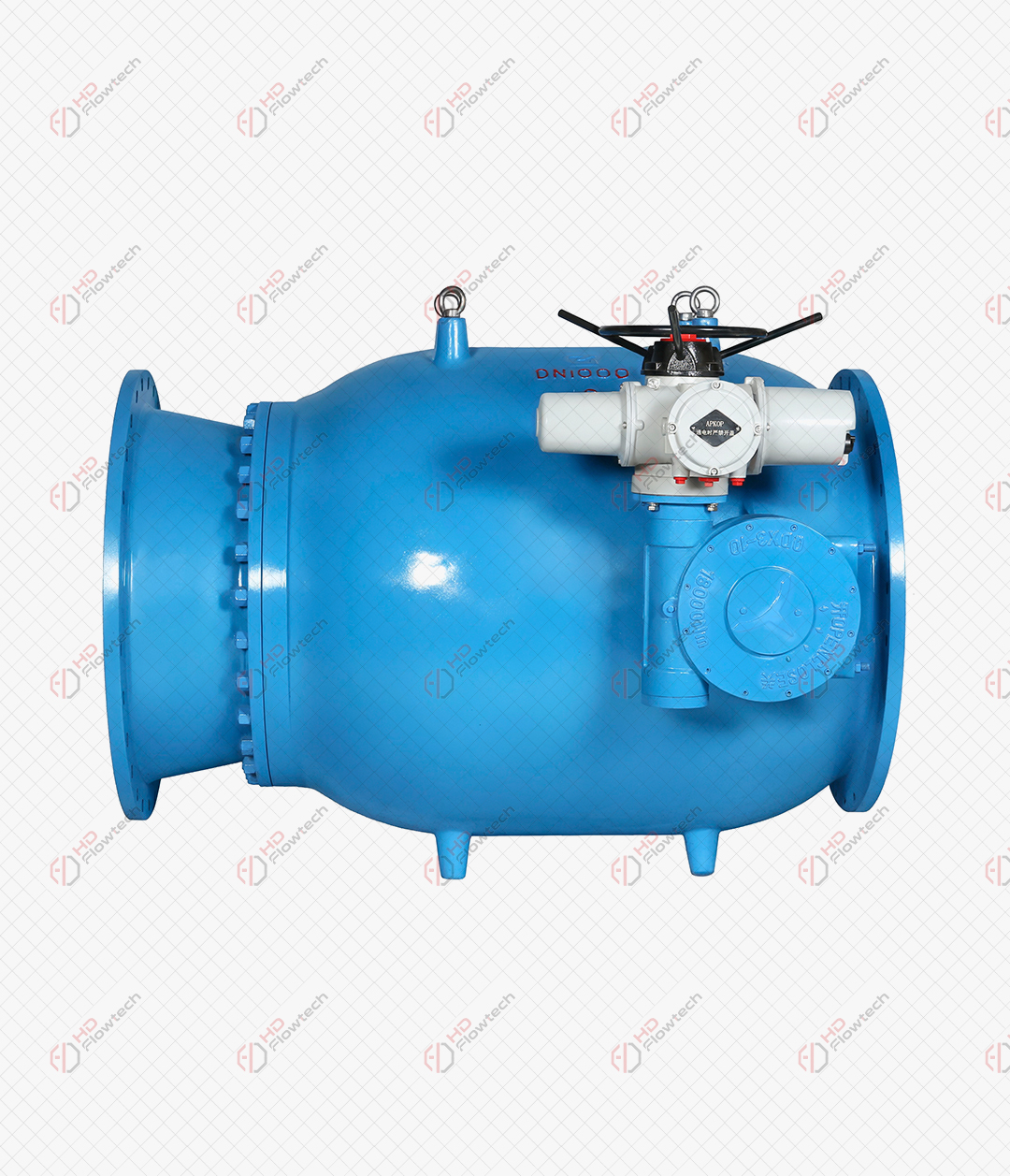
Ball Valve

High Cycle Metal Seated Ball Valve — Wear Resistant

Valve Type
Stainless Steel High Cycle Metal Seated Ball Valve — Wear Resistant Flanged Process Service
Size Range
DN15 – DN200 (1/2" – 8")
Pressure Class
PN50 – PN100 (Class 300 – 600)
Body Material
F304 / F316 / F304L / F316L / F51 Duplex / F53 Super Duplex
Seat Material
Metal Seat (Stellite Overlay / Tungsten Carbide / Chrome Carbide)
End Connections
Flanged (ASME B16.5) / Butt Weld / Socket Weld
Operation
Lever / Gear Operator / Pneumatic Actuator / Electric Actuator
Working Temperature
−196°C to 550°C
Design Standard
API 6D / ASME B16.34 / ISO 17292
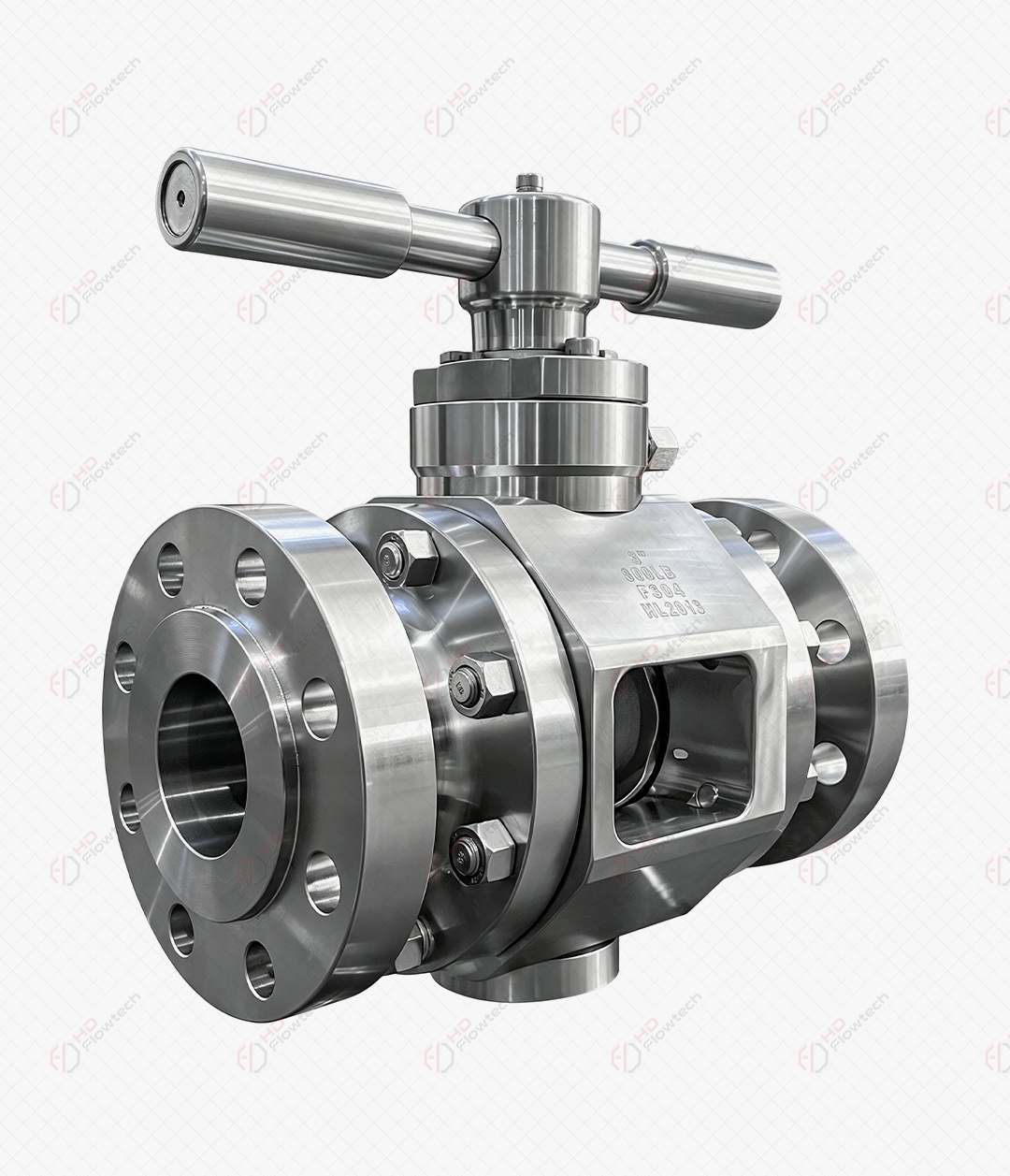
HD Flowtech stainless steel high cycle metal seated ball valves are engineered for demanding isolation service in high-frequency, high-temperature, and erosive process applications where soft seat designs would fail prematurely. The F304 stainless steel forged body provides excellent corrosion resistance and structural integrity at Class 300 operating pressures, suitable for steam service, high-temperature process lines, erosive slurry, and corrosive chemical applications. The metal-to-metal seating — with Stellite, tungsten carbide, or chrome carbide hard-faced ball and seats — provides reliable tight shut-off under high-temperature, high-velocity, and abrasive flow conditions where PTFE and elastomeric seats would erode and degrade rapidly. The three-piece body construction with side window opening allows full visual inspection of the ball and seat condition without removing the valve from the pipeline — a critical maintenance feature for high-cycle applications where seat wear monitoring is essential to predict maintenance intervals. The T-bar lever provides direct quarter-turn manual actuation with positive tactile feedback, suitable for frequent operation in high-cycle process control and isolation duty. Flanged end connections to ASME B16.5 Class 300 ensure direct integration into standard process pipeline flange systems.

Ball Valve Technical Overview

How to Choose the Right Ball Valve for Industrial Applications

Metal seated ball valves are selected for high-cycle, high-temperature, and erosive service conditions where soft seat designs — PTFE, RPTFE, or elastomeric — are not suitable due to temperature limitations, abrasive media, or high cycle frequency causing premature seat wear and sealing failure. Hard-faced metal seats (Stellite overlay, tungsten carbide, chrome carbide) provide reliable tight shut-off under conditions that would rapidly degrade soft seat materials, making metal seated ball valves the standard specification for steam isolation, thermal power generation, erosive slurry service, and high-cycle process control duty.


Three-piece body construction is preferred for high-cycle metal seated ball valves, allowing ball and seat inspection and replacement without pipeline disconnection — reducing maintenance downtime and extending overall valve service life in demanding process applications. Tungsten carbide and chrome carbide hard-facing provide superior abrasion resistance for erosive slurry and particulate-laden flow, while Stellite overlay is standard for high-temperature steam and corrosive chemical service where thermal stability and corrosion resistance are the primary seat material requirements.


Body material selection follows process fluid and temperature requirements — F304 and F316 stainless steel for corrosive and high-temperature process service, duplex and super duplex grades for aggressive chemical and offshore environments, and carbon steel (A105) for high-temperature steam service where corrosion is not a concern. Design standards API 6D and ASME B16.34 govern metal seated ball valve pressure-temperature ratings and design requirements across all material grades and service conditions.

Learn More About Ball Valve

How to Choose the Right Ball Valve for Industrial Applications

Get in Touch with Us

Thanks for all the renowned partners for the trust and recognition