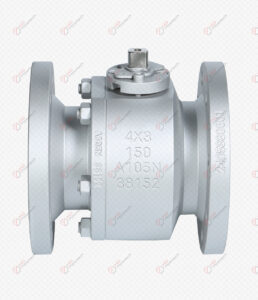
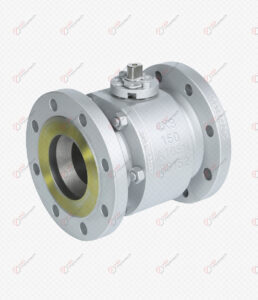
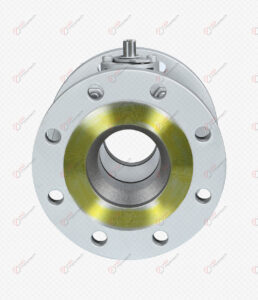
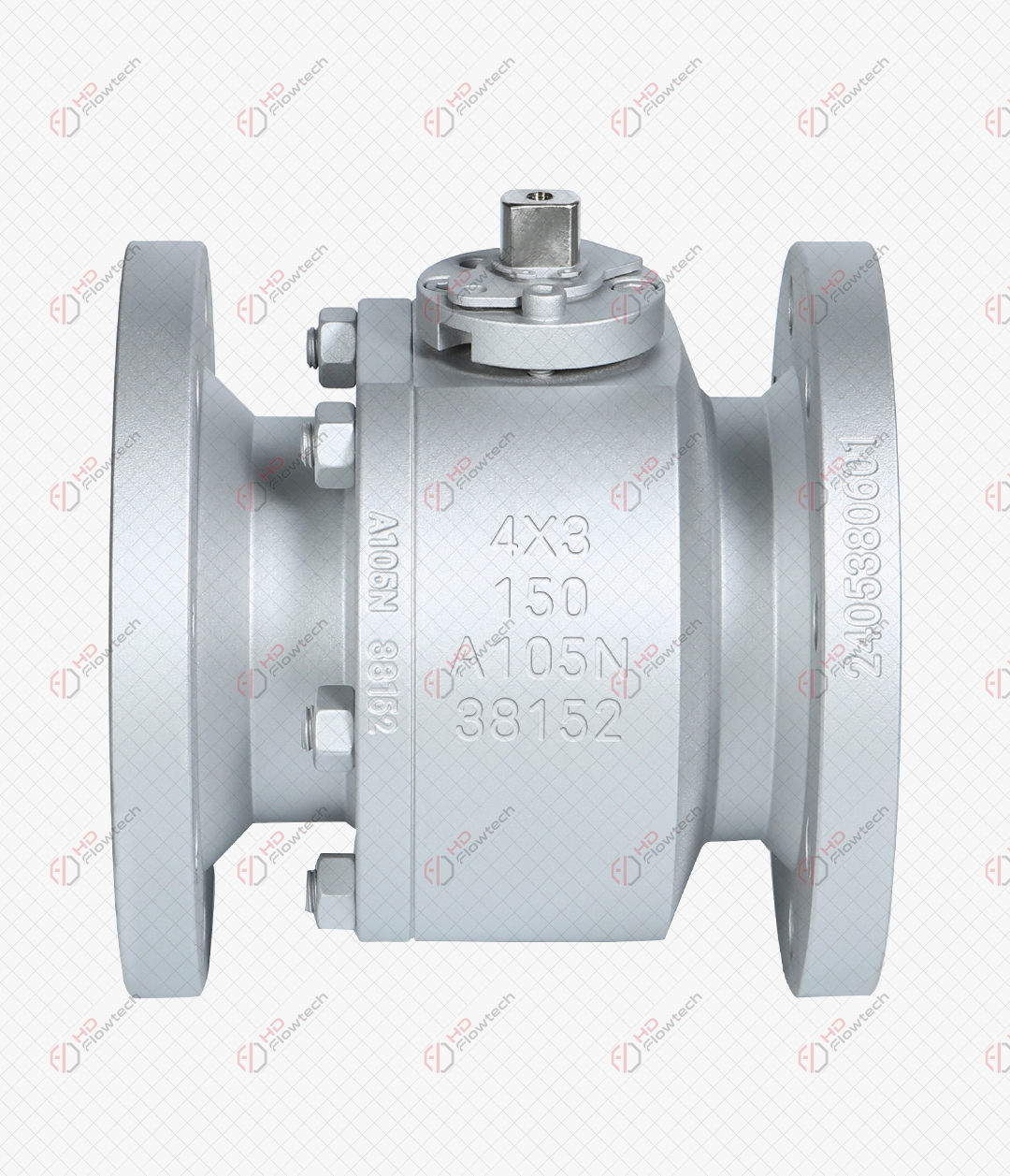
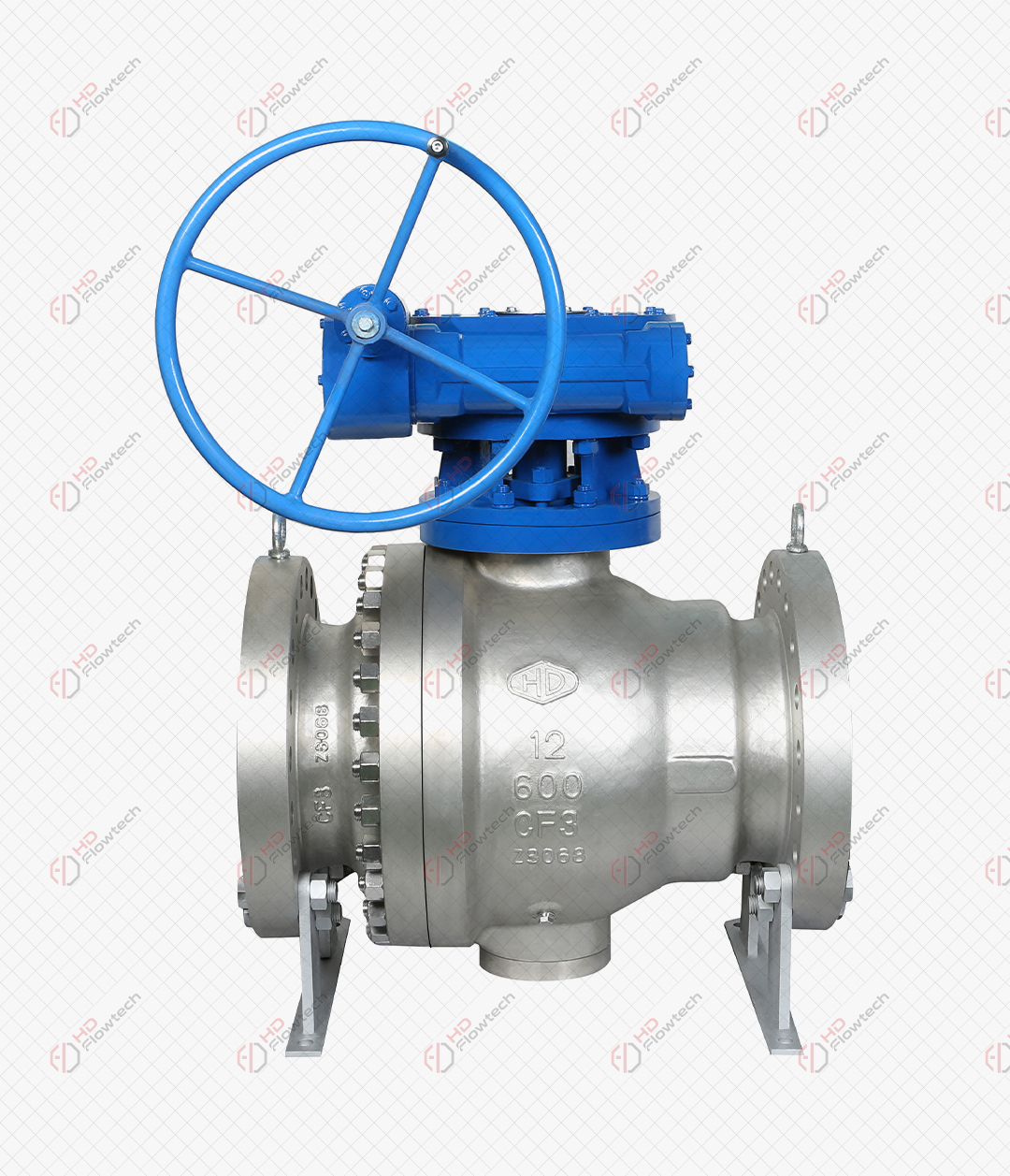
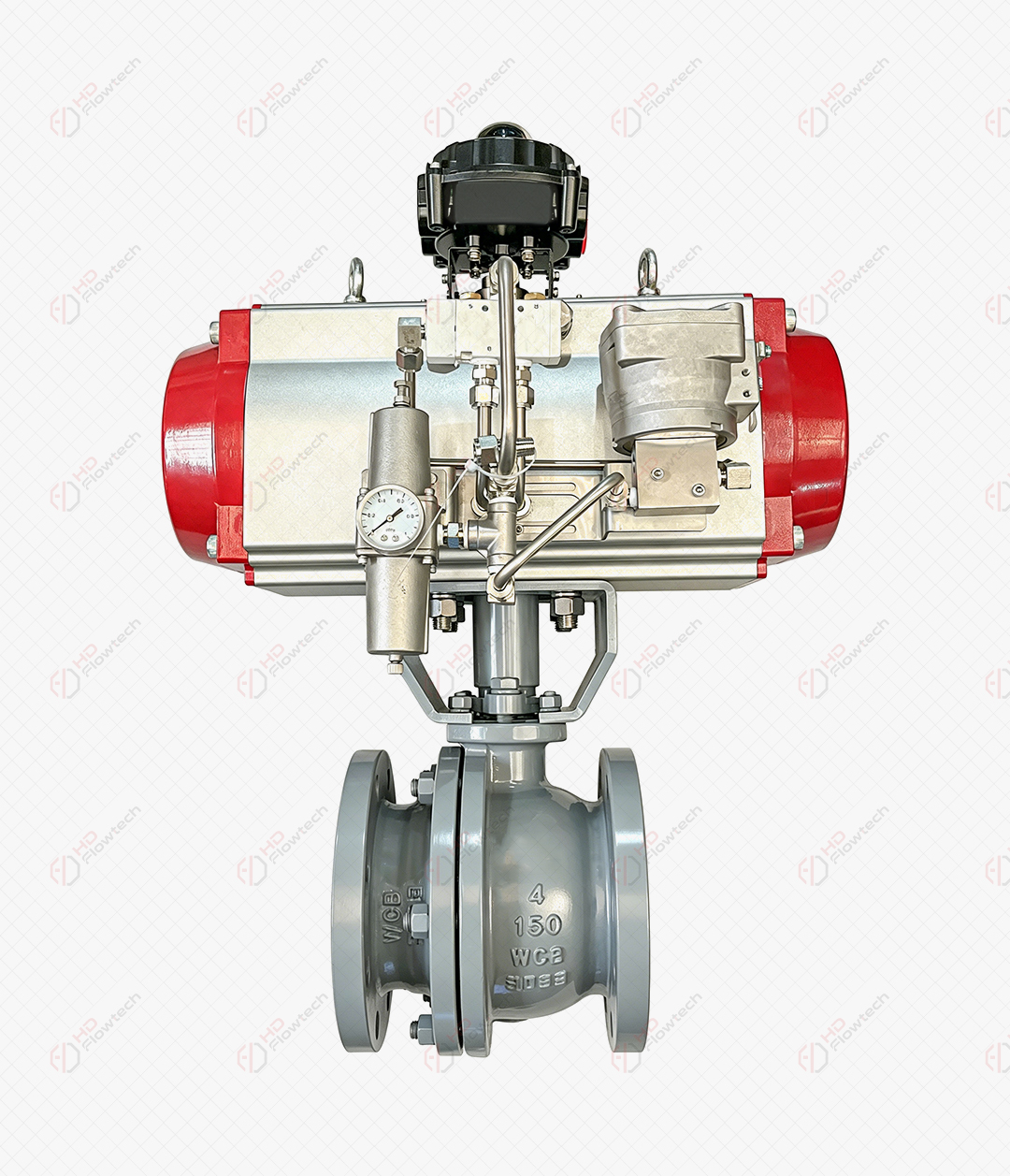
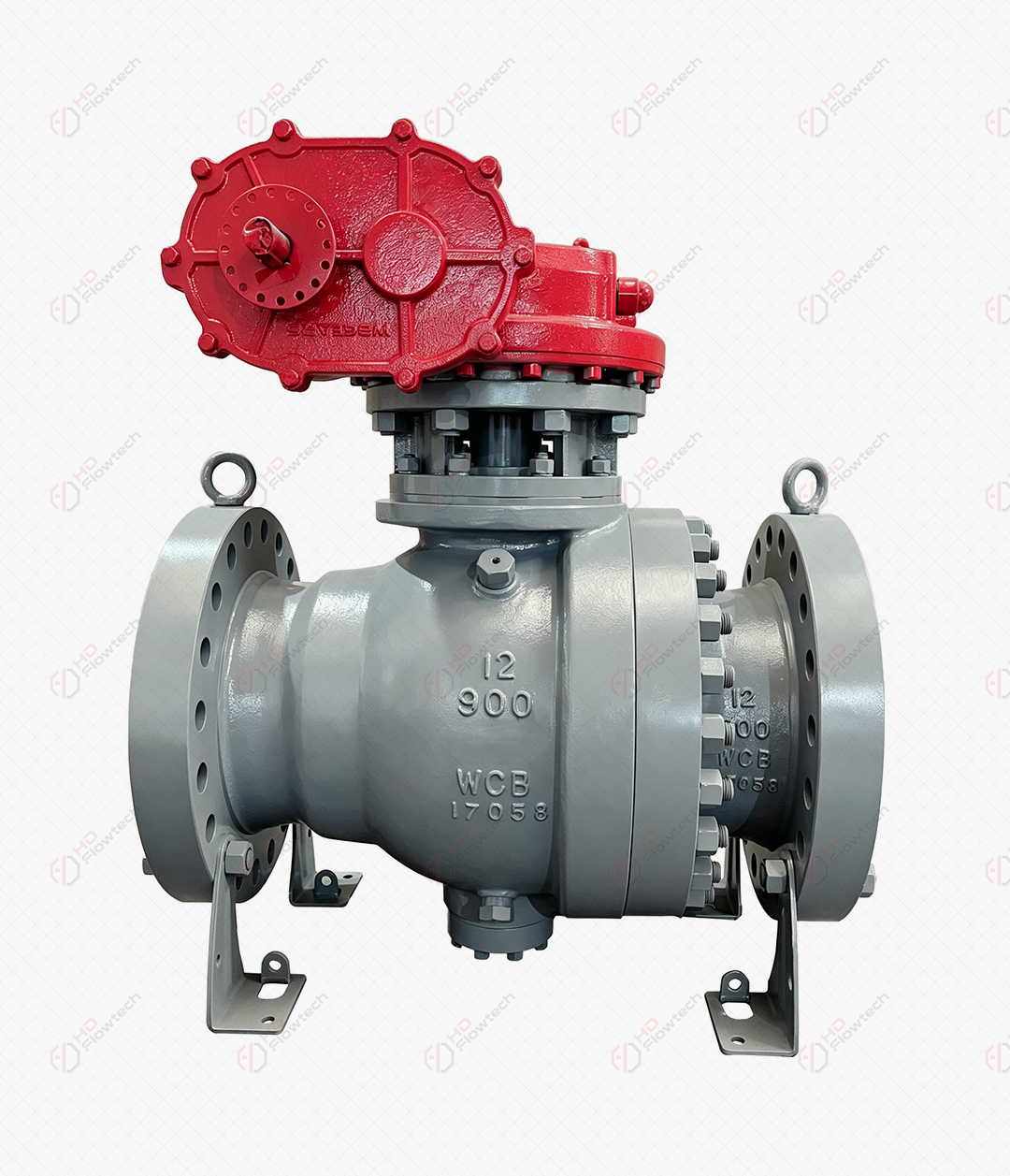
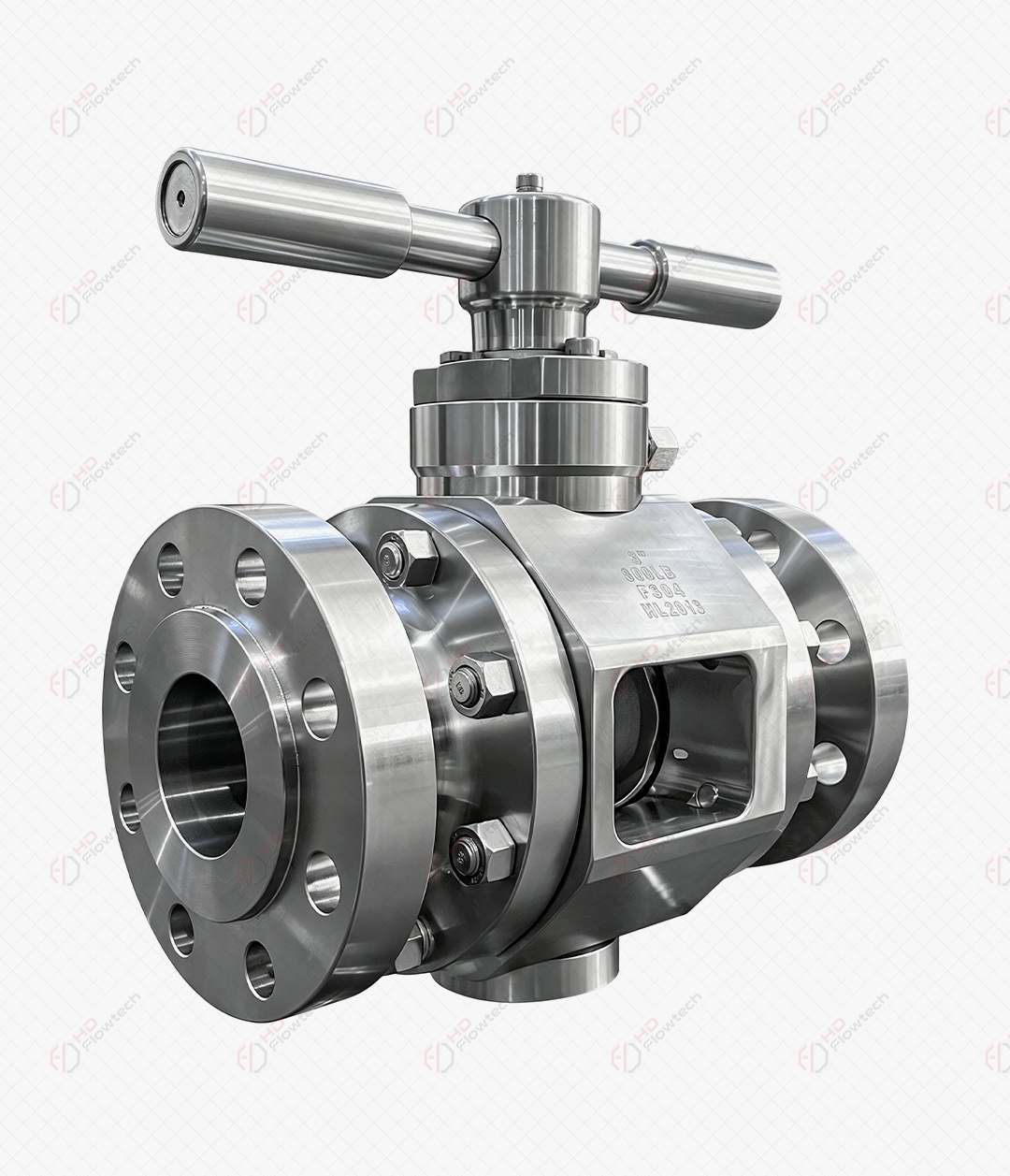
Reduced bore ball valves are selected for on/off isolation service in process and utility pipeline systems where full-bore flow capacity is not required and the reduced valve size, weight, and cost of a reduced bore design offer practical installation and procurement advantages. The reduced bore design accepts a smaller ball and seat assembly within a larger flanged body — providing a cost-effective isolation solution for applications where pressure drop across the valve is acceptable and inline pigging or flow measurement are not required.
Forged steel body construction (A105N, F304, F316) is specified for reduced bore ball valves in high-pressure and critical process applications, providing material homogeneity and mechanical consistency that cast body alternatives cannot reliably deliver at small-to-medium bore sizes. Floating ball construction is standard for reduced bore designs at Class 150–600, where the downstream pressure-seated ball provides reliable bubble-tight shut-off without the added complexity of trunnion-mounted designs.
Reduced bore valves are distinguished from full-bore designs by their Cv flow coefficient, which is lower due to the restricted bore diameter — an important consideration for pressure drop calculations in process system design. Where full-bore flow capacity, pigging compatibility, or minimal pressure drop are required, full-bore trunnion or floating ball valve designs should be selected instead. Body material selection follows standard ball valve criteria — A105N for general carbon steel service, stainless steel (F304, F316) for corrosive media, and alloy steel for high-temperature applications. Design standards API 6D, ASME B16.34, and BS 5351 govern reduced bore forged steel ball valves for process and pipeline service.