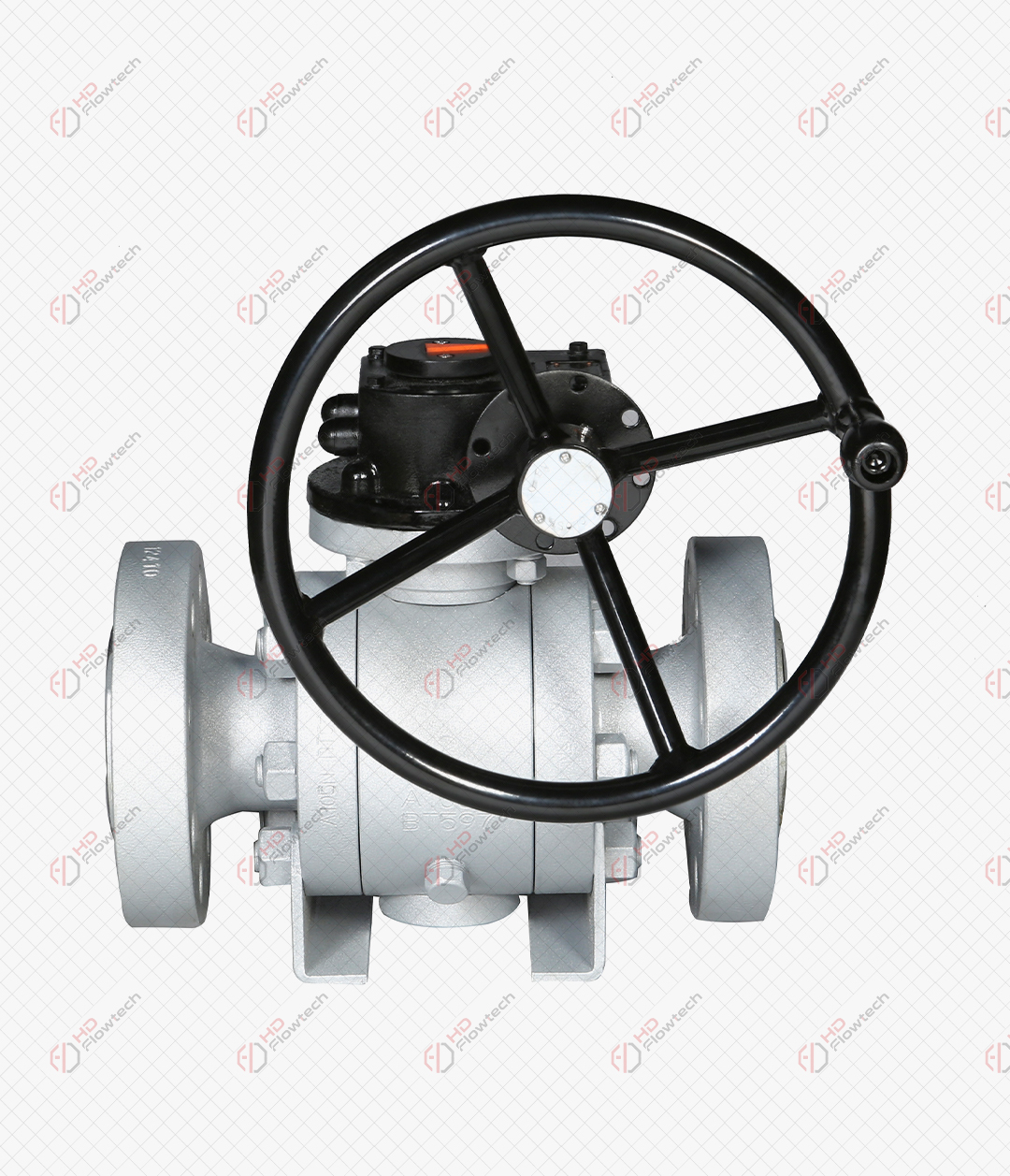
Ball Valve

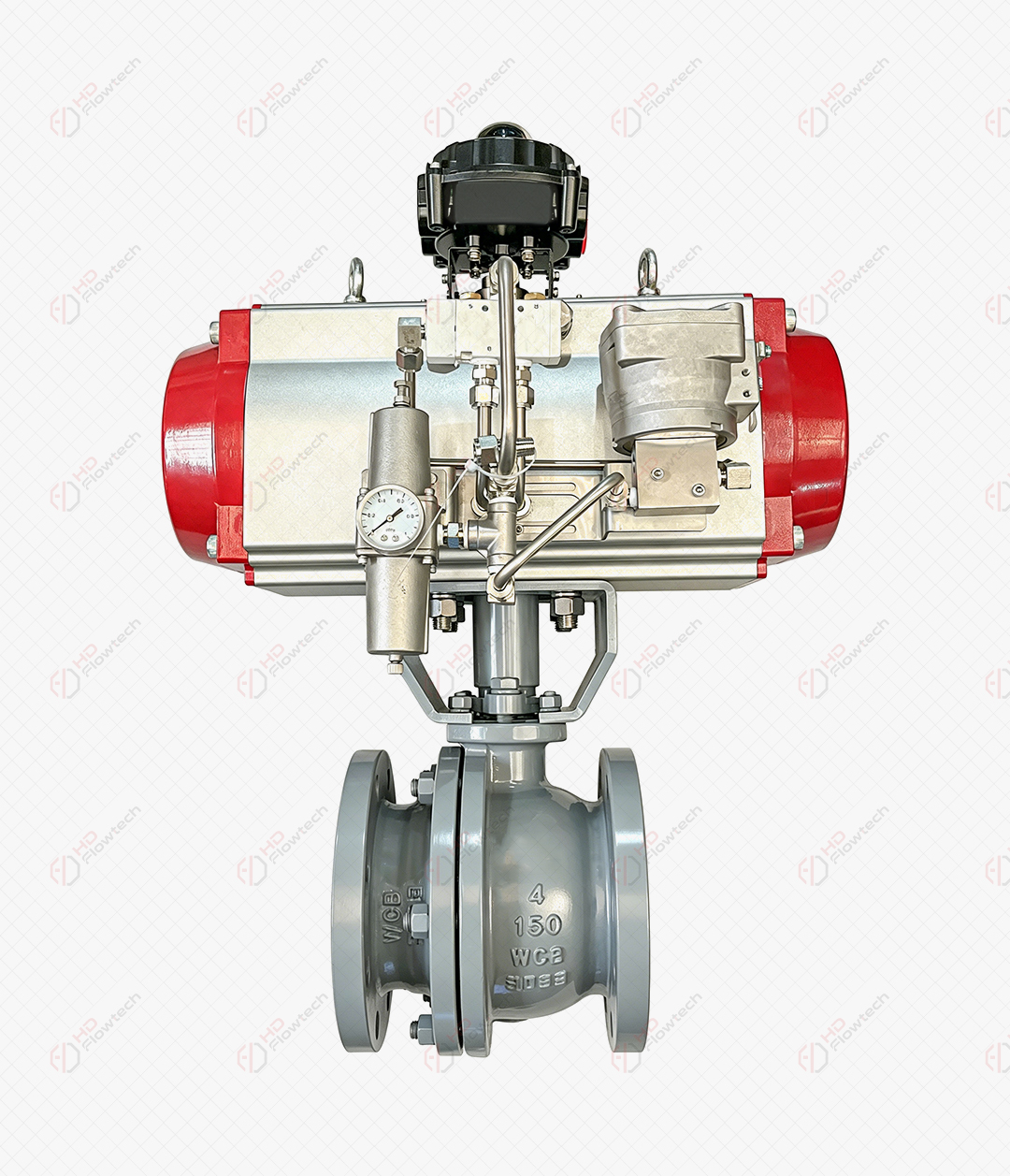
Cast Steel Floating Ball Valve — Pneumatic Actuated General Process Service

Valve Type
Cast Steel Floating Ball Valve — Pneumatic Actuated General Process Service
Size Range
DN15 – DN300 (1/2" – 12")
Pressure Class
PN20 – PN50 (Class 150 – 300)
Body Material
WCB / CF8 / CF8M / LCB / F51 Duplex
Seat Material
PTFE / RPTFE / Nylon / Metal Seat (Stellite Overlay)
End Connections
Flanged (ASME B16.5) / Butt Weld / Screwed
Operation
Pneumatic Actuator / Electric Actuator / Gear Operator / Lever
Working Temperature
−29°C to 200°C (PTFE Seat) / up to 425°C (Metal Seat)
Design Standard
API 6D / ASME B16.34 / ISO 17292
HD Flowtech cast steel floating ball valves are designed for fast, reliable on/off isolation service in general process and utility pipeline systems. The WCB carbon steel cast body provides reliable structural integrity at Class 150 operating pressures, suitable for process plant isolation, utility service, general industrial piping, and automated on/off control duty. The floating ball design uses pipeline pressure to push the ball against the downstream seat, providing tight bubble-tight shut-off in a simple, compact construction — making it a cost-effective solution for general process service at Class 150–300 where trunnion-mounted designs are not required. The spring-return pneumatic actuator provides fail-safe operation — defaulting to either open or closed position on loss of instrument air supply — a critical requirement for automated process isolation and emergency shut-down duty. An integrated FRL unit conditions instrument air supply to the actuator, while the limit switch assembly provides open/closed position signals to the distributed control system. Flanged end connections to ASME B16.5 Class 150 allow direct integration into standard process pipeline systems.

Ball Valve Technical Overview

How to Choose the Right Ball Valve for Industrial Applications

Floating ball valves are selected for fast, reliable on/off isolation service in general process, utility, and low-to-medium pressure pipeline applications where quarter-turn operation, low pressure drop, and compact installation are required. The floating ball design — where the ball is pressure-seated against the downstream seat under operating pressure — provides bubble-tight shut-off in a simple, lightweight construction suitable for Class 150–300 service across oil & gas, petrochemical, chemical processing, water treatment, and general industrial applications.


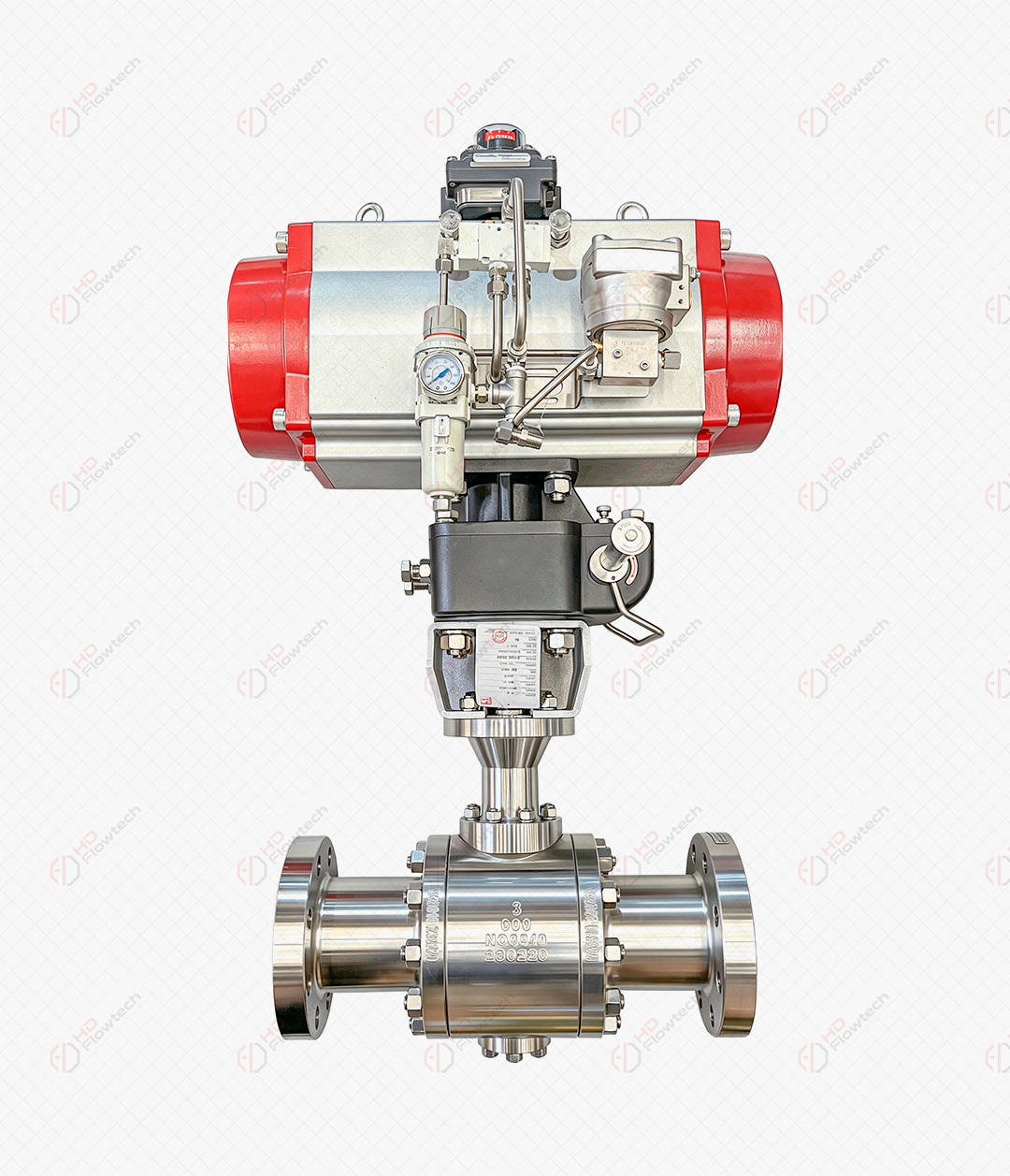
Pneumatic actuators are specified for floating ball valves requiring automated operation, high cycle frequency, or fail-safe positioning — spring-return actuators default to a defined open or closed position on loss of instrument air, making them the standard choice for ESD and process protection applications. Double-acting pneumatic actuators are selected where higher output torque is required and fail-safe positioning is not a design requirement. Limit switches and positioners provide position feedback and control system integration for automated process control duty.


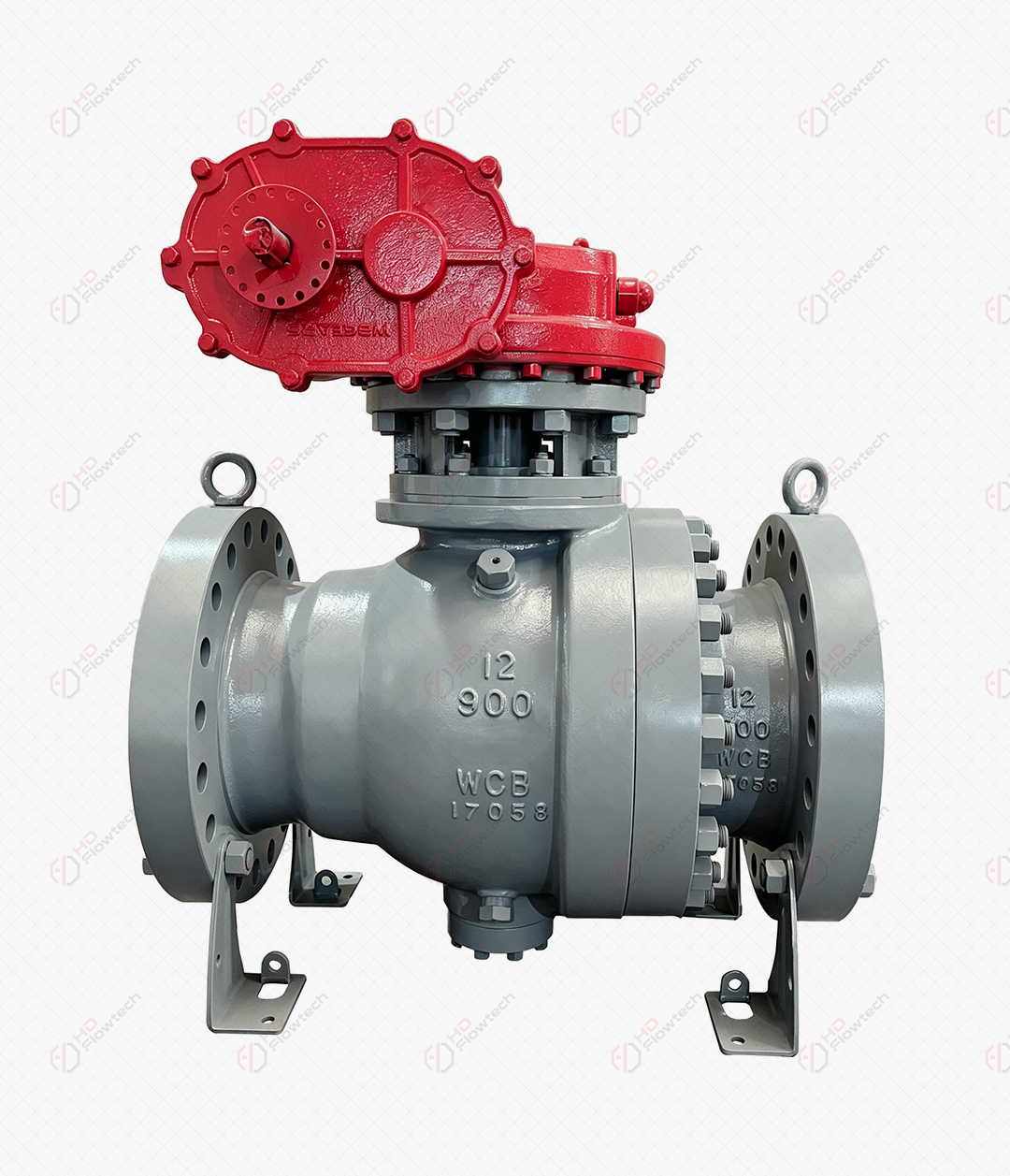
Floating ball valves are selected over trunnion-mounted designs for smaller bore and lower pressure service at Class 150–300, where the simpler construction and lower cost of the floating ball design are advantageous. For larger bore and higher pressure service at Class 600 and above, trunnion-mounted designs are required to reduce seat load and operating torque under high differential pressure. Body material selection — carbon steel (WCB) for general process service, stainless steel (CF8M) for corrosive media, and low-temperature carbon steel (LCB) for cold service — is determined by fluid type, operating temperature, and corrosion requirements.

Learn More About Ball Valve

How to Choose the Right Ball Valve for Industrial Applications

Get in Touch with Us

Thanks for all the renowned partners for the trust and recognition