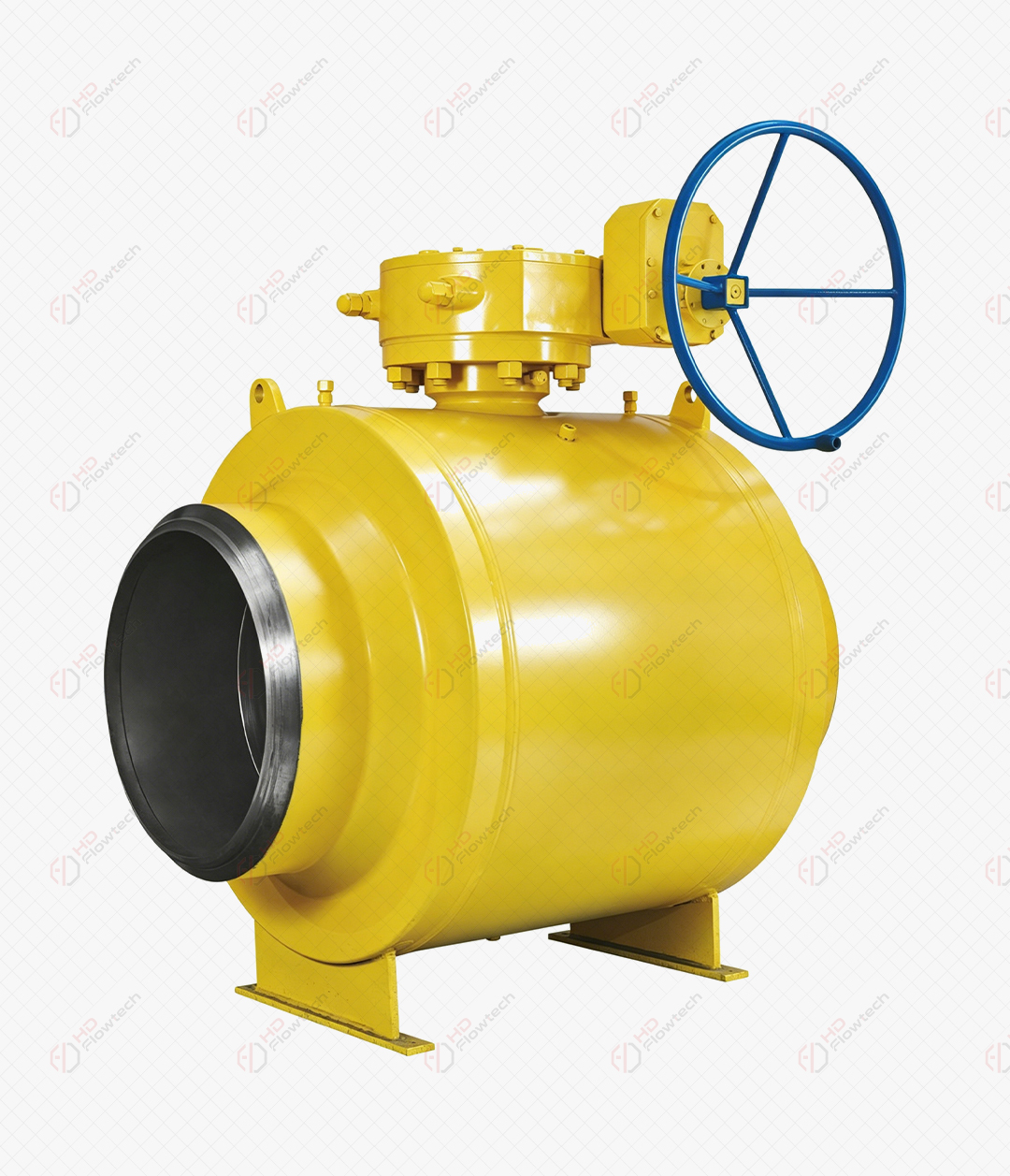
Ball Valve

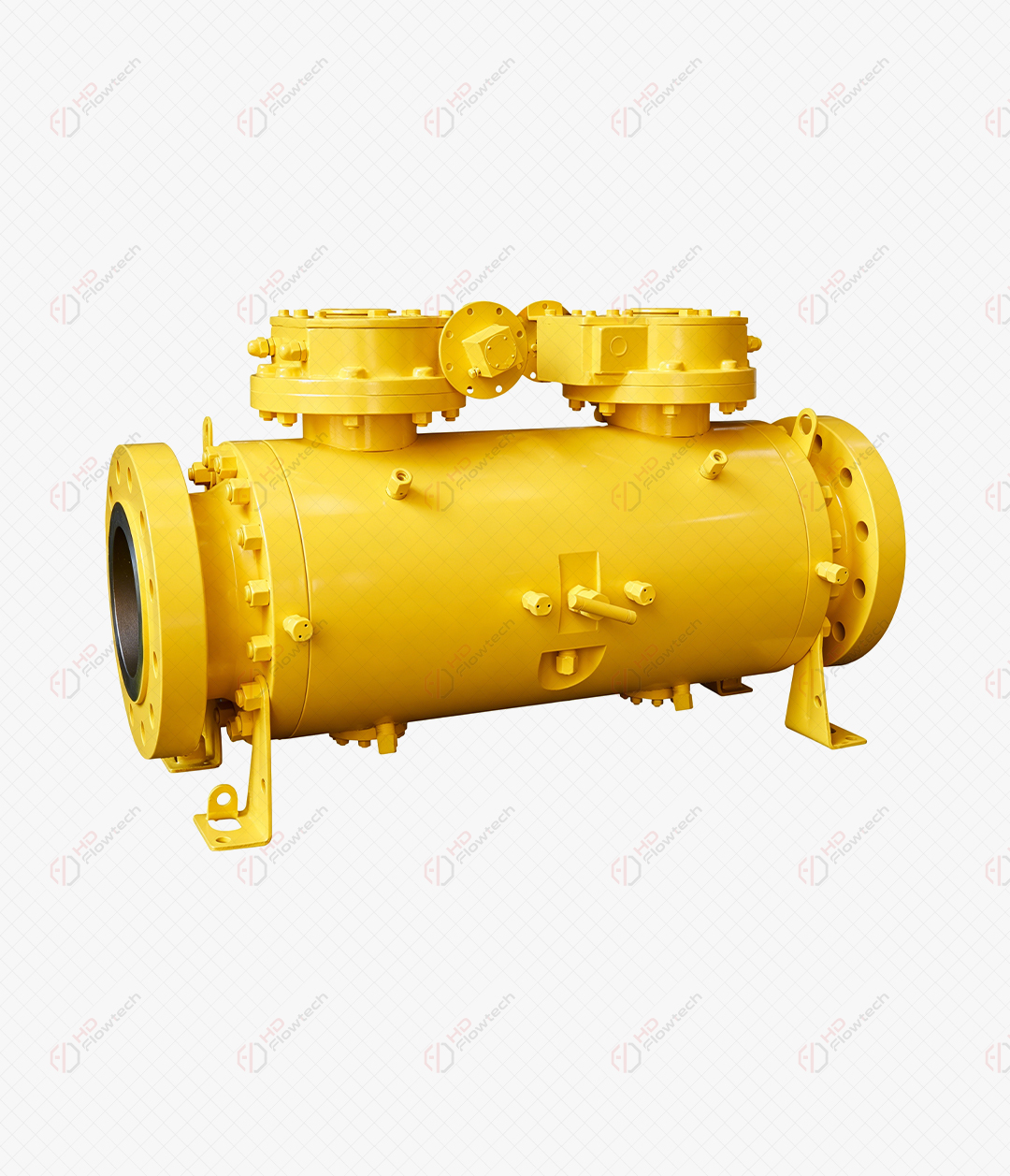
Dual Ball Valve — Carbon Steel Flanged Natural Gas Pipeline Service

Valve Type
Dual Ball Valve — Carbon Steel Flanged Natural Gas Pipeline Service
Size Range
DN100 – DN600 (4" – 24")
Pressure Class
PN16 – PN100 (Class 150 – 600)
Body Material
WCB / WC6 / LCB / CF8M / F51 Duplex
Seat Material
PTFE / RPTFE / Metal Seat (Stellite Overlay)
End Connections
Flanged (ASME B16.5 / B16.47) / Butt Weld
Operation
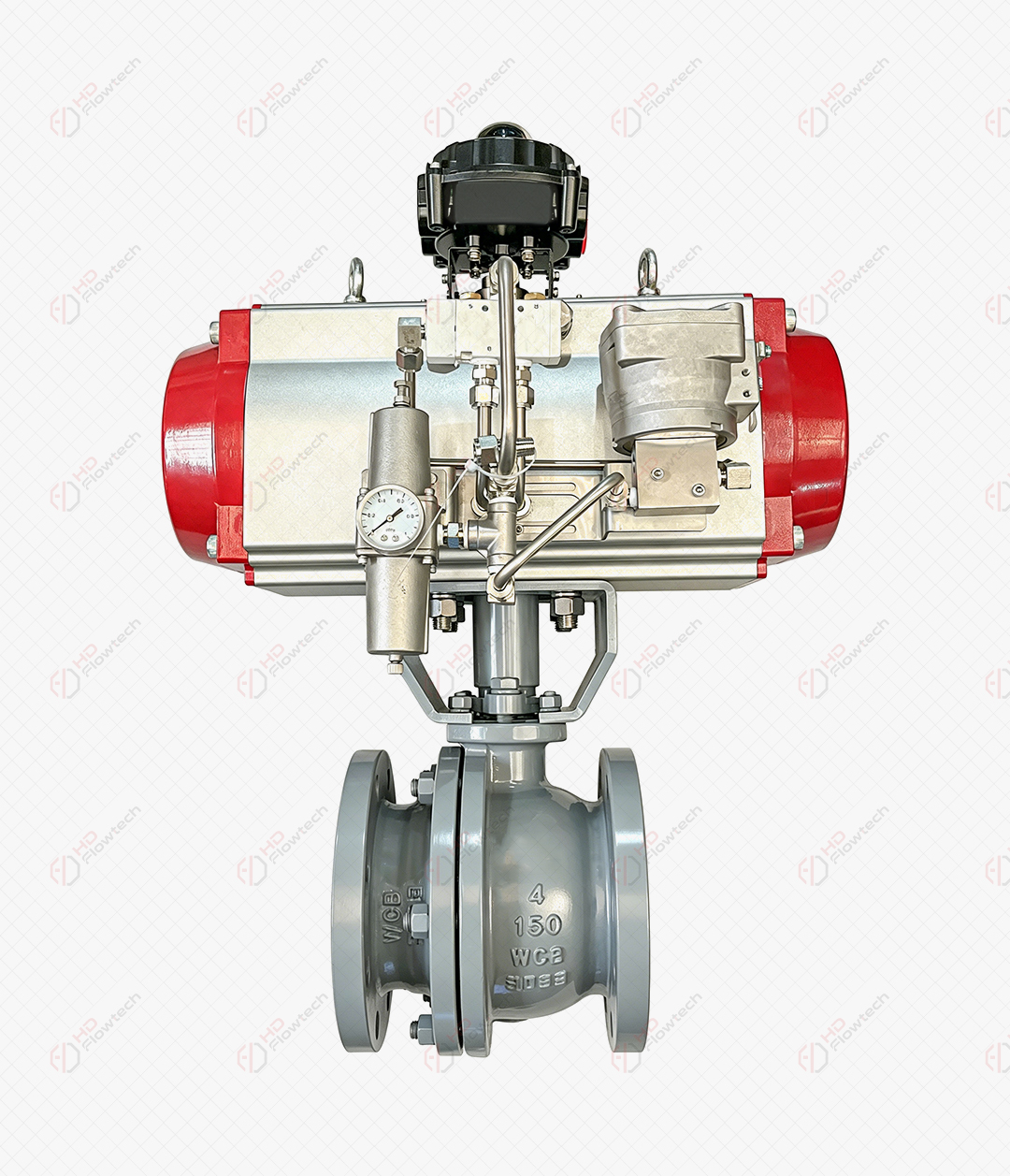
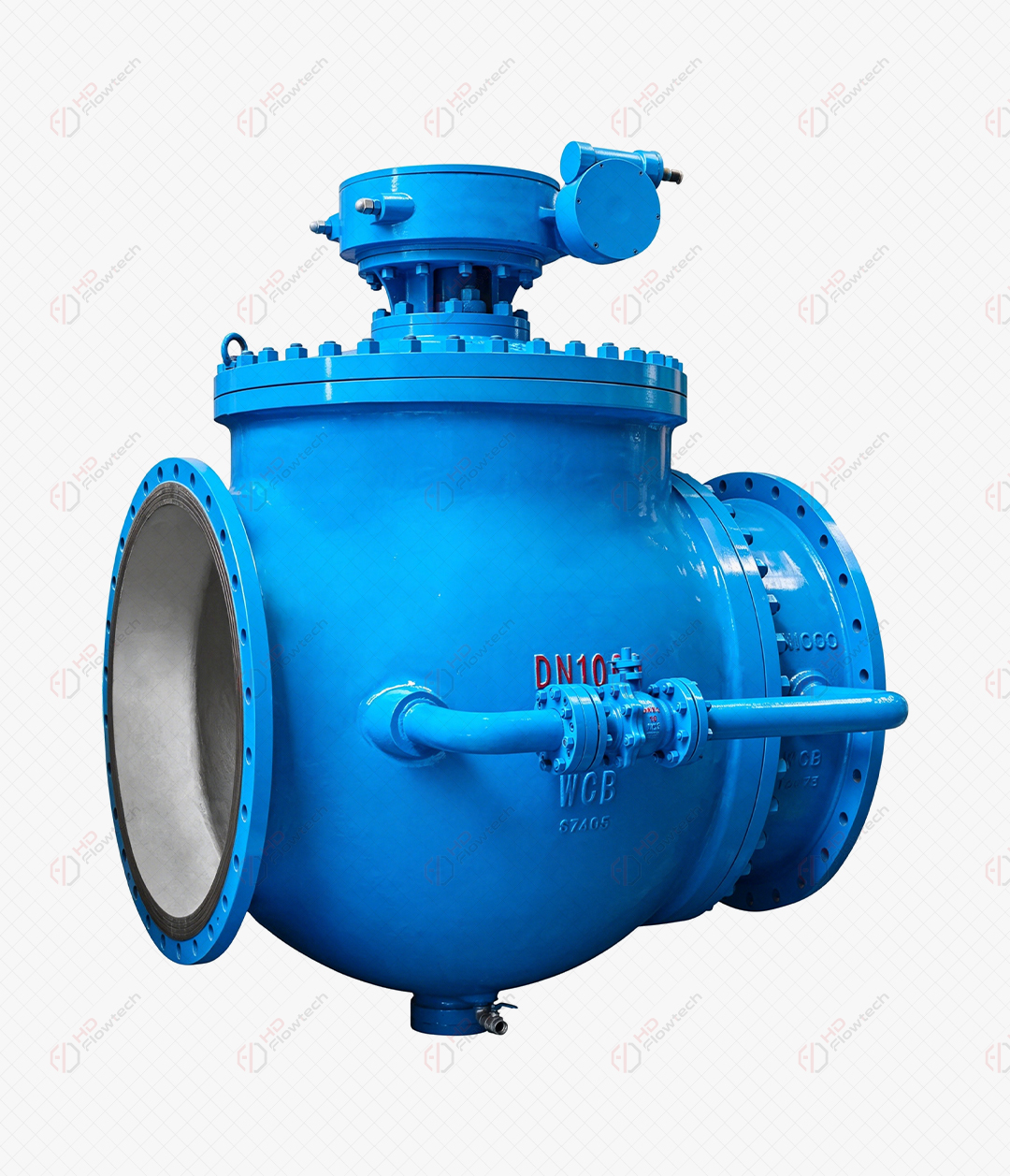
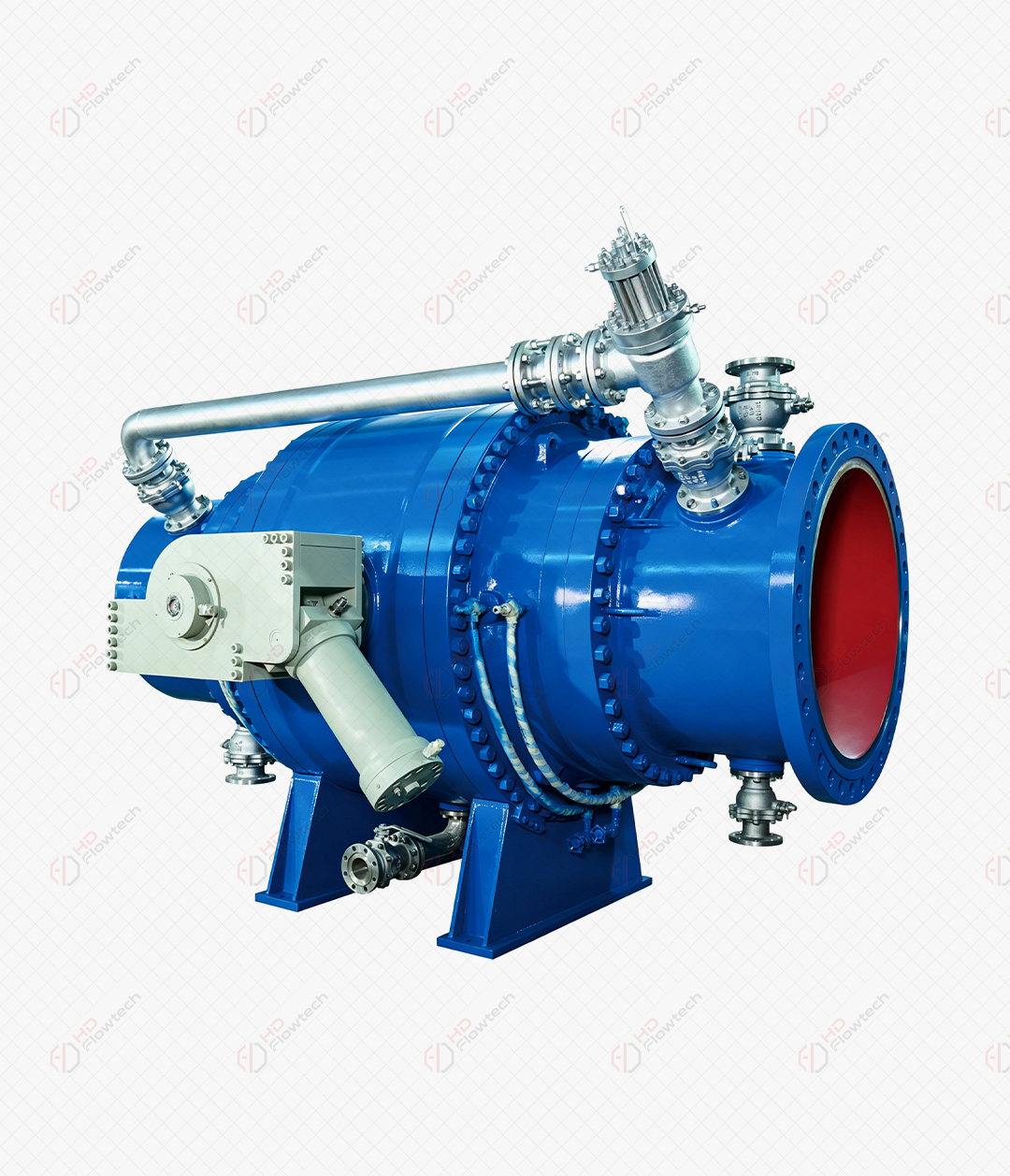
Gear Operator / Pneumatic Actuator / Electric Actuator / Hydraulic Actuator
Working Temperature
−46°C to 200°C (PTFE Seat) / up to 425°C (Metal Seat)
Design Standard
API 6D / ASME B16.34 / ISO 14313
HD Flowtech dual ball valves integrate two independent full-bore ball valve assemblies within a single shared body, providing Double Block and Bleed (DBB) isolation capability in a compact, single-unit configuration for natural gas transmission and pipeline service. The carbon steel body with yellow epoxy coating meets natural gas pipeline corrosion protection and color identification standards for above-ground installations. Each ball assembly operates independently via its own top-mounted actuator mounting pad — allowing sequential operation for DBB isolation procedures where the upstream ball closes first, the cavity between the two balls is vented through the side bleed connection, and seat integrity of both upstream and downstream seats is confirmed before breaking pipeline containment. The monitored cavity between the two ball assemblies provides controlled bleed-off through the side vent connections visible on the body, enabling pressure verification and cavity drainage under live pipeline conditions. Multiple instrument and injection ports on the body allow differential pressure monitoring, seat seal lubrication injection, and cavity pressure measurement. Bottom support brackets provide stable foundation installation. Flanged end connections ensure direct integration into standard gas pipeline flange systems.

Ball Valve Technical Overview

How to Choose the Right Ball Valve for Industrial Applications

Dual ball valves are selected for Double Block and Bleed (DBB) isolation service in natural gas transmission pipelines, compressor station manifolds, and critical pipeline isolation points where two independent seats and a monitored bleed cavity are required in a compact single-body configuration. The integrated dual ball design replaces a conventional three-valve DBB arrangement — two block valves plus one bleed valve — reducing installation space, pipeline connection points, and potential leak paths compared to separate valve installations.


The monitored cavity between the two ball assemblies allows positive confirmation of both upstream and downstream seat integrity before breaking pipeline containment for maintenance, hot-tap operations, or instrument connections — a critical safety requirement for gas transmission pipeline work where single-seat isolation is not sufficient to guarantee personnel safety. Sequential operation — close upstream ball, vent cavity, confirm downstream seat, then proceed — provides the double isolation assurance required by pipeline safety regulations and industry standards.


Yellow epoxy coating is standard for natural gas pipeline service. Gear operators are standard for manual DBB valve operation, with pneumatic and electric actuators selected for remote operation and automated DBB sequencing in SCADA-integrated pipeline systems. Body material selection — WCB for standard gas transmission service, LCB for cold climate installations, and duplex grades for sour gas service — follows standard pipeline ball valve material criteria. Design standard API 6D governs dual ball valve DBB requirements for pipeline service, covering seat sealing, cavity bleed, and bidirectional isolation performance criteria.

Learn More About Ball Valve

How to Choose the Right Ball Valve for Industrial Applications

Get in Touch with Us

Thanks for all the renowned partners for the trust and recognition