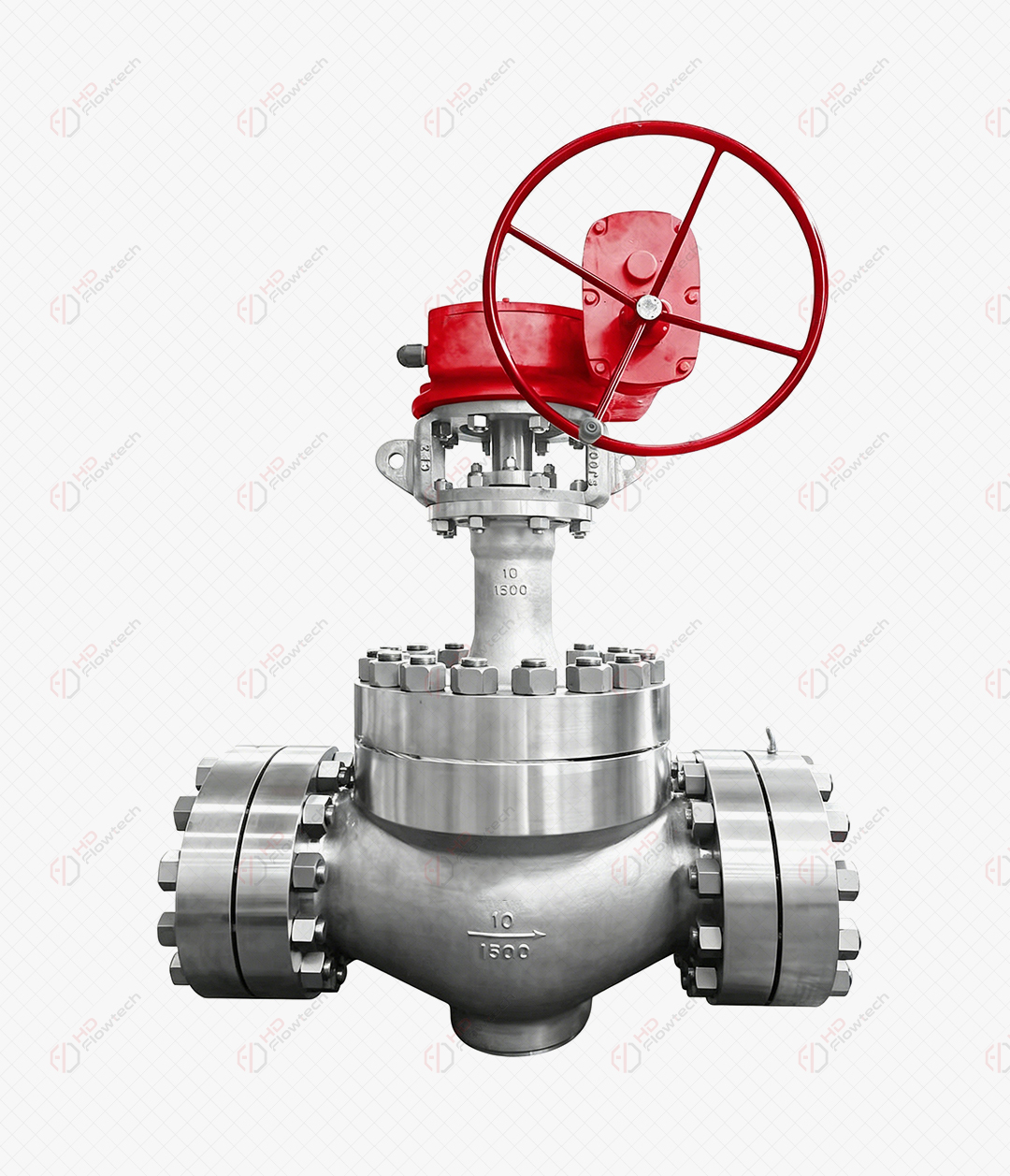
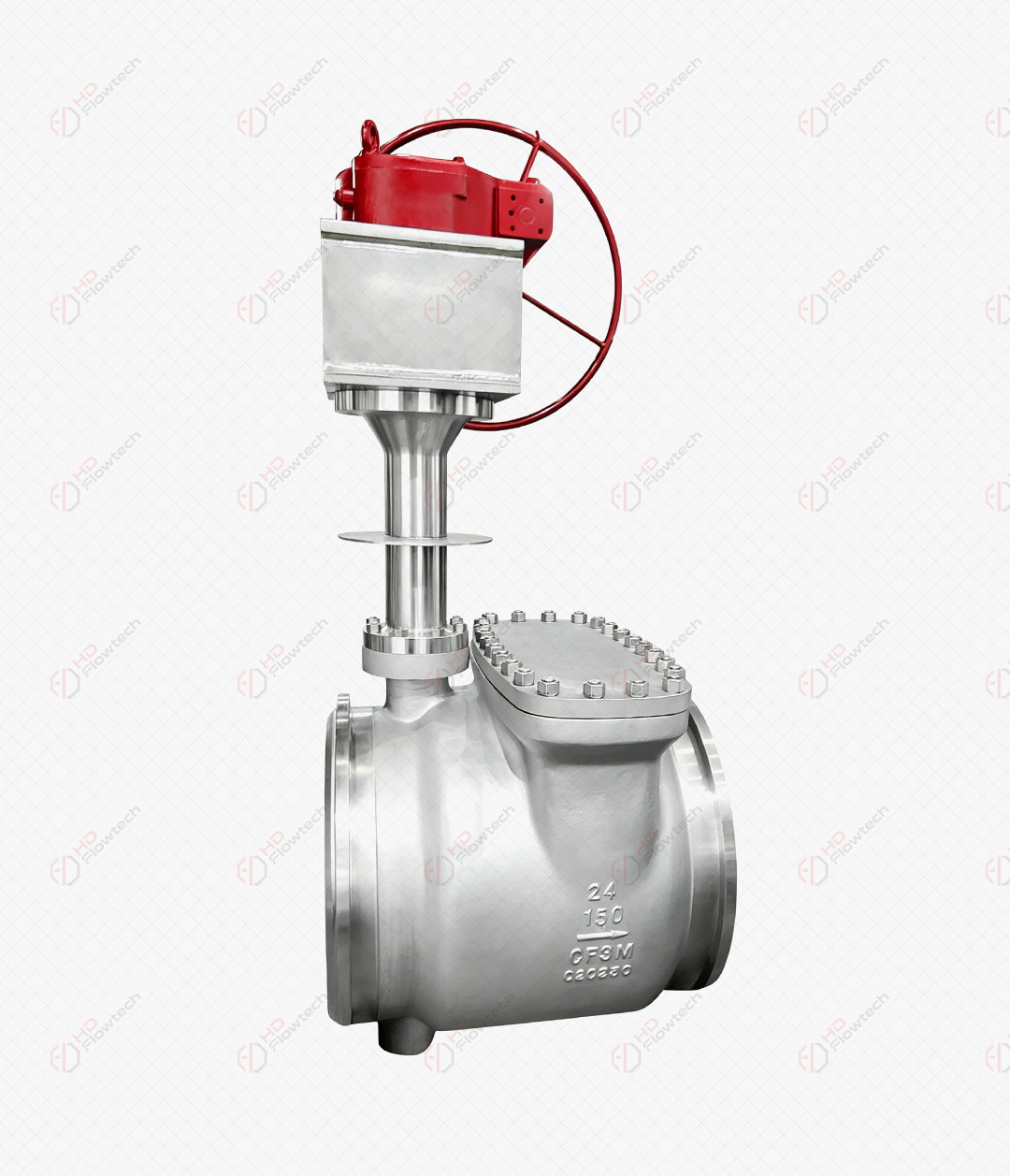
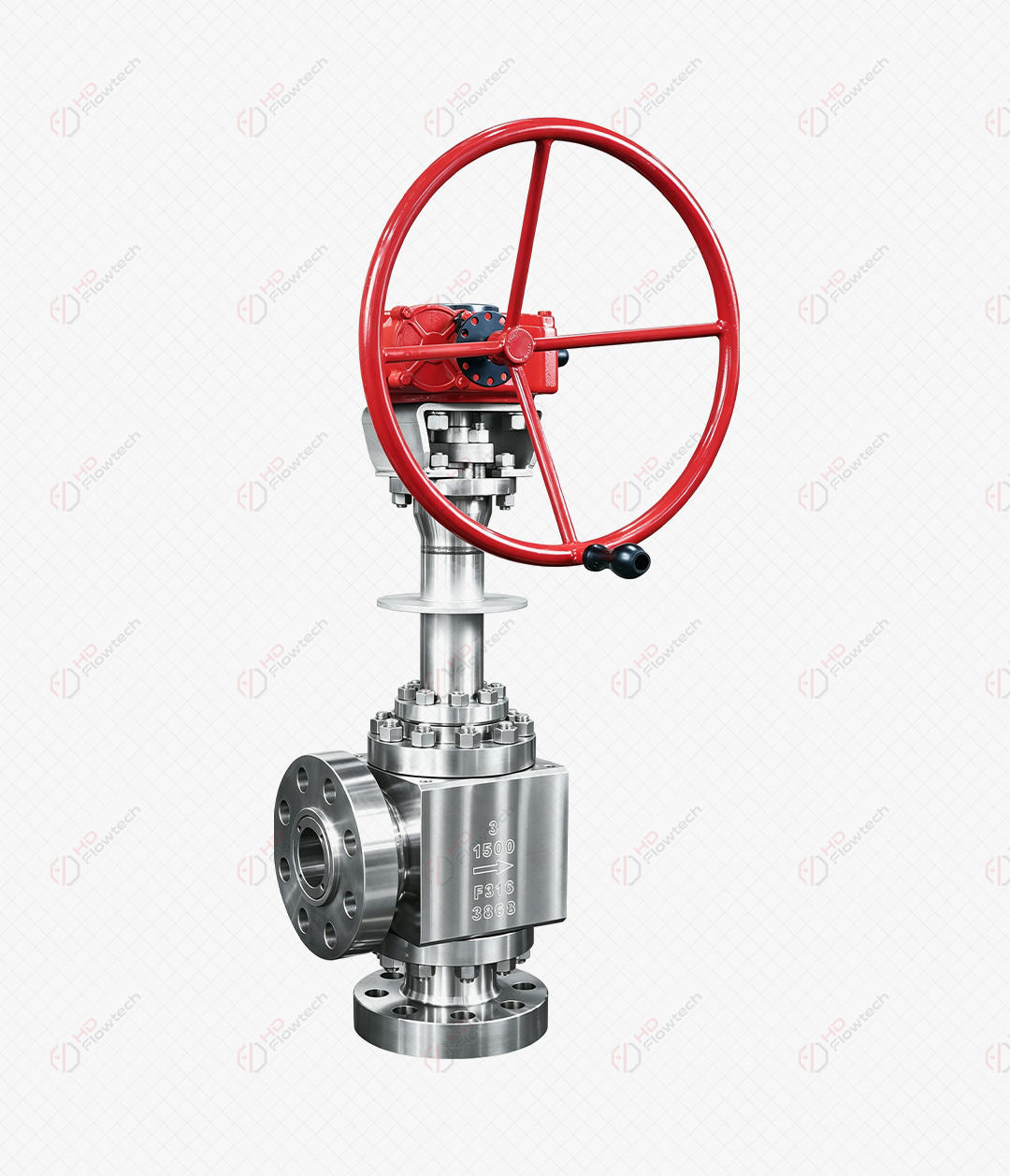
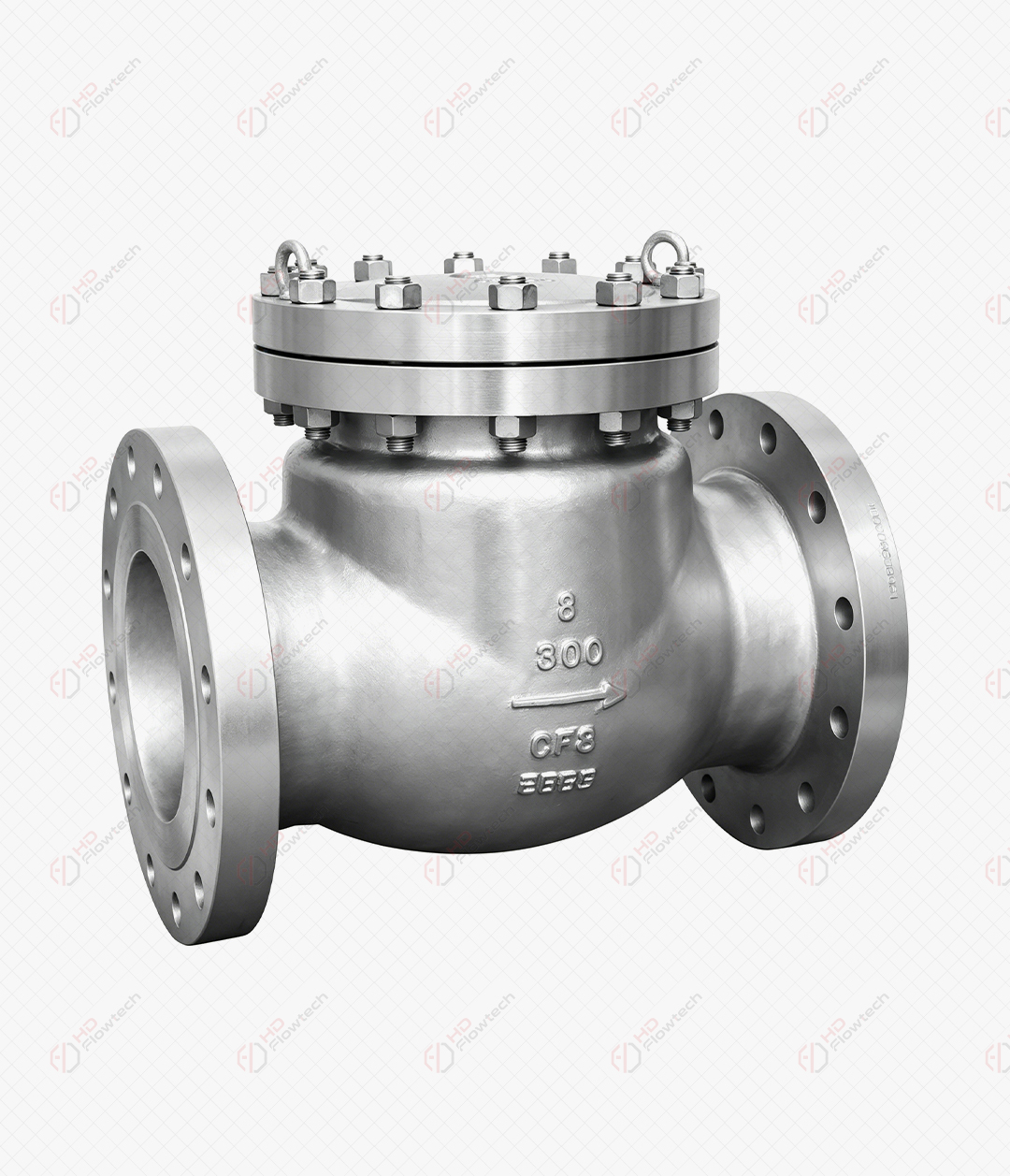
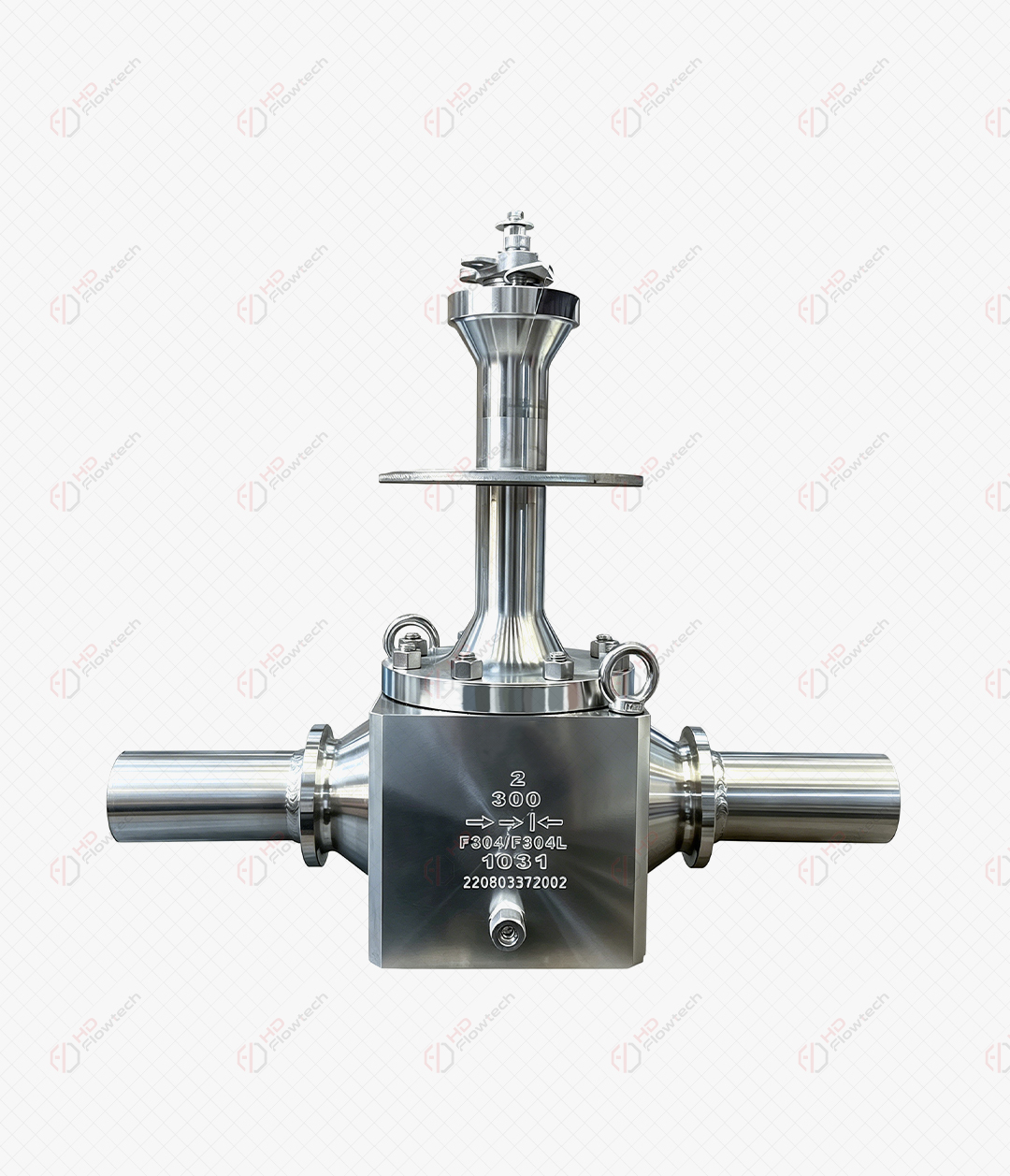
Top entry cryogenic trunnion mounted ball valves are selected for high-pressure isolation service in LNG terminals, liquid nitrogen systems, and cryogenic process piping where inline maintenance access, high pressure class, and reliable zero-leakage performance at cryogenic temperatures are simultaneously required. The top entry design is the defining maintenance advantage — allowing ball, seat, and seal inspection and replacement through the top cover without pipeline disconnection, which is critical in cryogenic installations where butt weld or RTJ flanged connections make valve removal a major maintenance operation requiring re-welding and pressure testing.
RTJ end connections are standard for Class 900 and above cryogenic service, providing superior flange joint sealing integrity under the extreme thermal contraction that occurs as valve and pipeline components cool from ambient to cryogenic temperatures — maintaining leak-free joints where raised face flange connections may relax and leak due to differential thermal contraction between flange bolts and body materials.
Trunnion mounted construction is required for Class 600 and above cryogenic ball valves, where the high seat loads generated by elevated pressure against the large ball area must be transferred to trunnion bearings to maintain manageable operating torque and prevent excessive PTFE or PEEK seat deformation at low temperatures. Body material selection — F304L and F316L for standard LNG and liquid nitrogen service, LF3 for intermediate low-temperature applications, and 9% nickel steel for the most demanding cryogenic conditions — is determined by the minimum design temperature, fluid type, and pressure class requirements. Design standards BS 6364 and API 6D govern top entry cryogenic ball valve design, maintenance access requirements, and low-temperature testing criteria