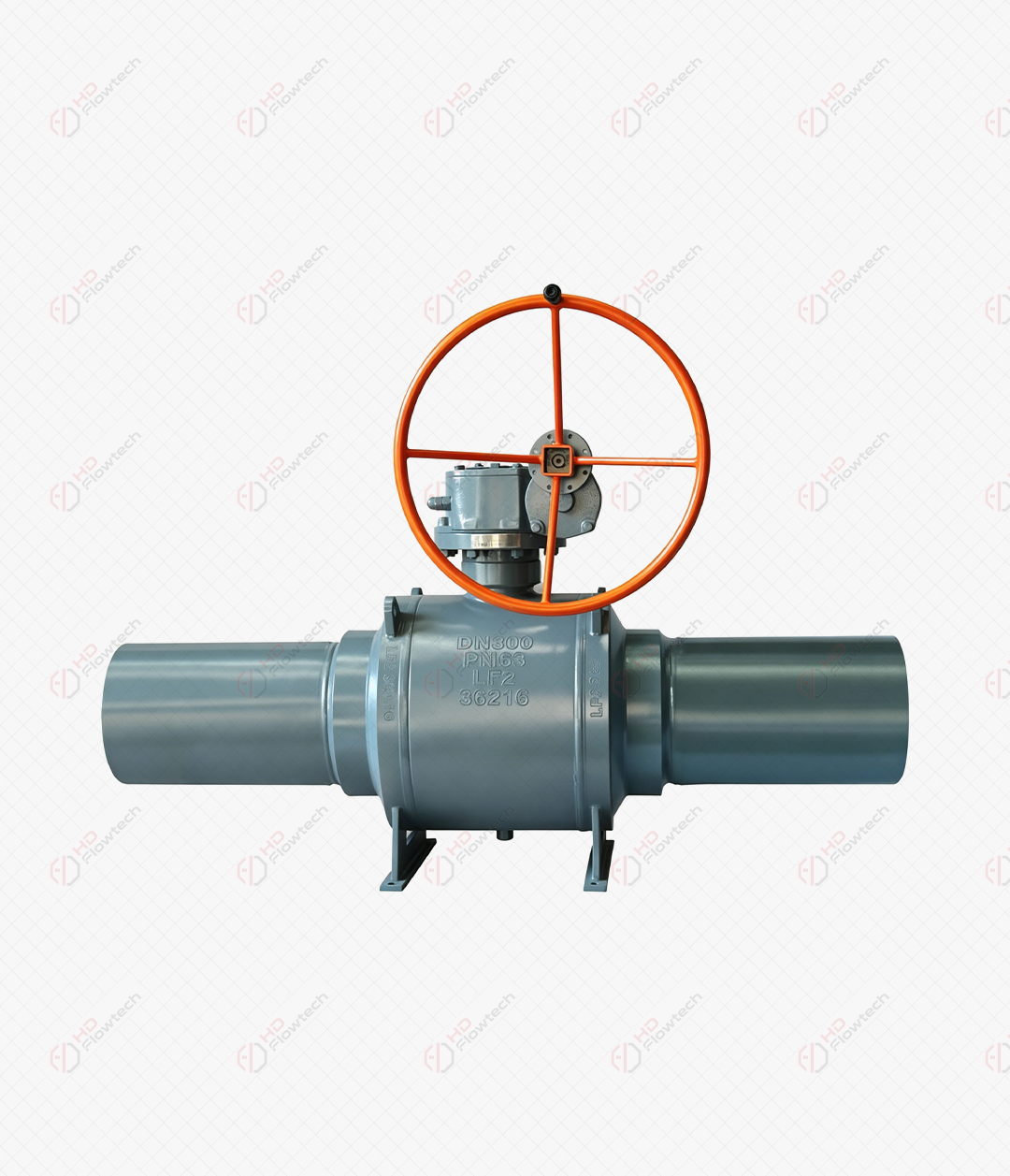
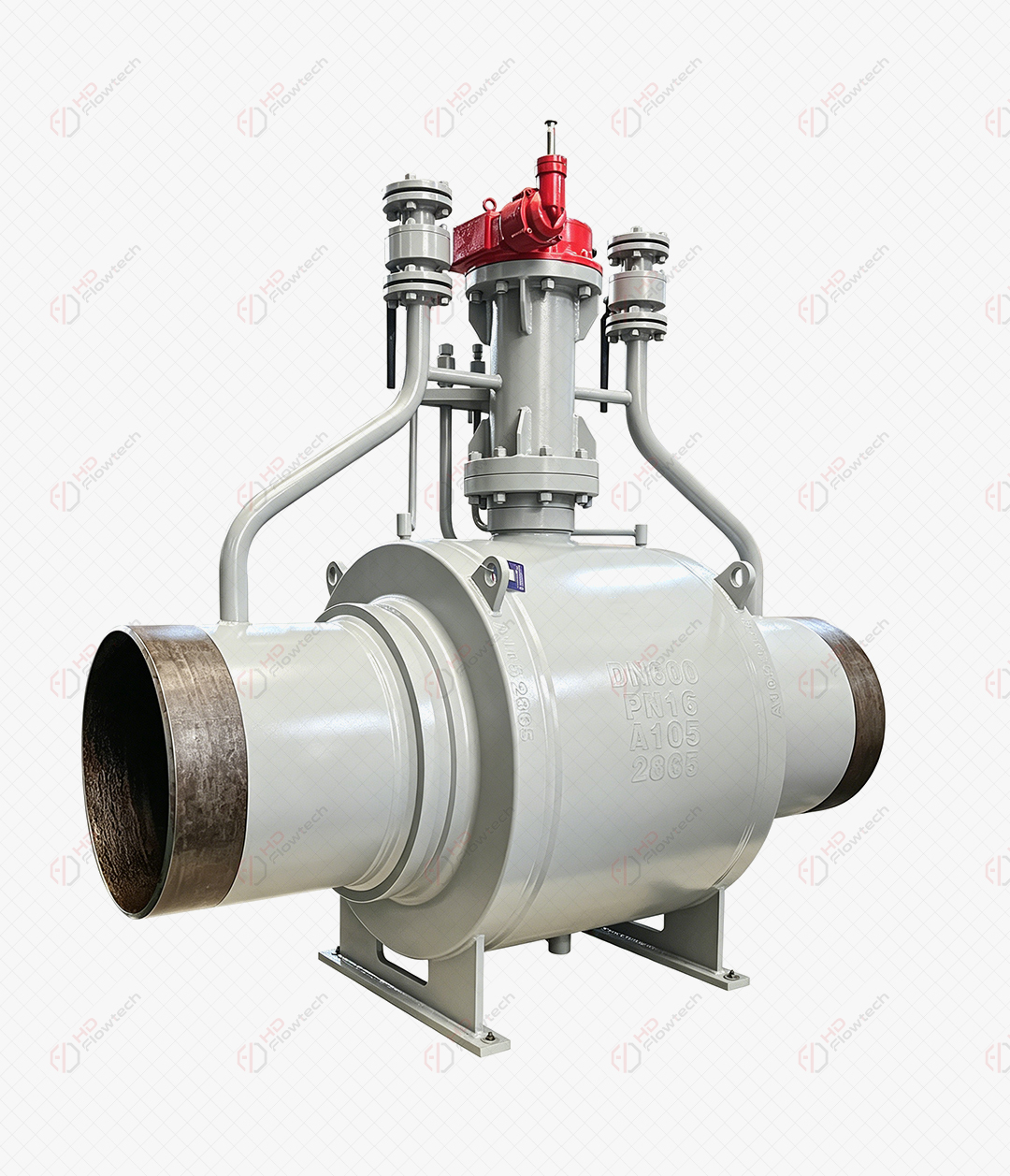
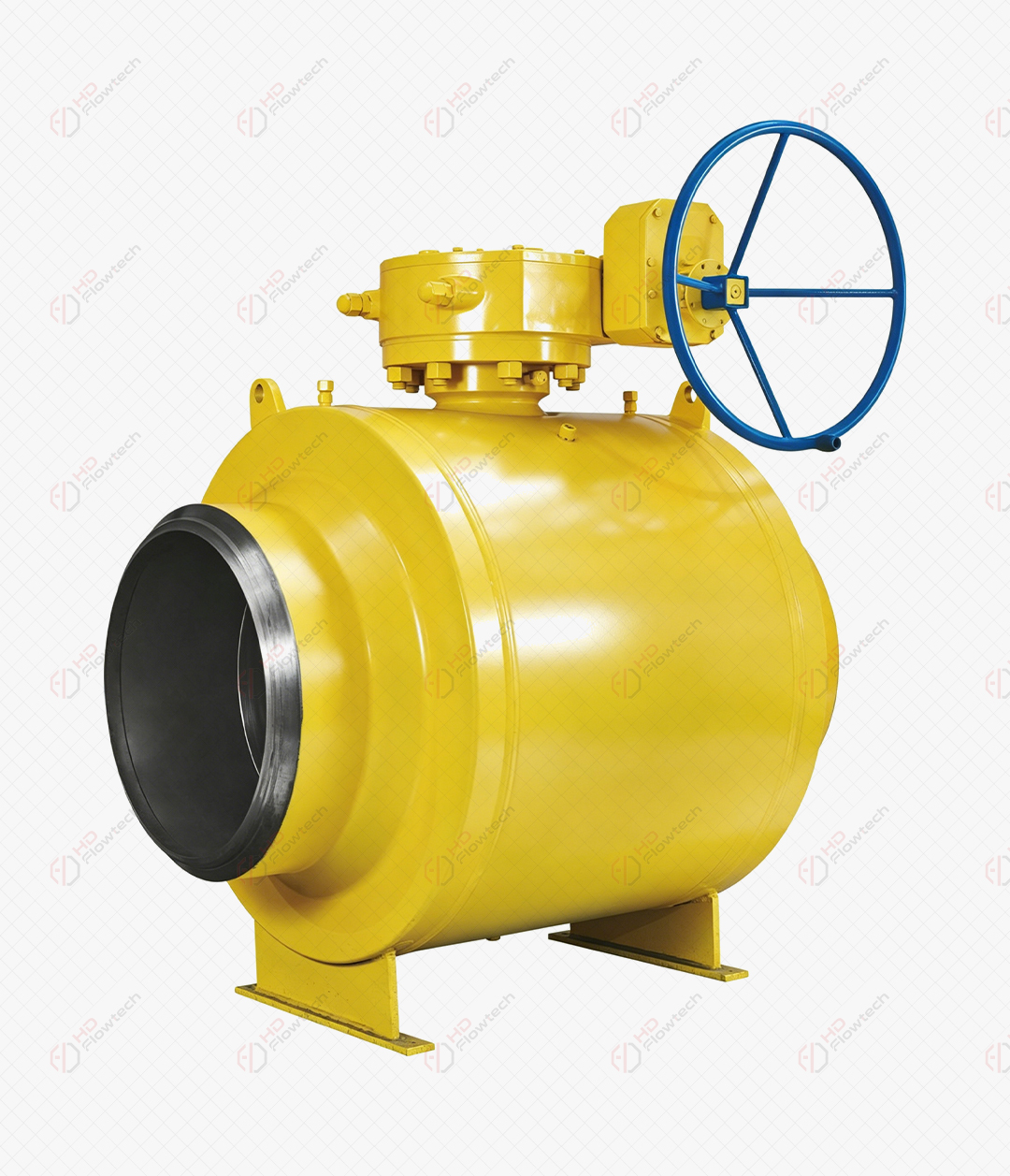
Fully welded ball valves in low-temperature steel grades are selected for buried pipeline, LPG transmission, ethylene distribution, and cold climate natural gas pipeline service where standard carbon steel body materials would become brittle and fail under impact loading at sub-zero operating temperatures. LF2 (down to −46°C) and LF3 (down to −101°C) forged steel grades are specified based on the minimum design temperature of the pipeline system — determined by the minimum ambient temperature, fluid temperature, and any autorefrigeration effects from gas expansion or liquid flashing.
The fully welded body eliminates all bolted joint leak paths in buried and inaccessible pipeline installations — the primary leakage risk in long-term buried service where soil movement, thermal cycling, and settlement can loosen bolted connections over time. Extended pup piece end connections are standard for buried pipeline installations, providing sufficient straight pipe length beyond the valve body ends for field girth welding during pipeline installation and hydrostatic testing without stress concentration at the valve body welds.
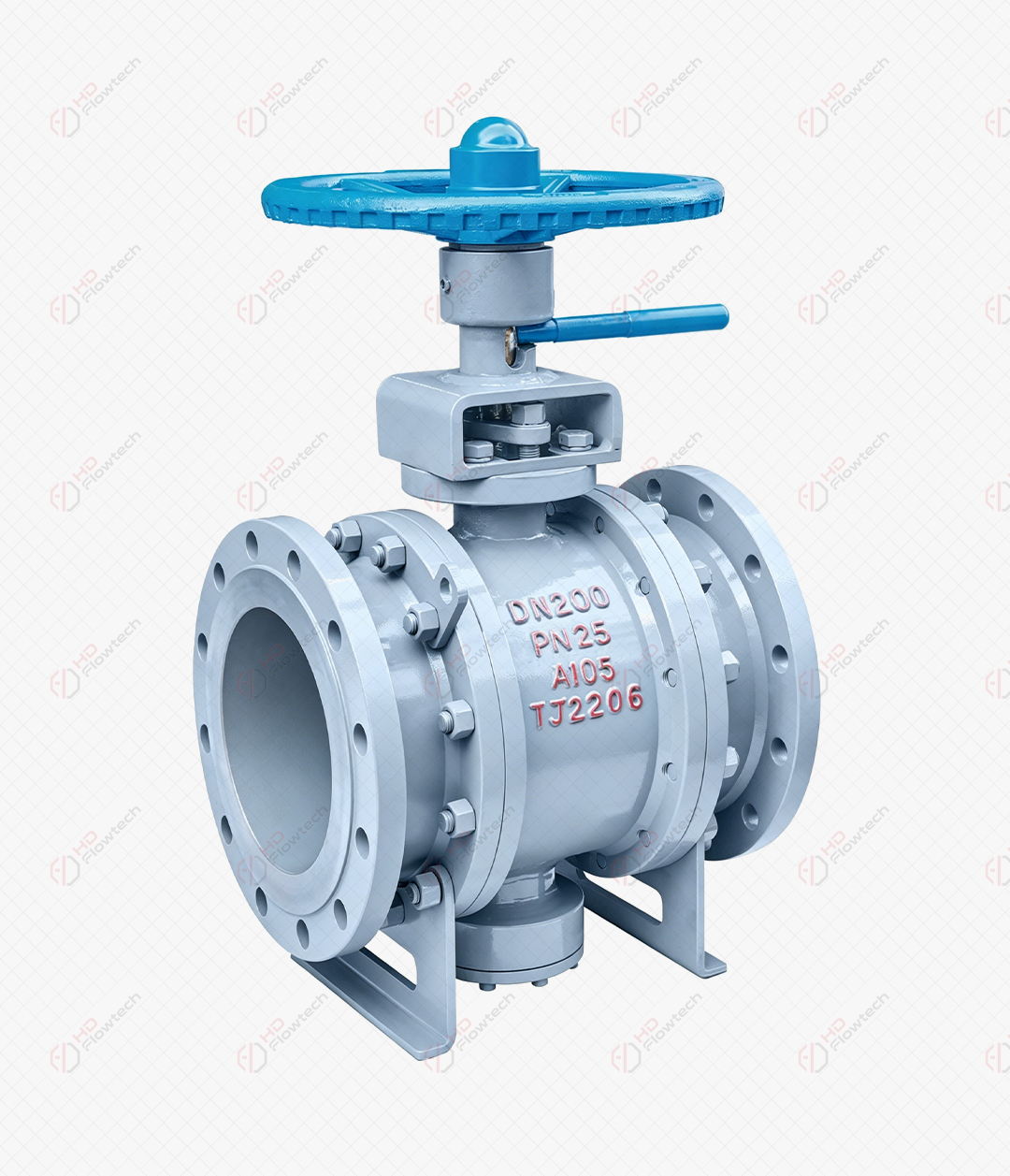
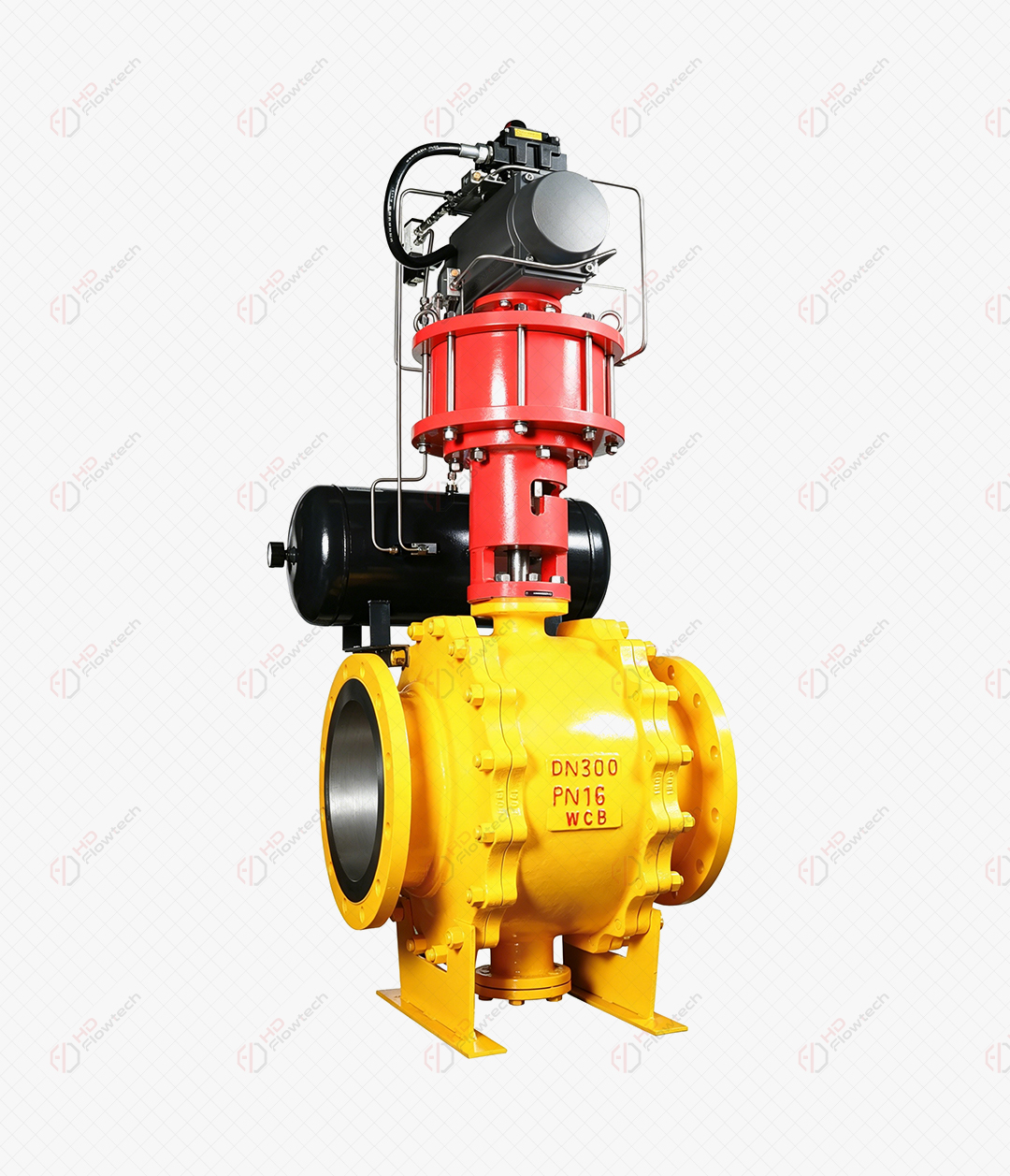
Trunnion mounted construction is standard for fully welded ball valves at larger bore sizes, ensuring reliable low-torque actuation at low temperatures where PTFE seat compression and ball surface friction characteristics change compared to ambient temperature service. Gear operators with color-coded gear boxes aid field identification in multi-service pipeline installations. Body material selection — LF2 for standard cold climate and LPG service, LF3 for lower temperature ethylene and deep cold applications, and austenitic stainless steel (F304L, F316L) for cryogenic service down to −196°C — is determined by the minimum design temperature, fluid type, and pipeline code requirements. Design standard API 6D governs fully welded low-temperature ball valves for pipeline service across all bore sizes and pressure classes.