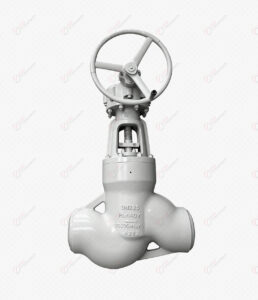
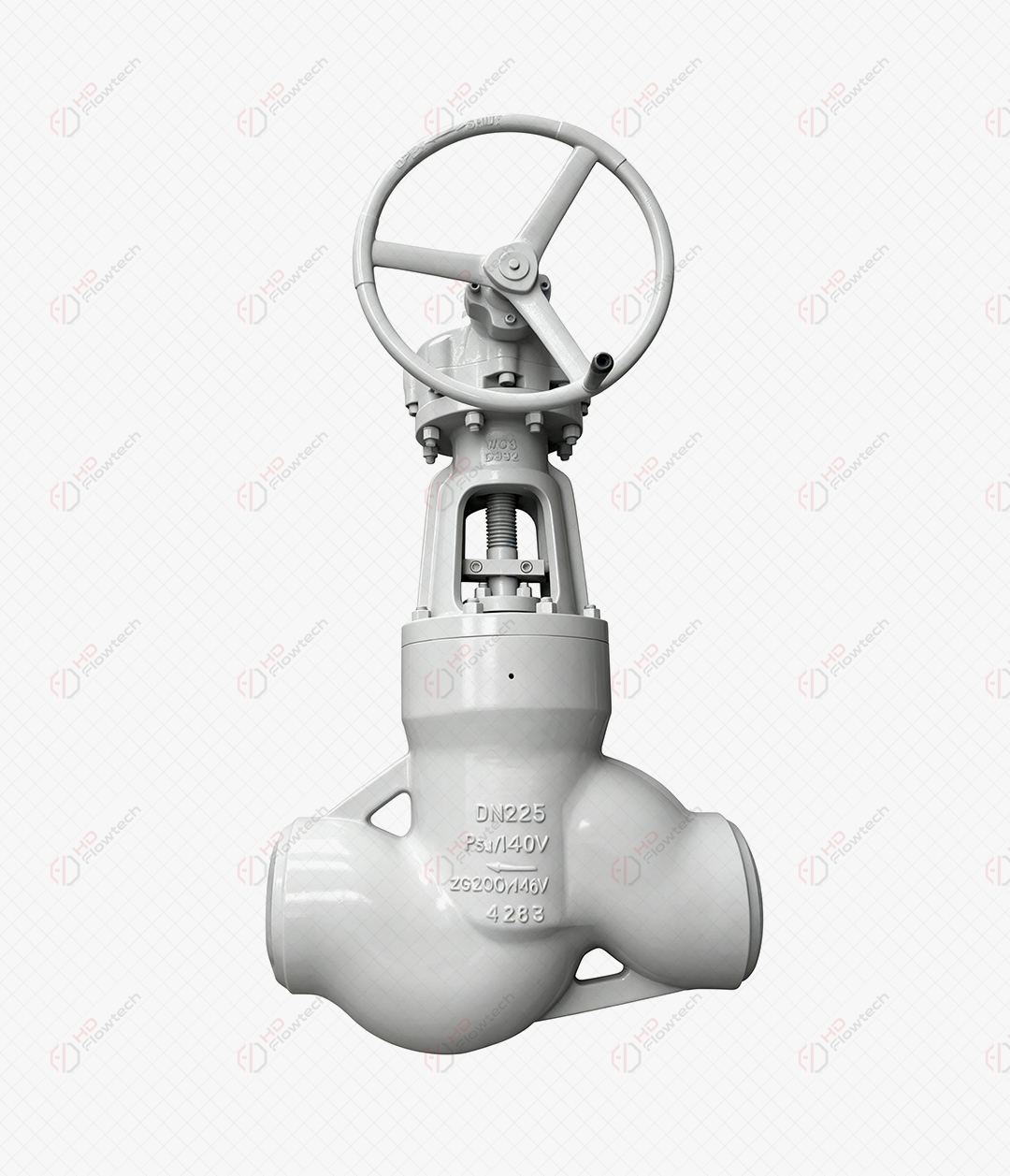
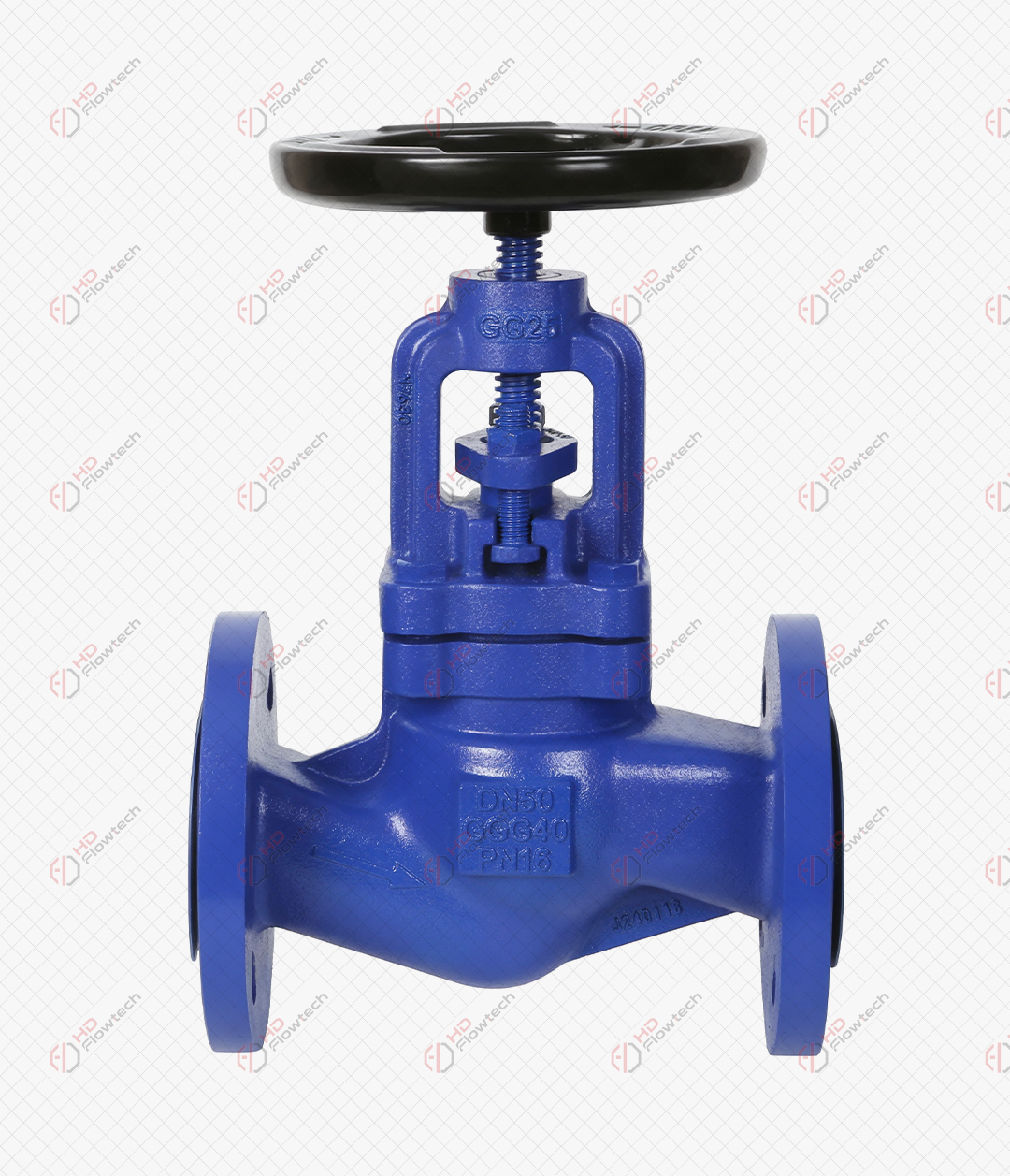
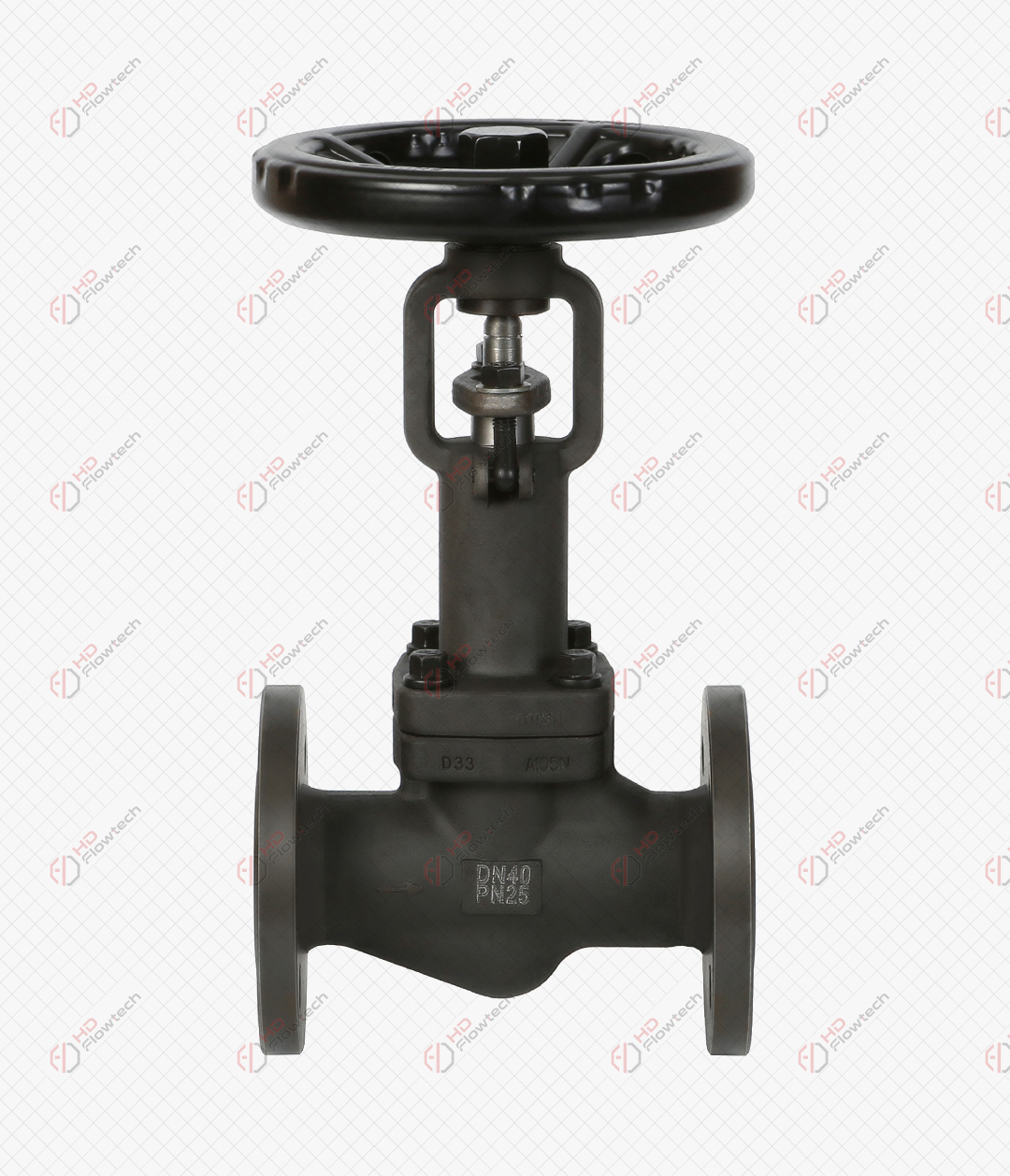
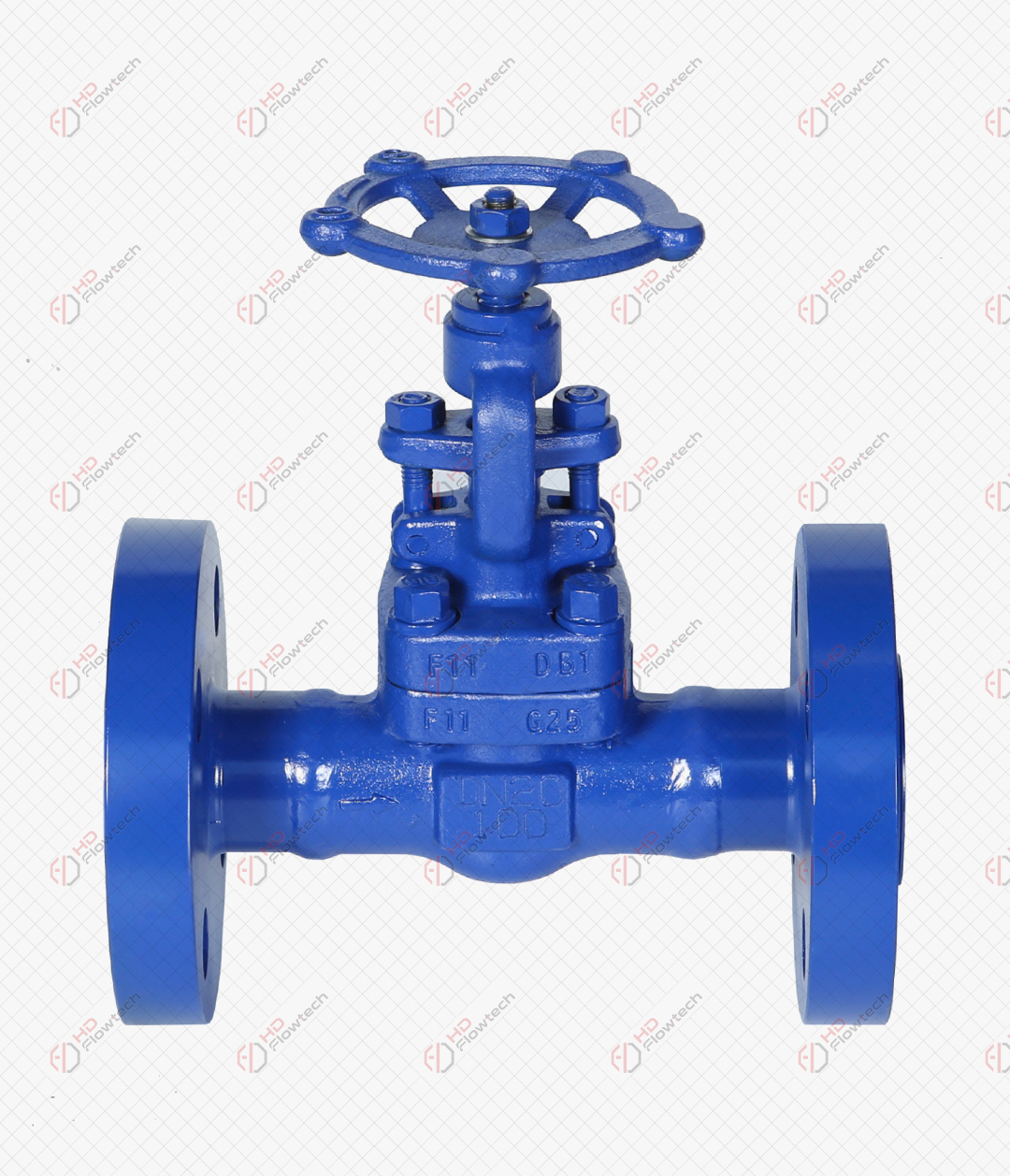
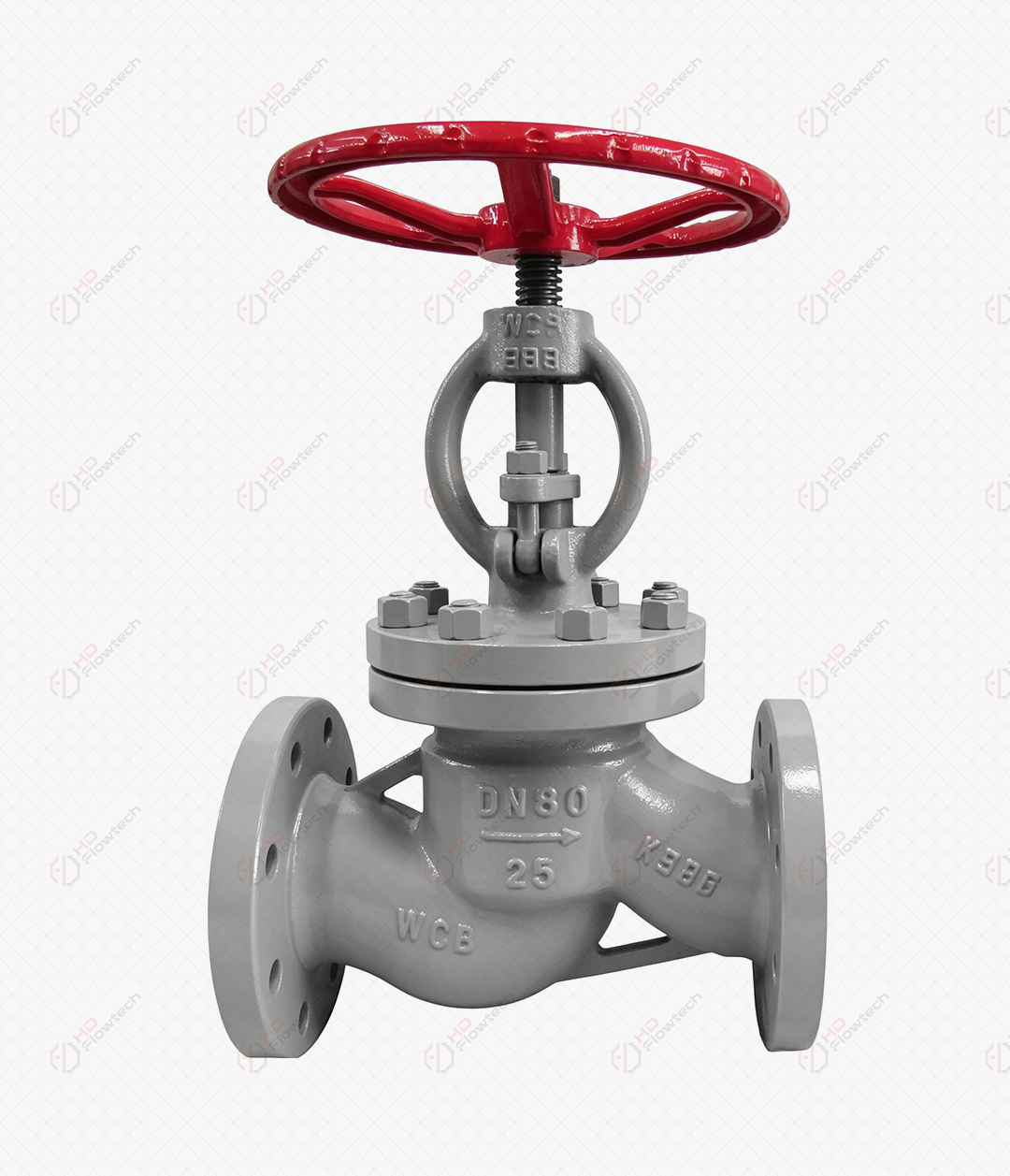
Power station globe valves are selected for isolation and flow control service in supercritical and ultra-supercritical steam systems where standard industrial valve designs cannot meet the combined requirements of elevated pressure, extreme temperature, thermal cycling resistance, and long-term creep performance. These valves are specified for main steam lines, reheat steam headers, high-pressure feedwater systems, and auxiliary steam piping in thermal power plants operating at steam conditions beyond Class 1500 ASME ratings.
Cast alloy steel body construction (ZG200/46V, ZG15Cr1Mo1V, F91) is required for supercritical steam service, providing creep rupture strength and oxidation resistance at temperatures up to 620°C that carbon and low-alloy steels cannot sustain. Pressure seal bonnet construction is mandatory for supercritical and ultra-supercritical service, ensuring bonnet joint integrity under extreme differential pressure throughout the valve’s design service life of 30 years or more. Stellite-overlaid seats and discs are standard, providing resistance to erosion, wire drawing, and high-velocity steam impingement under the demanding flow conditions of supercritical steam systems.
Butt weld end connections are the standard specification for power station steam valve integration, eliminating all flanged joint leak paths in high-energy piping systems where external steam leakage presents both safety and efficiency risks. Design standards GB/T 12235 and DL/T 531 govern power station globe valve design, material, testing, and performance requirements for supercritical and ultra-supercritical steam service in Chinese power generation applications.