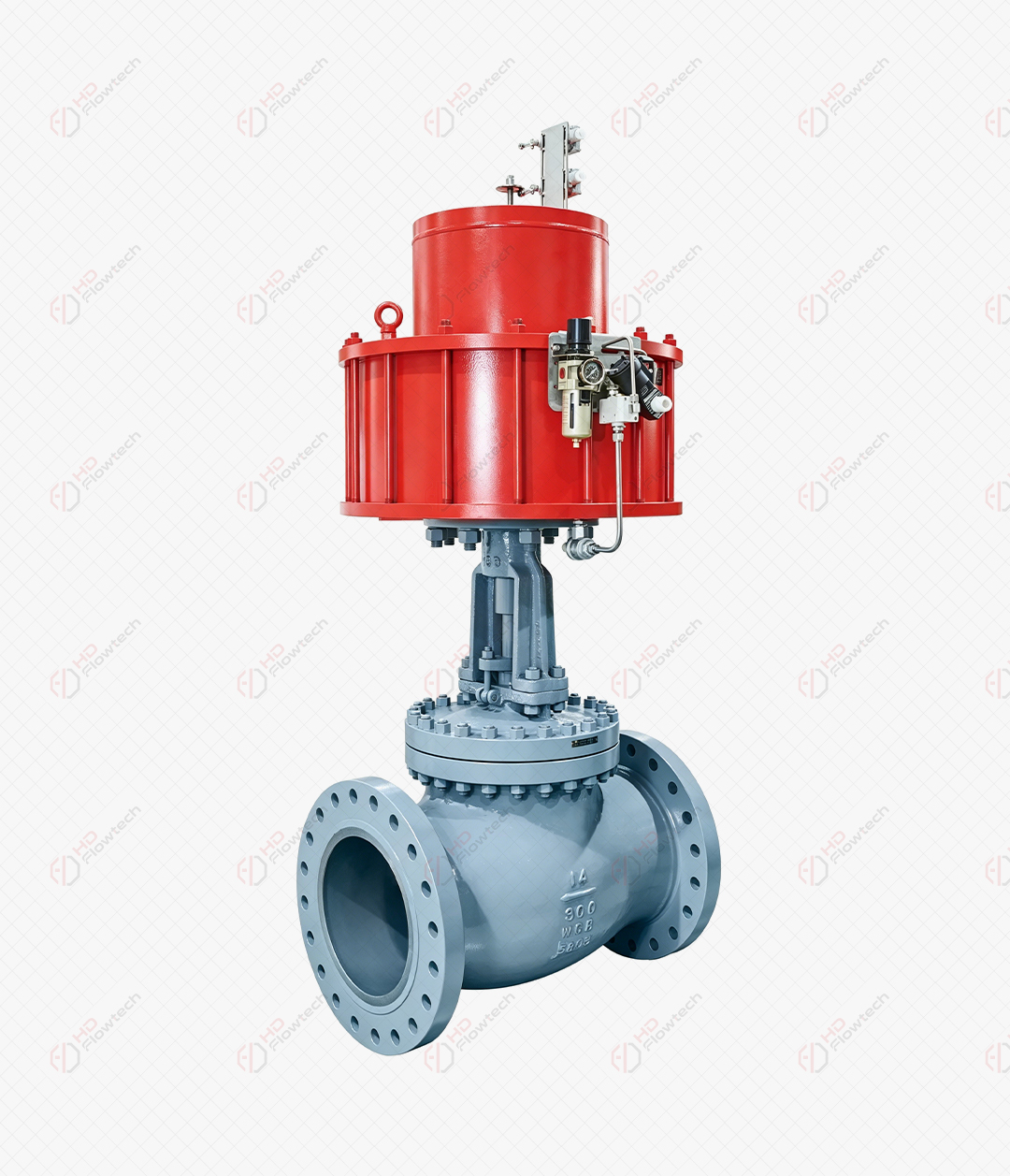
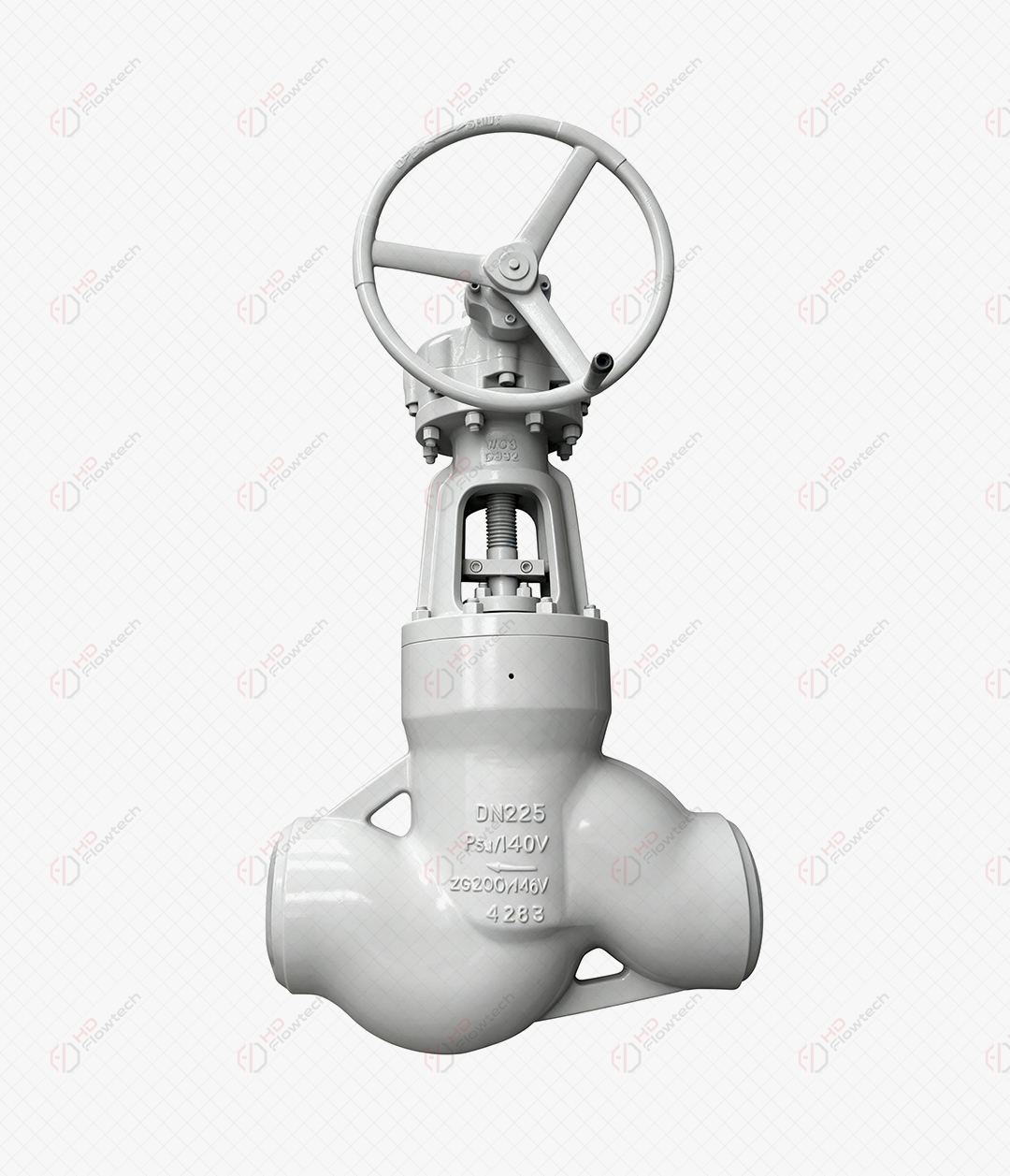
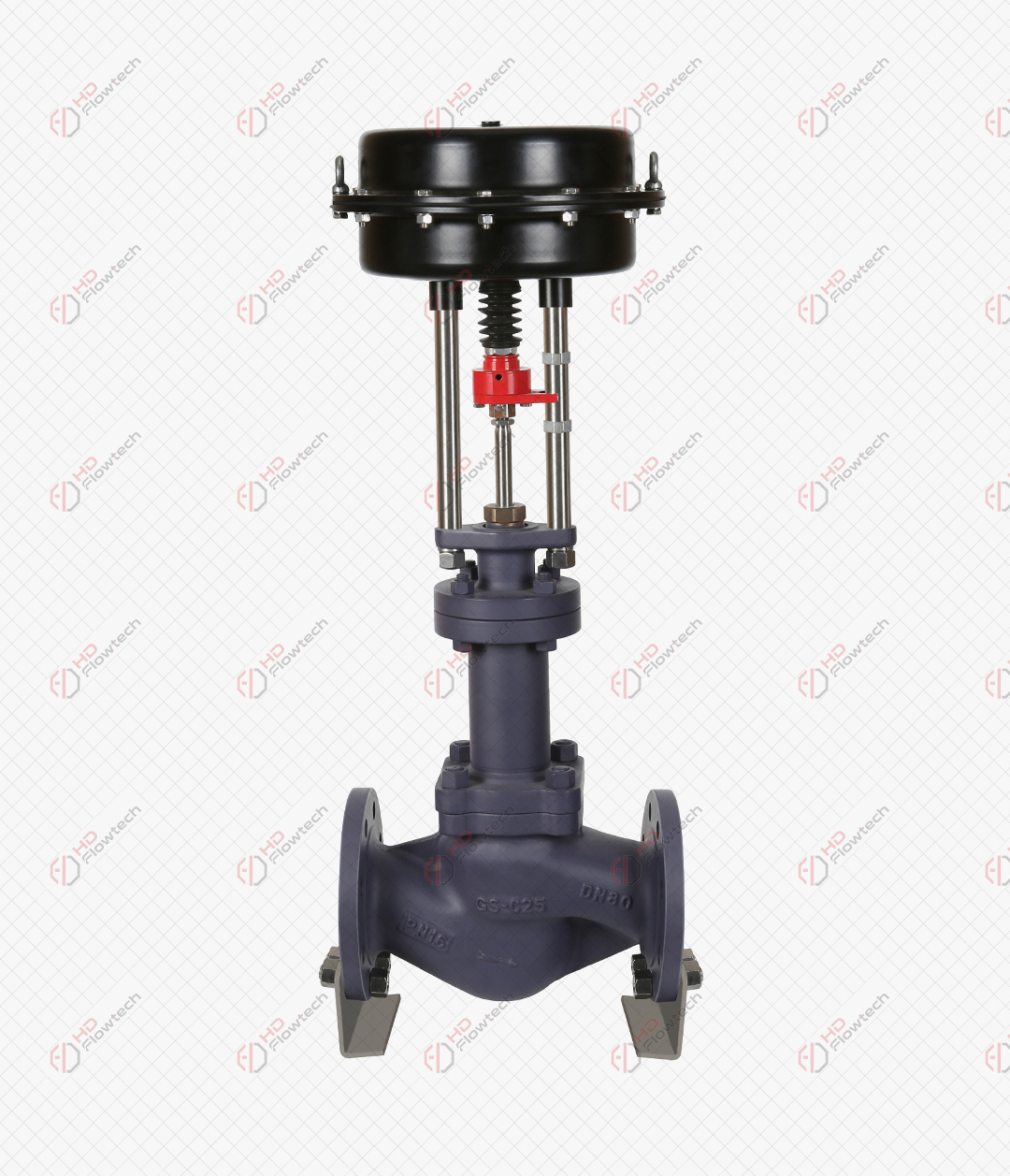
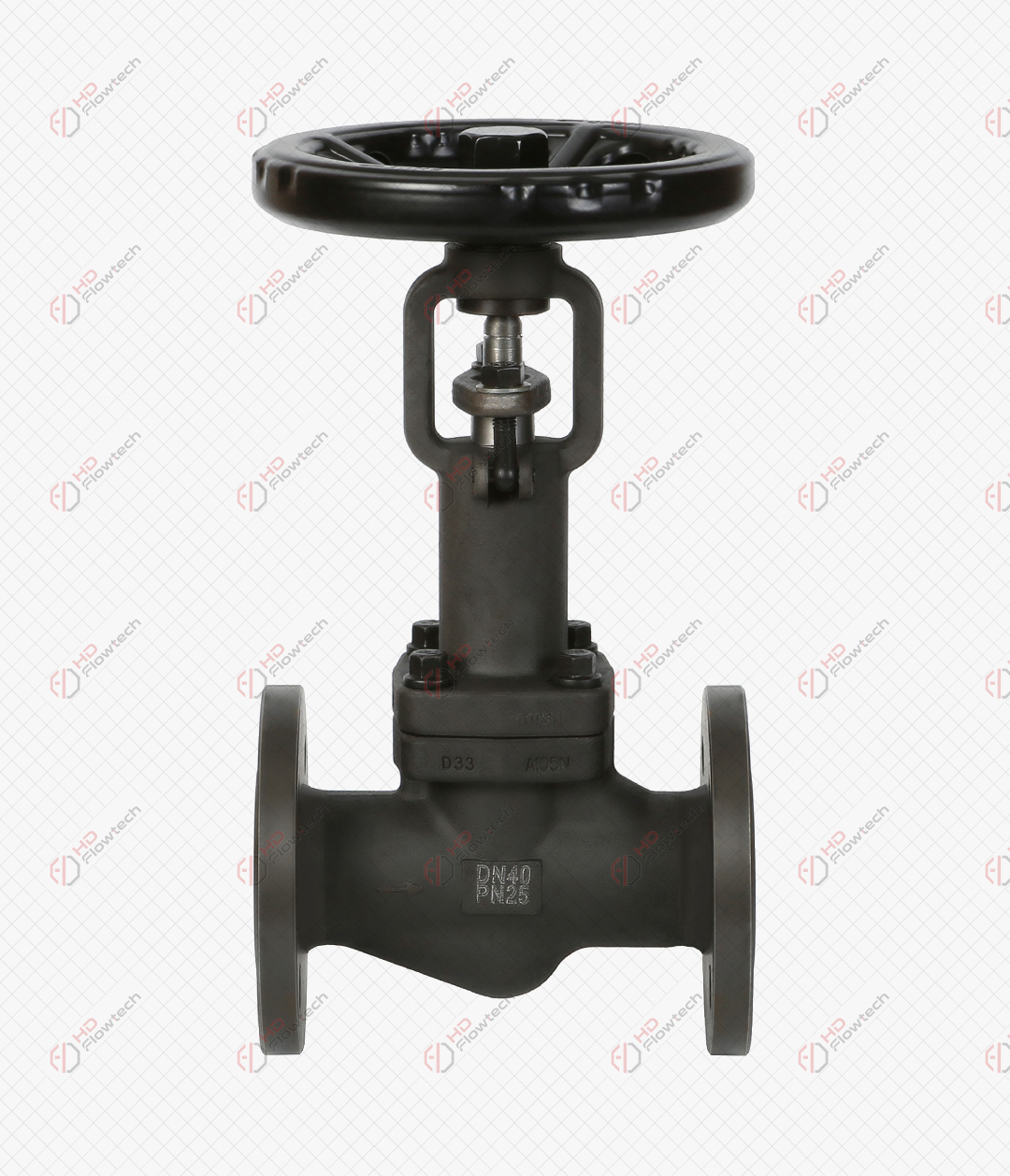
Cast steel globe valves with pneumatic actuation are selected for automated isolation and throttling service in large-bore process pipeline systems where remote operation, high cycle frequency, or emergency shut-down (ESD) requirements make manual actuation impractical. The globe valve body design provides precise flow regulation capability across the full stroke, making pneumatic globe valves the standard specification for process control, steam conditioning, pressure letdown, and flow balancing duty in oil & gas, petrochemical, power generation, and chemical processing facilities.
Double-acting pneumatic cylinder actuators are specified for large-bore and high-pressure globe valves where high output thrust is required for reliable actuation against differential pressure. Spring-return pneumatic actuators are selected for fail-safe applications where the valve must default to a defined open or closed position on loss of instrument air supply — a critical safety requirement for ESD and process protection systems. Integrated FRL units condition instrument air supply to the actuator, preventing moisture, particulate contamination, and pressure fluctuation from degrading actuator seal performance and service life.
Body material selection follows standard globe valve criteria — carbon steel (WCB) for general process service up to 425°C, alloy steel (WC6, WC9) for high-temperature steam and process applications up to 600°C, and stainless steel (CF8, CF8M) for corrosive media. Actuator sizing is determined by valve bore, differential pressure, required thrust, and operating speed — with pneumatic actuation preferred over electric for high-cycle, fast-response, and hazardous area applications where compressed air is available. Design standards ASME B16.34, BS 1873, and API 623 govern pressure-temperature ratings and material requirements across all service conditions.