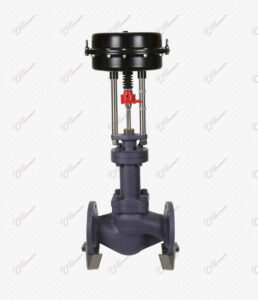
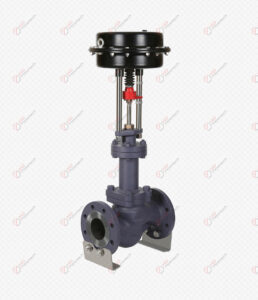
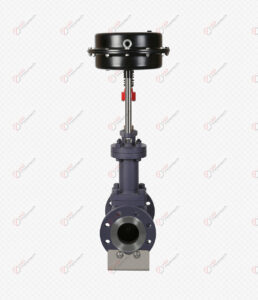
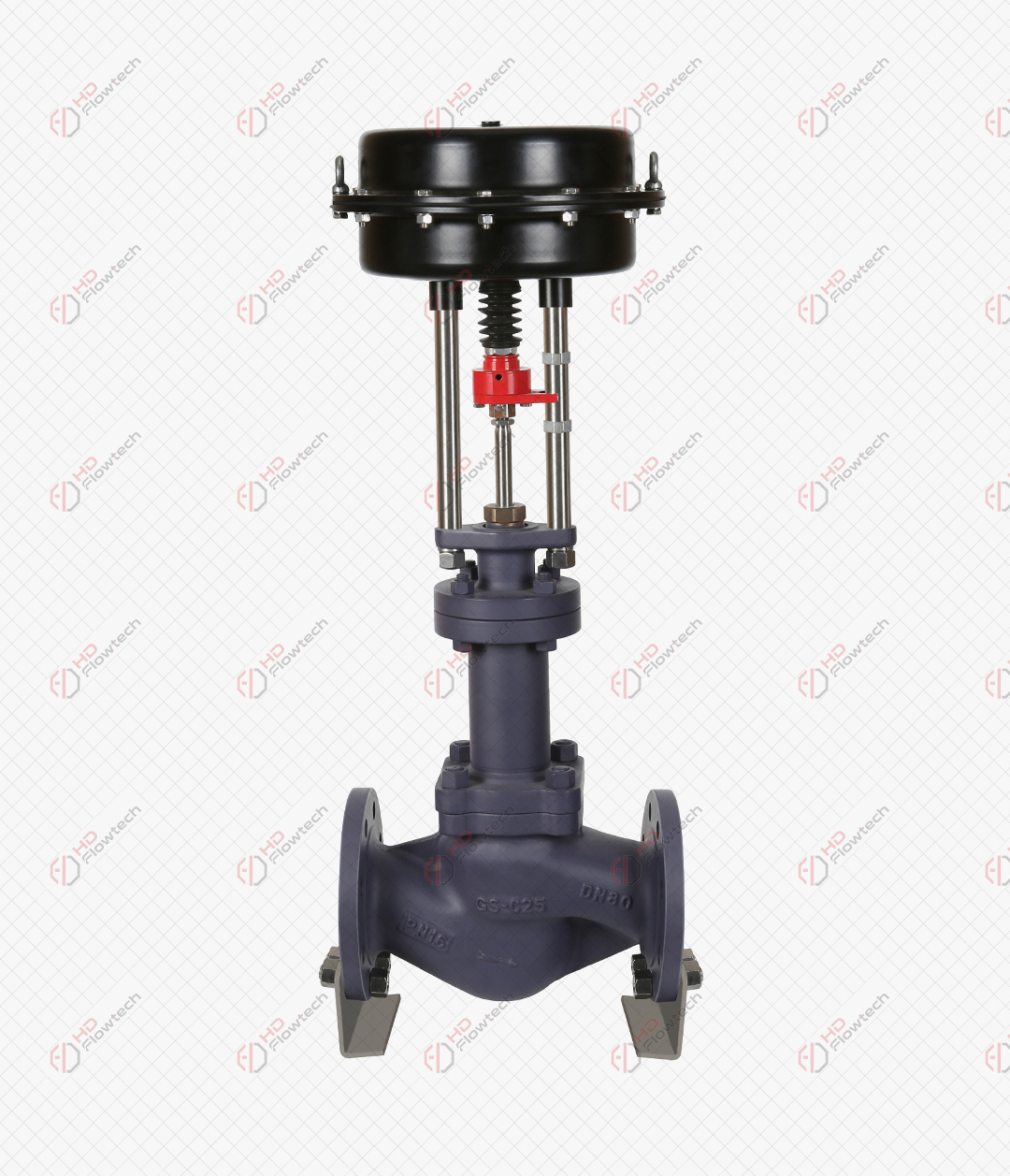
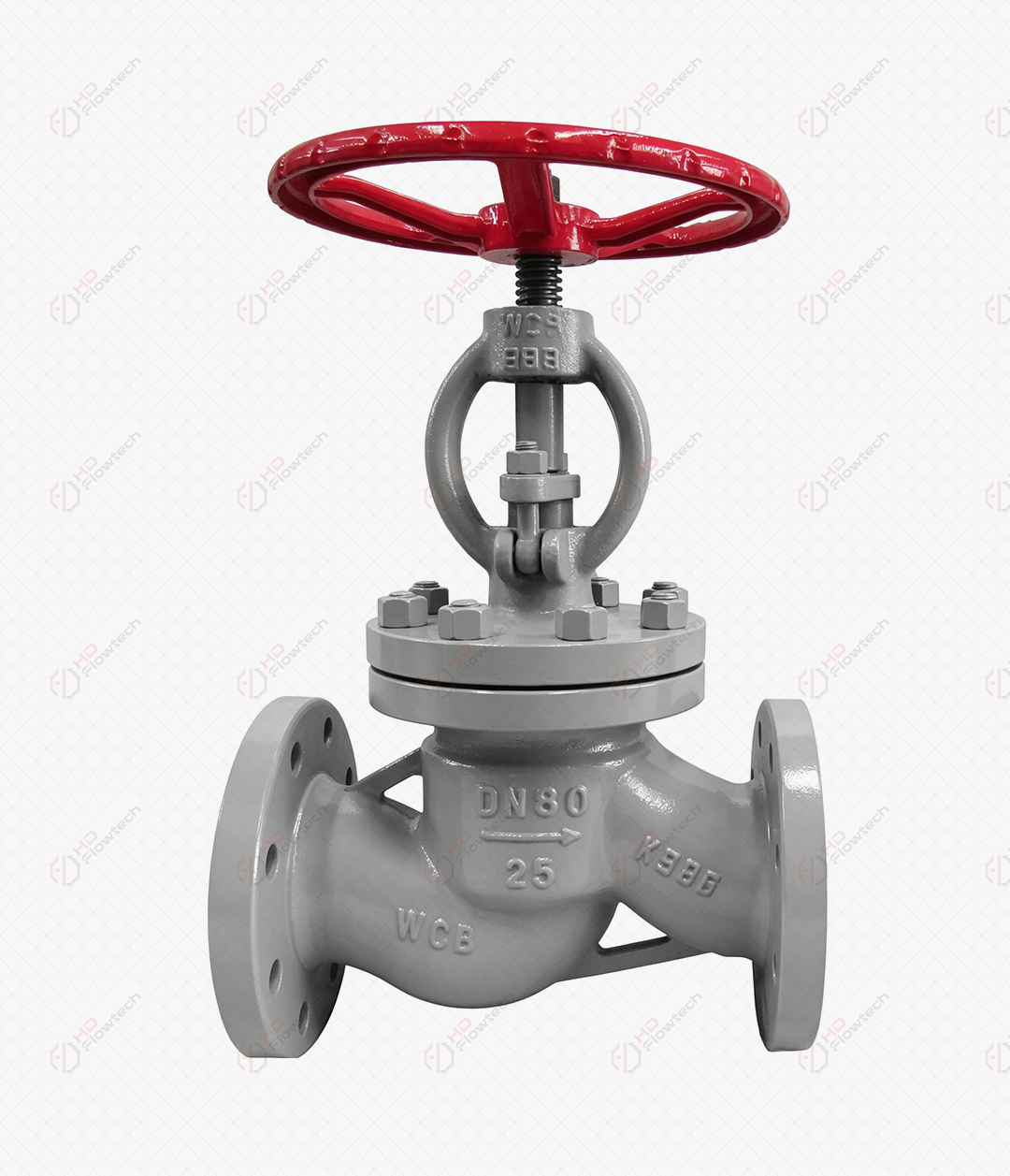
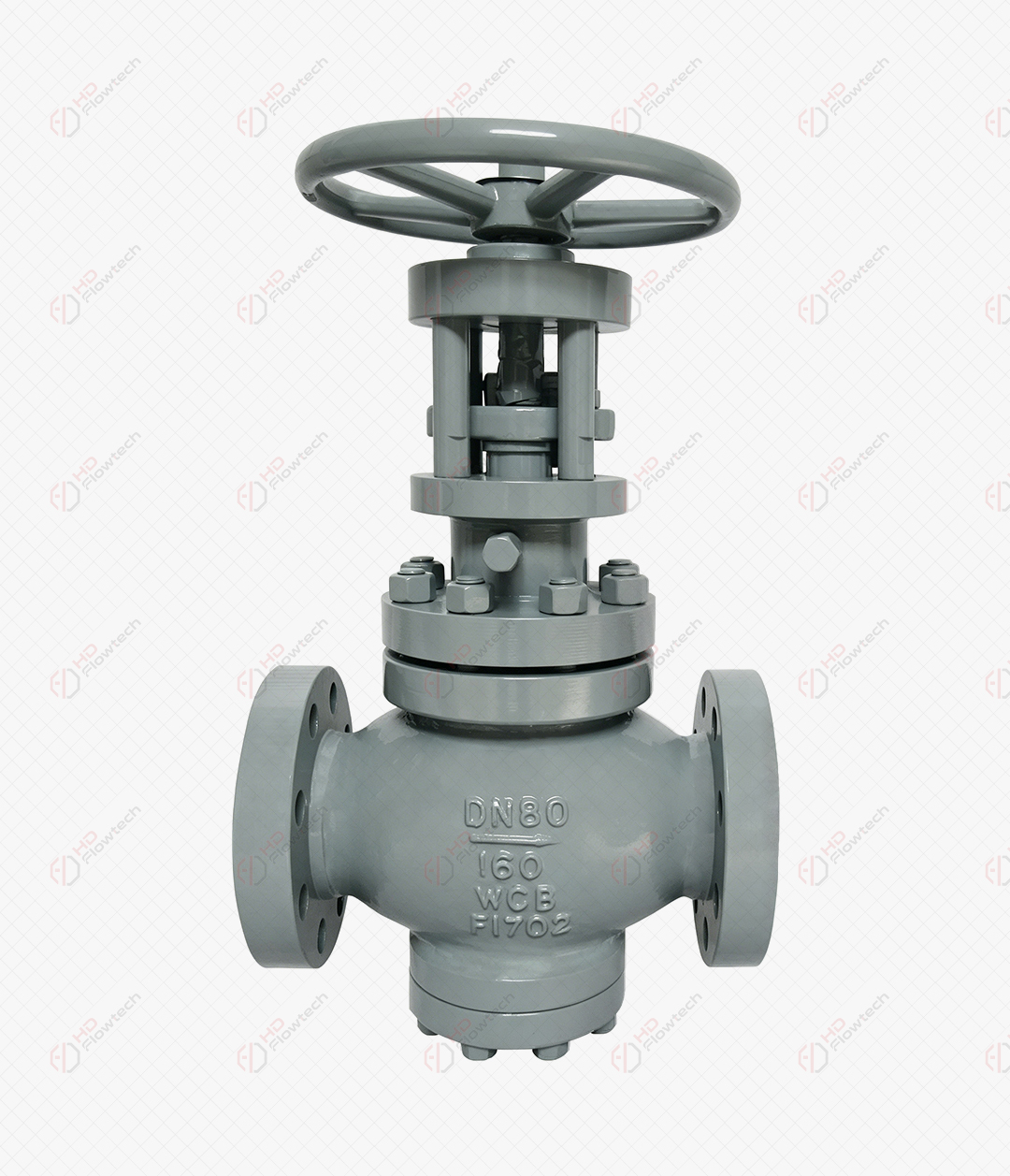
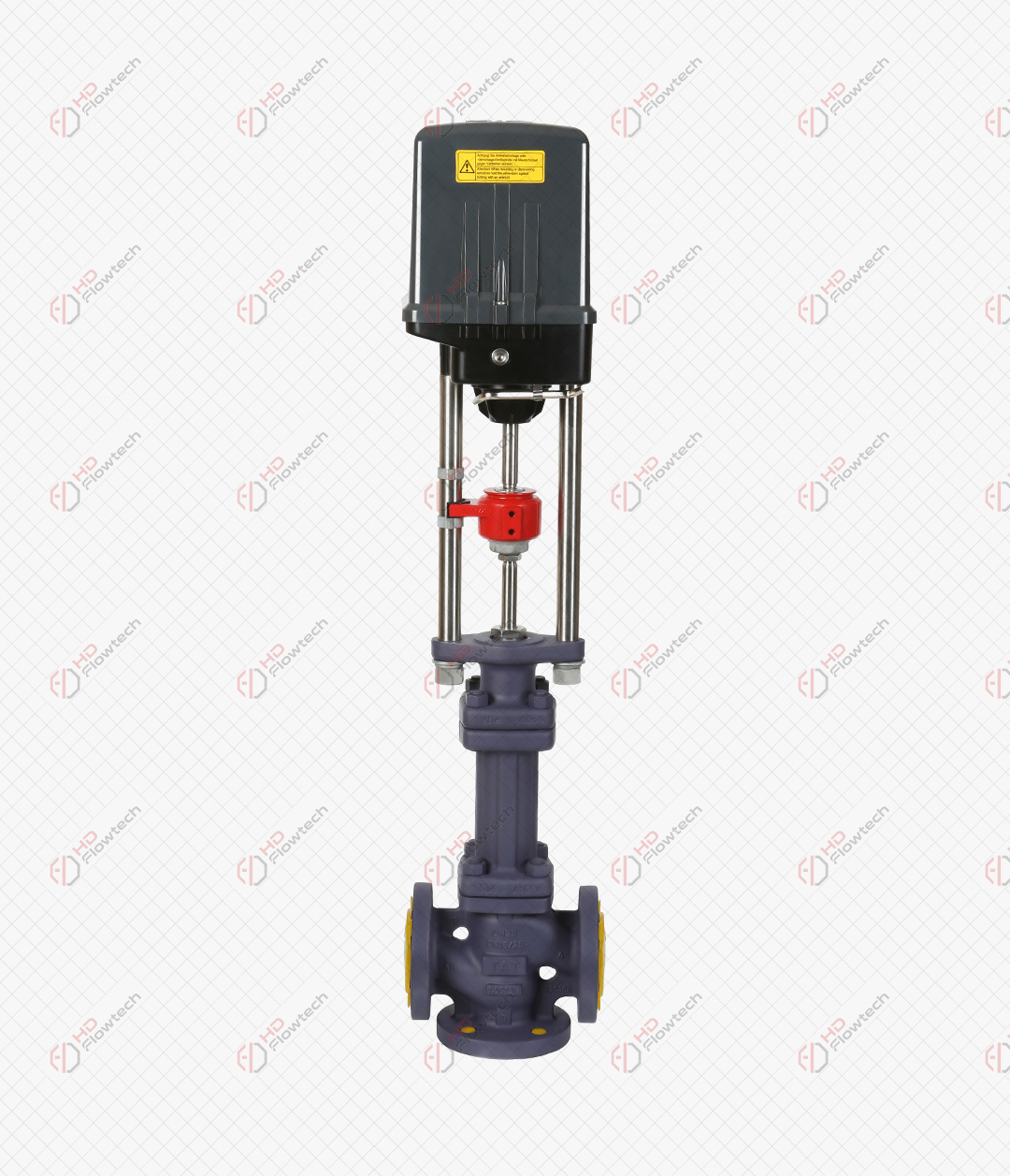
Pneumatic diaphragm control valves are the standard specification for continuous flow modulation and process control service in HVAC, building services, steam distribution, and general utility systems where precise, repeatable flow regulation is required in response to control system signals. The spring-return diaphragm actuator provides inherently stable proportional positioning with fail-safe capability — a critical requirement for heating and cooling circuits where valve failure to an unsafe position could cause equipment damage or loss of building environmental control.
Small-bore pneumatic diaphragm control valves at PN10–PN40 are widely used in building mechanical systems for chilled water and heating water flow balancing, steam flow control to heat exchangers and air handling units, and pressure regulation in steam distribution systems. The compact diaphragm actuator with spring return is the preferred actuation method for small-bore control valves in building services, providing reliable proportional control with minimal air consumption and straightforward pneumatic signal interface to building management systems.
Equal percentage flow characteristic is the standard selection for heating and cooling coil control and steam flow regulation, providing uniform process gain across the operating range for stable temperature control loop performance. Linear characteristic is selected for level control and direct proportional flow applications. Body material selection — GS-C25 and WCB for standard steam and water service, stainless steel (CF8, CF8M) for corrosive media, and ductile iron (GGG40) for general HVAC service — is determined by fluid type and operating temperature. Design standards IEC 60534 and EN 60534 govern control valve sizing, flow characteristic, and seat leakage classification for HVAC and process control service