Globe Valve

Pressure Seal Globe Valve

Pressure Rating
Class 150 – 2500 (PN16 – PN420)
Body Material
WCB / WC6 / WC9 / LCB / A105 / F11 / F22 / F91 / F304 / F316 / Duplex / Super Duplex
Trim Material (Disc / Seat / Stem)
SS410 / SS304 / SS316 / Duplex / 17-4PH / Hard-faced (Stellite Overlay)
Seat Type
Metal Seat / Stellite Overlay / Hardened Seat
Size Range
1/2” – 24” (DN15 – DN600)
Manufacturing
Casting / Forged
Construction Type (1)
Straight Pattern / Y-Pattern / Angle Pattern
Construction Type (2)
Bolted Bonnet / Pressure Seal Bonnet / Welded Bonnet
Stem Design
Rising Stem (OS&Y)
End Connections
Flanged / Butt-weld / Socket-weld / Threaded
Operation
Handwheel / Gear Operator / Electric Actuator / Pneumatic Actuator / Hydraulic Actuator
Working Temperature
-46°C to 600°C (depending on material and trim selection)
Design Standards
API 600 / API 602 / ASME B16.34 / BS 1873 / EN 13709 / DIN 3356 / JIS B2071 / GB/T 12235
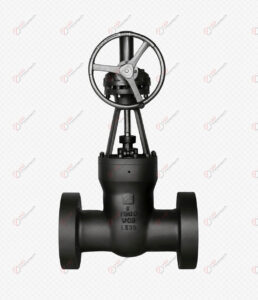
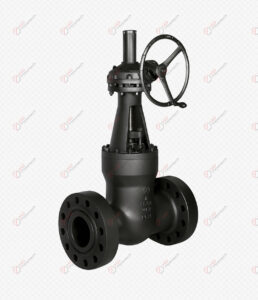
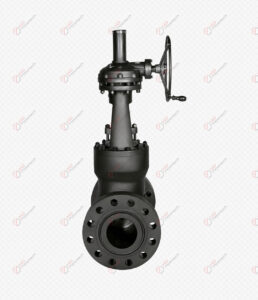
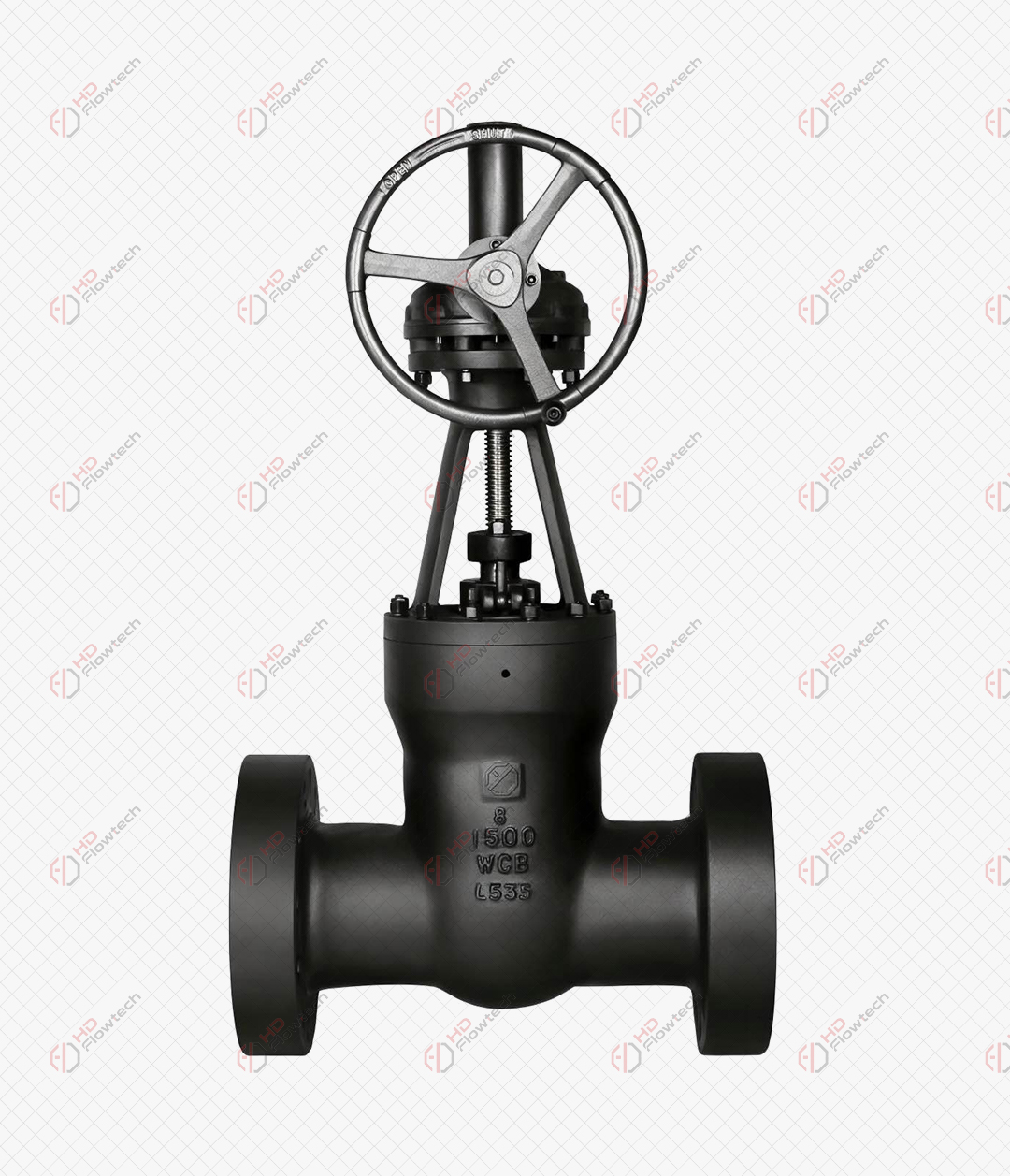
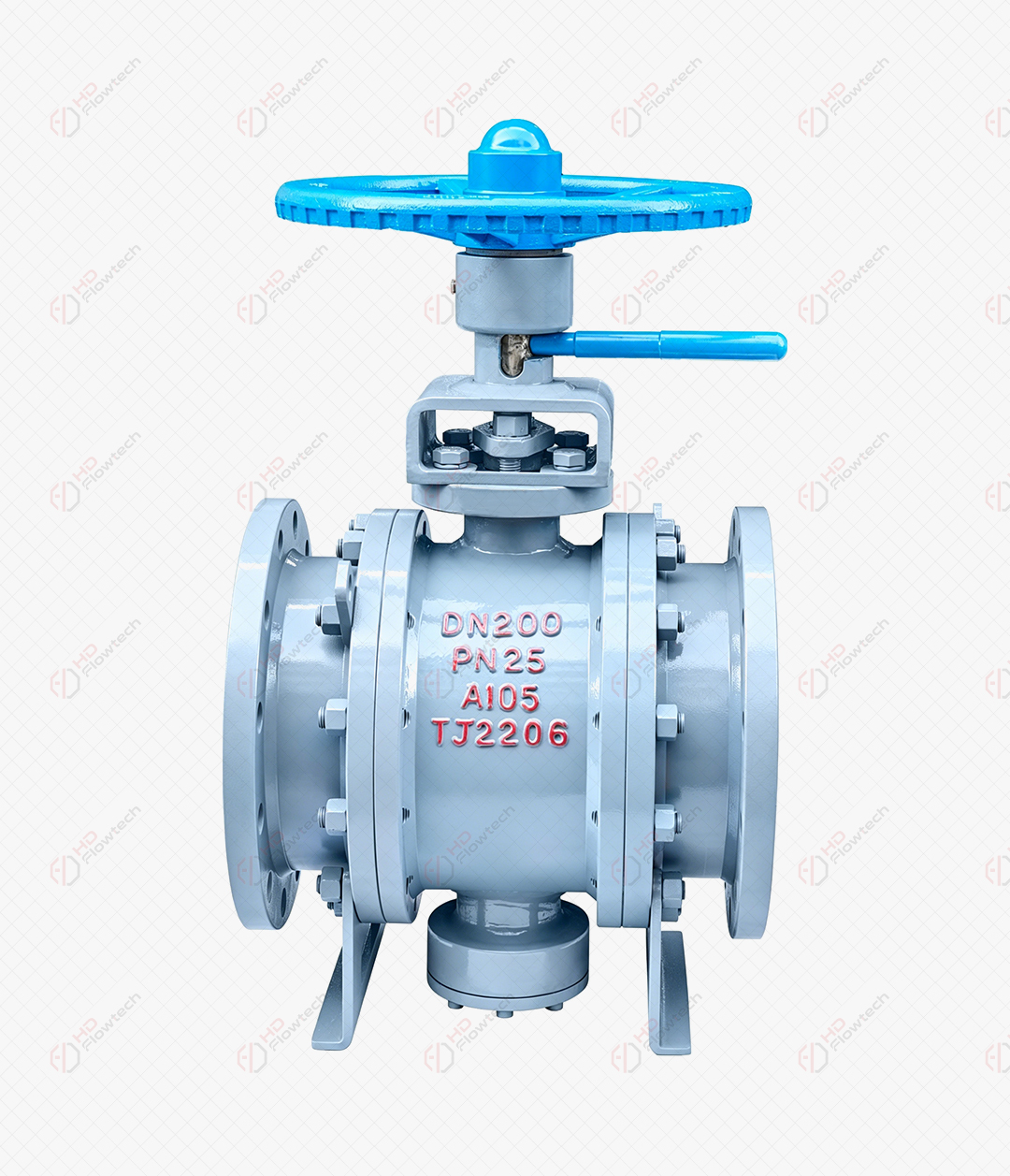
In the picture is a high-pressure globe valve (pressure seal bonnet type), featuring a cast carbon steel body (WCB), Class 1500 pressure rating, and flanged end connections, externally coated for corrosion protection. The valve uses a linear motion plug and seat design, providing precise throttling capability and reliable shut-off under high-pressure and high-temperature conditions. The pressure seal bonnet construction enhances sealing performance by utilizing internal pressure to improve the tightness of the bonnet joint, reducing leakage risk in critical service. Internal trim components are typically stainless steel or hard-faced (e.g., Stellite overlay) to resist erosion, high-velocity flow, and thermal stress. This type of globe valve is widely used in power plants, high-pressure steam systems, boiler feedwater lines, and oil & gas processing facilities, where accurate flow control, durability, and safe operation under severe conditions are required.

Globe valves are specified where precise flow control, throttling capability, and reliable shut-off are required in fluid systems. Their linear motion design uses a plug (disc) and seat arrangement that forces the fluid to change direction within the body, allowing accurate regulation of flow rate and pressure. This makes them widely used for throttling service rather than full open/close isolation. Compared to gate and ball valves, globe valves provide superior control performance but introduce higher pressure drop due to the flow path design.

Globe valve types are selected based on flow pattern and performance requirements. Straight pattern globe valves are the most common, used for general throttling and isolation service in process systems. Y-pattern globe valves feature an angled flow path that reduces turbulence and pressure drop, making them suitable for high-pressure and high-temperature service such as steam systems. Angle pattern globe valves are designed for applications requiring a 90-degree change in flow direction, combining flow control and piping layout flexibility in one valve.

Beyond standard designs, globe valves can be configured for specialized applications. Hard-seated globe valves with Stellite or hardened trim are used in high-temperature, high-pressure, or erosive service where durability is critical. Soft-seated globe valves are applied in lower temperature systems requiring tighter shut-off. Cage-guided or multi-stage trim designs are used in control applications to reduce cavitation, noise, and vibration under severe service conditions.

Stem and sealing design vary depending on service conditions. Rising stem designs provide visual indication of valve position and are commonly used in above-ground installations. Backseat design allows packing replacement under pressure, improving maintenance safety. High-performance packing systems are used to minimize leakage, especially in hydrocarbon and critical service applications.

Globe valve construction varies by body design and pressure class. Bolted bonnet designs are used for general service and allow easy maintenance. Pressure seal bonnet designs are applied in high-pressure applications, where internal pressure enhances sealing performance and reduces leakage risk. End connections include flanged, butt-weld, and socket-weld types, providing flexibility for different piping systems and standards.

Globe valves are typically manufactured using cast construction (WCB, WC6, WC9, stainless steel) for general applications, with forged construction used for small-bore high-pressure service. Trim materials are selected based on operating conditions, ranging from stainless steel to hard-faced alloys for high temperature, high velocity, and corrosive environments.

Low Pressure — PN16 / PN25 / Class 150
For water systems, utility service, and general process applications. Cast body construction with standard stainless steel trim. Cost-effective solution for basic throttling and shut-off requirements.

Medium Pressure — PN40 / Class 300
For industrial process systems, steam service, and general plant applications. Improved sealing and durability with upgraded trim materials. Suitable for both throttling and moderate pressure service.

High Pressure / High Temperature — PN63–PN420 / Class 600–2500
For critical service in oil & gas, petrochemical, and power generation. Pressure seal bonnet design with hard-faced trim ensures reliable performance under high temperature, high pressure, and erosive conditions. Compliant with API 600, BS 1873, and ASME B16.34 for severe service applications.

Get in Touch with Us

Thanks for all the renowned partners for the trust and recognition