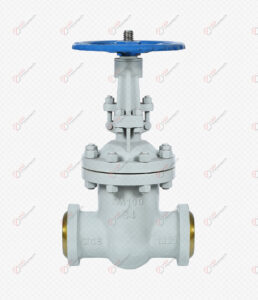
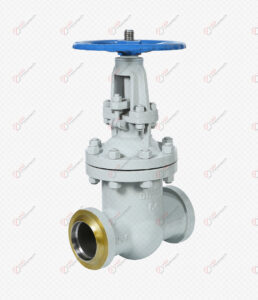
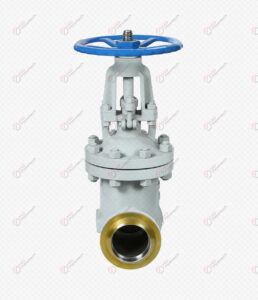
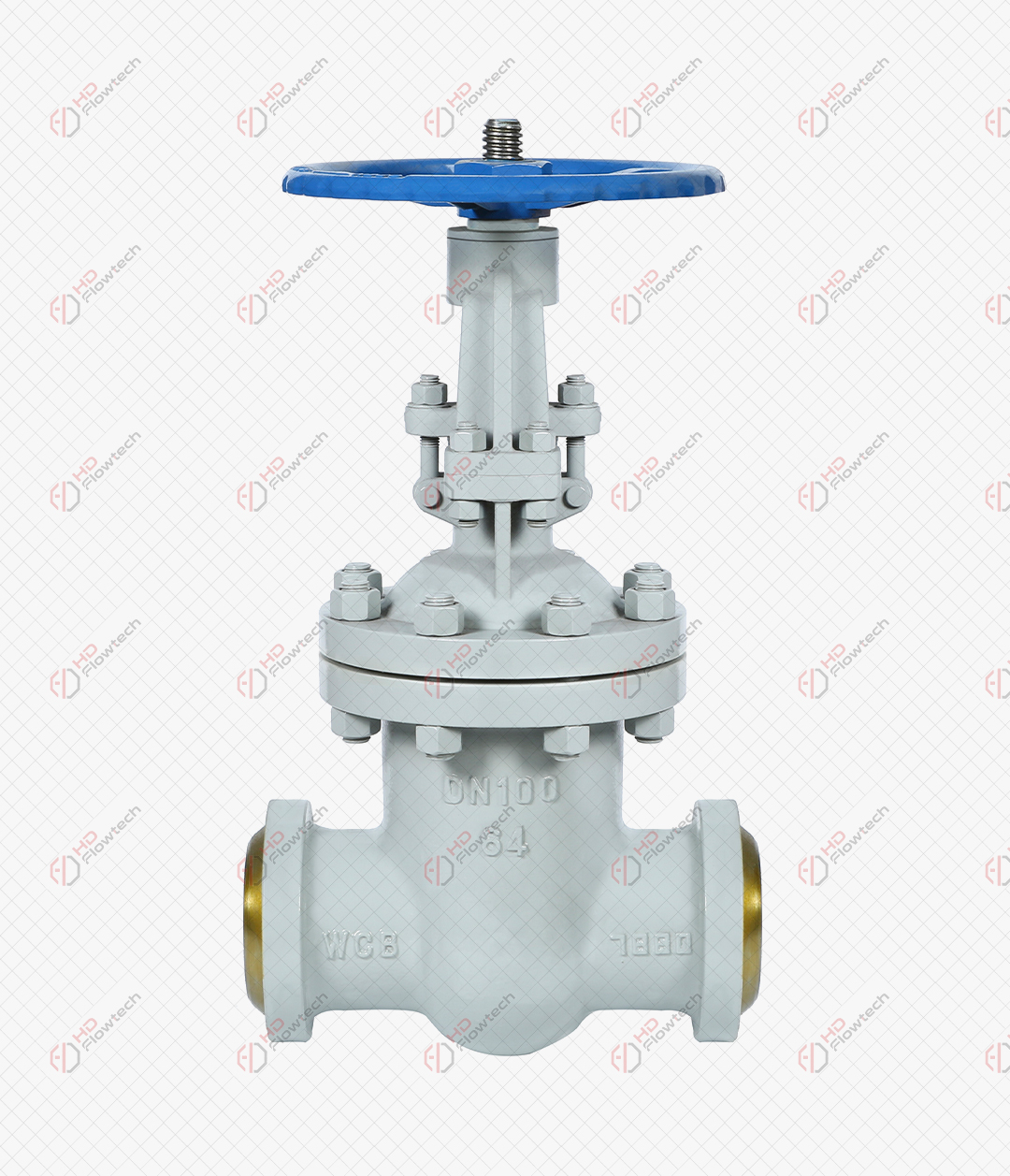
Socket weld gate valves are selected for full-bore isolation service in small-bore, high-pressure process piping at DN100 and below, where the fully welded socket connection eliminates flanged joint leak paths and reduces installation space compared to flanged alternatives. The socket weld connection provides a robust, leak-free joint suitable for high-pressure, high-temperature, and vibration-prone process piping systems where flanged joint integrity under cyclic loading is a concern.
Socket weld end connections are the standard specification for small-bore Class 400–1500 process piping in oil & gas, petrochemical, and power generation facilities, where minimizing potential leak points in dense plant piping arrangements is a safety and environmental requirement. The socket weld joint is permanent — requiring pipe cutting and re-welding for valve removal — making socket weld designs most appropriate for stable process systems where valve removal frequency is low and the reduction in leak points justifies the more complex maintenance procedure compared to flanged alternatives.
Body material selection follows standard gate valve criteria — WCB for general process service up to 425°C, alloy steel (WC6, WC9) for high-temperature steam and process applications up to 600°C, and stainless steel (CF8, CF8M) for corrosive media. Bronze seat inserts are specified for general water and utility service, with Stellite overlay and hard-faced integral seats selected for high-temperature steam and erosive process applications. Design standards API 600, ASME B16.34, and ASME B16.11 govern cast steel socket weld gate valve pressure-temperature ratings, material requirements, and socket weld end connection dimensions.