Ball Valve

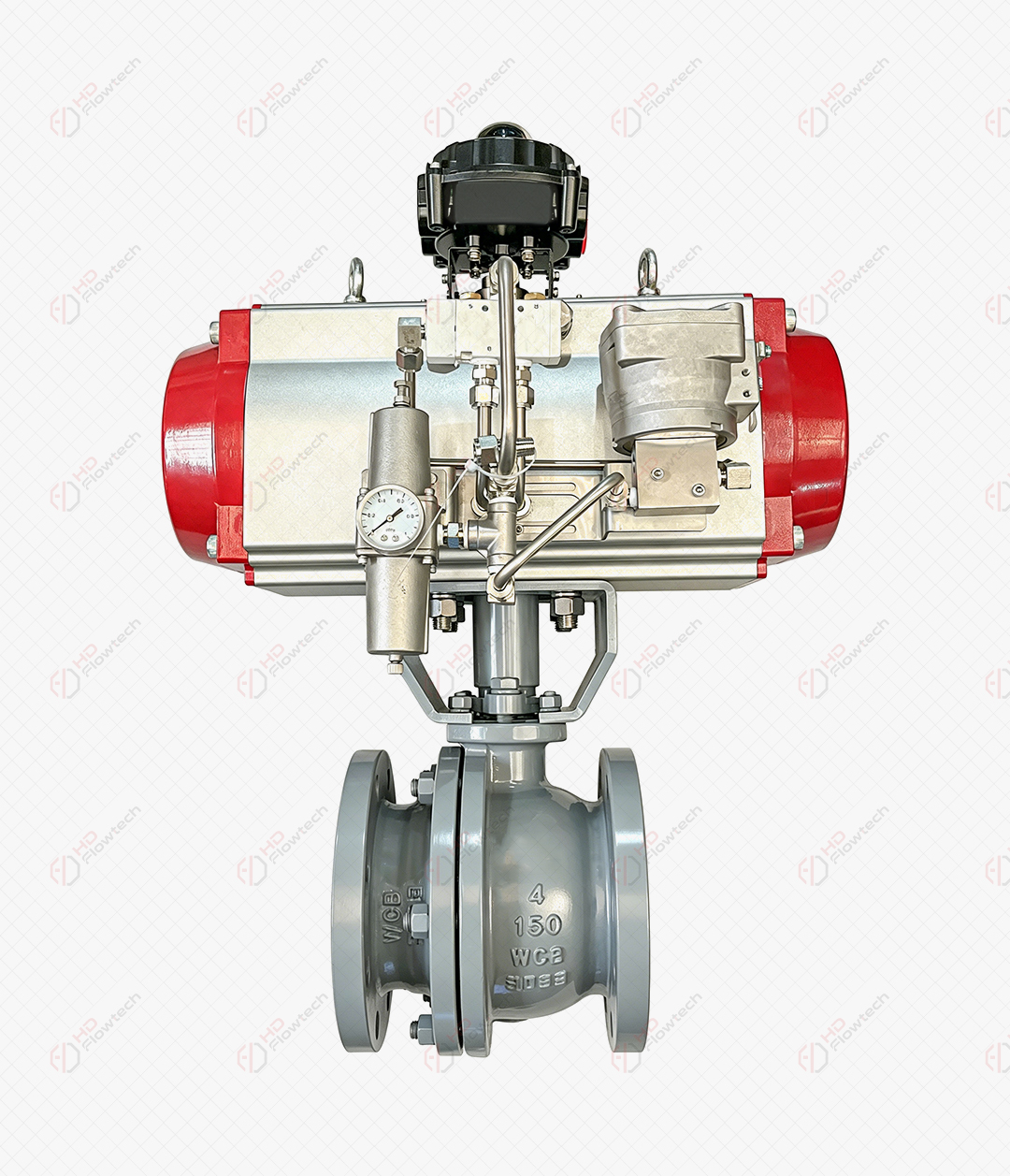
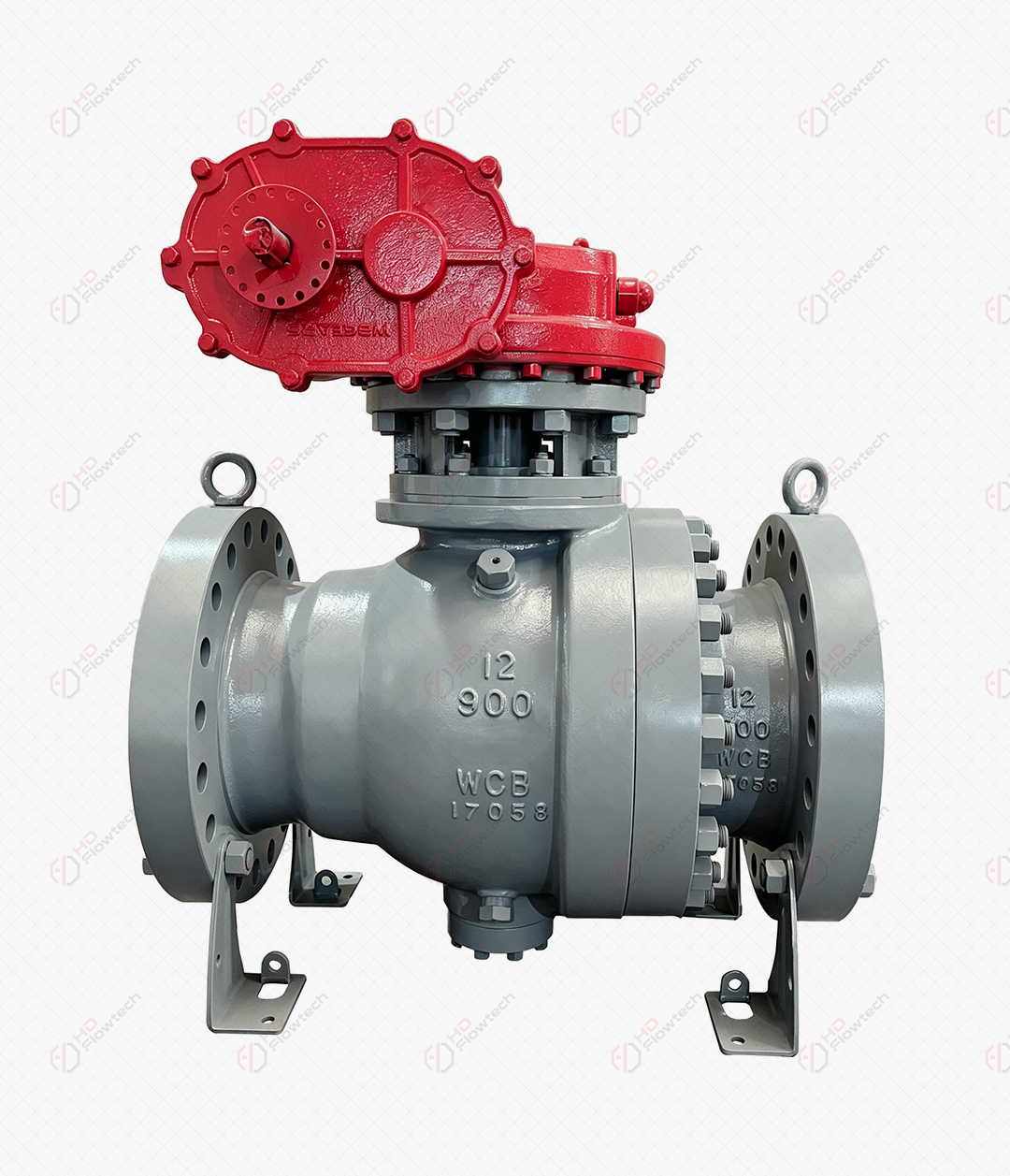
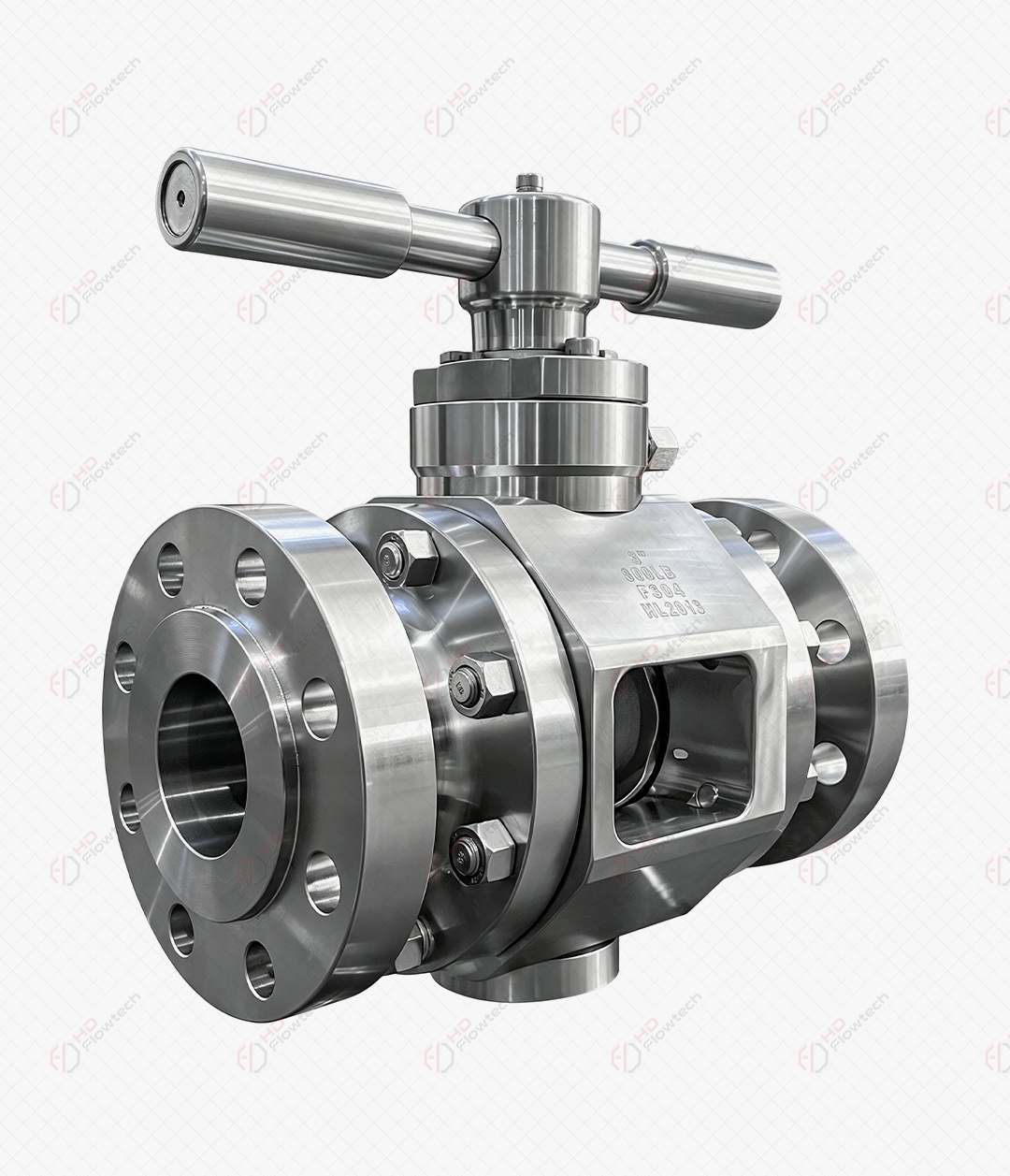
Forged Steel Floating Ball Valve — Reduced Bore Flanged General Process Service

Valve Type
Forged Steel Floating Ball Valve — Reduced Bore Flanged General Process Service
Size Range
DN15 – DN200 (1/2" – 8")
Pressure Class
PN20 – PN260 (Class 150 – 1500)
Body Material
A105N / A105 / F316 / F304 / F11 / F22 / F51 Duplex
Seat Material
PTFE / RPTFE / PEEK / Metal Seat (SS316 / Stellite)
End Connections
Flanged (ASME B16.5) / Socket Weld / Butt Weld
Operation
Lever / Gear Operator / Pneumatic Actuator / Electric Actuator
Working Temperature
−29°C to 200°C (PTFE) / up to 425°C (Metal Seat)
Design Standard
API 6D / ASME B16.34 / BS 5351
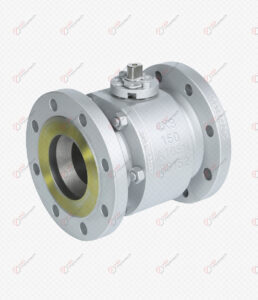
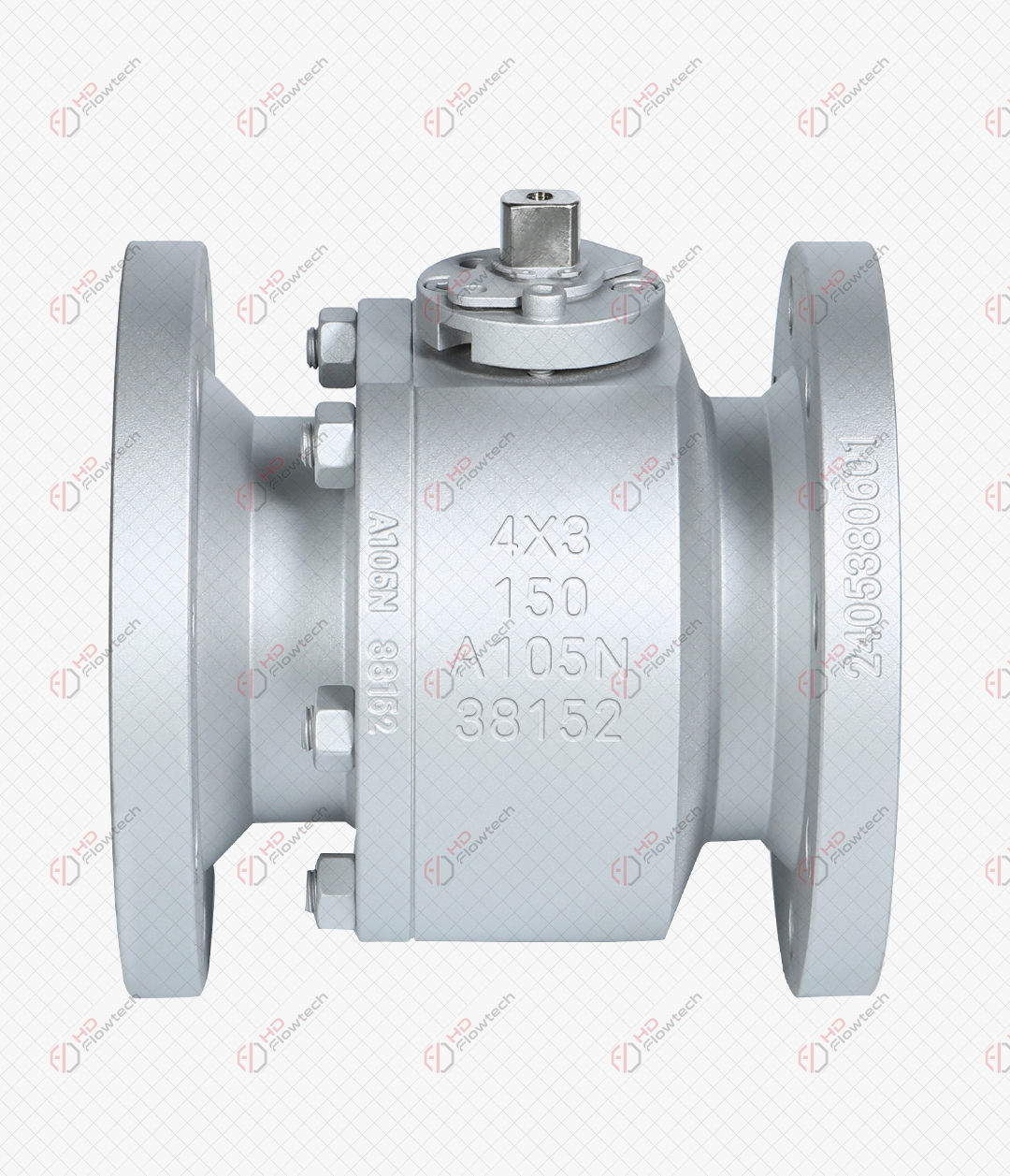
HD Flowtech forged steel reduced bore floating ball valves are designed for on/off isolation service in general process and utility pipeline systems where a reduced flow bore is acceptable and compact valve face-to-face dimensions are required. The A105N carbon steel forged body provides superior structural integrity and material consistency at Class 150 operating pressures, suitable for process plant isolation, utility lines, and general industrial piping service. The 4" x 3" reduced bore configuration — 4" flanged end connections with a 3" ball bore — allows installation into 4" pipeline systems while reducing valve weight, overall dimensions, and cost compared to a full-bore equivalent, making it a practical selection where full-bore flow capacity and pigging compatibility are not required. The two-piece forged body construction with diamond-pattern knurled surface provides a compact, robust valve with high pressure-containing integrity for general process applications. The top-mounted ISO 5211 actuator mounting pad allows direct actuator installation for automated remote operation without additional adapters. Flanged end connections to ASME B16.5 Class 150 ensure direct integration into standard process pipeline flange systems.

Ball Valve Technical Overview

How to Choose the Right Ball Valve for Industrial Applications

Reduced bore ball valves are selected for on/off isolation service in process and utility pipeline systems where full-bore flow capacity is not required and the reduced valve size, weight, and cost of a reduced bore design offer practical installation and procurement advantages. The reduced bore design accepts a smaller ball and seat assembly within a larger flanged body — providing a cost-effective isolation solution for applications where pressure drop across the valve is acceptable and inline pigging or flow measurement are not required.


Forged steel body construction (A105N, F304, F316) is specified for reduced bore ball valves in high-pressure and critical process applications, providing material homogeneity and mechanical consistency that cast body alternatives cannot reliably deliver at small-to-medium bore sizes. Floating ball construction is standard for reduced bore designs at Class 150–600, where the downstream pressure-seated ball provides reliable bubble-tight shut-off without the added complexity of trunnion-mounted designs.


Reduced bore valves are distinguished from full-bore designs by their Cv flow coefficient, which is lower due to the restricted bore diameter — an important consideration for pressure drop calculations in process system design. Where full-bore flow capacity, pigging compatibility, or minimal pressure drop are required, full-bore trunnion or floating ball valve designs should be selected instead. Body material selection follows standard ball valve criteria — A105N for general carbon steel service, stainless steel (F304, F316) for corrosive media, and alloy steel for high-temperature applications. Design standards API 6D, ASME B16.34, and BS 5351 govern reduced bore forged steel ball valves for process and pipeline service.

Learn More About Ball Valve

How to Choose the Right Ball Valve for Industrial Applications

Get in Touch with Us

Thanks for all the renowned partners for the trust and recognition