Ball Valve
Double Block and Bleed Ball Valve
Specification
Pressure Rating
Class 150 – 2500 (PN16 – PN420)
Body Material
WCB / WC6 / WC9 / LCB / A105 / F11 / F22 / F304 / F316 / Duplex / Super Duplex
Ball Material
SS410 / SS304 / SS316 / Duplex / Nickel Alloy / Hard Chrome Plated / Tungsten Carbide Coated
Seat Material
PTFE / RPTFE / PEEK / Devlon / Nylon / Metal Seat (Stellite / Tungsten Carbide Overlay)
Size Range
2” – 48” (DN50 – DN1200)
Manufacturing
Casting / Forged
Construction Type(1)
Floating Ball / Trunnion Mounted
Construction Type(2)
Bolted Body / Top Entry / Fully Welded
End Connections
Flanged / Butt-weld / Socket-weld
Operation
Lever / Gear Operator / Electric Actuator / Pneumatic Actuator / Hydraulic Actuator
Working Temperature
-46°C to 450°C (depending on material and seat selection)
Details
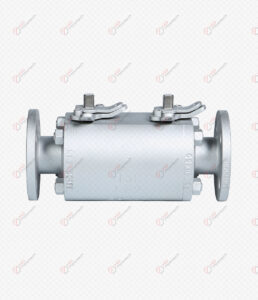
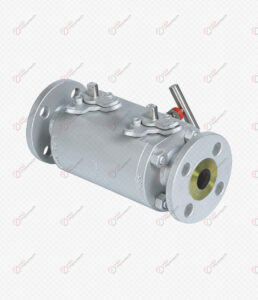
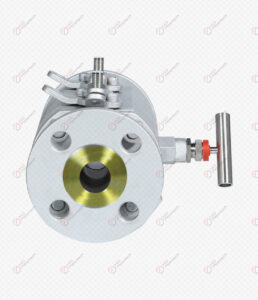
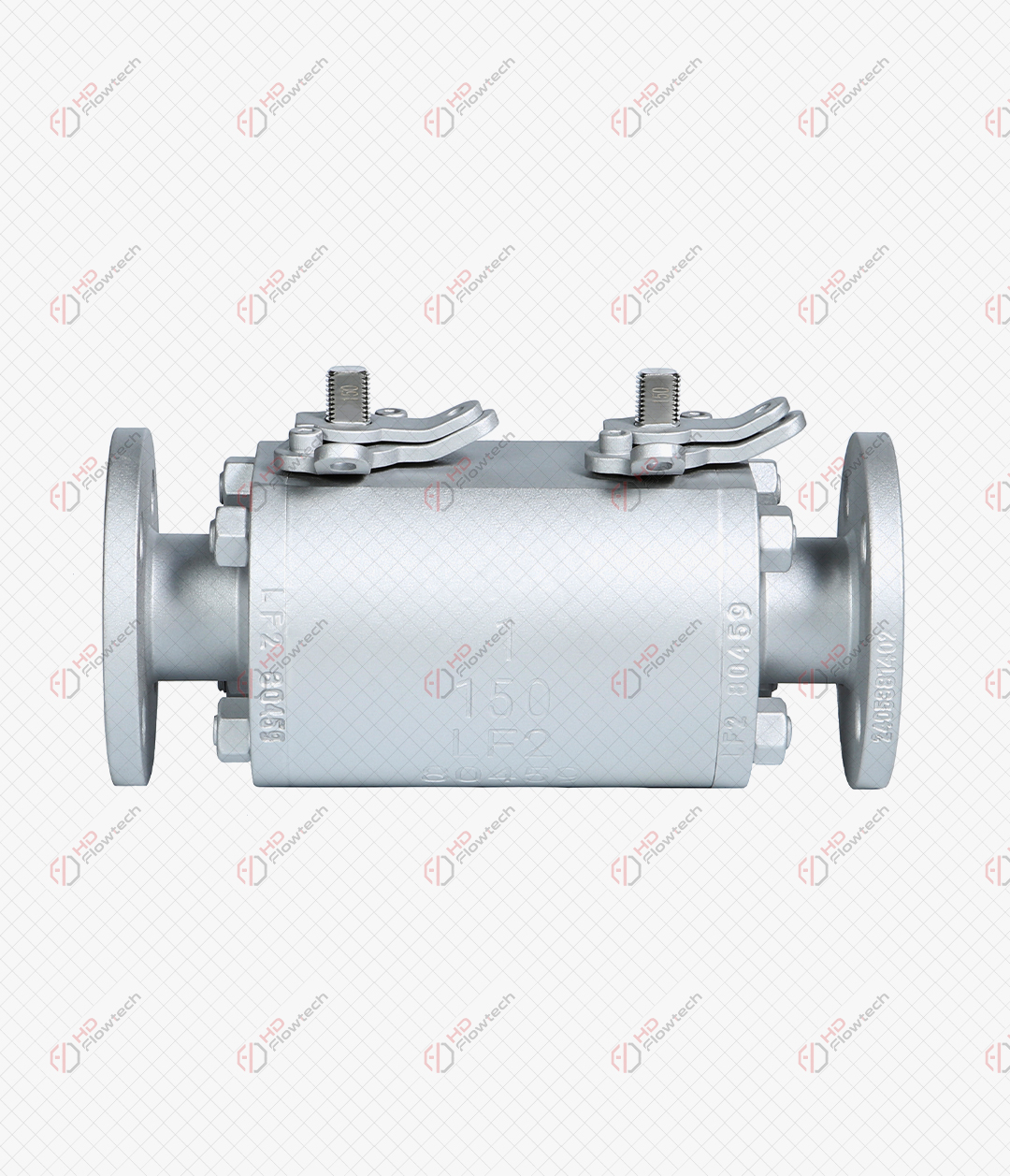
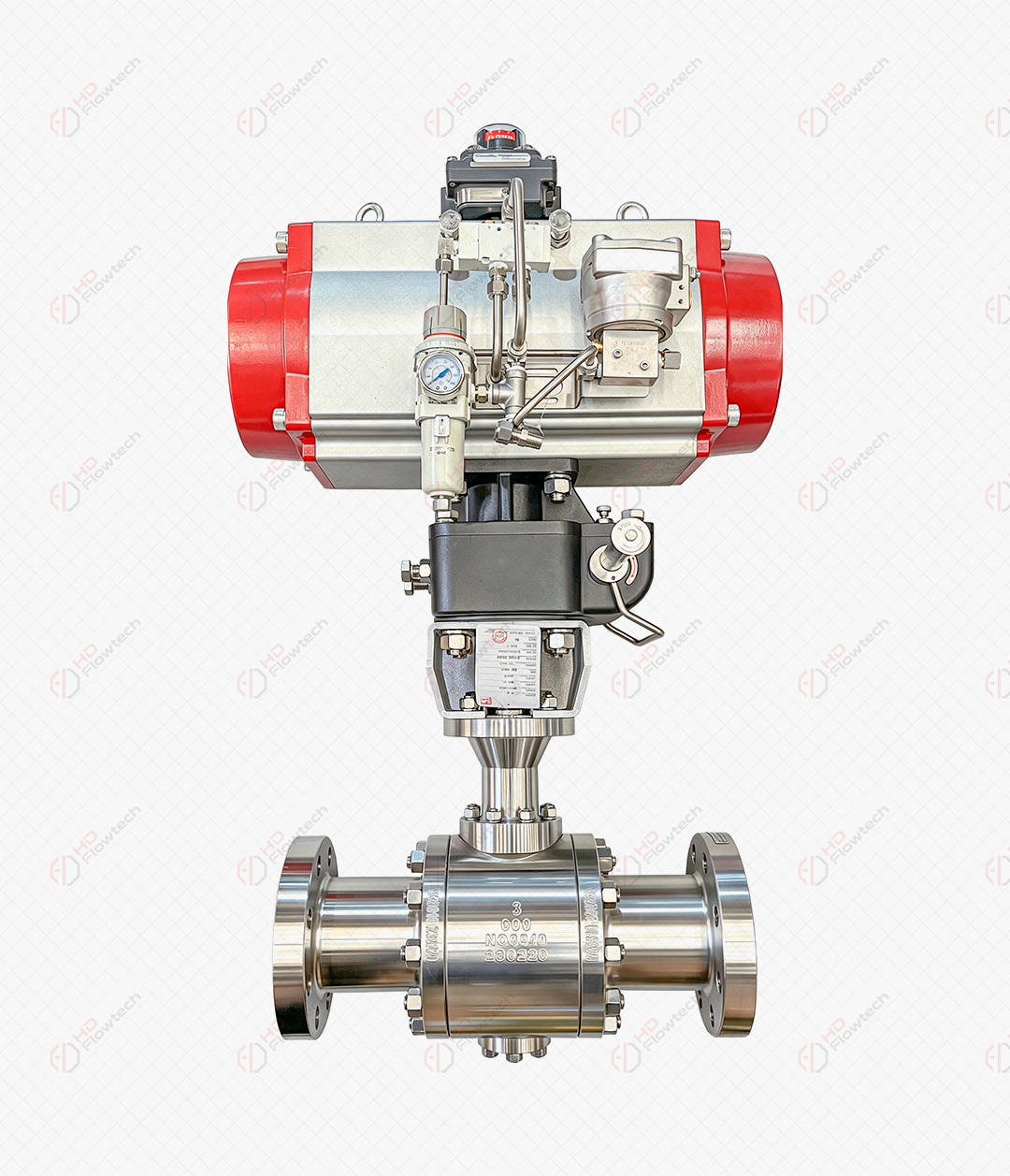
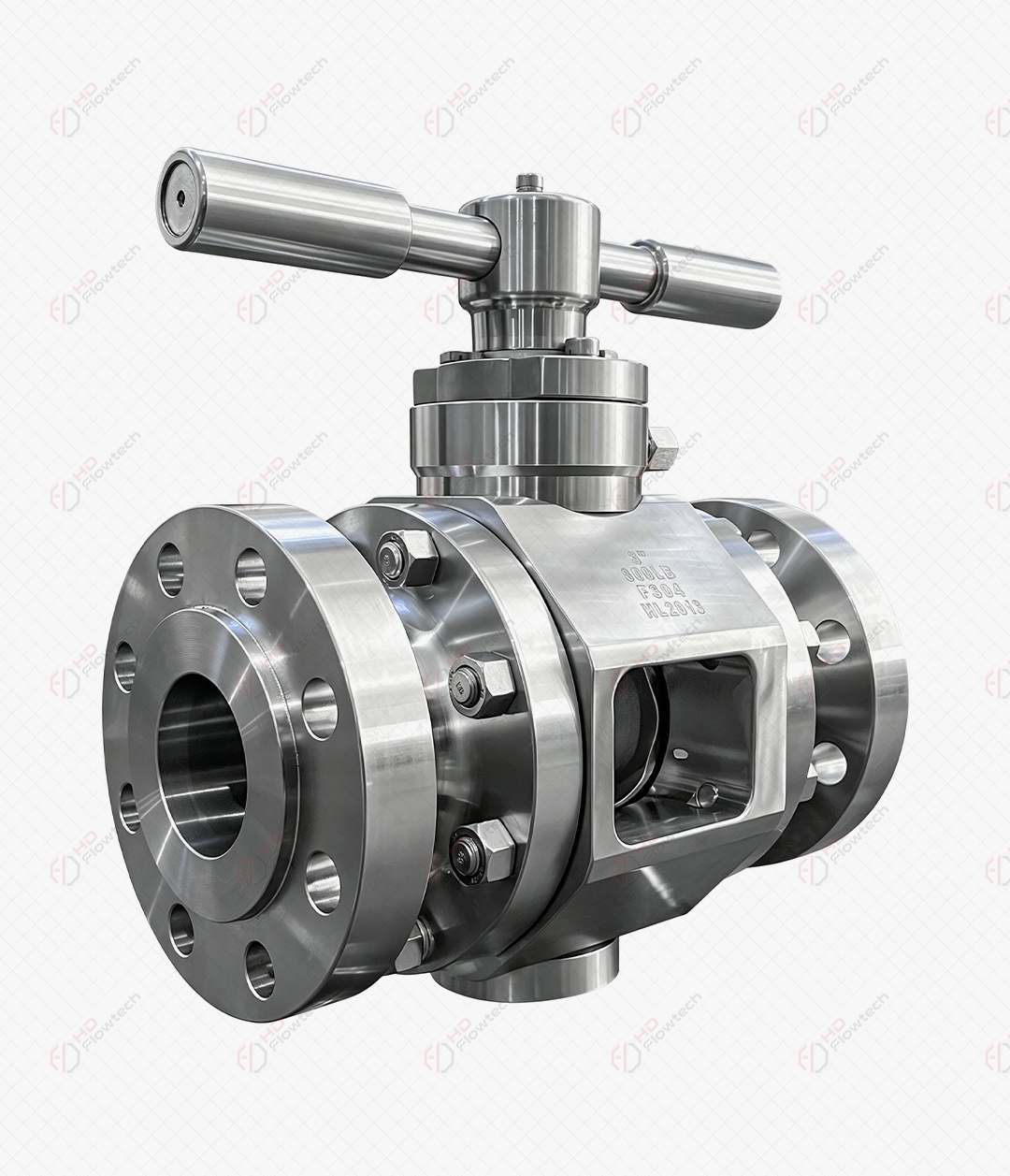
In the picture is a double block and bleed (DBB) ball valve, designed to provide two independent sealing barriers with an integrated bleed function for safe isolation and pressure release. The valve features a forged carbon steel body (A105 / LF2) or stainless steel construction, ensuring high strength and integrity for critical service, with a precision-machined ball and soft or metal seats to achieve reliable tight shut-off. The sealing surfaces are often hard-coated or corrosion-resistant treated, while the external surface is protected by industrial coating or anti-corrosion finish for long-term durability. This compact design integrates two isolation seats within a single valve body, along with a side-mounted bleed valve used to vent trapped pressure between the seals, allowing operators to verify zero leakage and ensure safe maintenance. The valve operates with a quarter-turn mechanism, offering fast and reliable shut-off with minimal pressure drop. It is widely used in oil & gas pipelines, upstream wellheads, tank farms, and high-pressure process systems, particularly in applications where positive isolation, safety verification, and space-saving compact design are required, such as instrumentation lines, custody transfer systems, and critical isolation points in EPC projects.
Ball valves are specified where fast, reliable shut-off is required with minimal pressure drop. Their quarter-turn rotary operation and spherical ball with full-bore or reduced-bore design provide tight shut-off and low flow resistance, making them suitable for on/off service rather than throttling. The sealing mechanism—soft seats (PTFE, RPTFE) or metal seats—ensures dependable isolation under varying pressure conditions, with minimal leakage over long service cycles. This makes them the standard selection for pipeline isolation, tank farm systems, pigging lines, compressor stations, and emergency shut-down (ESD) applications in oil & gas and process industries.
Trunnion-mounted ball valves are typically used for larger sizes and higher pressure classes, where the trunnion-supported ball reduces operating torque and stabilizes the sealing performance under high differential pressure. They are widely applied in transmission pipelines, high-pressure gas systems, and critical isolation duty. Floating ball valves, on the other hand, are generally used in smaller sizes and lower pressure applications, where the ball is pressure-seated against downstream seats, offering a simpler structure and cost-effective solution for general process and utility service.
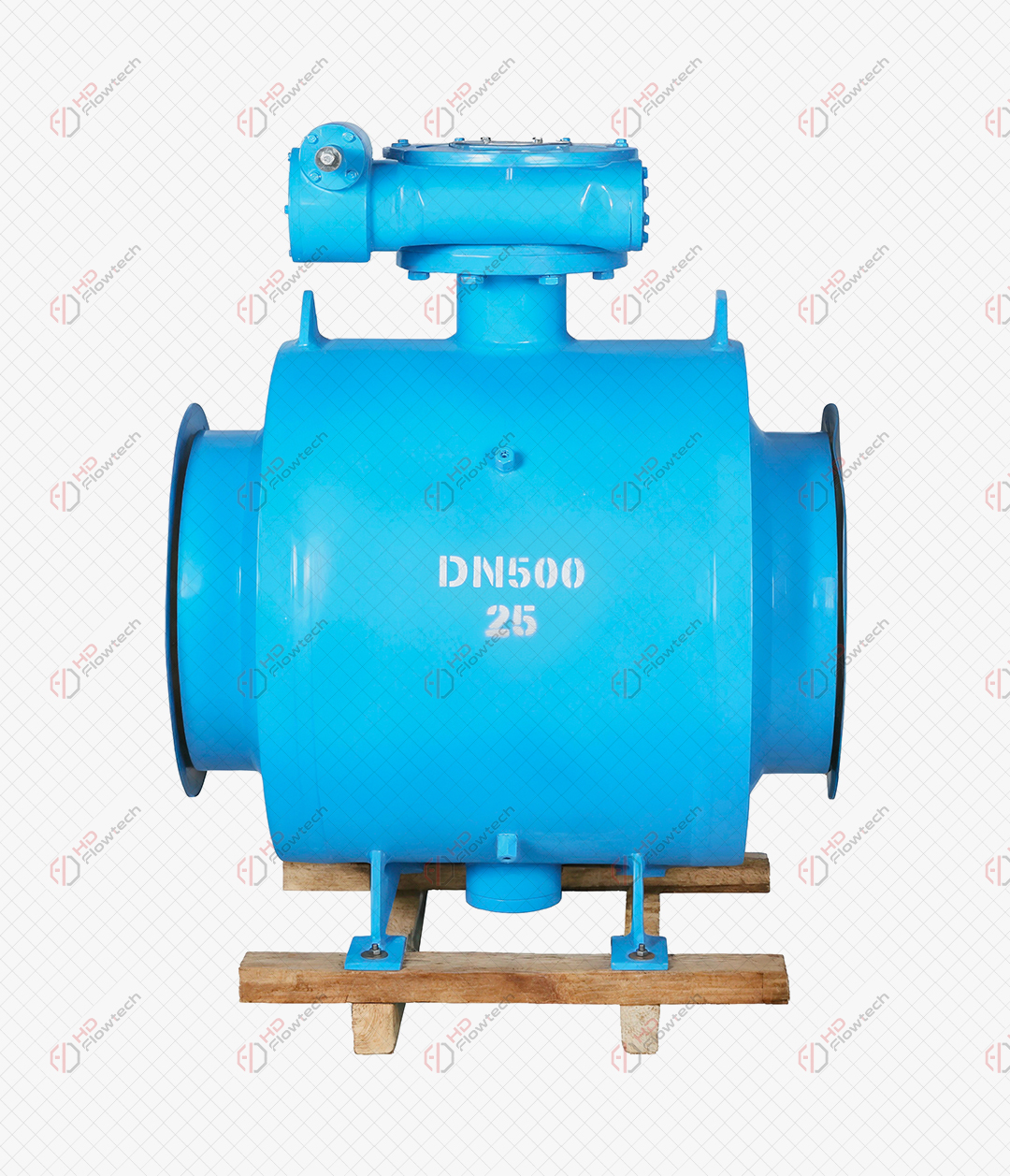
Ball valve construction varies by body design depending on service conditions and maintenance requirements. Fully welded ball valves are designed with a one-piece welded body, eliminating external leakage paths and significantly improving structural integrity, making them the preferred choice for buried pipelines, district heating systems, and long-distance gas transmission where maintenance access is limited and leakage risk must be minimized. Bolted body ball valves (split-body or three-piece design) allow for disassembly and maintenance, making them suitable for process plants and facilities where periodic inspection, seat replacement, or internal servicing is required. Flanged-end ball valves provide ease of installation and removal, commonly used in plant piping systems where flexibility and accessibility are important.
Low Pressure — PN16 / PN25 / Class 150–300
For general plant piping, water systems, and non-critical process service. Floating ball design with soft seats (PTFE/RPTFE), cast body construction (WCB or stainless steel). Cost-effective for high-volume EPC procurement and utility applications where tight shut-off is required.
High Pressure — PN100–PN420 / Class 600–2500
For critical isolation in oil & gas, petrochemical, and high-pressure pipeline systems. Trunnion-mounted design standard, with forged body (A105, F316, Duplex) to ensure structural integrity. Metal-seated or hard-faced trim for high temperature, abrasive, or high-velocity service. Fire-safe design and anti-static features compliant with API 6D, API 607, and ASME B16.34.