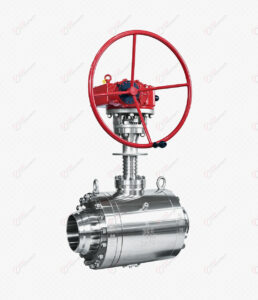
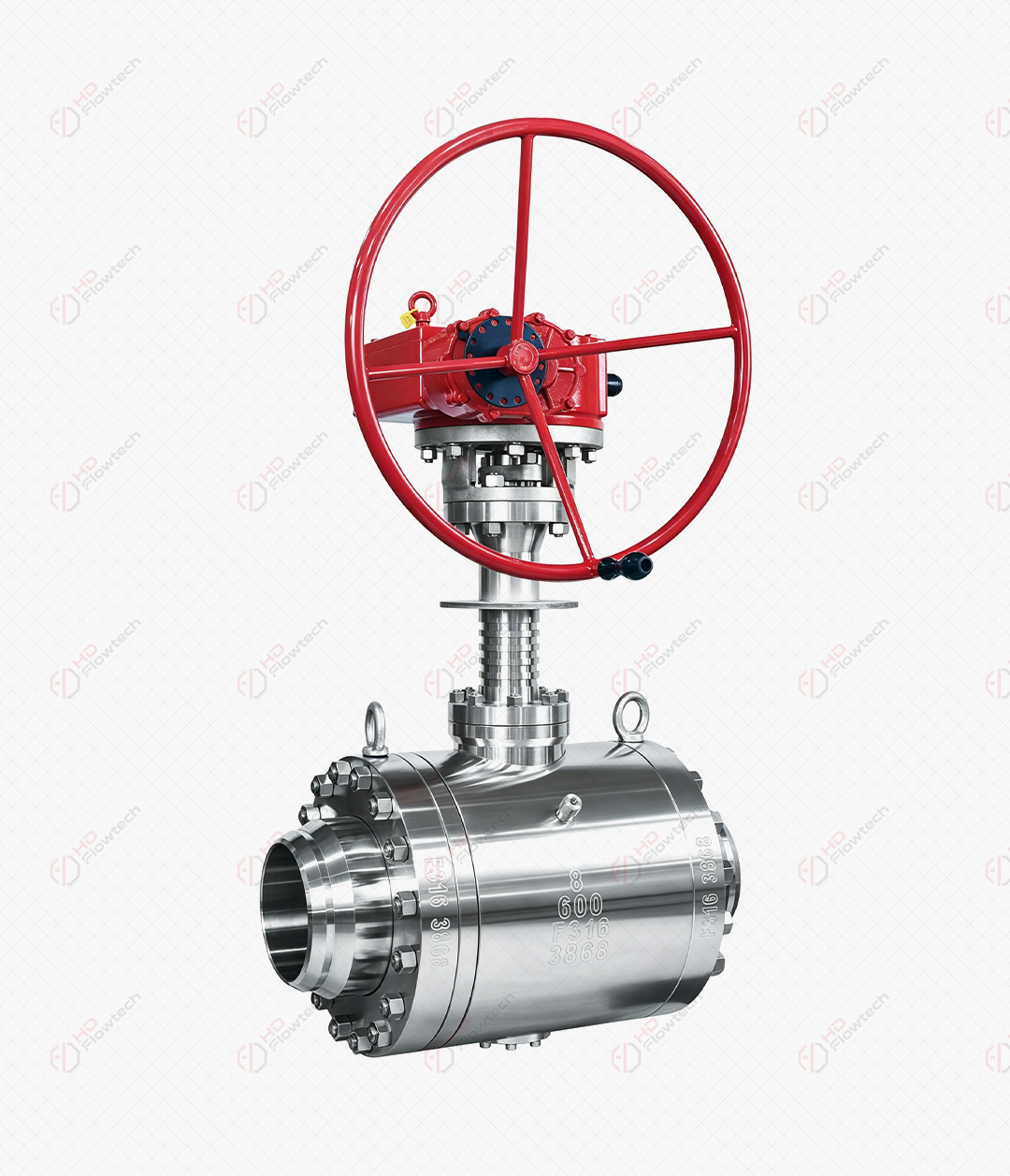
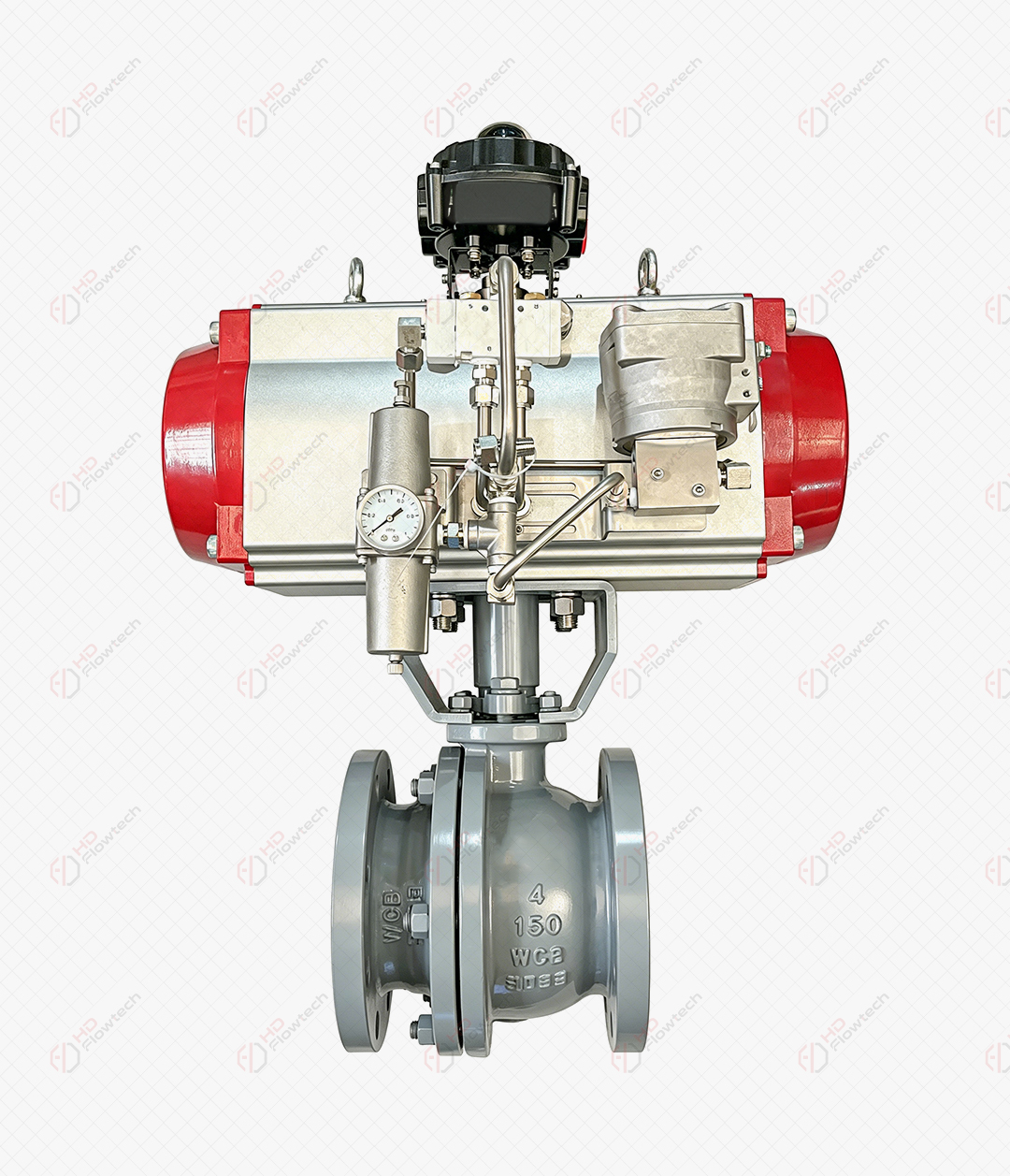
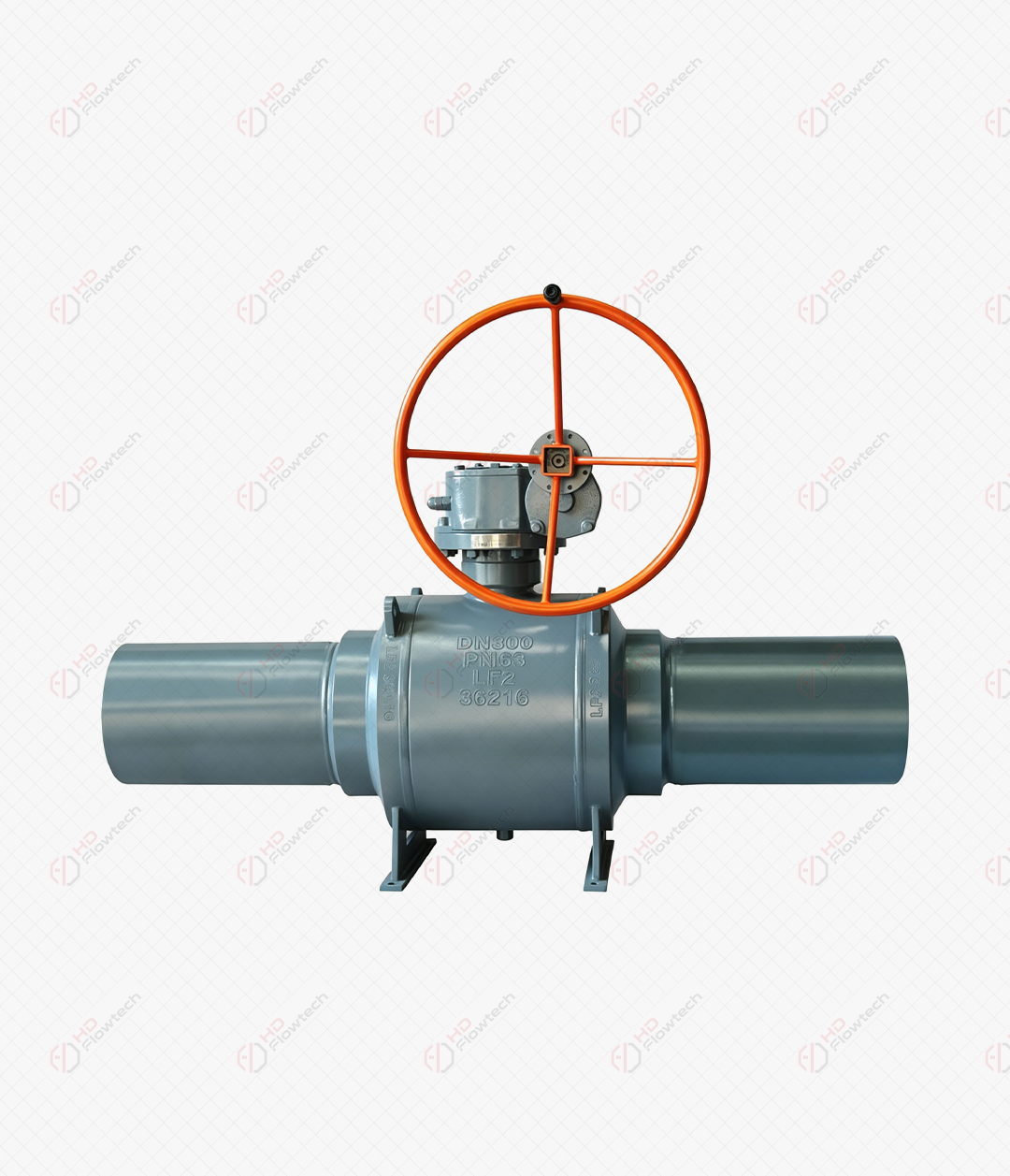
Side entry online maintainable cryogenic trunnion mounted ball valves are selected for high-pressure isolation service in LNG terminals, liquid nitrogen plants, and cryogenic process facilities where the combination of inline maintenance access, cryogenic temperature capability, high pressure class, and butt weld pipeline integration are simultaneously required. The side entry design provides the inline maintenance advantage of top entry valves in a configuration compatible with butt weld end connections — allowing ball, seat, and seal inspection and replacement through the side body flanges without pipeline disconnection, which is critical in cryogenic butt weld installations where valve removal requires cutting and re-welding.
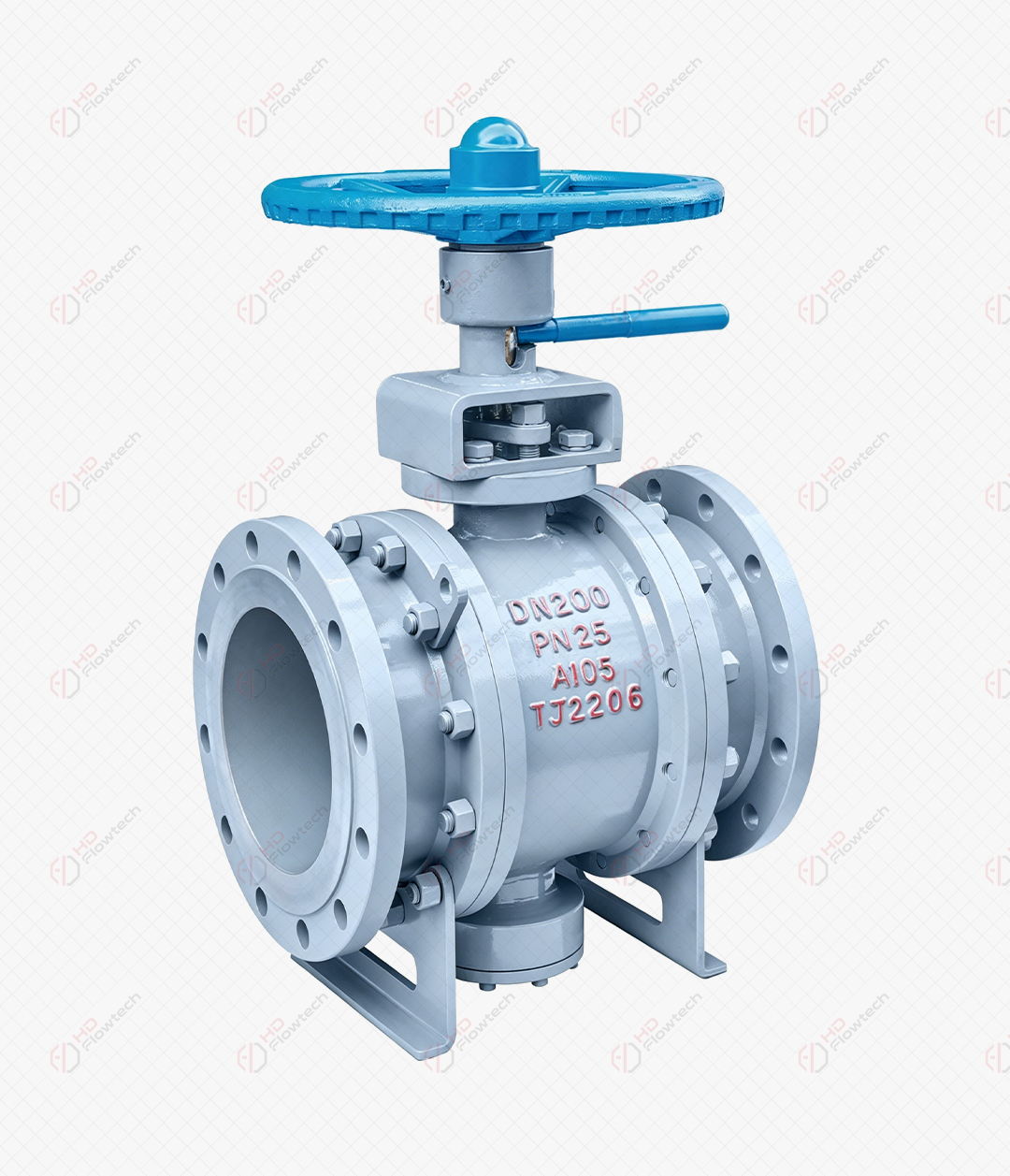
Side entry construction is preferred over top entry for larger bore cryogenic valves where the side body flange configuration provides easier access to the ball and seat assemblies, and where the extended stem and gear operator geometry of large cryogenic valves makes top entry access impractical. The three-piece bolted body design allows individual body sections to be separated for thorough internal inspection and seat replacement under controlled workshop conditions, restoring full valve performance without body replacement.
Butt weld end connections are mandatory for high-pressure cryogenic service at Class 600 and above, eliminating all flanged joint leak paths in systems handling flammable LNG and asphyxiating liquid nitrogen where any external leakage is a safety and environmental violation. Body material selection — F316 and F316L for standard LNG and cryogenic process service, F304L for lower corrosivity cryogenic applications, LF3 for intermediate low-temperature service, and 9% nickel steel for the most demanding cryogenic conditions — is determined by the minimum design temperature, fluid type, and pressure class. Design standards BS 6364 and API 6D govern cryogenic ball valve design, inline maintenance requirements, and low-temperature testing criteria.