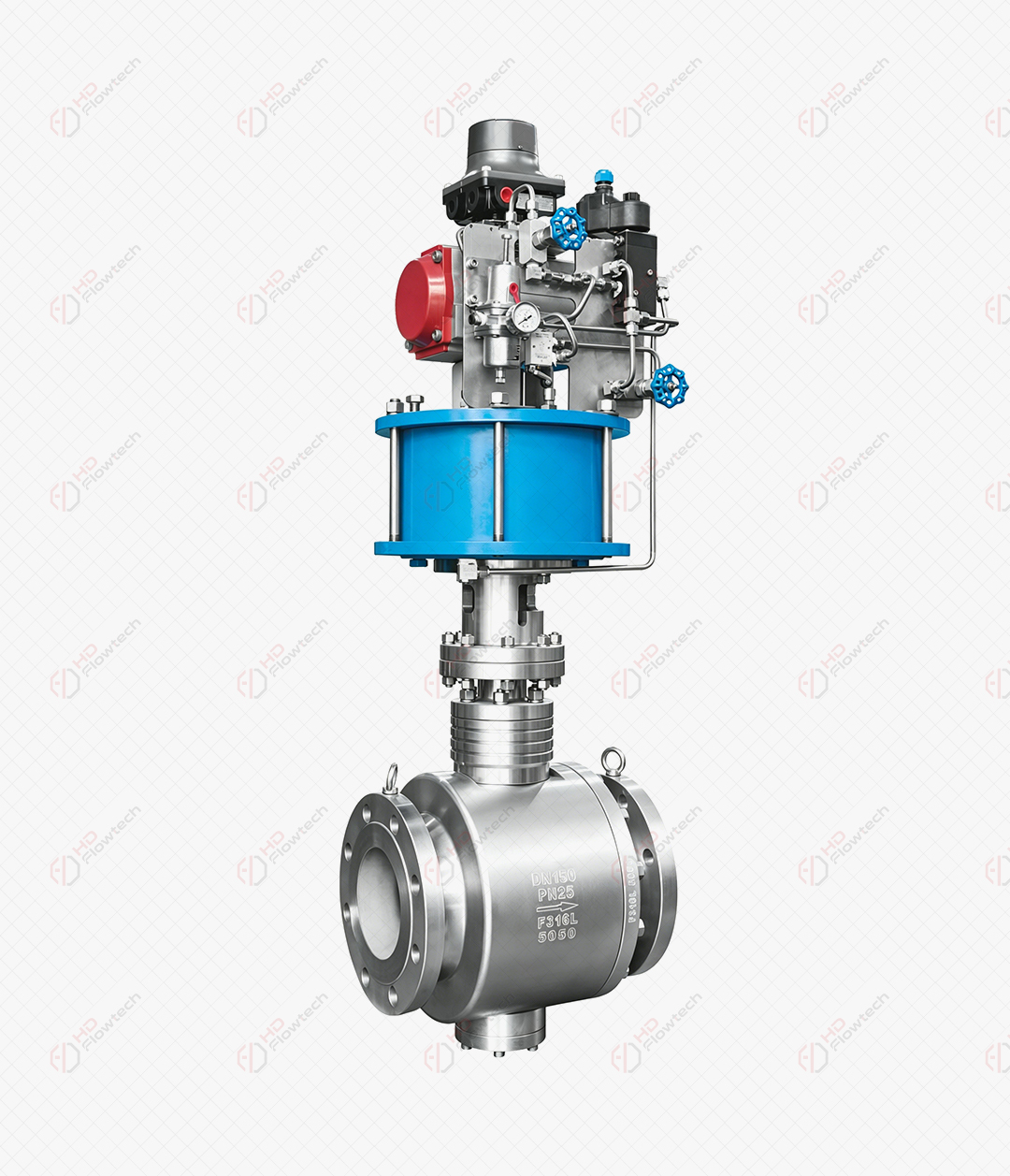
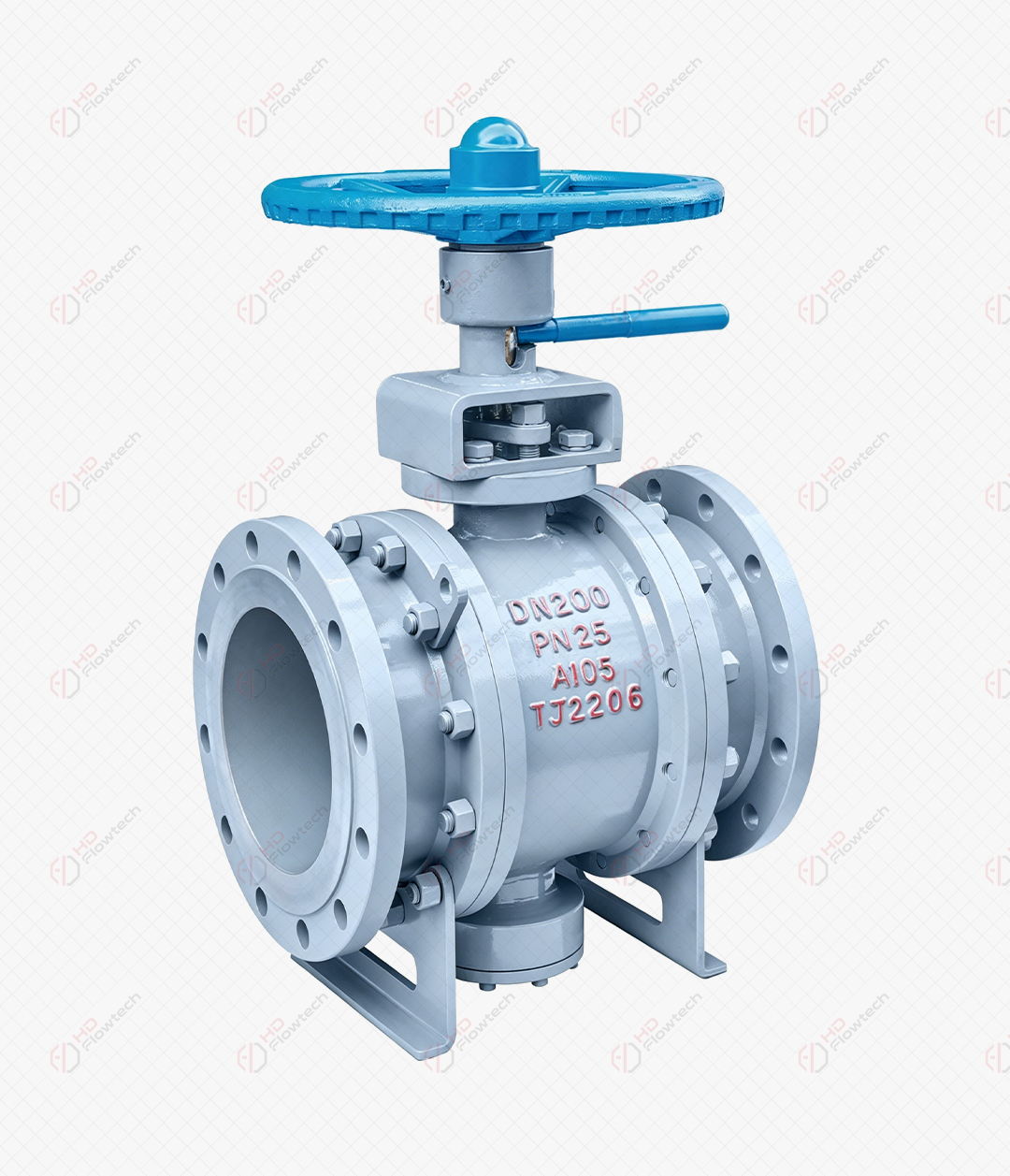
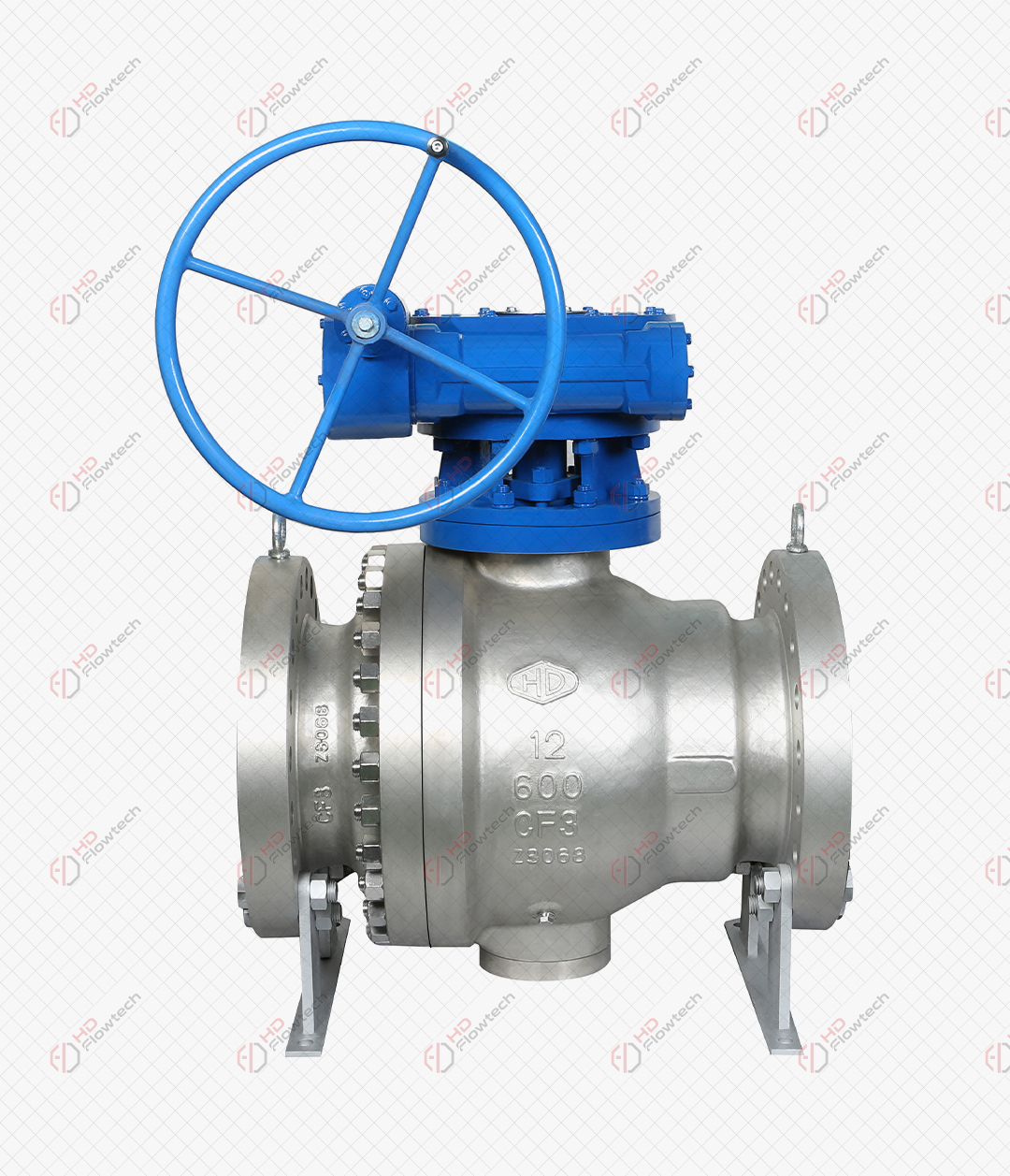
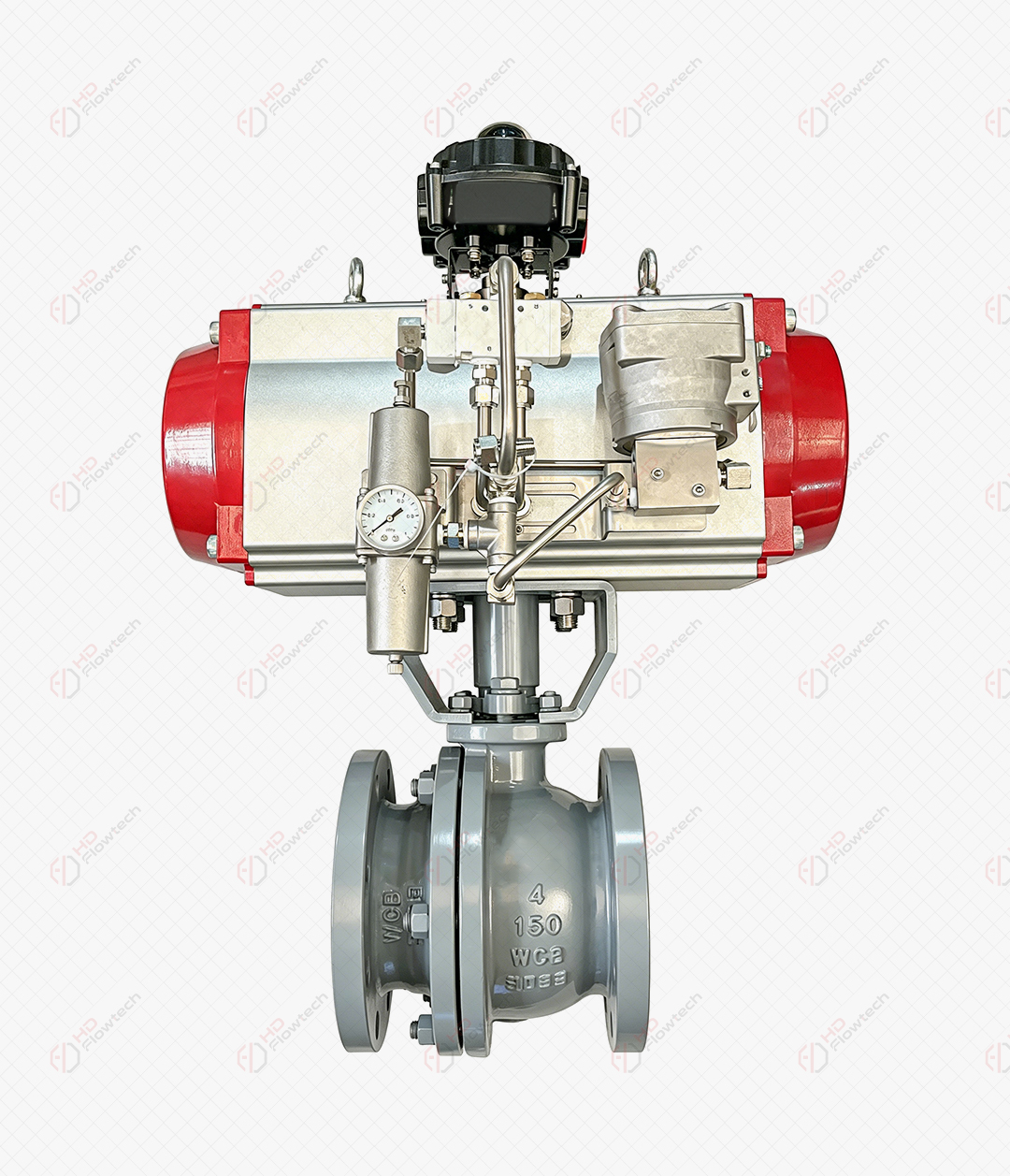
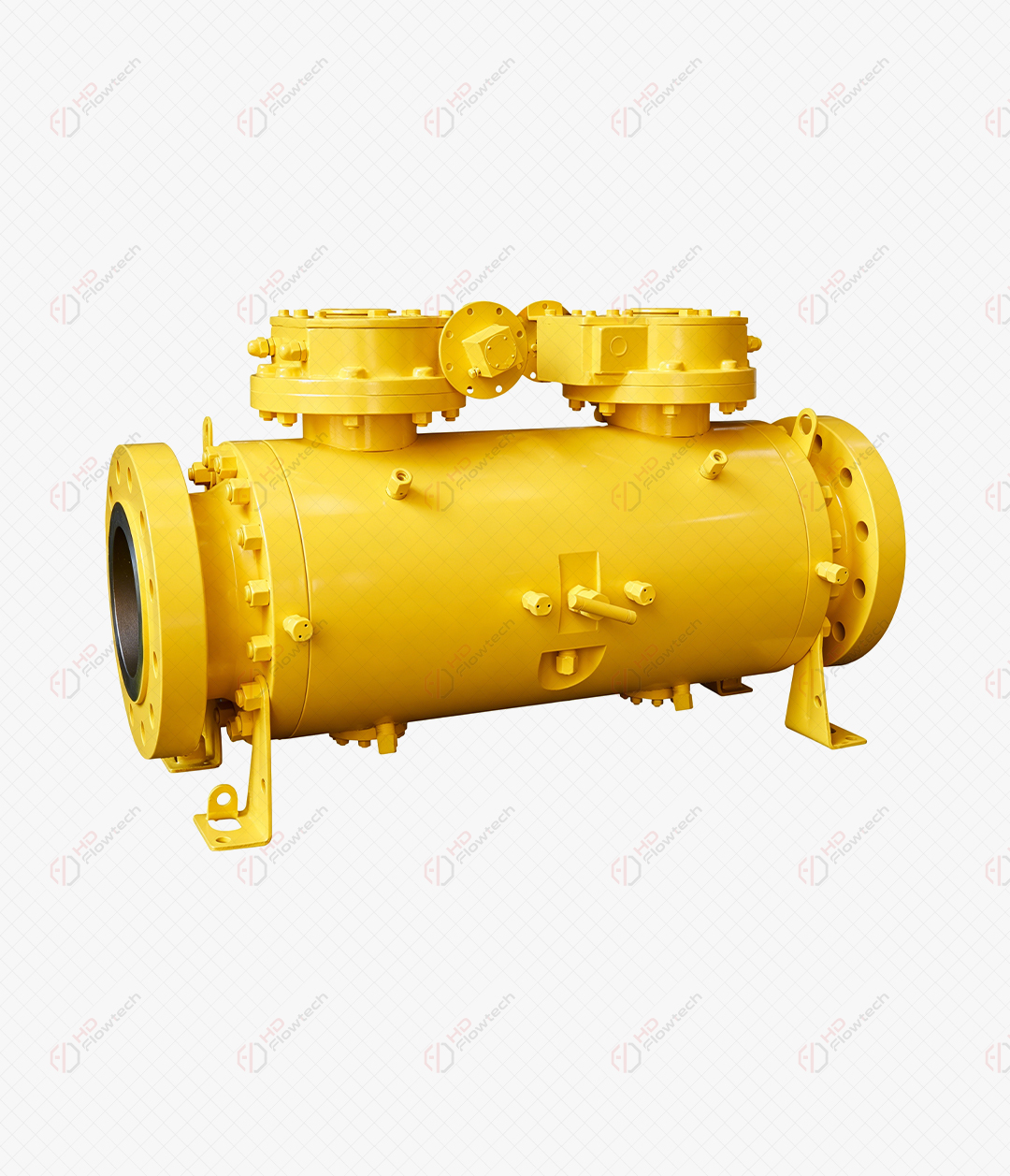
Metal seated orbit ball valves are selected for tight shut-off and throttling service in high-temperature, erosive, abrasive, and corrosive process applications where conventional ball valves and gate valves are not suitable due to seat wear, galling, and leakage under demanding service conditions. The orbit mechanism — cam-guided ball lift before rotation — is the defining design feature, eliminating the sliding metal-to-metal contact that causes rapid seat wear and galling in conventional metal-seated ball valves, providing consistent zero-leakage performance over extended service cycles in applications that would quickly destroy standard valve seat designs.
Hard-faced metal seats (Stellite overlay, tungsten carbide, chrome carbide) provide resistance to abrasion, erosion, and high-temperature oxidation in applications including: steam isolation at temperatures up to 550°C, coal slurry and mineral processing pipelines with high abrasive particle content, catalyst handling in refinery and petrochemical processes, and high-velocity gas and liquid hydrocarbon service where soft seat materials cannot maintain sealing integrity. The orbit mechanism also provides superior throttling capability compared to standard ball valves — the cam-guided opening sequence allows partial opening positions with reduced seat damage, making orbit ball valves suitable for modulating service in addition to on/off isolation duty.
Body material selection — F316L for corrosive chemical and cryogenic service, F304 for general stainless applications, A105N and WCB for high-temperature carbon steel service, and duplex grades for sour and offshore environments — is determined by fluid type, operating temperature, and corrosion requirements. Pneumatic actuators are standard for automated process control and high-cycle applications, with electric actuators selected where compressed air is not available. Design standards API 6D and ASME B16.34 govern orbit ball valve pressure-temperature ratings and design requirements for process and pipeline service.