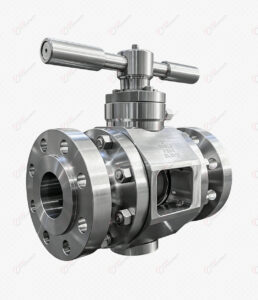
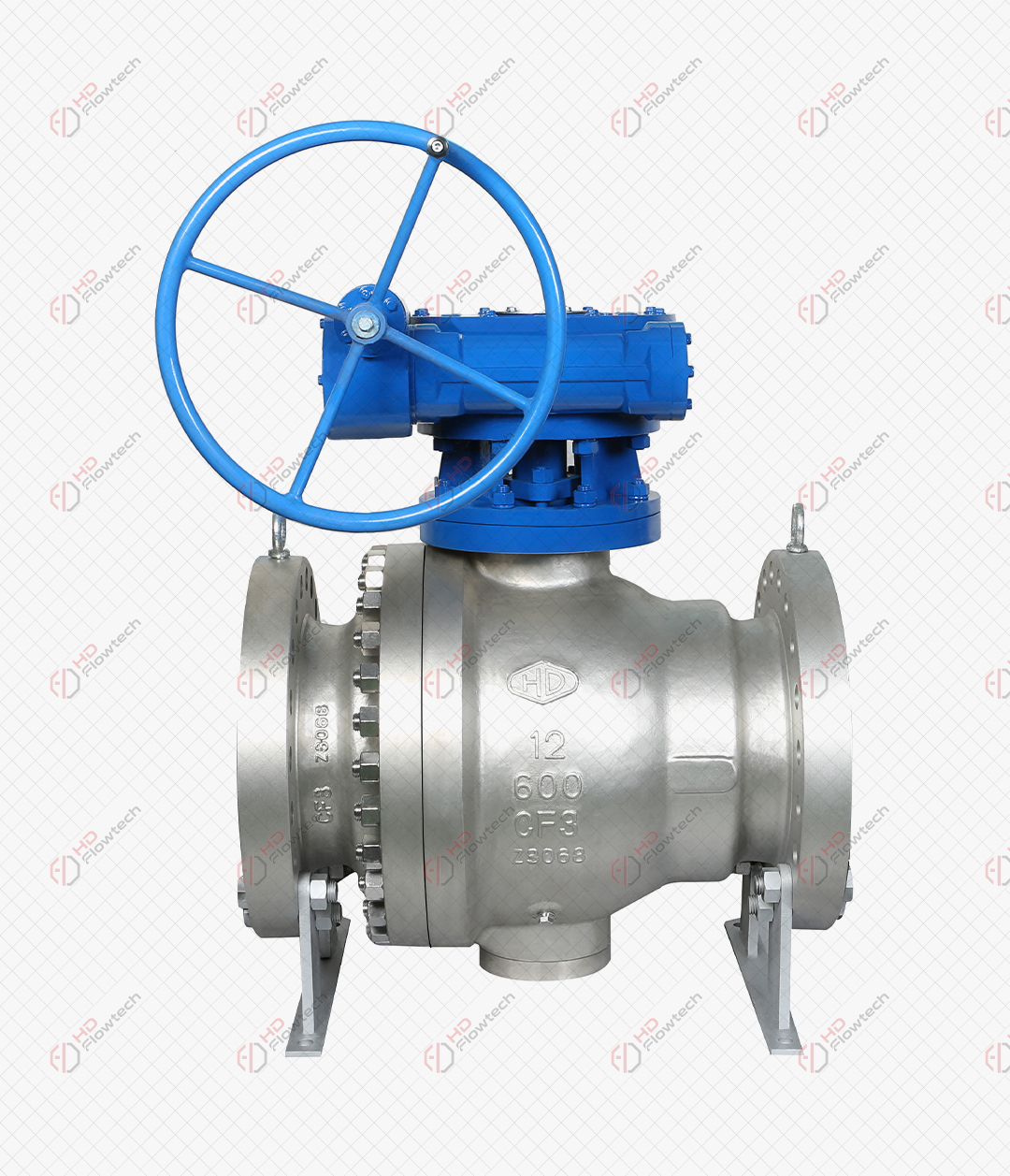
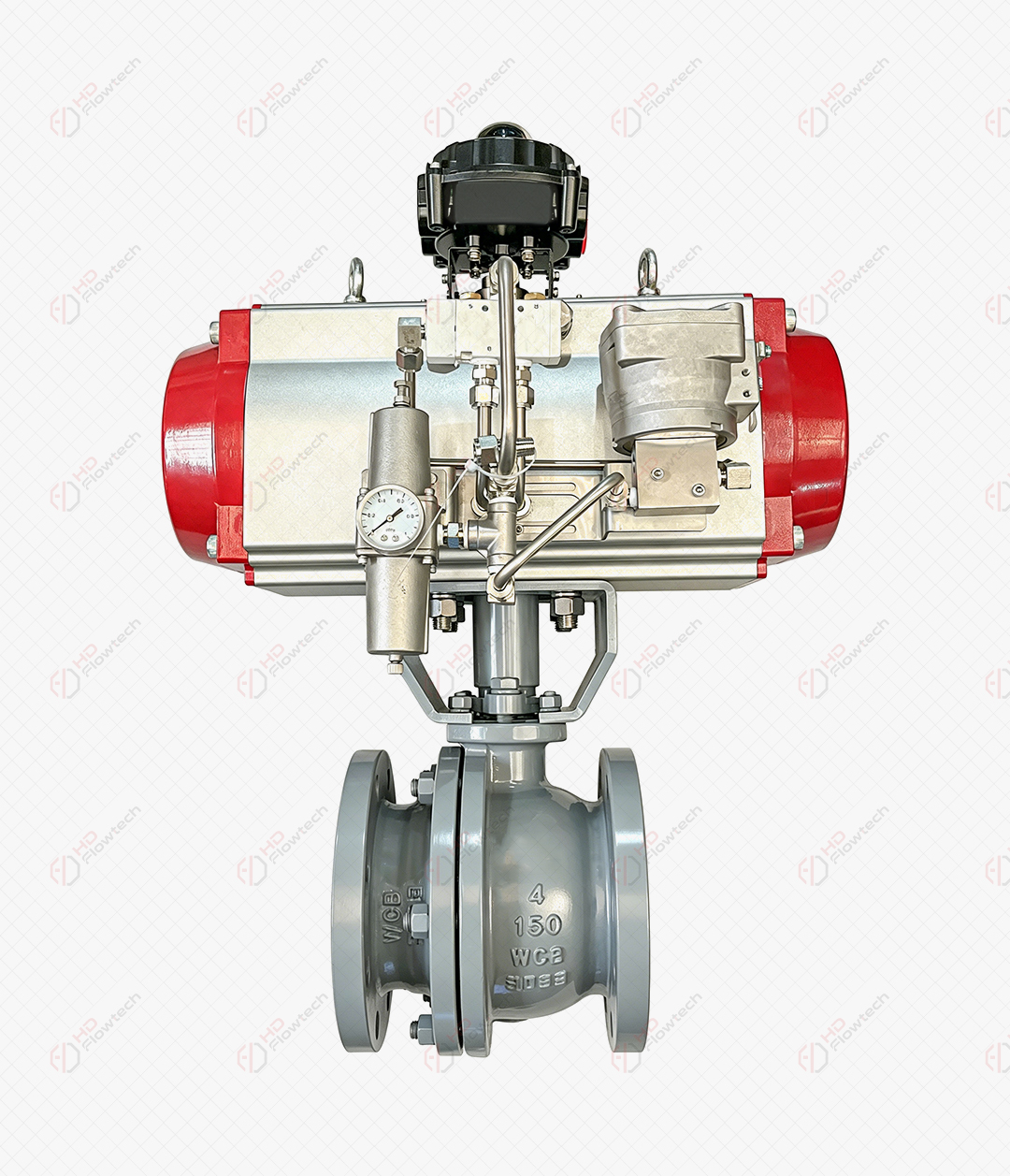
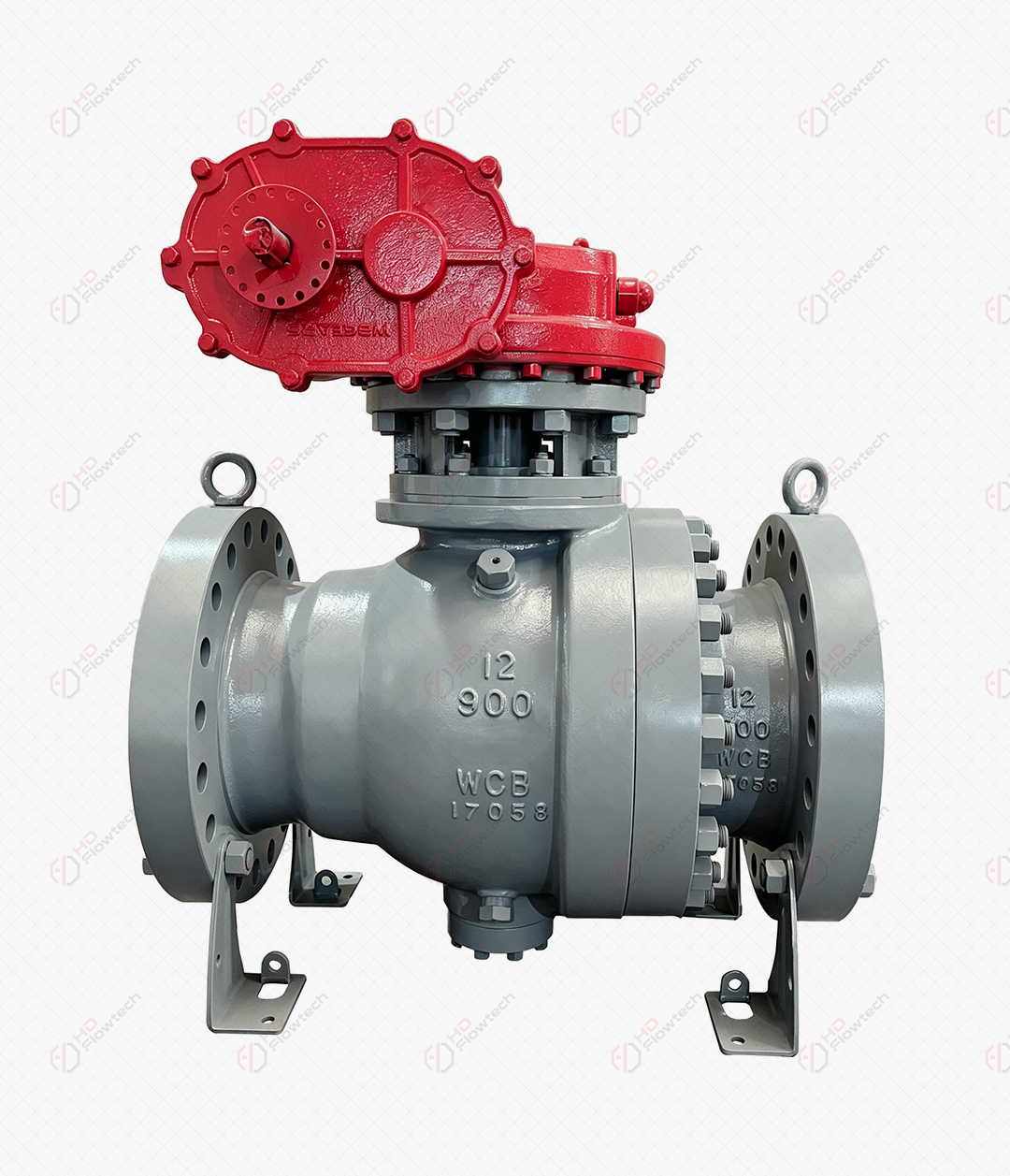
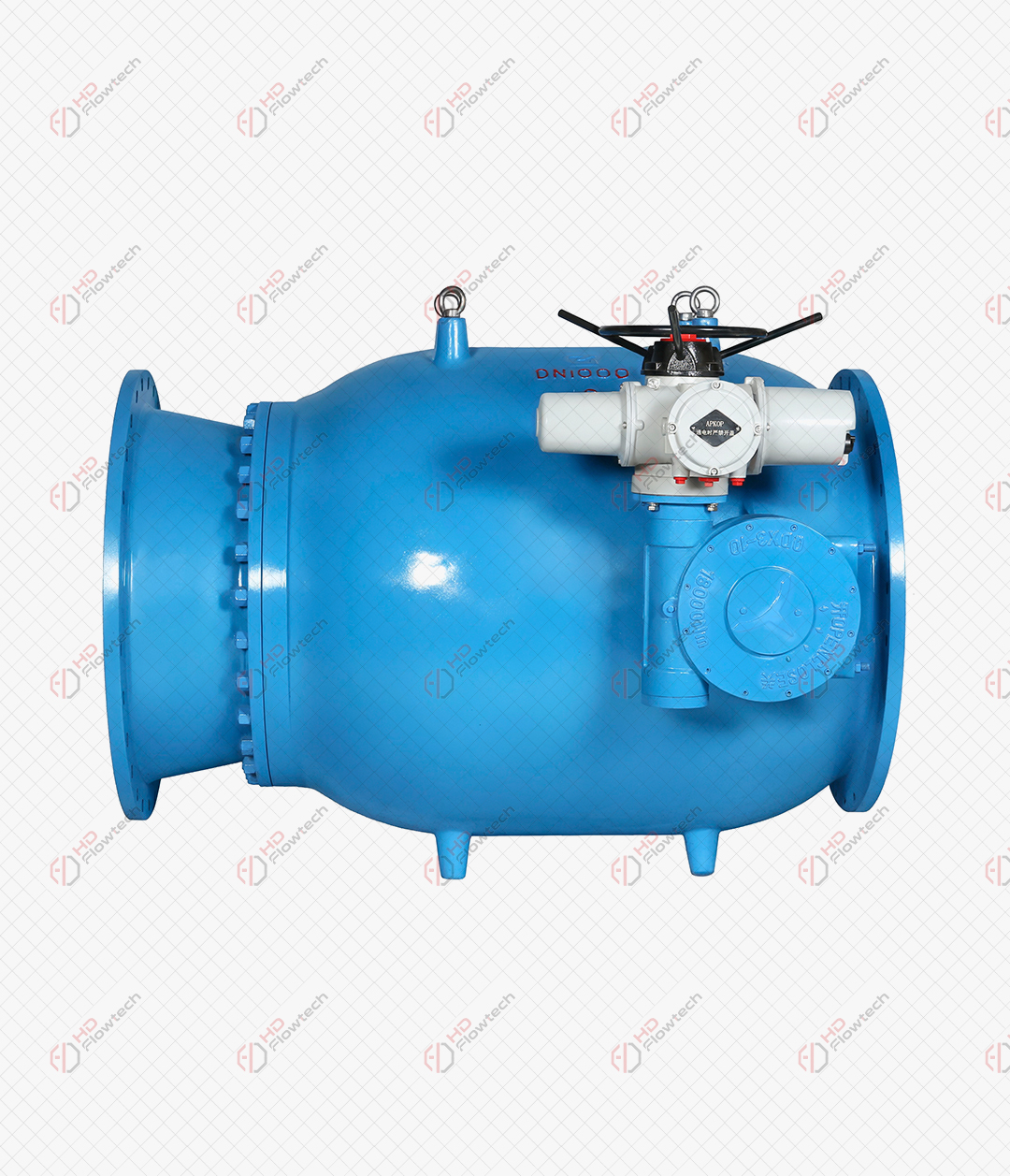
Metal seated ball valves are selected for high-cycle, high-temperature, and erosive service conditions where soft seat designs — PTFE, RPTFE, or elastomeric — are not suitable due to temperature limitations, abrasive media, or high cycle frequency causing premature seat wear and sealing failure. Hard-faced metal seats (Stellite overlay, tungsten carbide, chrome carbide) provide reliable tight shut-off under conditions that would rapidly degrade soft seat materials, making metal seated ball valves the standard specification for steam isolation, thermal power generation, erosive slurry service, and high-cycle process control duty.
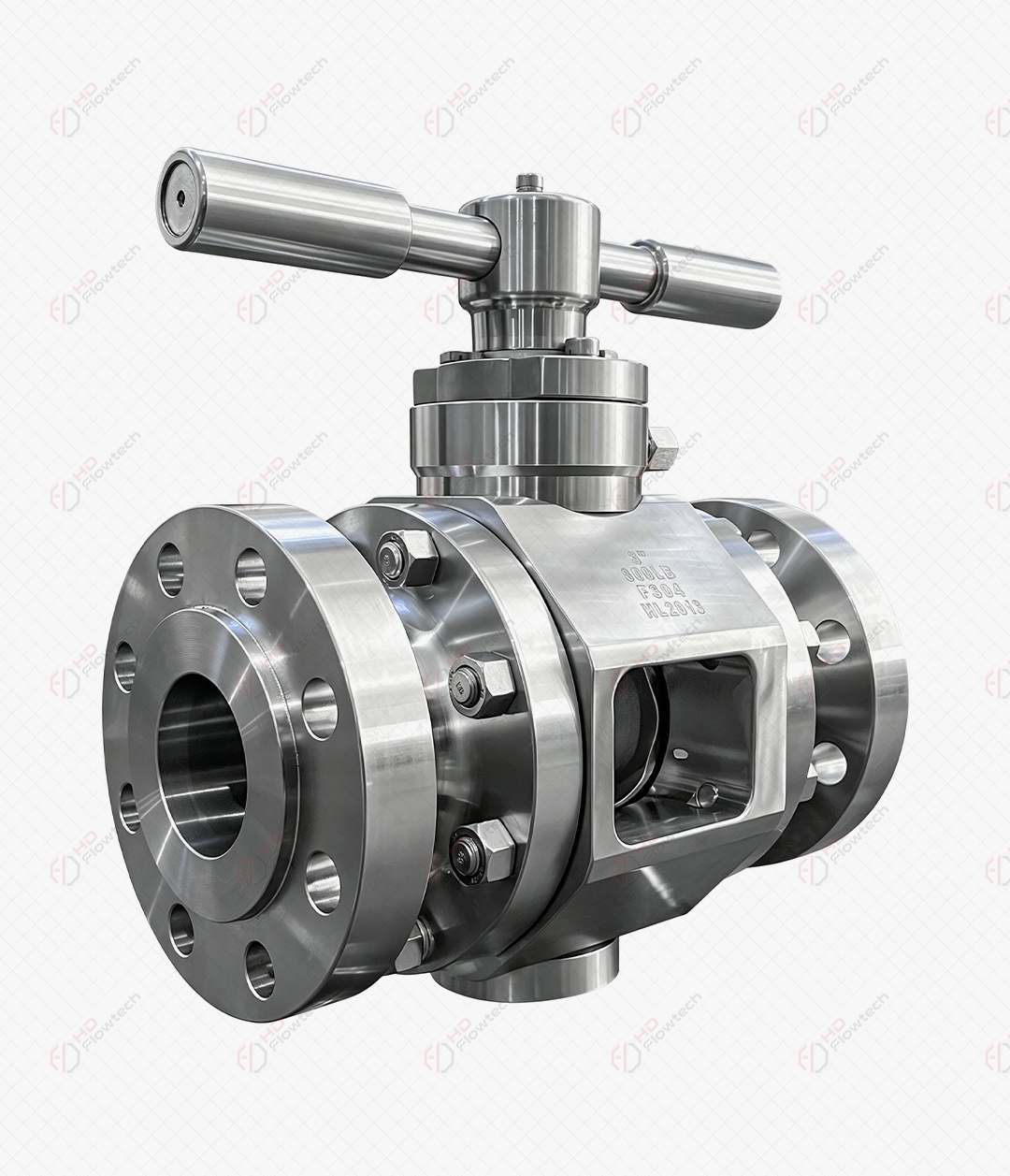
Three-piece body construction is preferred for high-cycle metal seated ball valves, allowing ball and seat inspection and replacement without pipeline disconnection — reducing maintenance downtime and extending overall valve service life in demanding process applications. Tungsten carbide and chrome carbide hard-facing provide superior abrasion resistance for erosive slurry and particulate-laden flow, while Stellite overlay is standard for high-temperature steam and corrosive chemical service where thermal stability and corrosion resistance are the primary seat material requirements.
Body material selection follows process fluid and temperature requirements — F304 and F316 stainless steel for corrosive and high-temperature process service, duplex and super duplex grades for aggressive chemical and offshore environments, and carbon steel (A105) for high-temperature steam service where corrosion is not a concern. Design standards API 6D and ASME B16.34 govern metal seated ball valve pressure-temperature ratings and design requirements across all material grades and service conditions.