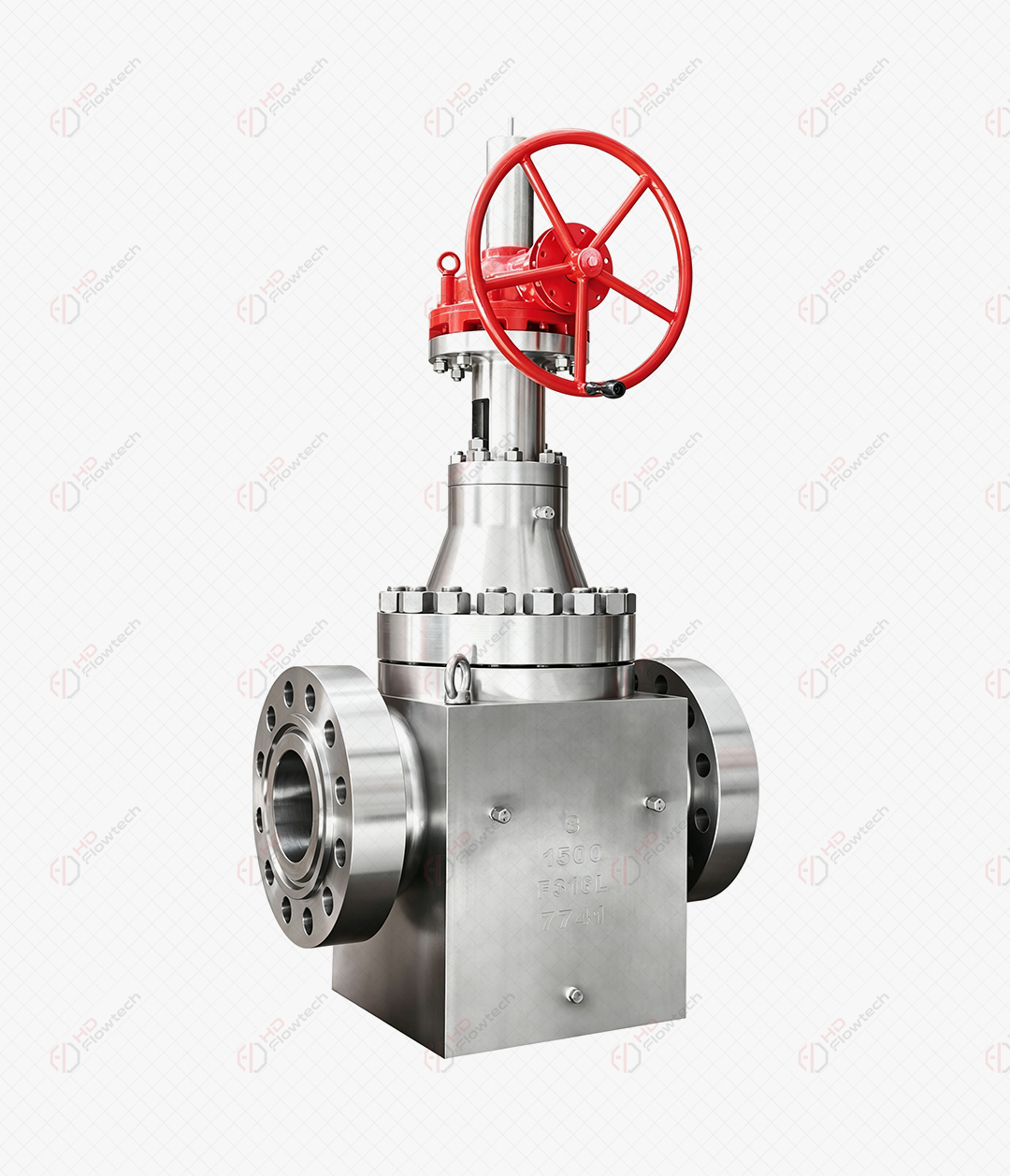
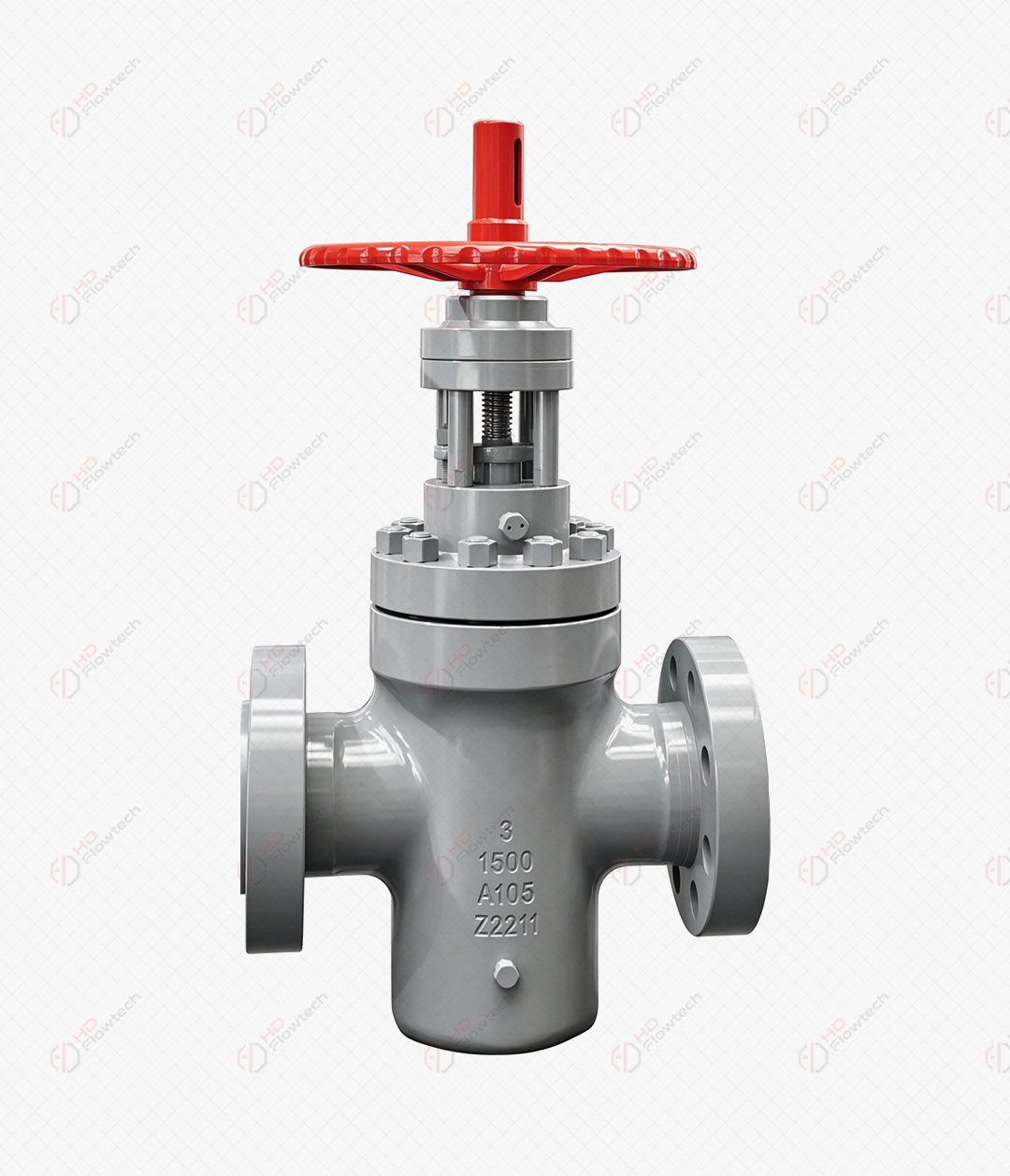
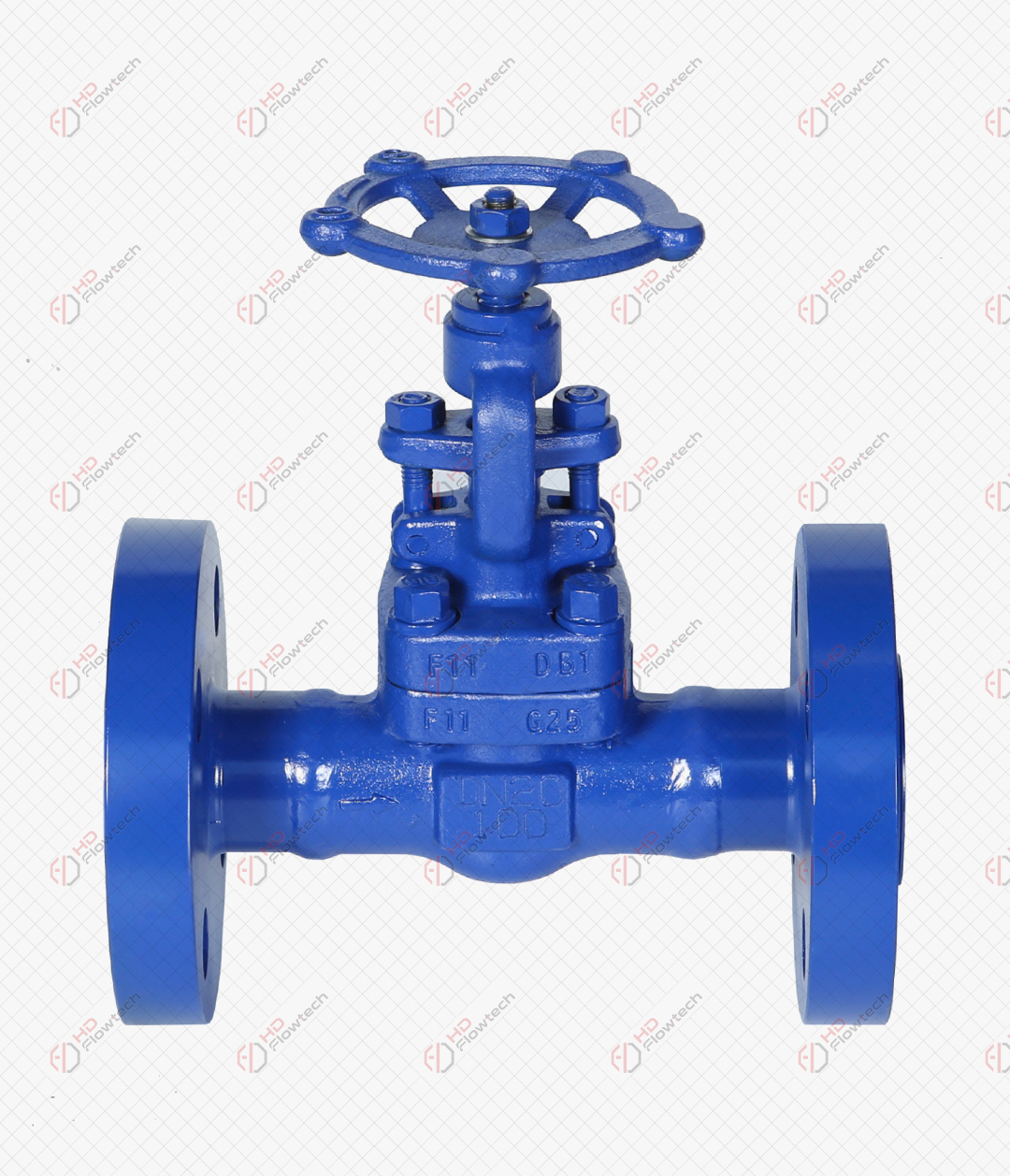
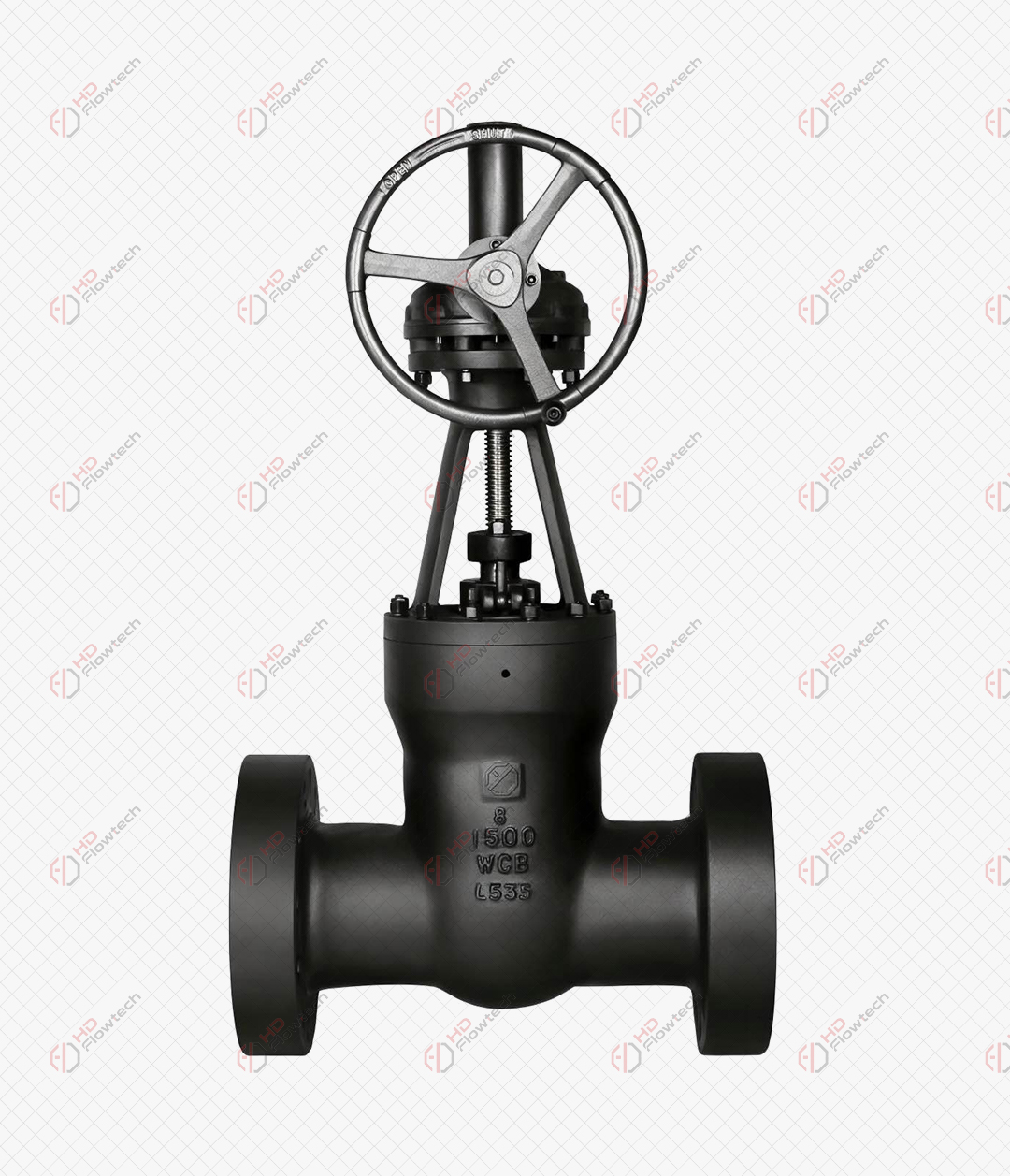
Forged steel gate valves are selected for full-bore isolation service in high-pressure, small-to-medium bore applications where cast steel body construction is not suitable due to pressure class, material homogeneity, or thermal cycling requirements. The forged body construction eliminates casting porosity and provides consistent material properties throughout the valve body, making them the standard specification for critical process isolation at Class 400 and above in oil & gas, petrochemical, and power generation industries.
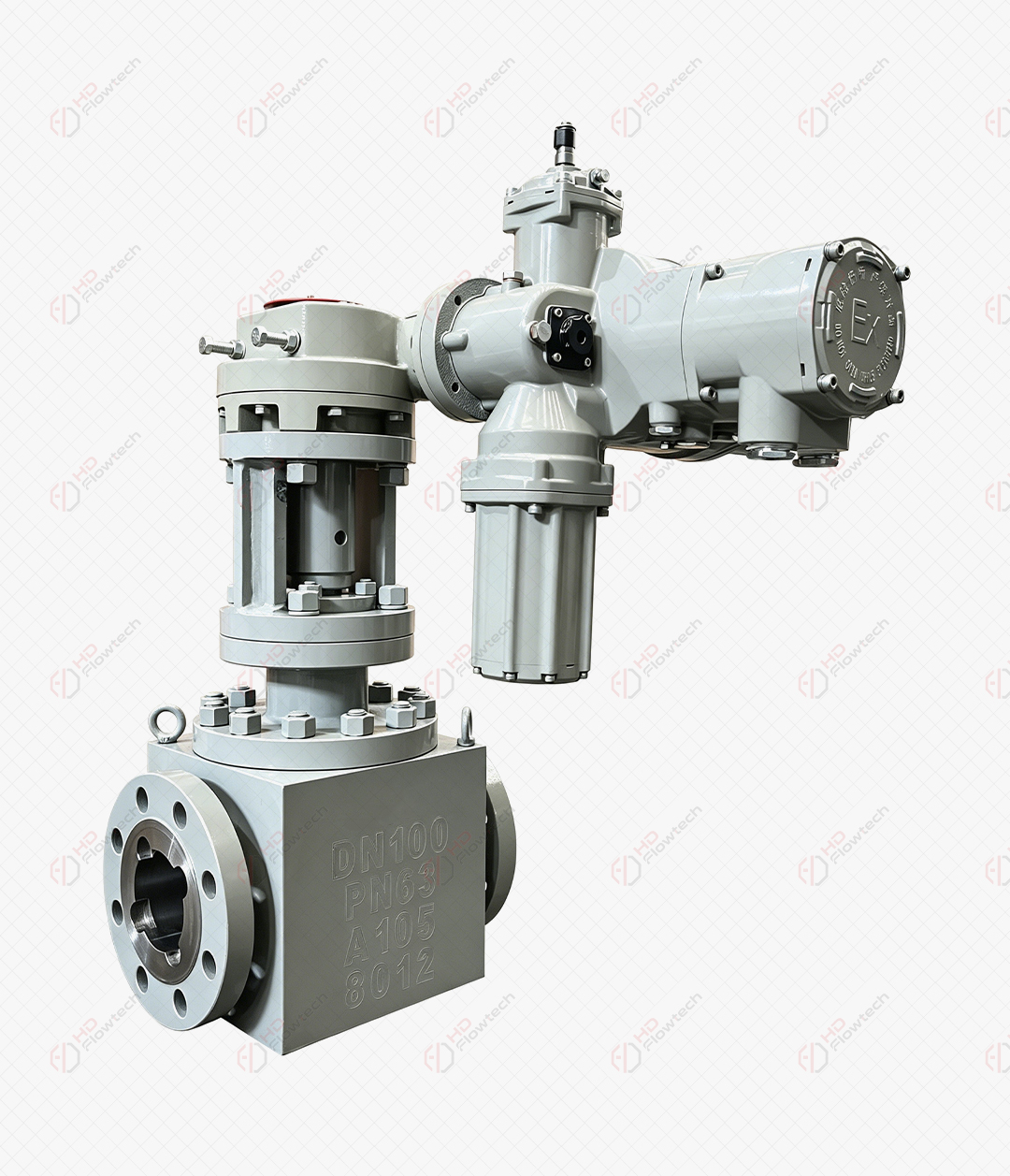
Electric and pneumatic actuators are specified where remote operation, automated control, or hazardous area installation requirements make manual operation impractical. Explosion-proof actuator classifications (Ex d, Ex e) are required for installations in Zone 1 and Zone 2 hazardous areas as defined by IEC 60079, covering oil & gas processing facilities, refineries, and offshore platforms. Pressure seal bonnet construction is standard for PN63 and above, providing bonnet joint integrity that increases with internal pressure — eliminating external leakage risk under high differential pressure service conditions.
Body material selection — carbon steel (A105) for standard high-pressure service up to 425°C, alloy steel (F11, F22) for temperatures up to 600°C, and stainless steel (F304, F316) for corrosive and offshore service — is determined by operating temperature, fluid type, and system corrosion requirements. Design standard API 602 governs forged steel gate valves for small-bore high-pressure service, with ASME B16.34 applying for pressure-temperature ratings across all material grades.