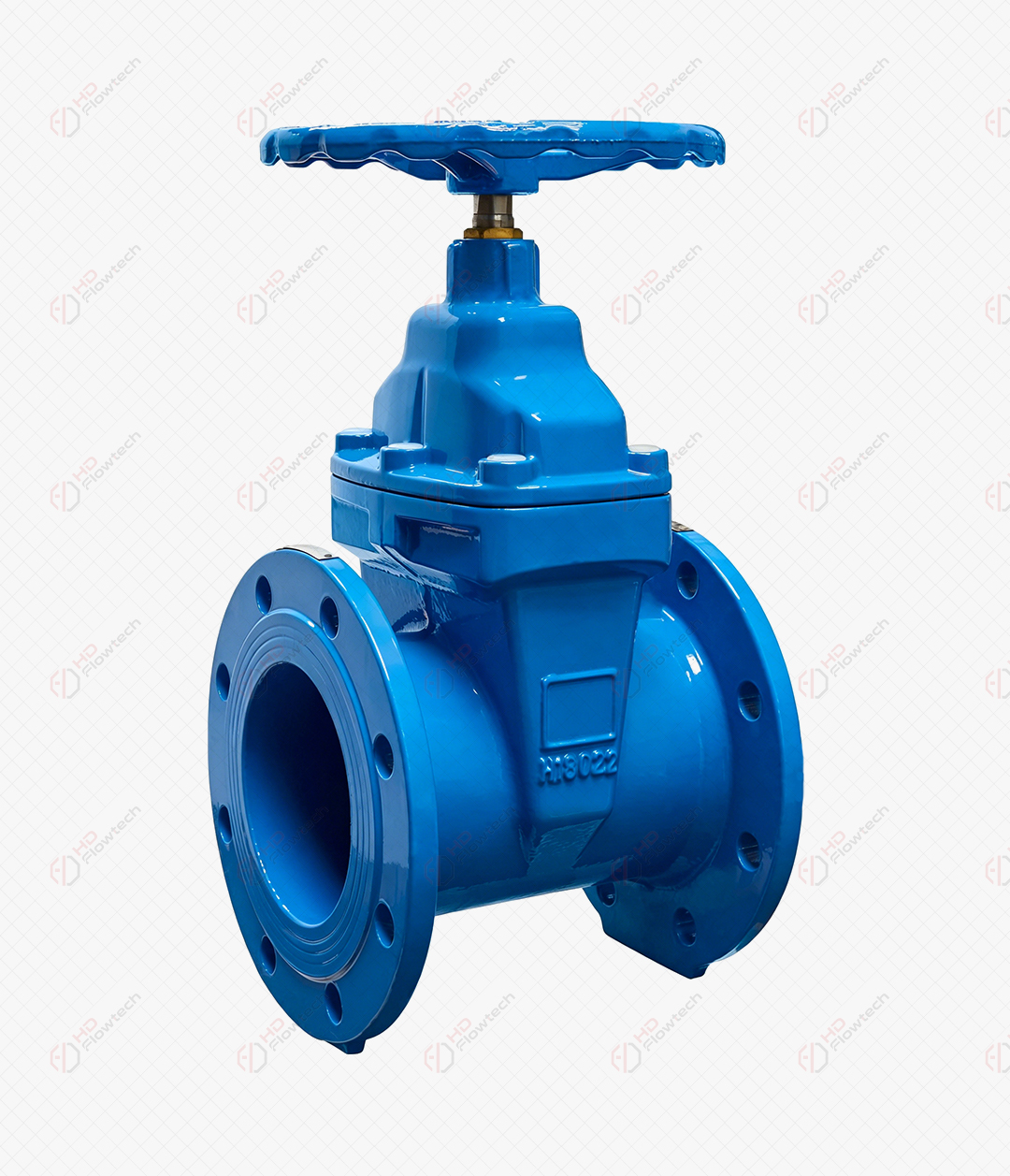
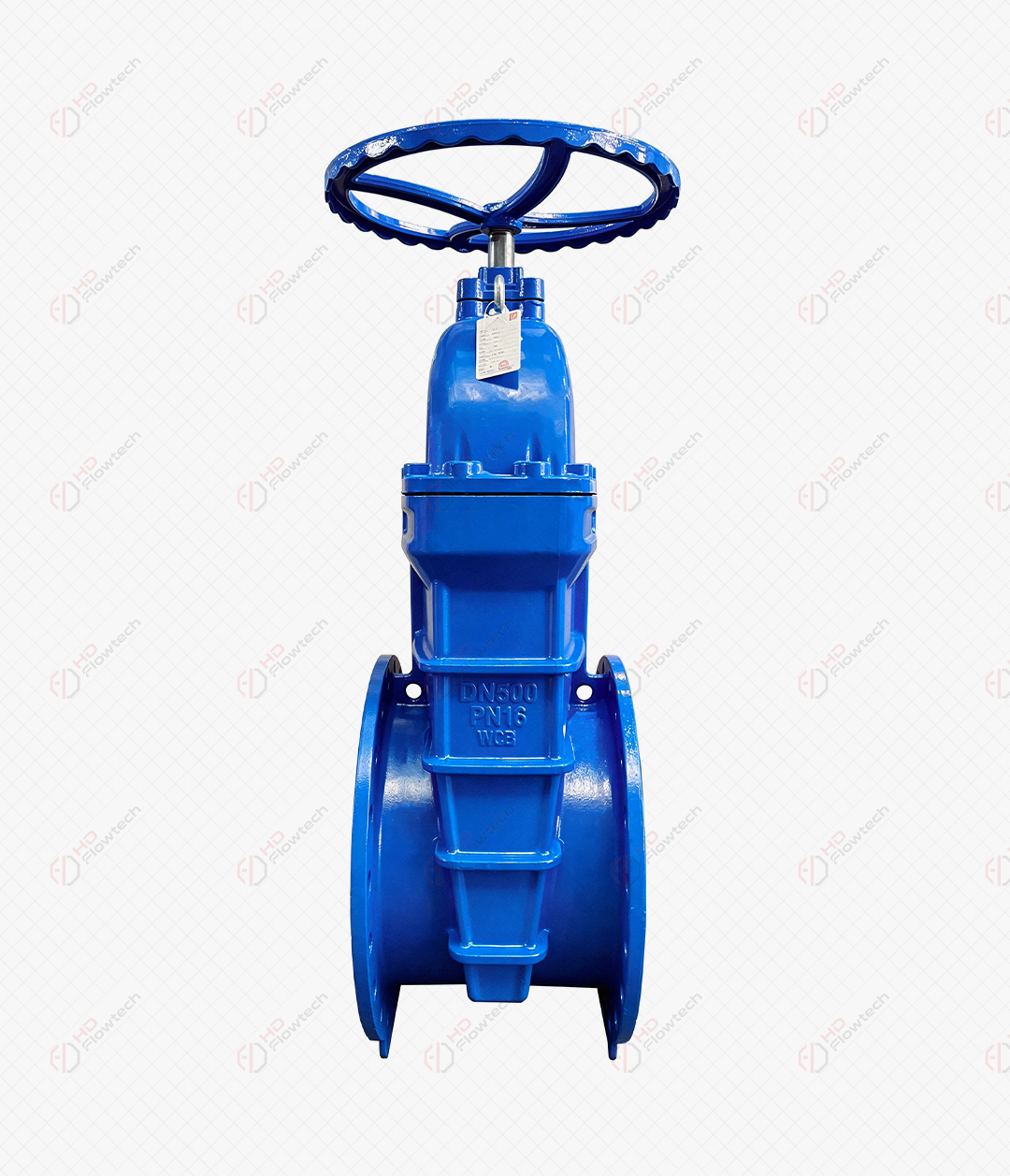
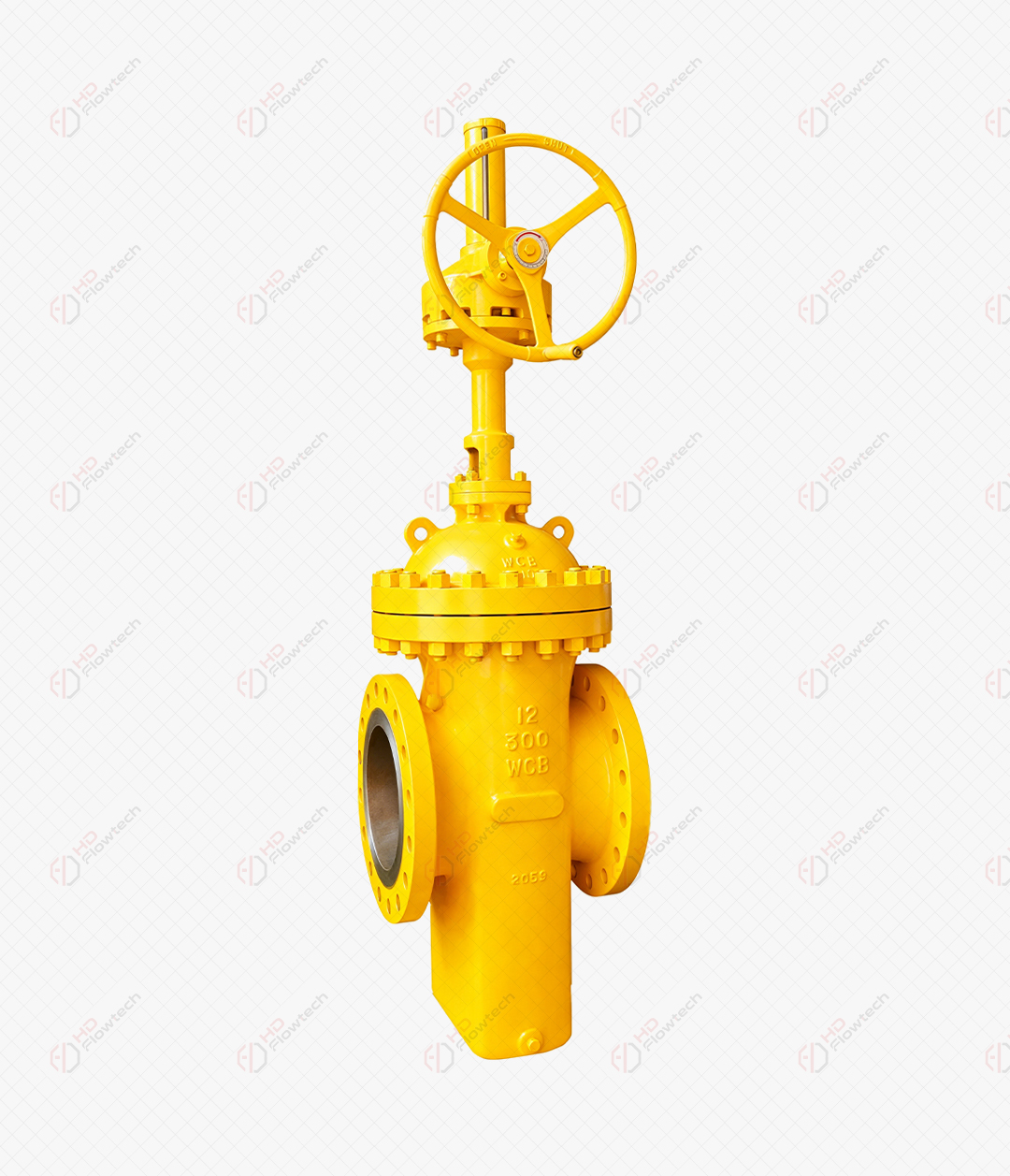
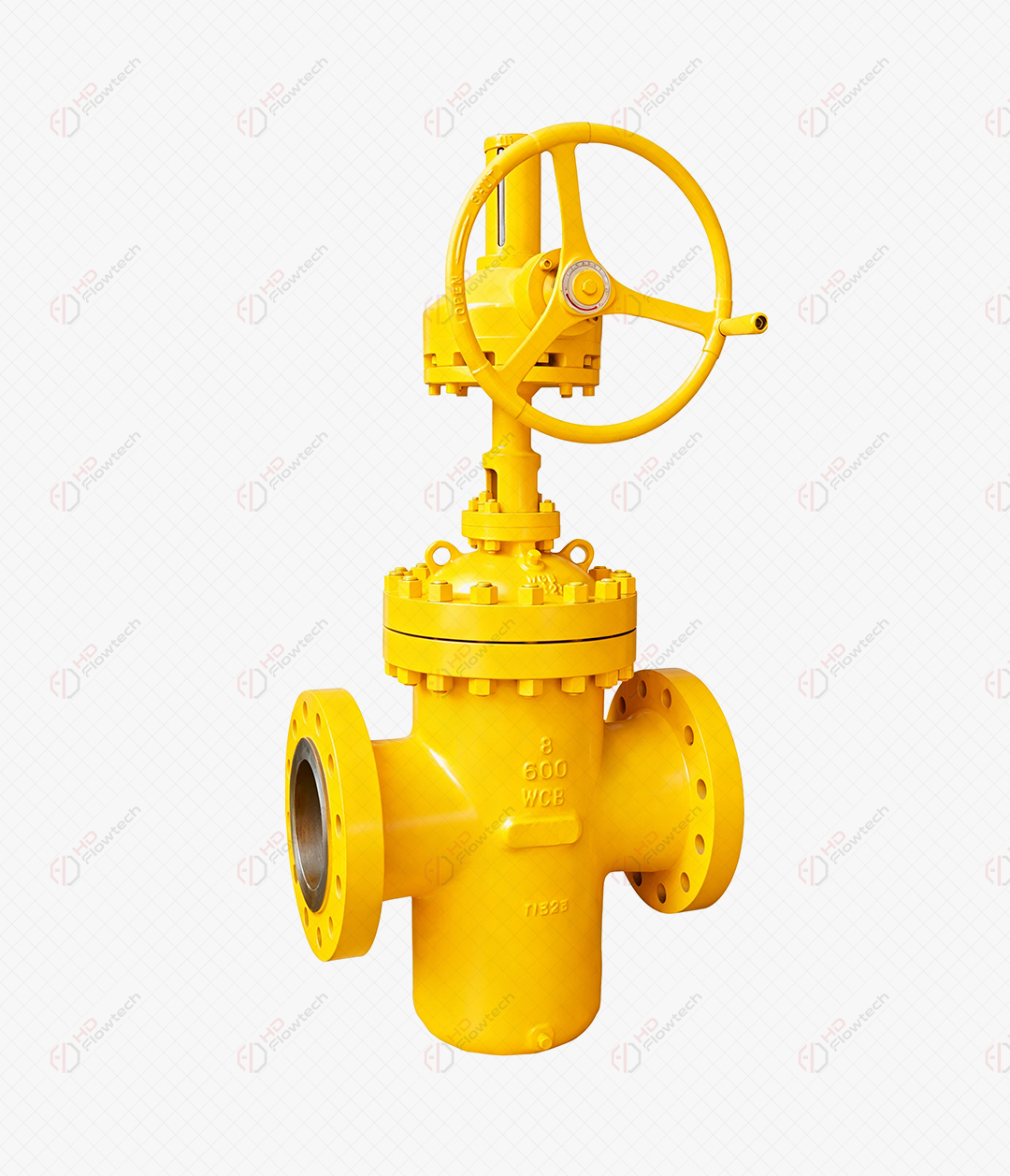
Resilient seated gate valves are the standard specification for potable water supply, water distribution networks, and municipal wastewater systems at PN10–PN16, where bubble-tight shut-off, corrosion resistance, and compliance with potable water material standards are required. The fully rubber-encapsulated wedge eliminates metal-to-metal seat contact, preventing corrosion-related leakage and maintaining tight shut-off over extended service cycles in water and wastewater applications — a key advantage over metal-seated gate valves in low-pressure water service.
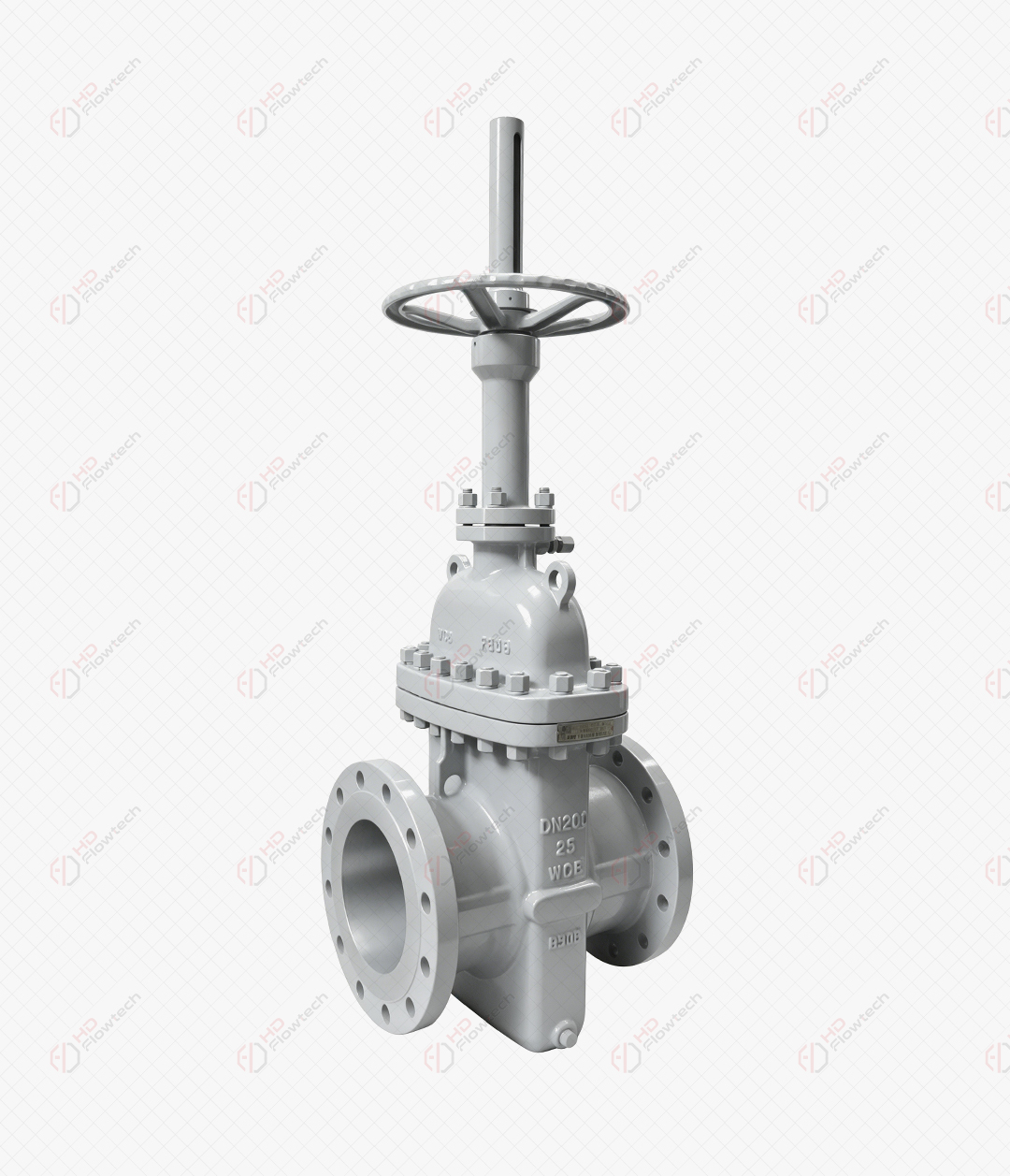
Ductile iron body construction (GGG40, GGG50) with fusion-bonded epoxy coating is standard for water pipeline service, providing structural integrity, impact resistance, and corrosion protection for buried installations with service lives exceeding 50 years. Non-rising stem designs are preferred for underground valve chambers and pump stations where headroom is limited, while rising stem designs are used in above-ground treatment plant installations where visual position indication is required.
EPDM rubber encapsulation is standard for potable water and general wastewater service, with NBR selected for applications involving oil-contaminated water or hydrocarbon-bearing effluent. Design standards EN 1171, BS 5163, ISO 7259, and AWWA C509 govern material requirements, pressure-temperature ratings, and testing criteria for resilient seated gate valves in water supply and municipal service applications.