Butterfly Valve
Pneumatic Actuated Butterfly Valve
Specification
Pressure Rating
Class 150 – 600 (PN10 – PN100)
Body Material
Ductile Iron / WCB / LCB / CF8 / CF8M / Duplex / Super Duplex
Disc Material
DI (Ni Plated) / SS304 / SS316 / Duplex / Aluminum Bronze / Nickel Alloy
Seat Material
EPDM / NBR / PTFE / RPTFE / PEEK / Metal Seat (Stellite / Hard Facing)
Size Range
2” – 120” (DN50 – DN3000)
Manufacturing
Casting / Fabricated (for large size)
Construction Type (1)
Concentric / Double Offset / Triple Offset
Construction Type (2)
Wafer Type / Lug Type / Double Flanged
End Connections
Wafer / Lug / Flanged
Operation
Lever / Gear Operator / Electric Actuator / Pneumatic Actuator / Hydraulic Actuator
Working Temperature
-46°C to 600°C (depending on seat material and design) Soft Seat (EPDM / NBR / PTFE): -20°C to 180°C High Performance (PTFE / RPTFE / PEEK): up to 250°C Metal Seat (Triple Offset): up to 600°C
Design Standards
API 609 / ASME B16.34 / EN 593 / DIN 3354 / JIS B2032 / GB/T 12238
Details
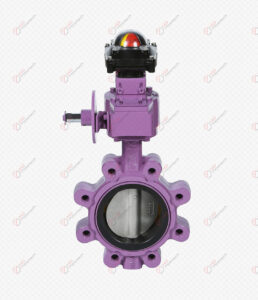
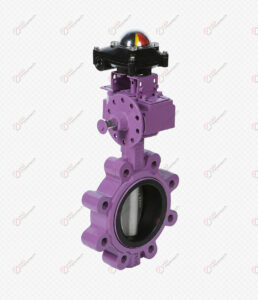
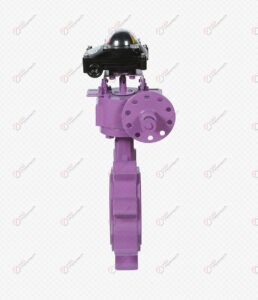
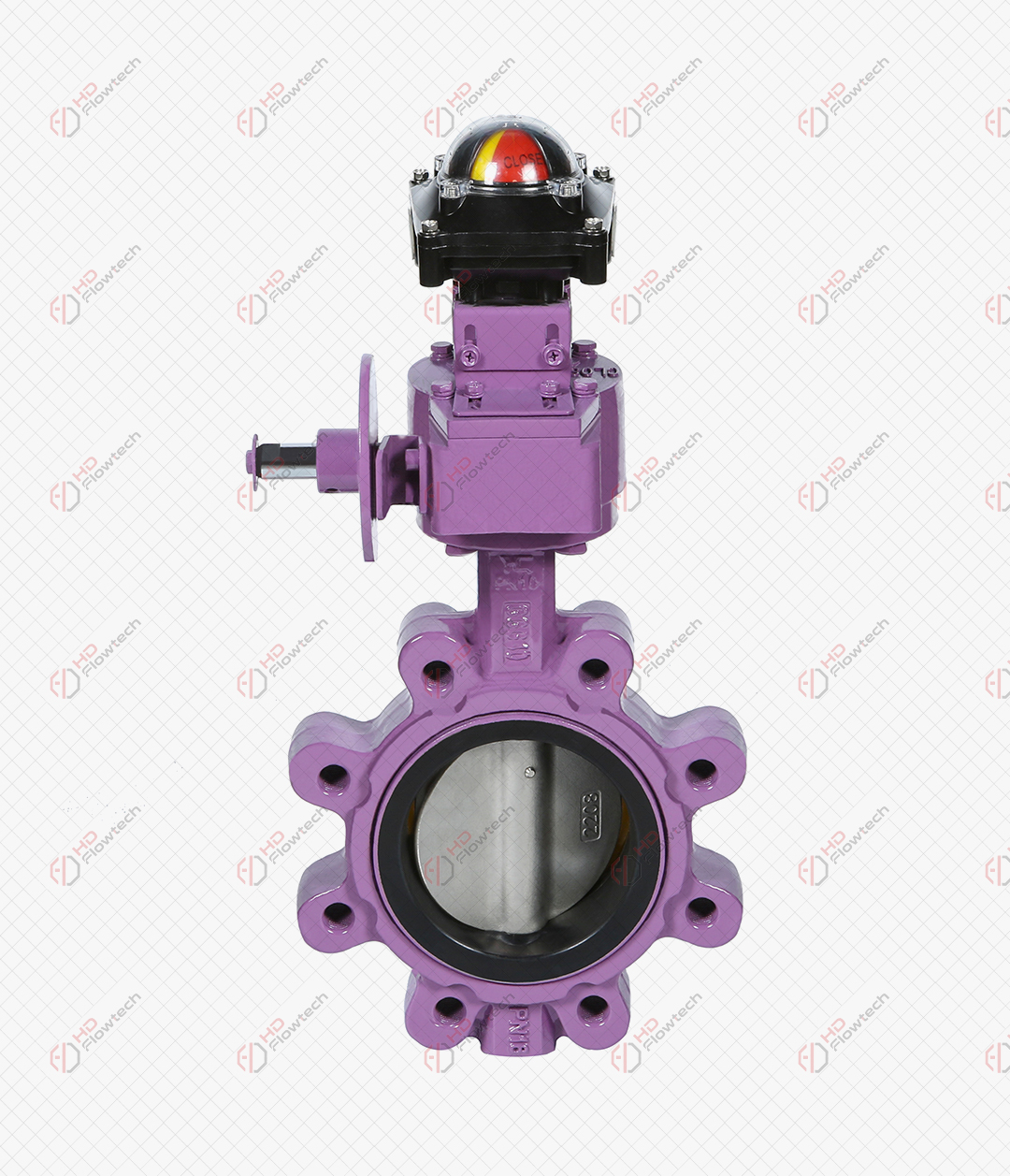
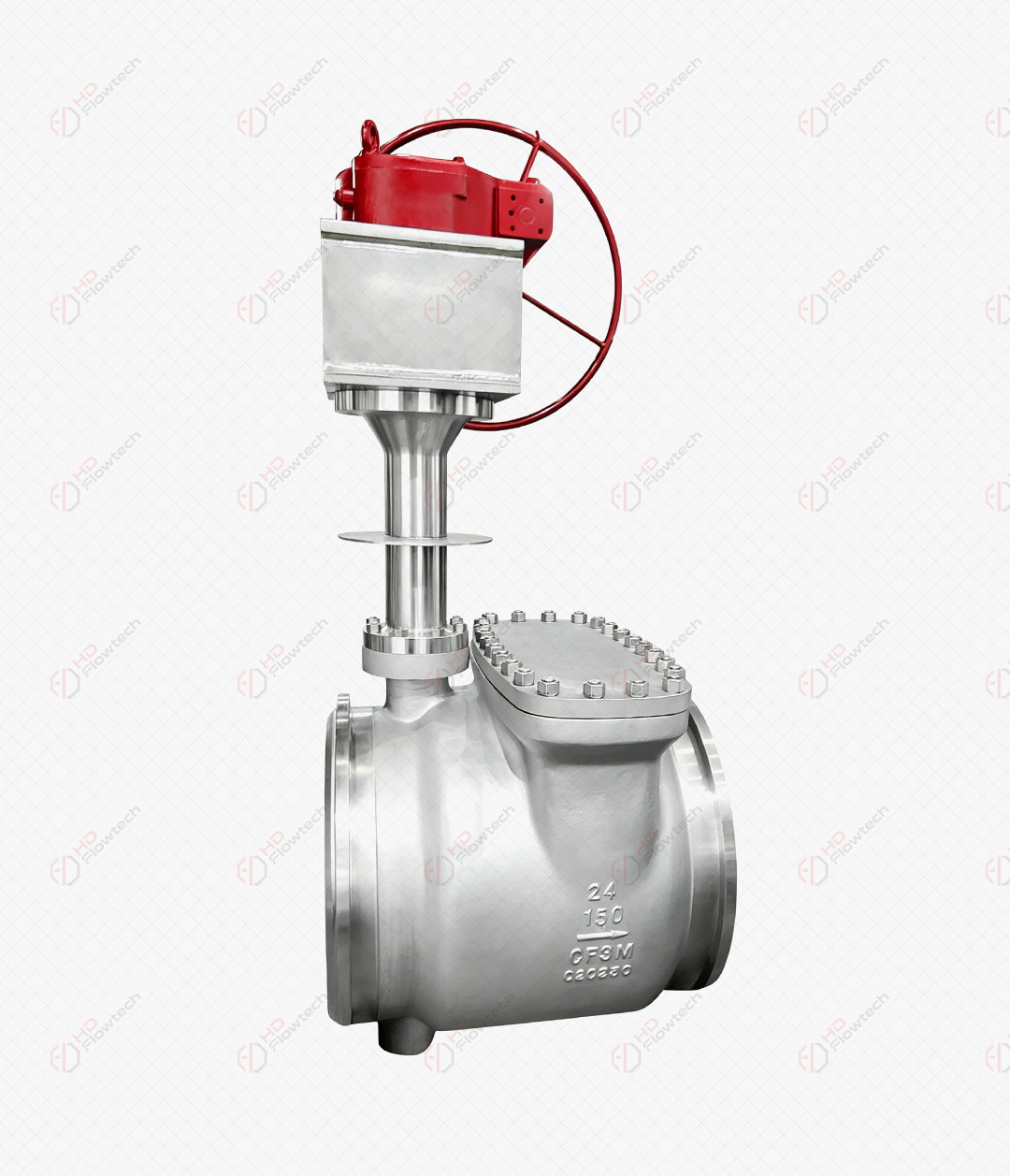
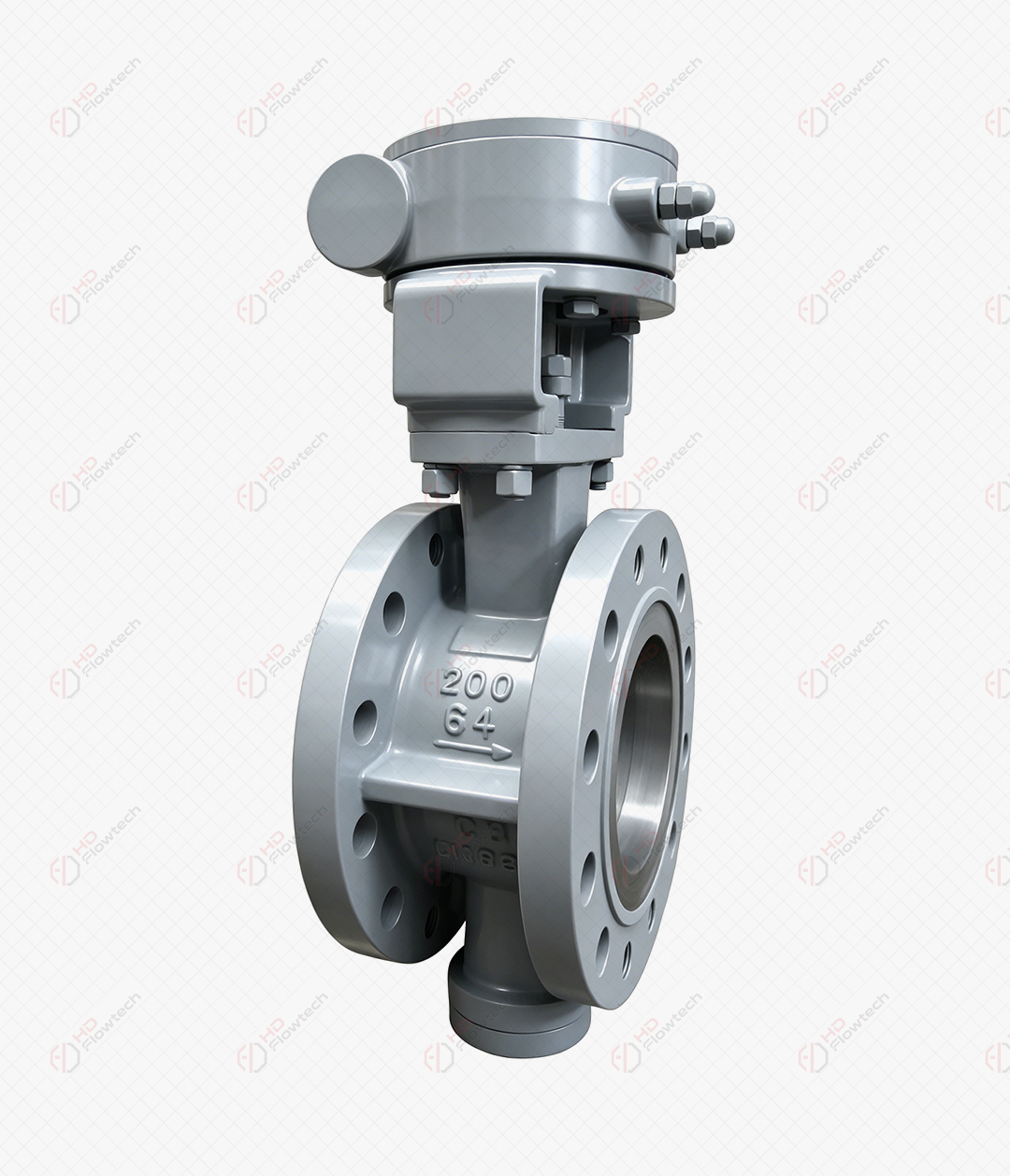
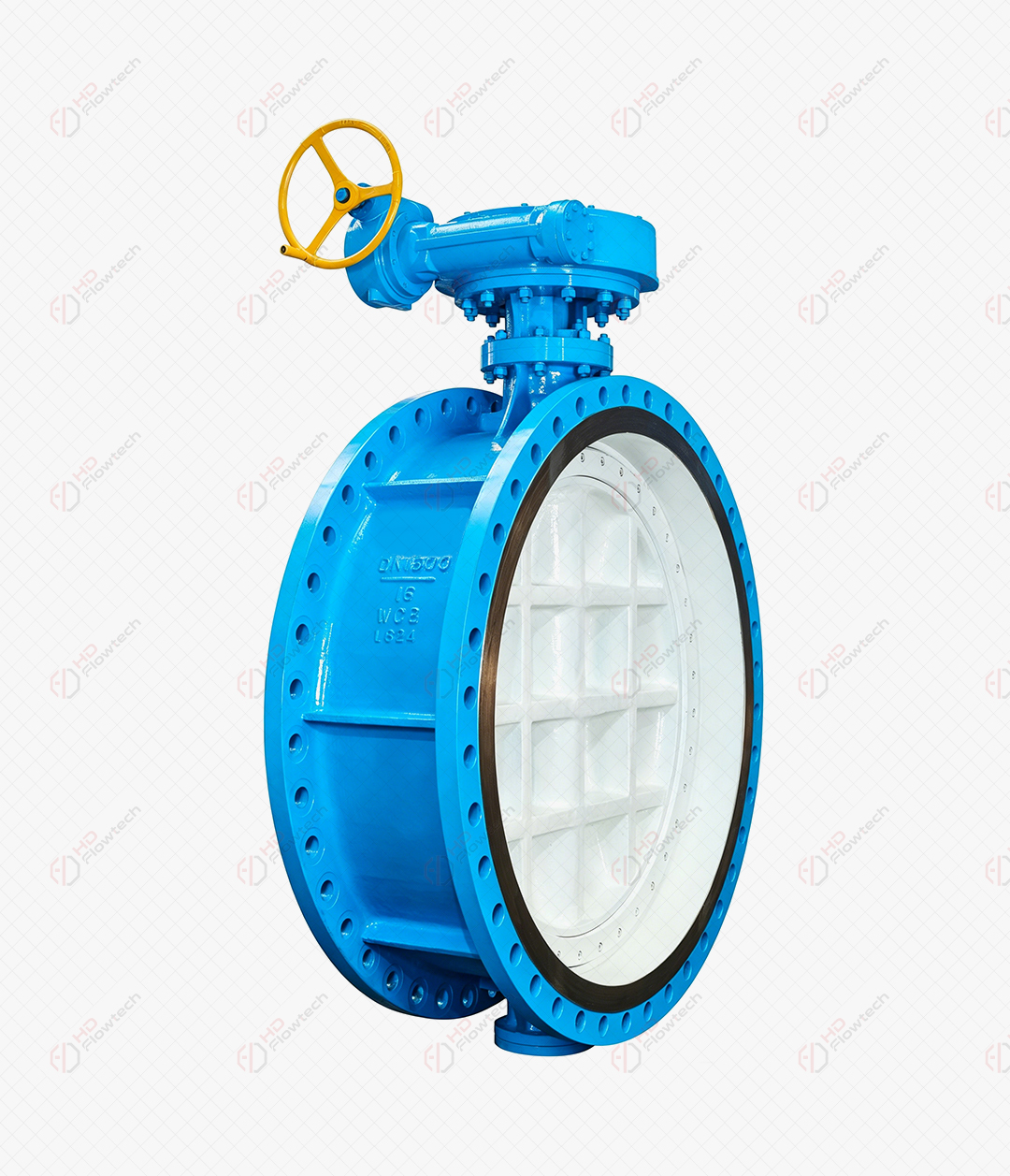
In the picture is a pneumatic actuated butterfly valve, featuring a lug-type body designed for automated on/off and throttling control. The body is typically made of ductile iron, carbon steel (WCB), or stainless steel, with a stainless steel or coated disc for enhanced corrosion resistance. The seat material includes EPDM, NBR, PTFE, or high-performance options (RPTFE/PEEK/metal seat) depending on service conditions. The valve is protected by epoxy coating (FBE or painted) for long-term durability in corrosive environments. Its quarter-turn operation ensures low pressure drop and fast response, while the pneumatic actuator with position indicator enables reliable automation. The lug design allows secure installation and end-of-line service. Widely used in water treatment, HVAC, chemical processing, and general industrial systems, as well as utility applications in oil & gas, where corrosion resistance and frequent operation are required.
Butterfly valves are specified where compact design, lightweight construction, and efficient flow control are required with relatively low pressure drop. Their quarter-turn rotary operation uses a disc that rotates within the flow stream, allowing quick opening and closing with minimal operating torque, making them widely used for isolation and throttling service in water treatment, HVAC systems, power plants, and large-diameter pipeline applications. Compared to gate valves, butterfly valves are more space-efficient and cost-effective for large sizes, but they introduce some flow obstruction due to the disc remaining in the flow path.
Butterfly valve types are selected based on sealing design and performance requirements. Concentric (resilient seated) butterfly valves feature a centered disc and soft seat (EPDM, NBR, PTFE), providing bubble-tight shut-off and excellent sealing performance at low pressure, typically used in water supply, wastewater treatment, and general utility systems. Double offset (high-performance) butterfly valves incorporate an offset stem and disc design that reduces seat contact during operation, minimizing wear and improving durability, making them suitable for medium pressure and temperature applications such as HVAC, district cooling, and general industrial service. Triple offset butterfly valves utilize a three-offset geometry that creates a cam-like sealing action with no friction between disc and seat during operation, combined with metal seating (Stellite or hard-faced), making them ideal for high-pressure, high-temperature, and critical isolation service such as steam systems, oil & gas processing, and petrochemical plants.
Beyond standard designs, butterfly valves can also be configured for specialized applications. High-performance butterfly valves with laminated or metal seats are used in applications requiring both throttling and tight shut-off under moderate to high temperatures. Cryogenic butterfly valves are designed with extended bonnets for low-temperature service such as LNG and gas processing. Rubber-lined butterfly valves are used for corrosive or abrasive media, providing chemical resistance in water treatment and mining industries. Lug type and wafer type designs are selected based on installation requirements—wafer type for compact, lightweight systems, and lug type for end-of-line service where one side of the pipeline may be removed.
Stem and shaft design vary depending on service conditions. Standard concentric designs use a central shaft, while high-performance and triple offset valves use offset shafts to reduce seat wear and operating torque. Blow-out proof stems and anti-static devices are commonly incorporated for safety in hydrocarbon service. Gear operators are typically used for larger sizes where manual torque becomes excessive, while electric, pneumatic, or hydraulic actuators are used for automated control, emergency shut-down (ESD), and remote operation.
Butterfly valve construction varies by body type and connection design. Wafer and lug-type bodies are compact and suitable for general plant piping systems. Double-flanged butterfly valves provide higher strength and are used in high-pressure or large-diameter pipelines. Fully welded or heavy-duty designs are used in critical applications where structural integrity is required. End connections include wafer, lug, and flanged types, providing flexibility for different piping standards and installation methods.
Butterfly valves are typically manufactured using cast construction (WCB, ductile iron, stainless steel) for most applications, with forged or fabricated designs used in high-pressure or critical service. The disc and seat materials are selected based on media compatibility, temperature, and sealing requirements, ranging from soft seats (EPDM, PTFE) for tight shut-off in low-pressure service to metal seats (Stellite, Inconel overlay) for high-temperature and abrasive conditions.
Low Pressure — PN10 / PN16 / Class 150
For water systems, HVAC, and general utility service. Concentric design with soft seats (EPDM/NBR/PTFE), cast body construction (ductile iron or WCB). Cost-effective and lightweight solution for large-diameter pipelines where tight shut-off and easy operation are required.
Medium Pressure — PN25 / PN40 / Class 150–300
For industrial process systems, cooling water, and general plant service. Double offset (high-performance) design with improved sealing and reduced seat wear. Suitable for both isolation and throttling applications with moderate temperature and pressure.
High Pressure / High Temperature — PN63–PN160 / Class 300–600+
For critical service in oil & gas, petrochemical, and power generation. Triple offset design with metal seats and fire-safe construction, ensuring zero leakage performance and long service life under high temperature, high pressure, and corrosive conditions. Compliant with API 609, ASME B16.34, and fire-safe standards such as API 607 / API 6FA for hydrocarbon service.