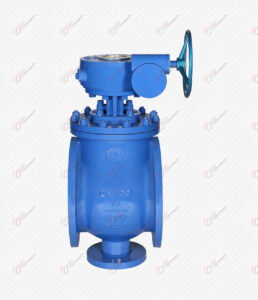
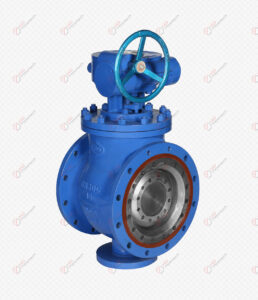
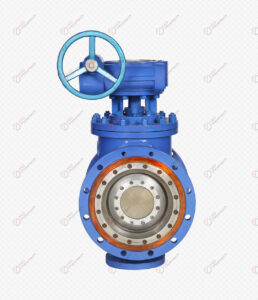
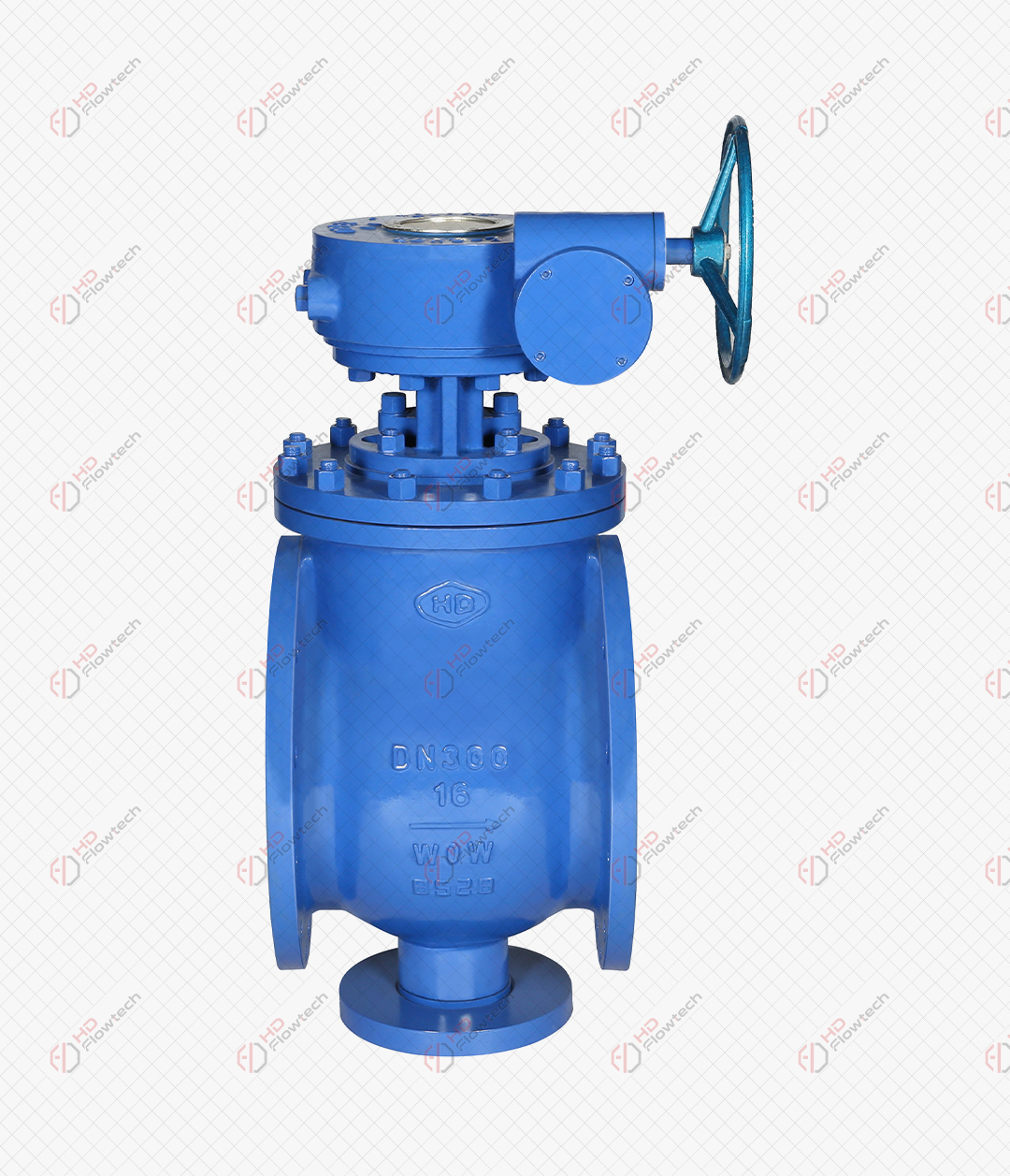
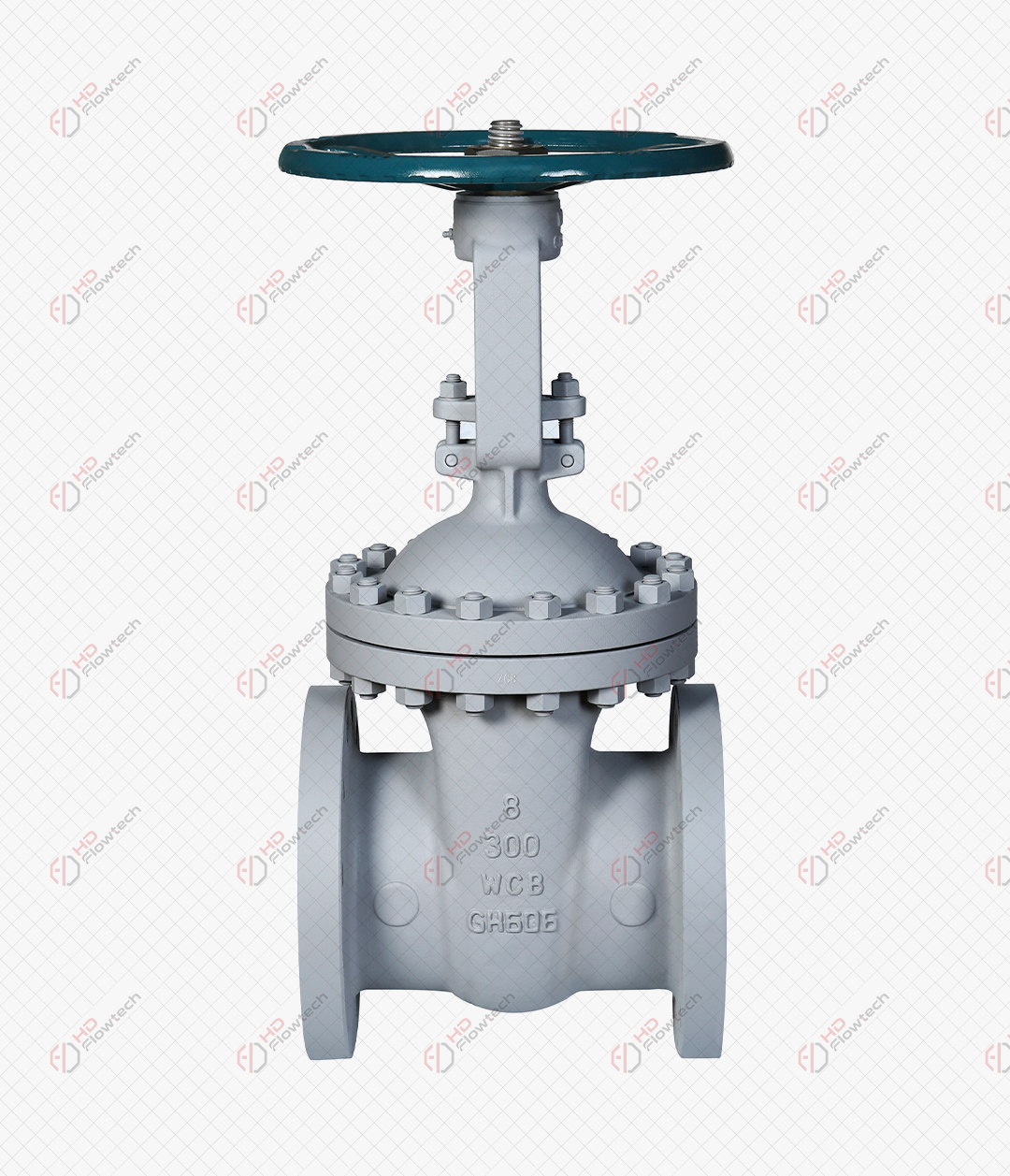
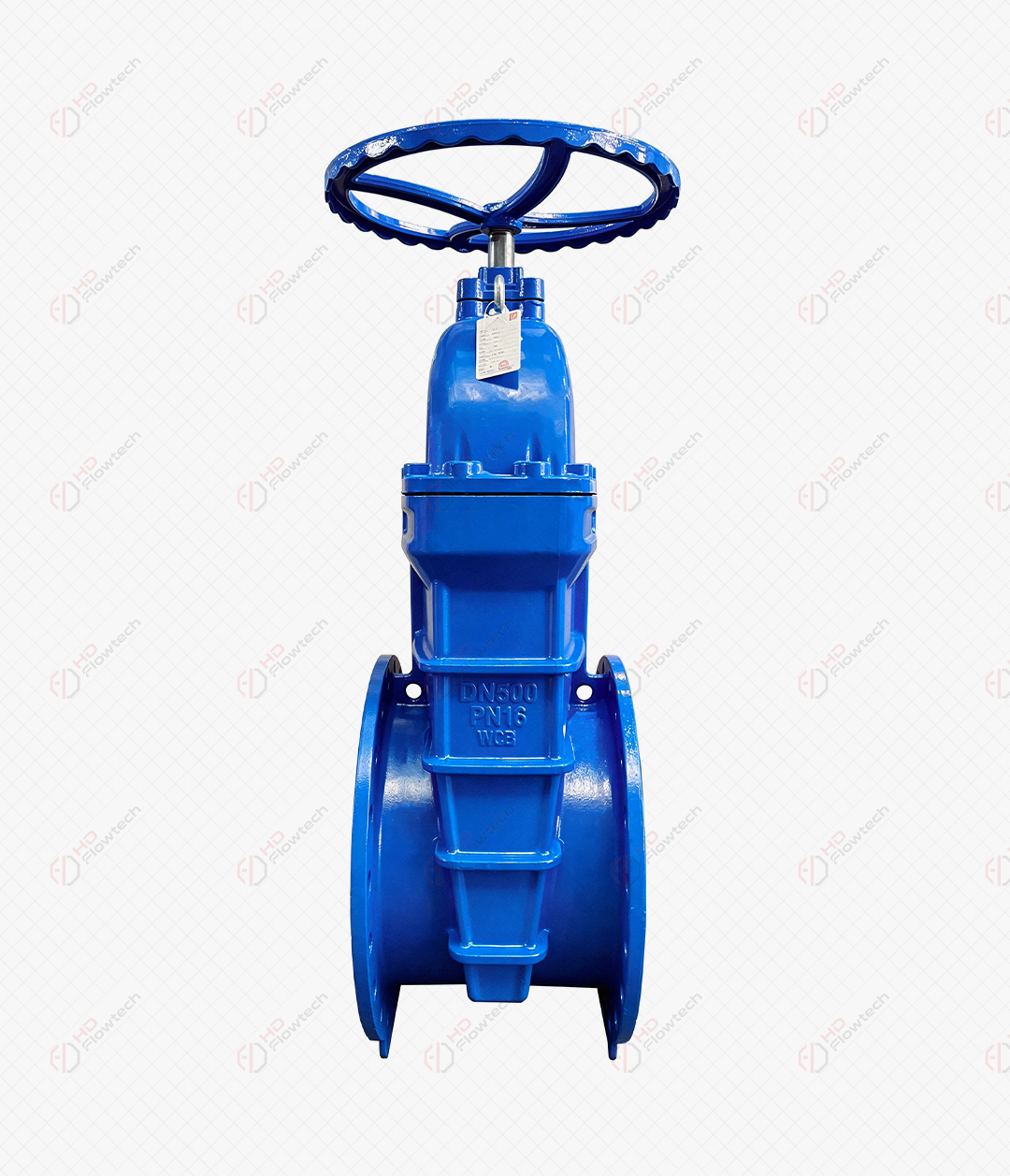
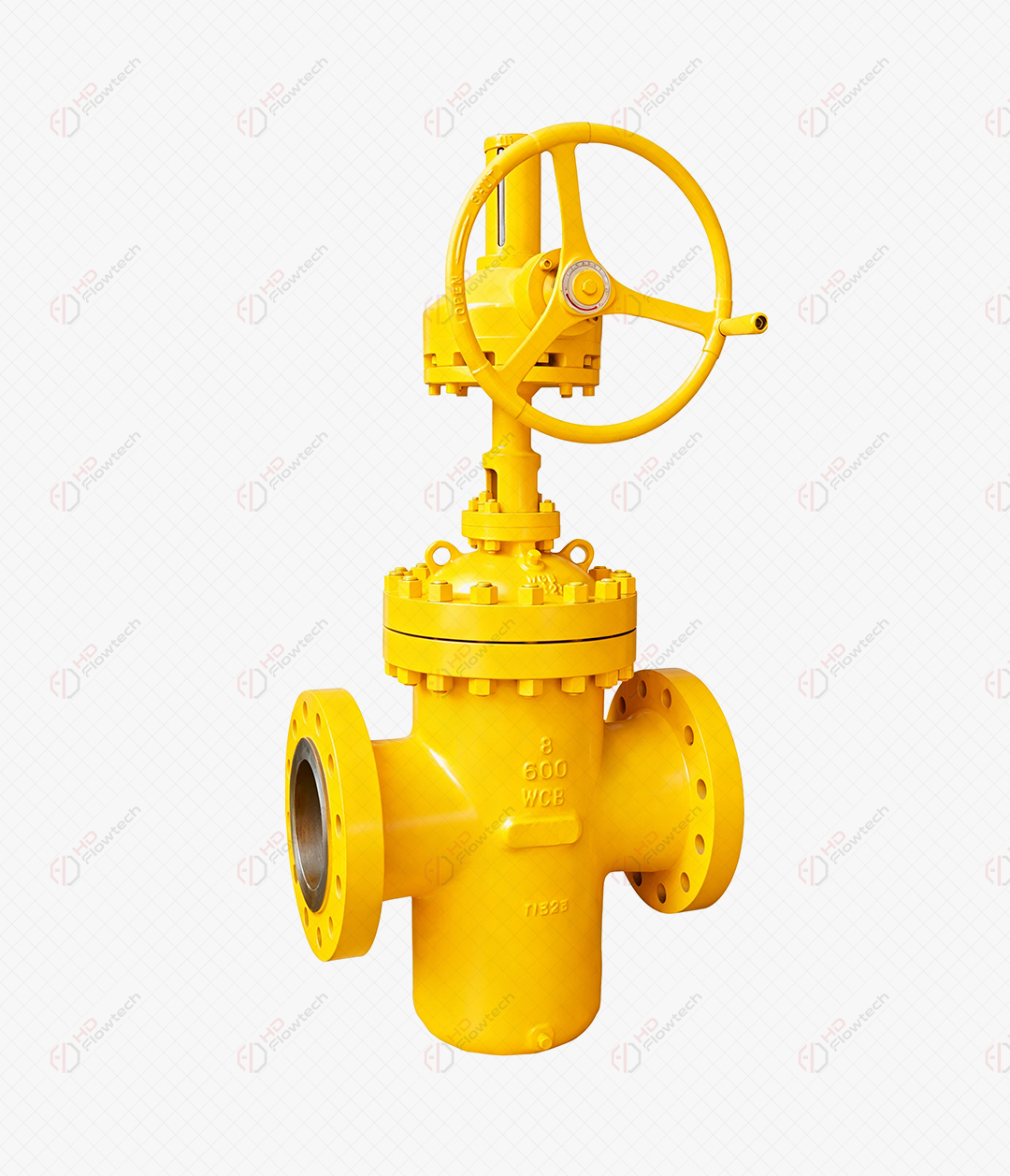
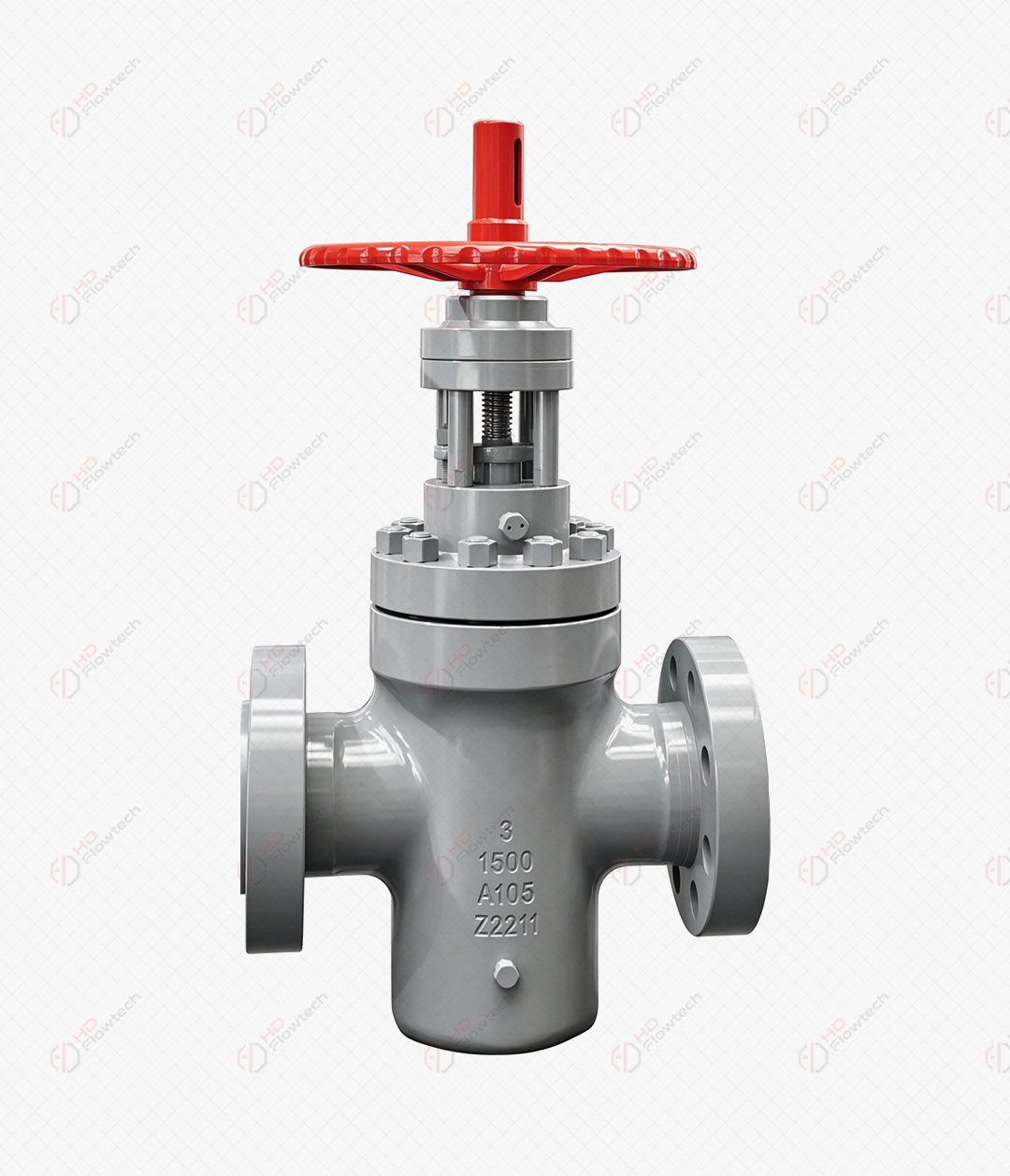
Through-conduit slab gate valves are selected for full-bore isolation service in water transmission, municipal pipeline, and industrial systems where zero cavity entrapment, complete pigging compatibility, and bidirectional sealing are required. The through-conduit gate design eliminates the valve body cavity from the flow path in the open position — preventing sediment accumulation, biological growth, and pressure entrapment that occur with conventional gate and ball valve body cavities in water supply and transmission pipeline service.
Full-bore through-conduit design is mandatory for pipeline systems requiring inline inspection tools (pigs) to pass through the valve without obstruction — water transmission mains, industrial cooling water pipelines, and process systems where regular inline cleaning and inspection are required without valve removal. The bidirectional sealing capability with spring-loaded floating seats provides positive shut-off against flow from either direction, making through-conduit slab gate valves suitable for pipeline sectioning, pump station isolation, and reservoir inlet/outlet control where flow direction may reverse under system conditions.
Body material selection — WCW and LCB for low-temperature and cold climate water service, WCB for standard process and water service, and stainless steel (CF8M) or duplex grades for corrosive applications — is determined by fluid type, operating temperature, and pipeline environment. Gear operators are standard for large-bore service, with electric, pneumatic, and hydraulic actuators selected for automated remote operation and SCADA integration in water treatment plants and transmission pipeline systems. Design standard API 6D governs through-conduit slab gate valves for pipeline service, covering full-bore design, bidirectional sealing, and pigging passage requirements