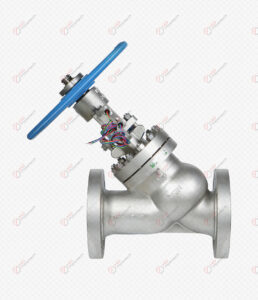
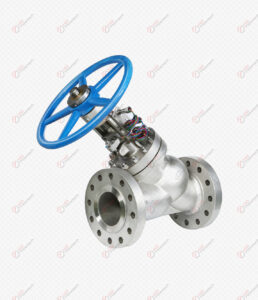
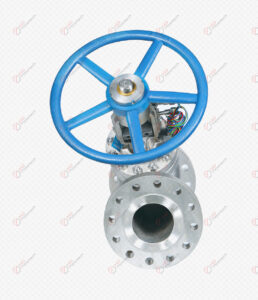
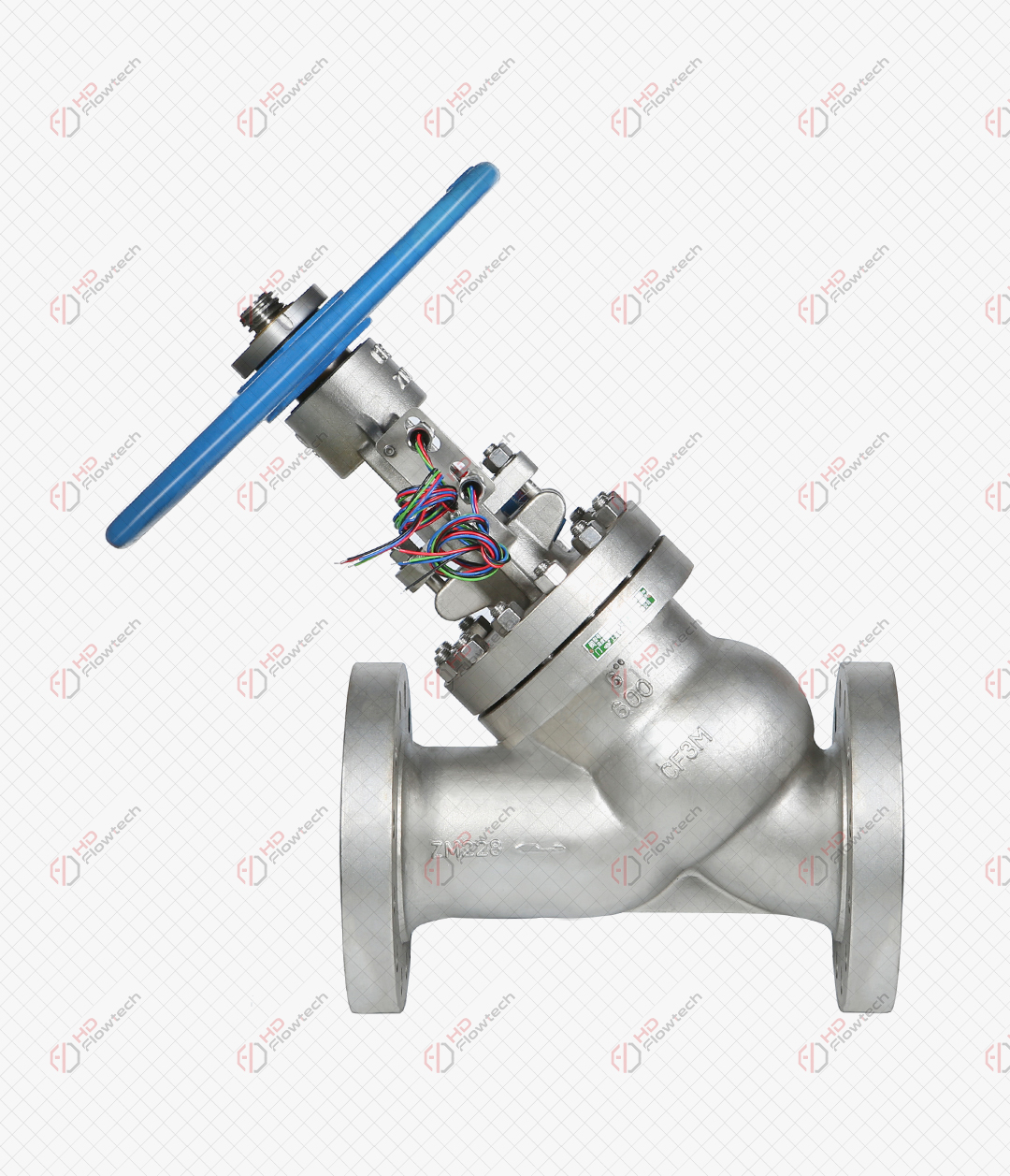
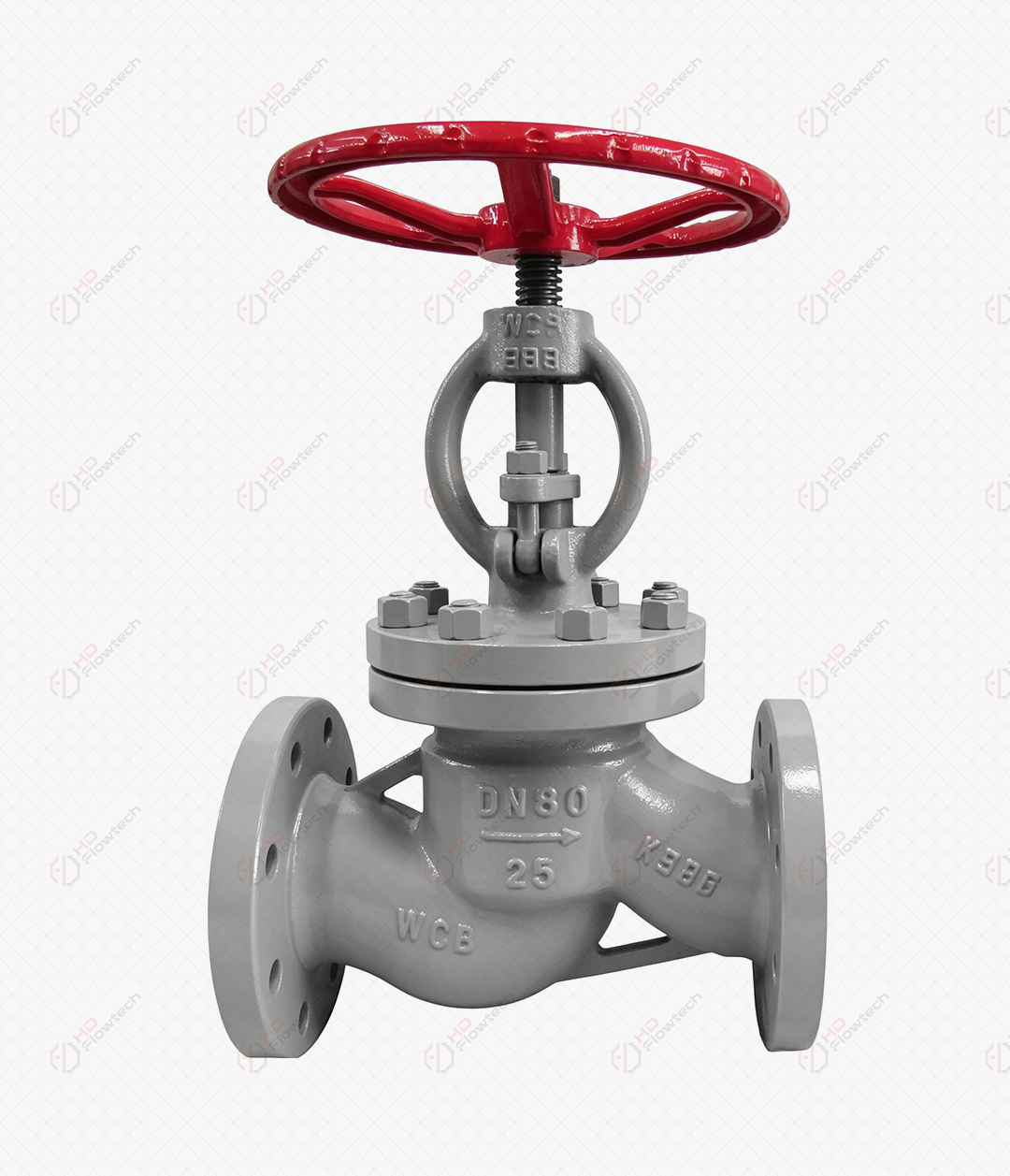
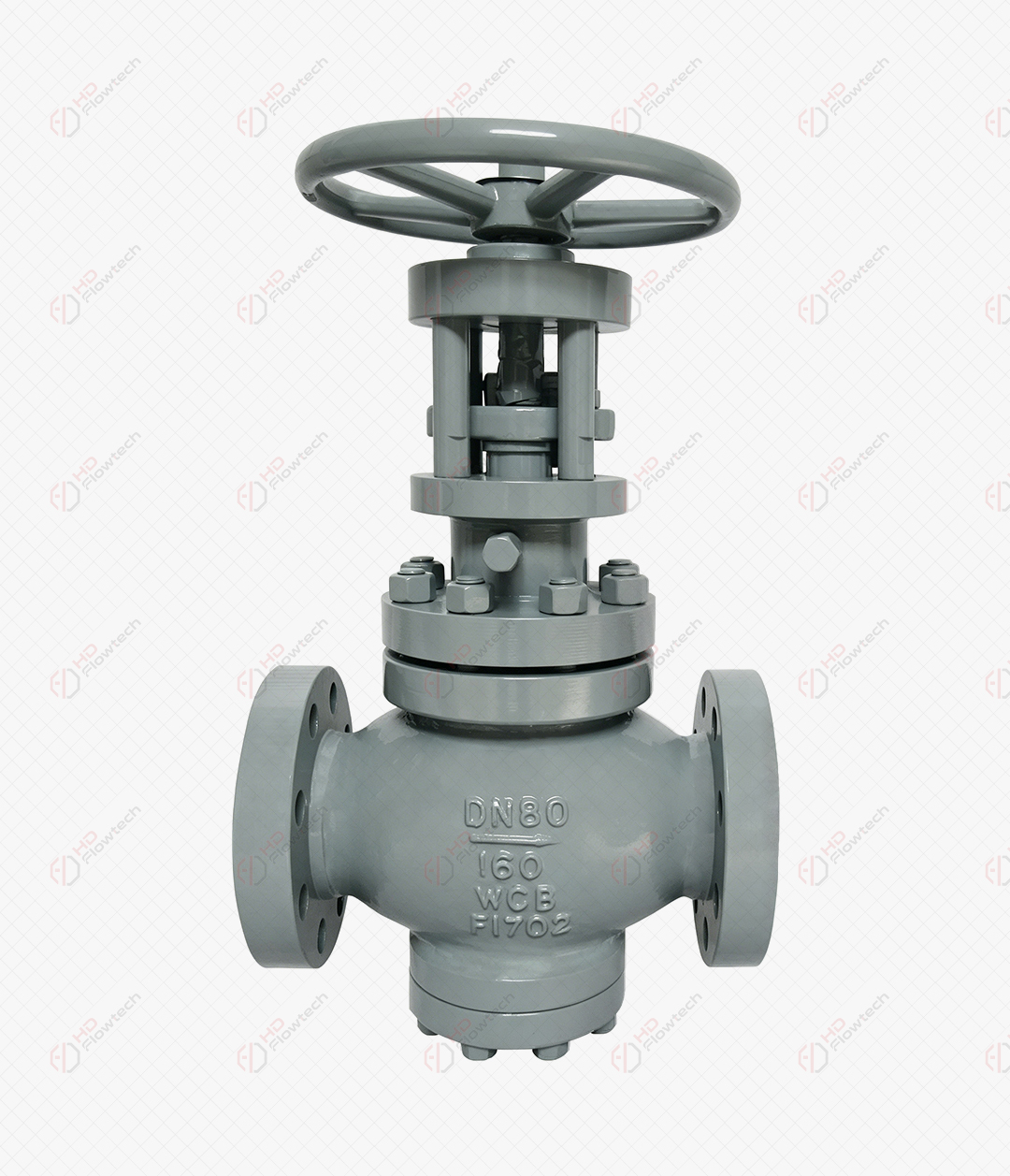
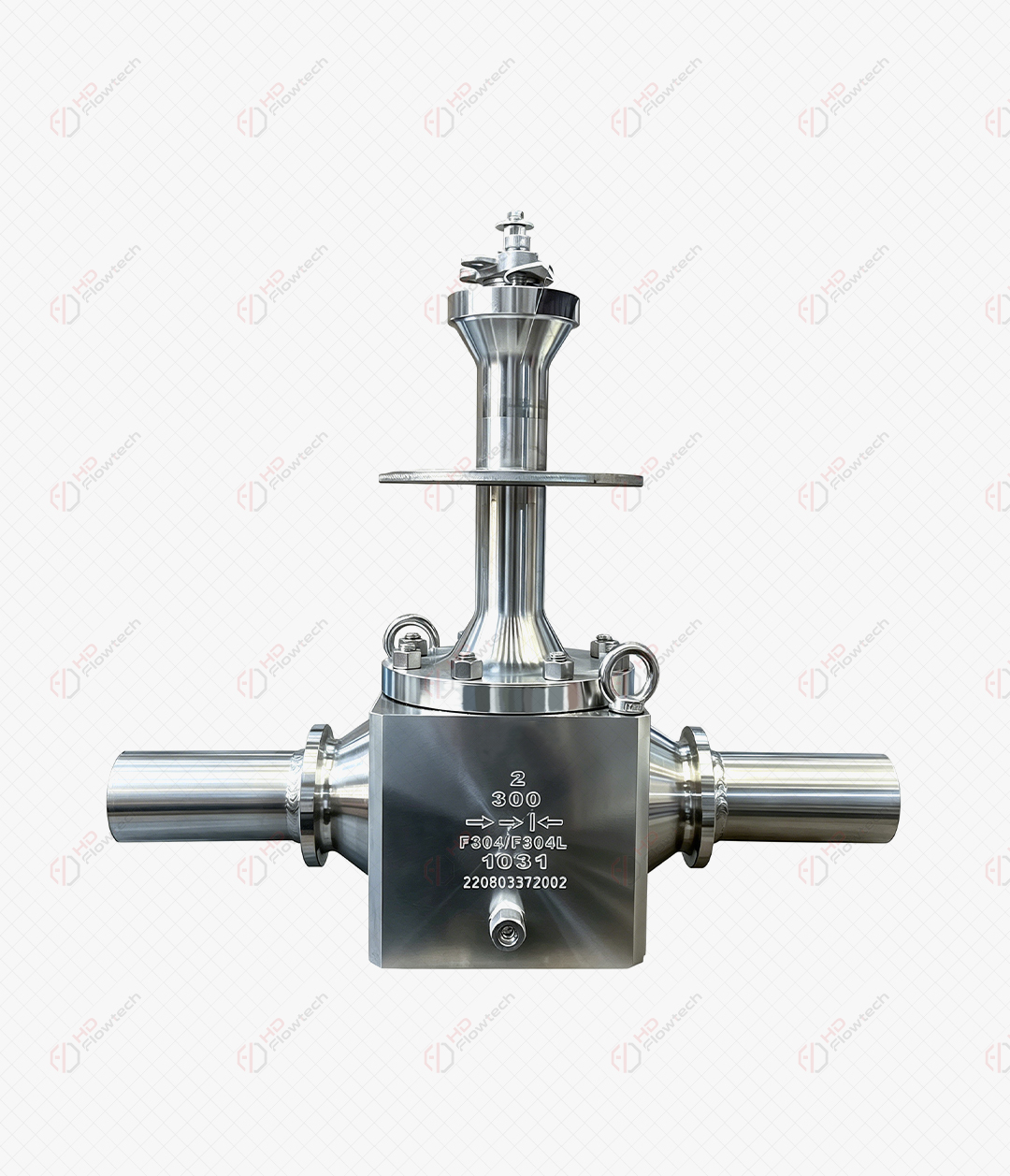
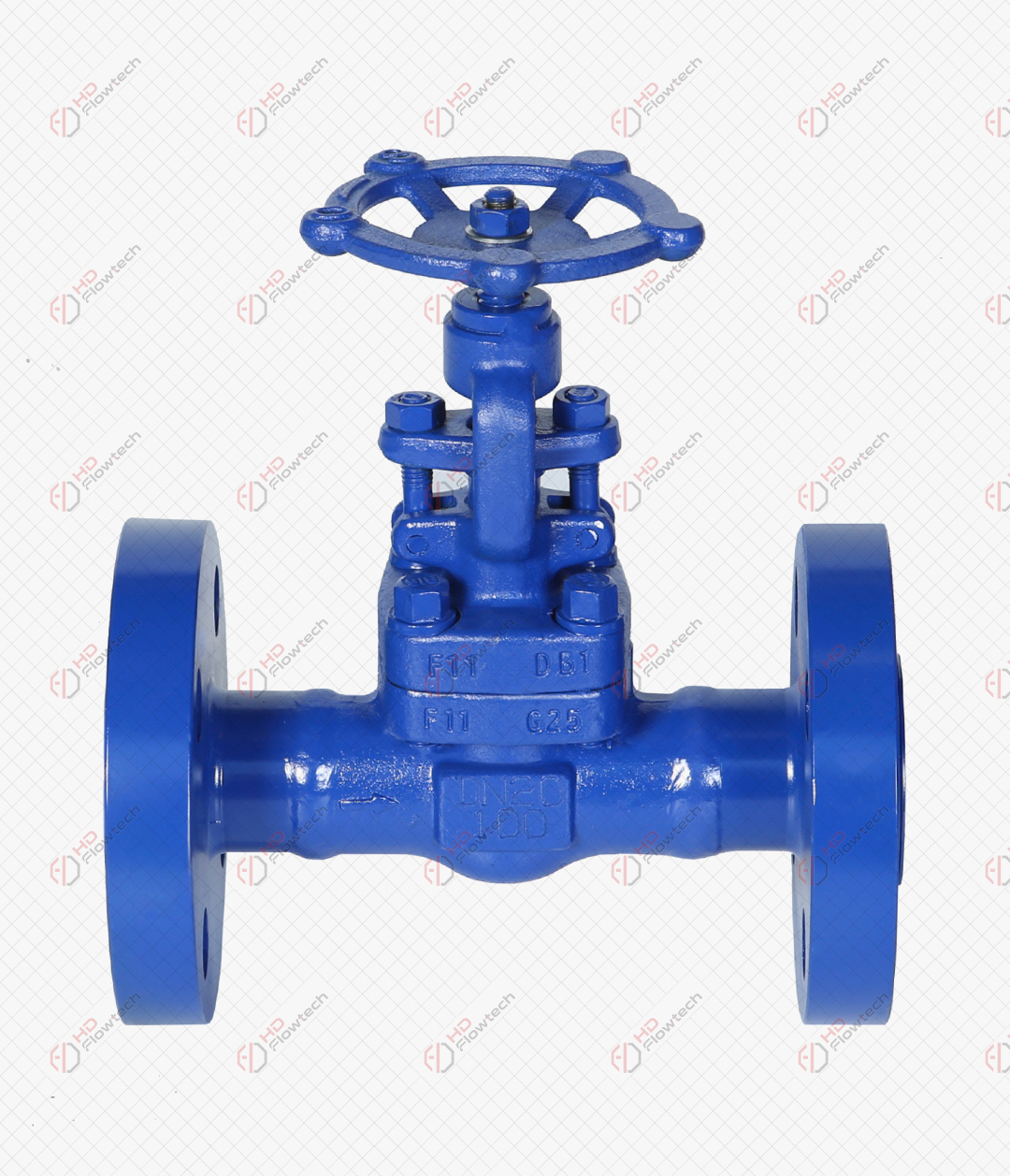
Y-pattern globe valves are selected for isolation and throttling service in applications where the lower pressure drop of the Y-pattern body design is required compared to straight-pattern globe valves, while retaining the precise flow control capability that gate and ball valves cannot provide. The 45° seat orientation reduces the number of flow direction changes through the valve body — providing a Cv coefficient significantly higher than equivalent straight-pattern designs at the same bore size, making Y-pattern globe valves the preferred choice for flow control applications where minimizing pressure drop is a system design requirement.
Stainless steel body construction (CF3M, CF8M) is selected for corrosive, cryogenic, and high-purity process service where carbon steel body materials are not compatible with the process fluid. CF3M and CF3 low-carbon grades are specified for welded assemblies and cryogenic service where sensitization prevention and low-temperature impact toughness are required. The Y-pattern design is particularly advantageous in cryogenic service — the inclined seat geometry facilitates complete fluid drainage from the valve body, preventing liquid gas entrapment and reducing boil-off in LNG and cryogenic process systems.
Integrated limit switches and position feedback sensors are commonly specified on Y-pattern globe valves in automated process systems, providing valve status signals to DCS and safety instrumented systems without separate position indicator accessories. Body material selection — CF3M and CF8M for corrosive and cryogenic service, WCB for standard process applications, and LCB for low-temperature service — is determined by fluid compatibility, operating temperature, and process purity requirements. Design standards ASME B16.34 and BS 1873 govern Y-pattern globe valve pressure-temperature ratings and material requirements for process and pipeline service.