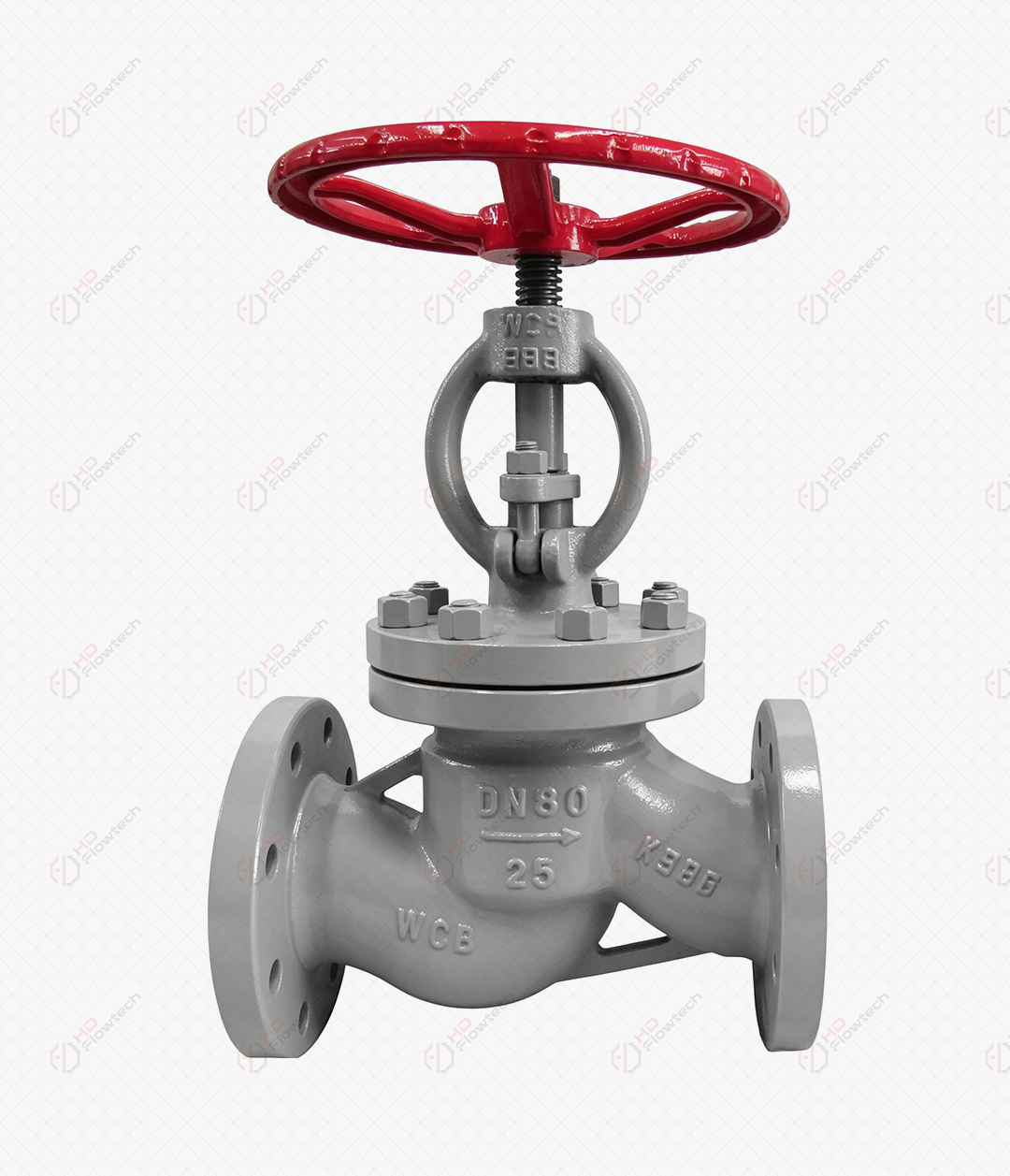
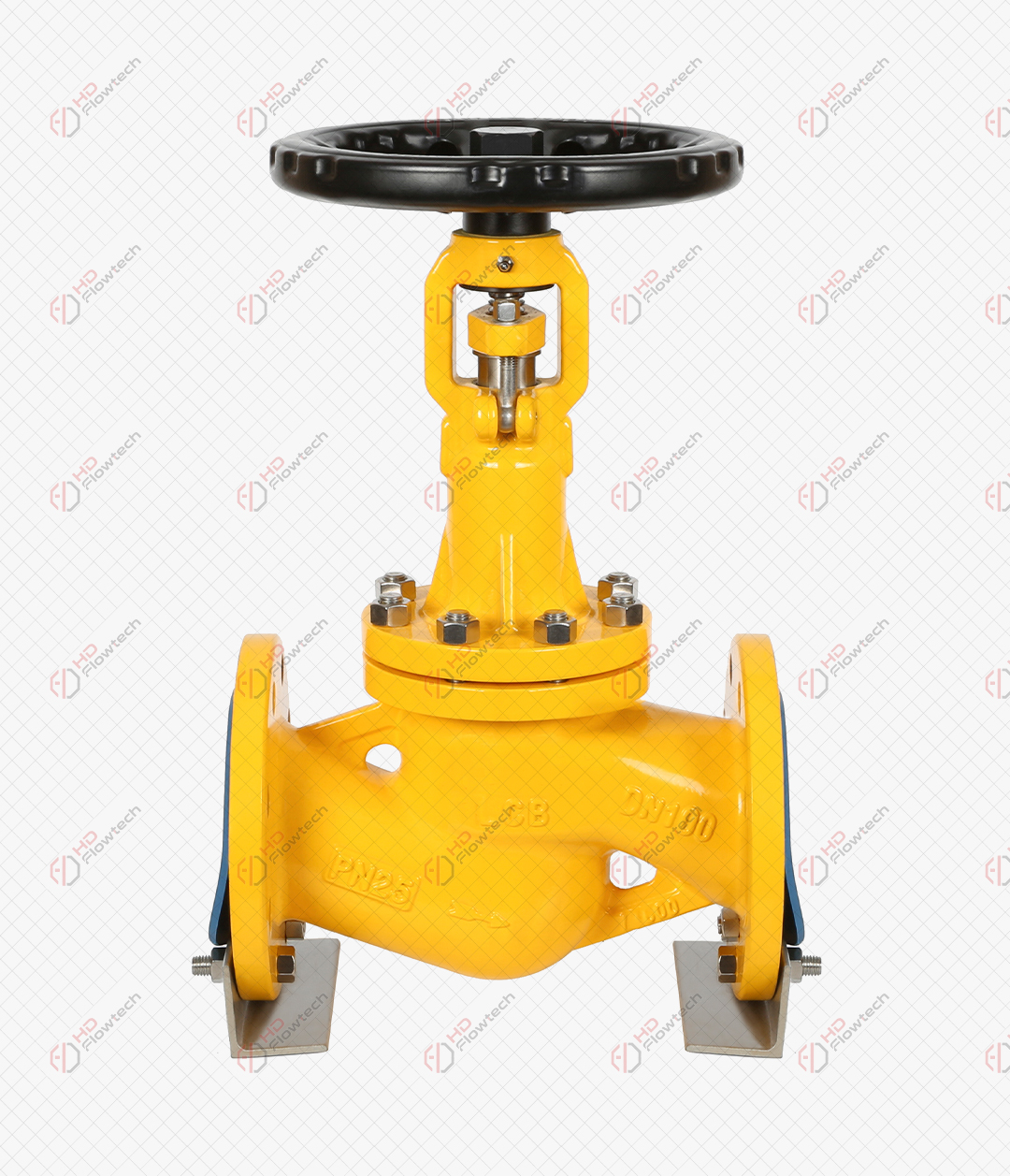
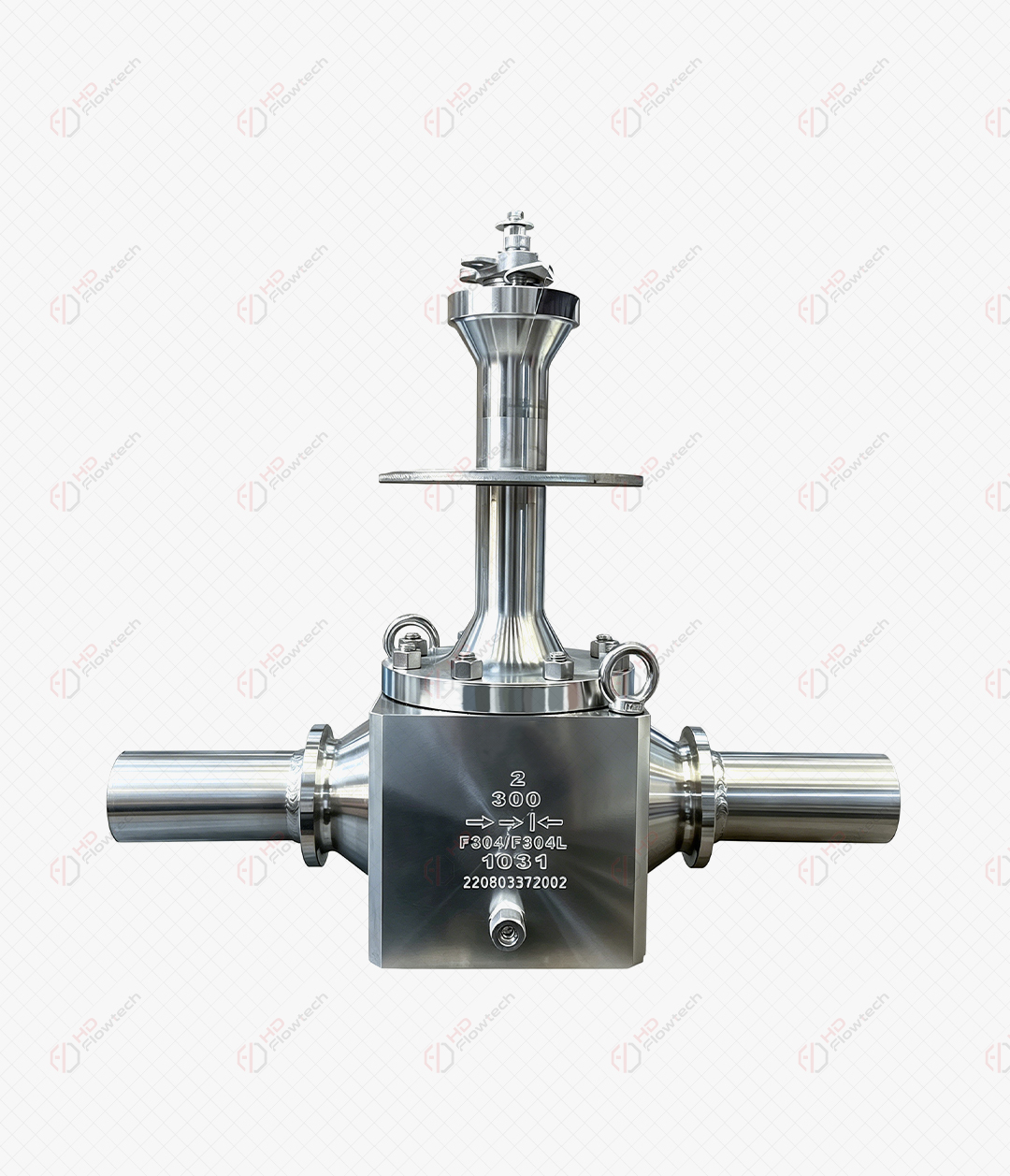
Globe valves are selected for isolation and throttling service in process, steam, and industrial pipeline systems where precise flow control and tight shut-off are required in a single valve. The disc-and-seat design allows incremental flow regulation across the full stem stroke, making globe valves the standard specification for steam conditioning, pressure letdown, flow balancing, and process control duty where gate and ball valves cannot provide the required throttling capability.
Straight pattern globe valves are the most common configuration, routing flow through an S-shaped body path for reliable throttling and isolation across a wide range of pressure classes and temperatures. Angle pattern globe valves combine isolation and 90° flow direction change in a single body, eliminating a separate elbow fitting and reducing potential leak points in space-constrained installations. Y-pattern globe valves provide lower pressure drop than straight pattern designs by routing flow through a 45° seat angle — preferred for applications where minimizing pressure drop is a system design requirement while retaining throttling capability.
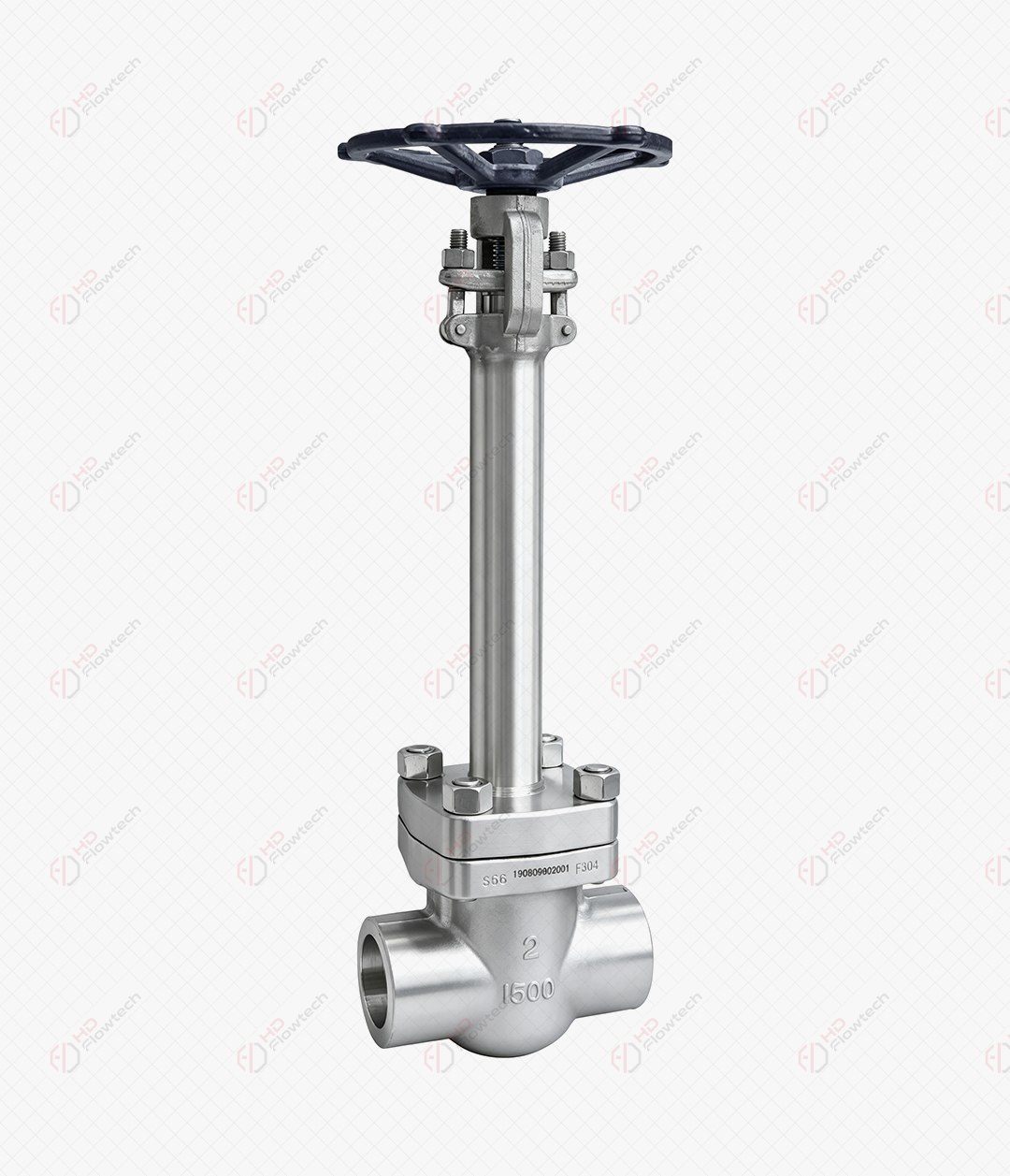
Cast steel bodies (WCB, CF8, CF8M) cover Class 150–600 general process, steam, and utility service. Forged steel bodies (A105N, F316, F11, F22) are specified for high-pressure small-bore service at Class 600 and above, providing material homogeneity and fatigue resistance under thermal cycling that cast bodies cannot consistently deliver. Extended bonnet designs are required for high-temperature service — protecting packing from direct contact with process fluid — and for cryogenic service where the extended bonnet keeps packing above the cold zone to prevent stem icing and seal failure. Pressure seal bonnet construction is standard for Class 900 and above, where bonnet sealing force increases with internal pressure to eliminate external leakage risk.
Body material selection — carbon steel (WCB) for standard service up to 425°C, alloy steel (F11, F22, F91) for high-temperature steam applications up to 600°C, and stainless steel (CF8M, F316) for corrosive and cryogenic service — is determined by operating temperature, fluid type, and pressure class. Design standards ASME B16.34, BS 1873, and API 623 govern globe valve pressure-temperature ratings and material requirements across all service conditions.