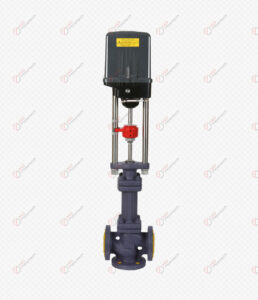
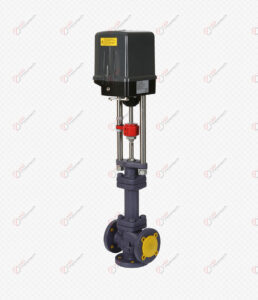
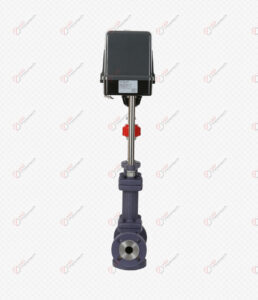
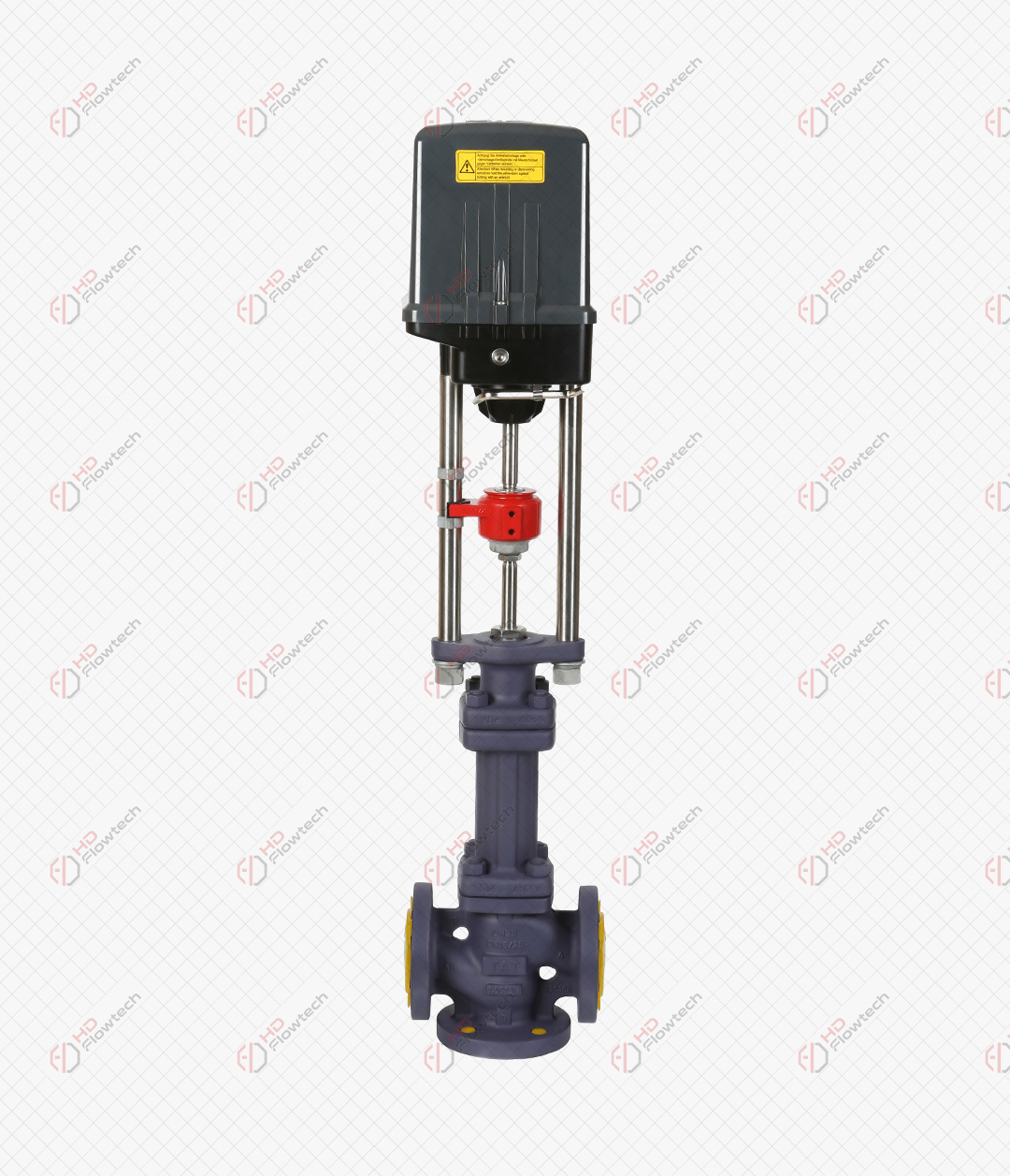
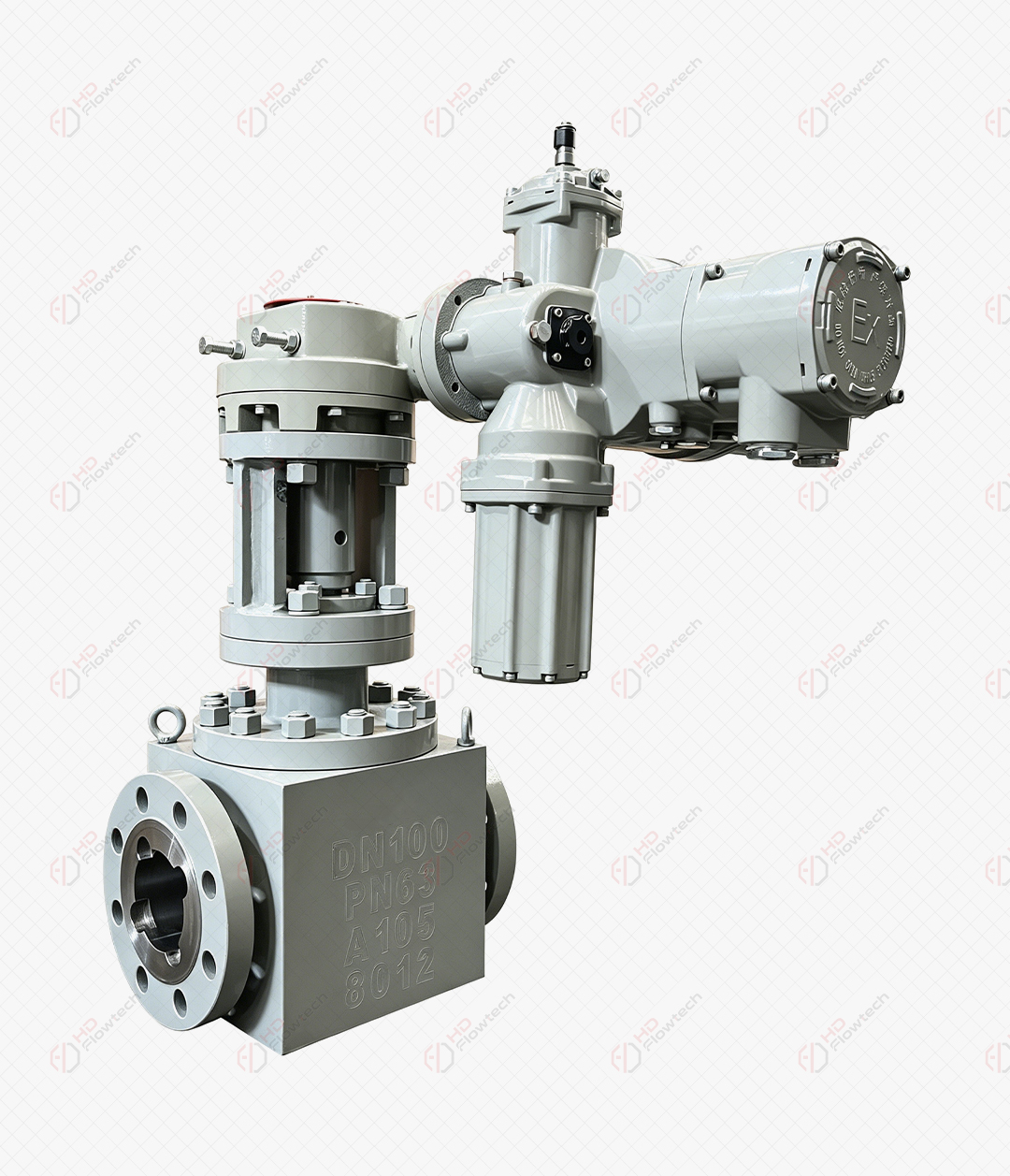
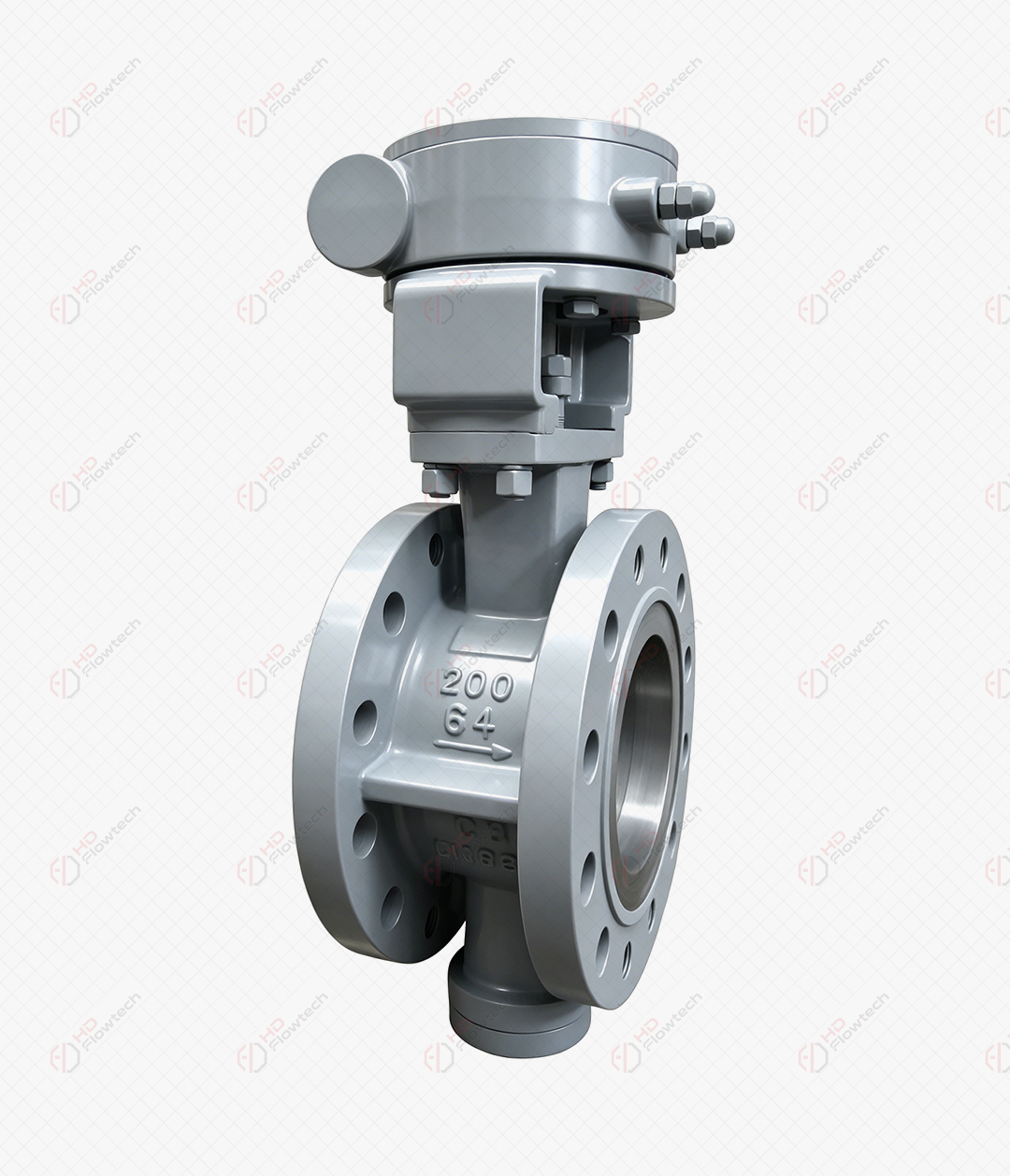
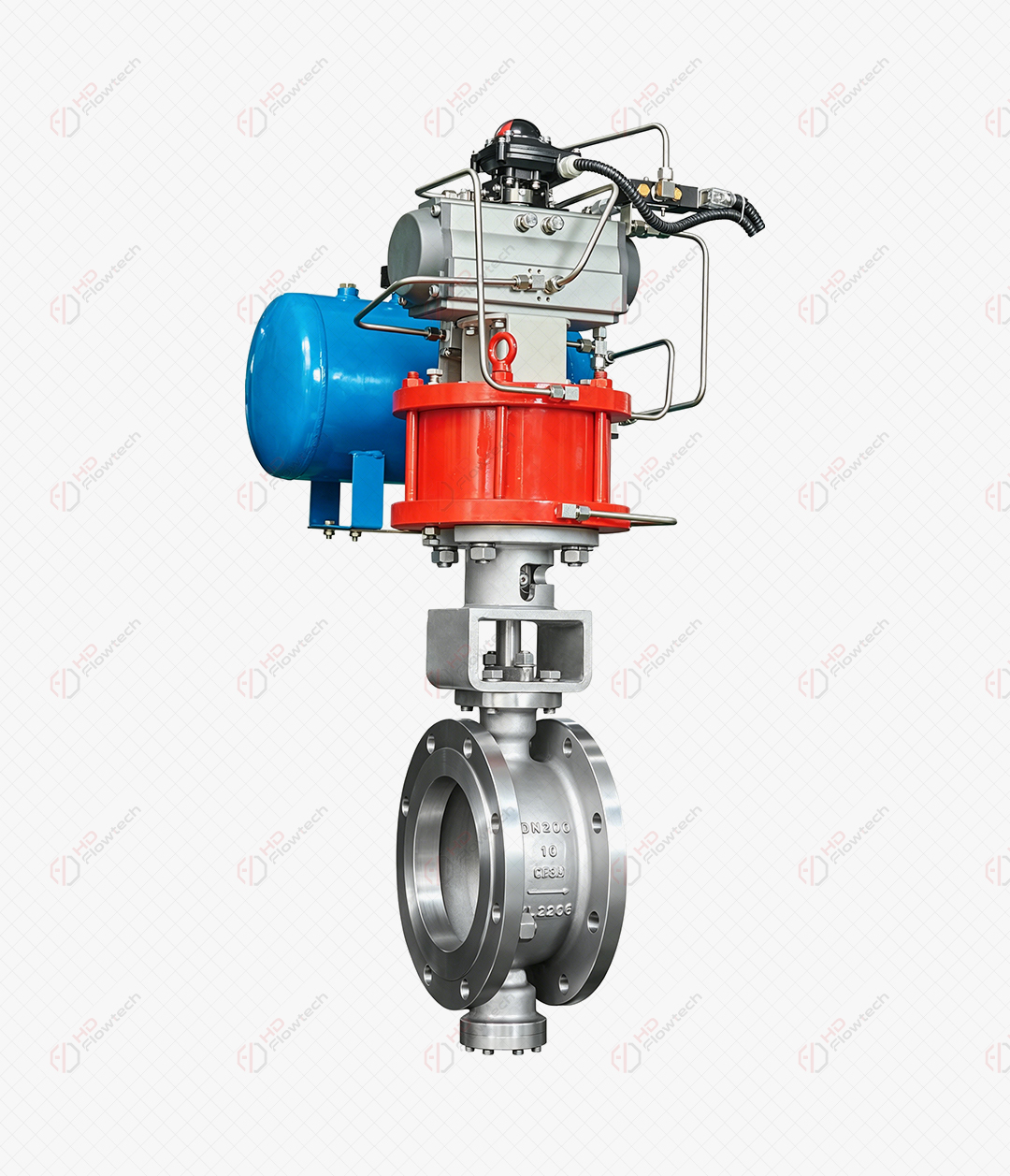
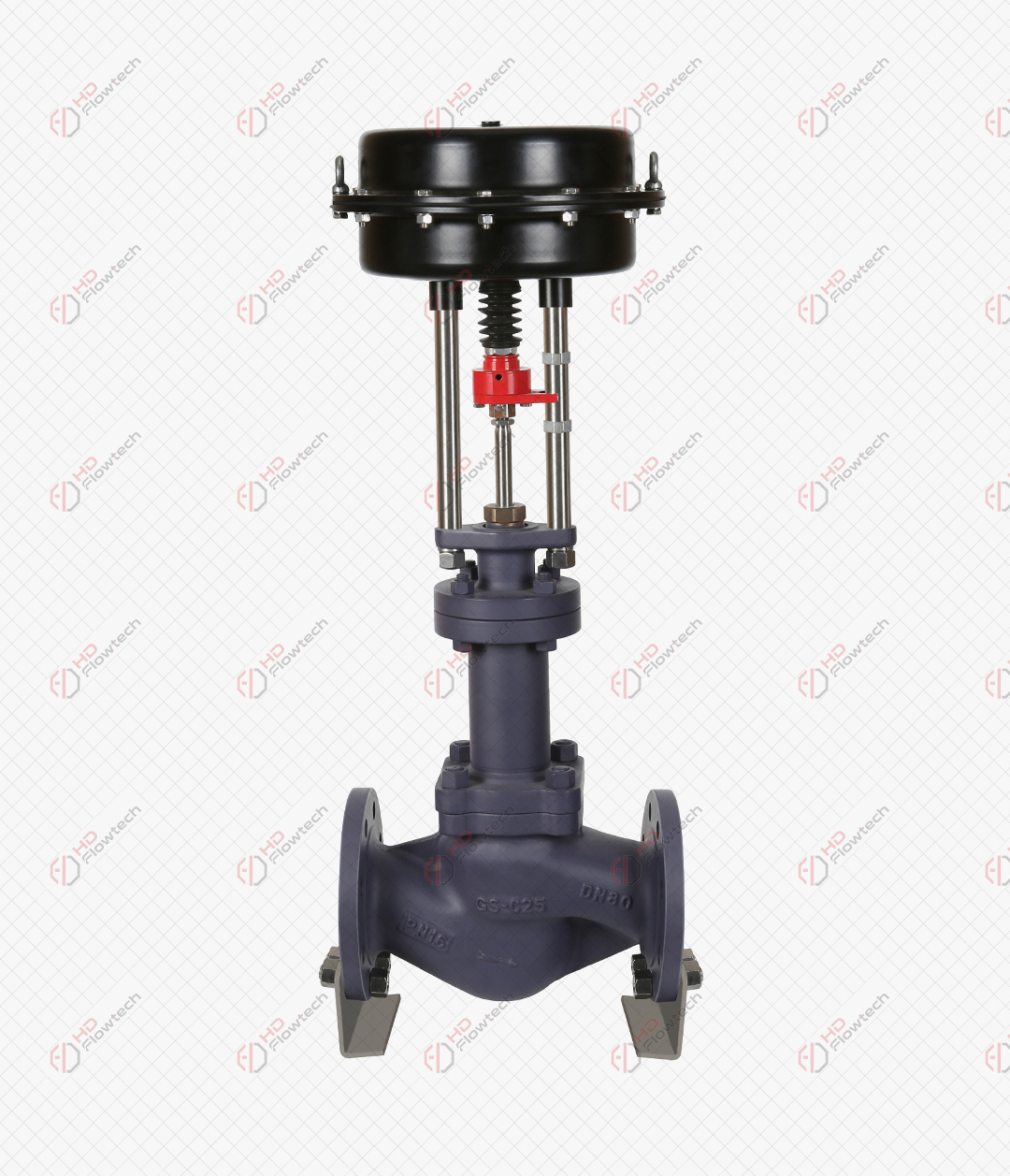
Electric control valves are selected for continuous flow modulation, temperature control, and pressure regulation service in HVAC, district heating, building services, and general utility systems where pneumatic instrument air infrastructure is not available or where simplified installation and BMS integration are priorities. The electric actuator converts 0–10V or 4–20 mA control signals directly to linear stem travel — providing smooth proportional flow control with direct interface to building management systems, energy management systems, and process controllers without signal conversion equipment.
Ductile iron body construction (GGG40, GGG50) is the standard material for HVAC and building services control valves at PN10–PN16, providing the structural integrity, impact resistance, and cost effectiveness required for high-volume building services procurement. Electric actuation eliminates the need for compressed air supply to individual valve locations — reducing installation complexity and cost in buildings and facilities where pneumatic infrastructure is not available or economically justified.
Equal percentage flow characteristic is the standard selection for heating and cooling coil control applications, providing stable temperature control loop performance across varying flow conditions and heat load. Linear characteristic is selected for pressure regulation and direct proportional flow control applications. Body material selection — GGG40 for standard HVAC and water service, WCB for higher pressure process applications, and CF8 stainless steel for corrosive media — is determined by fluid type, operating temperature, and system pressure requirements. Design standards IEC 60534 and EN 13709 govern electric control valve sizing, flow characteristic, and seat leakage classification for HVAC and building services applications.