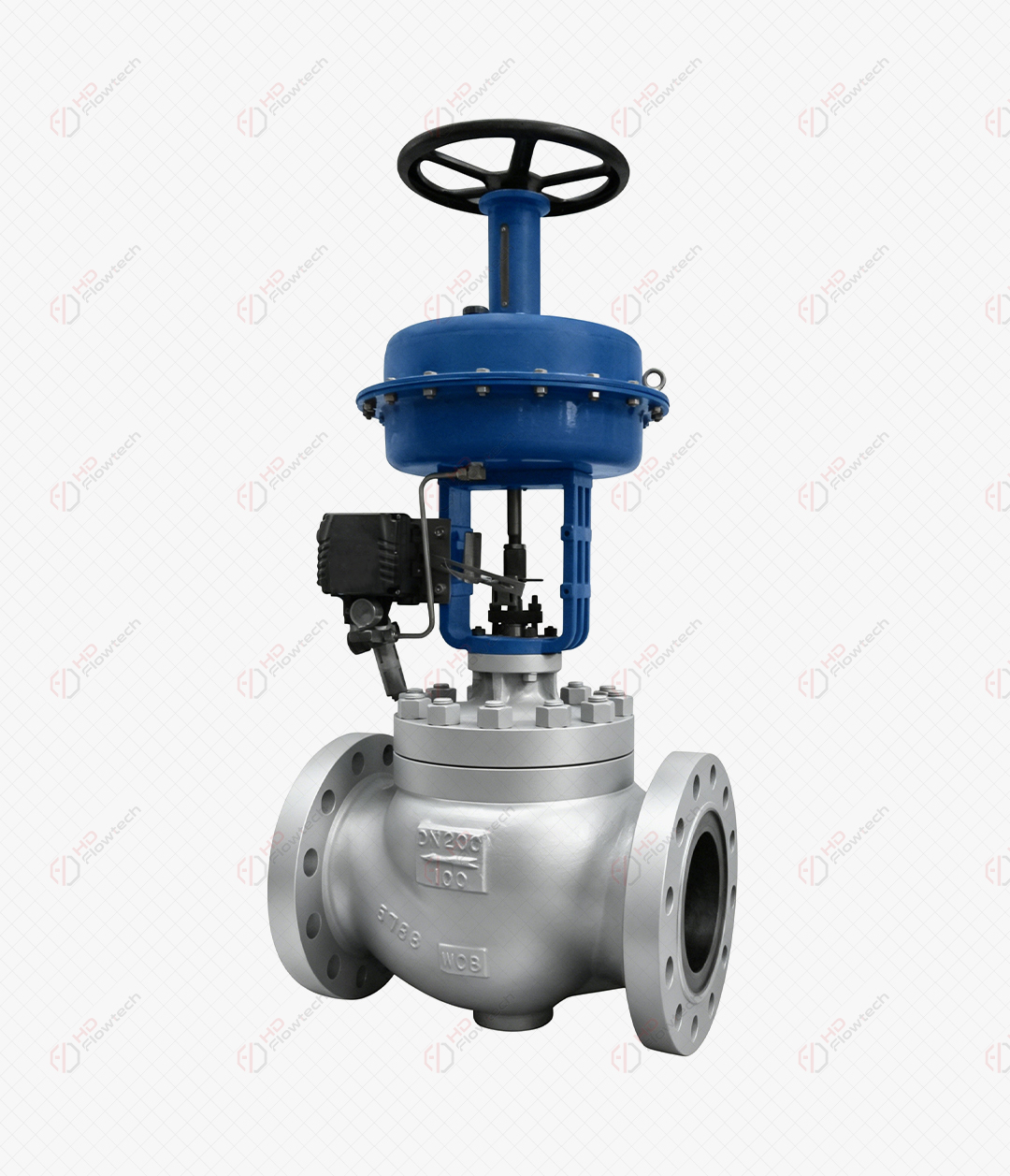
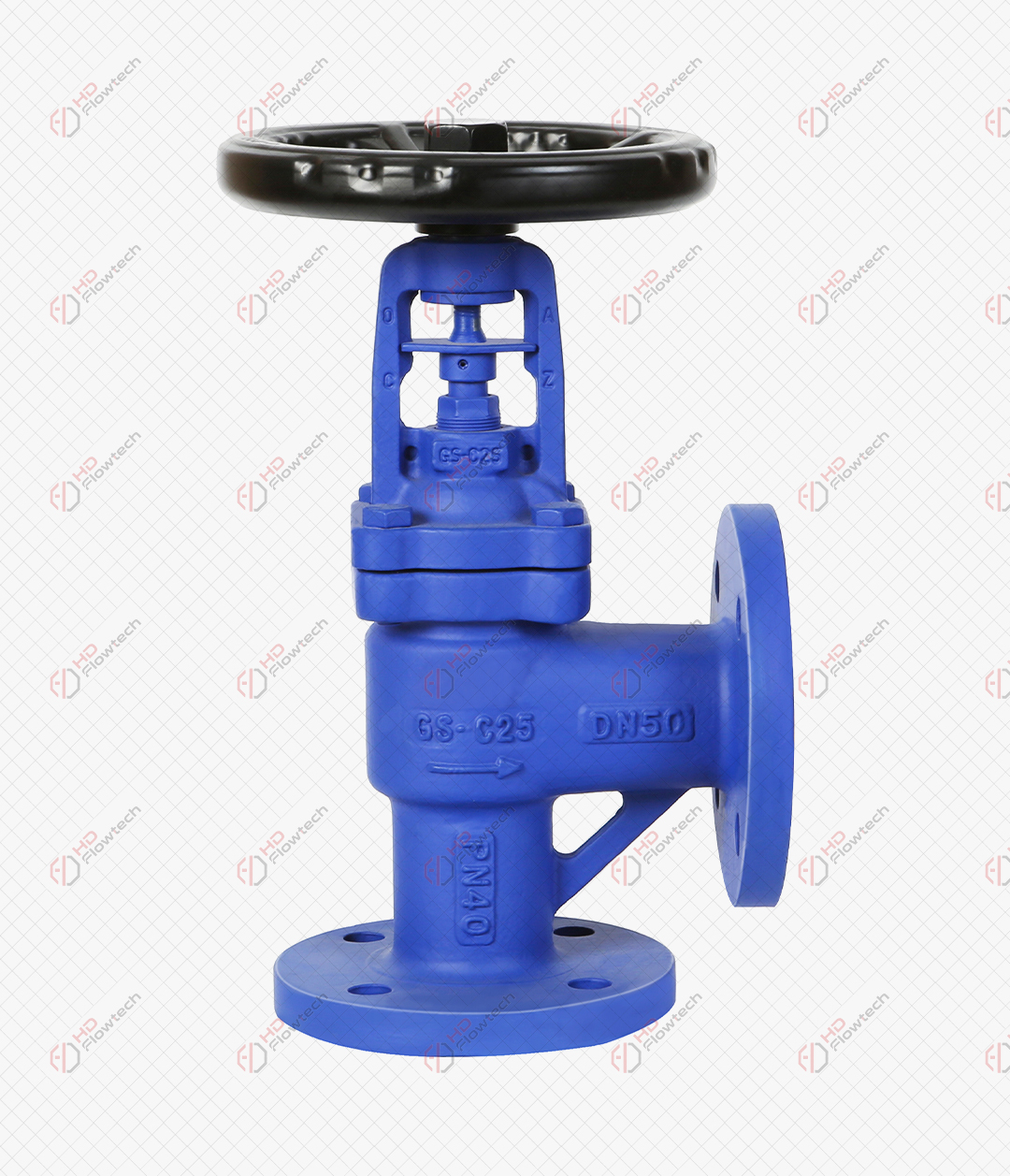
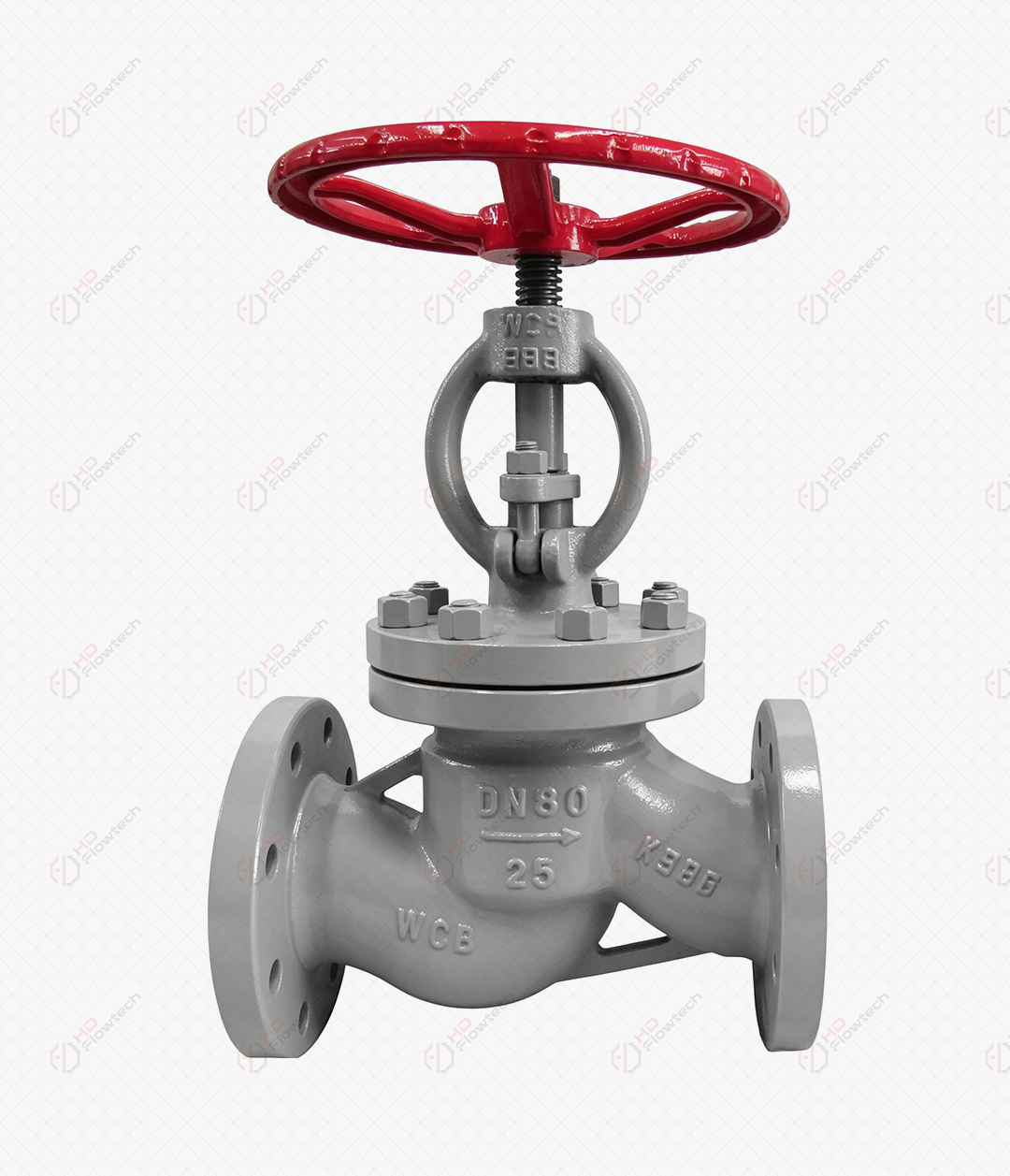
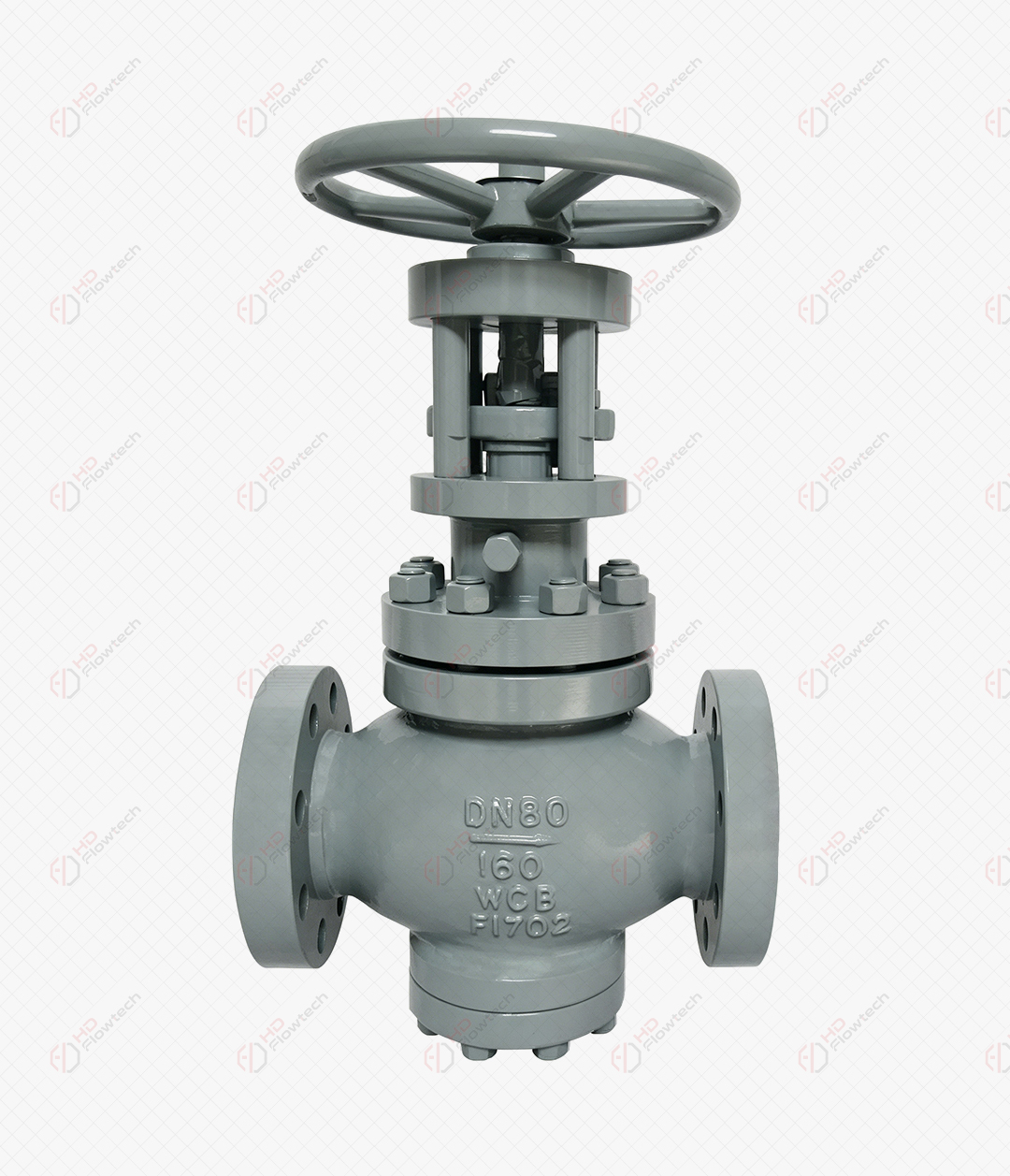
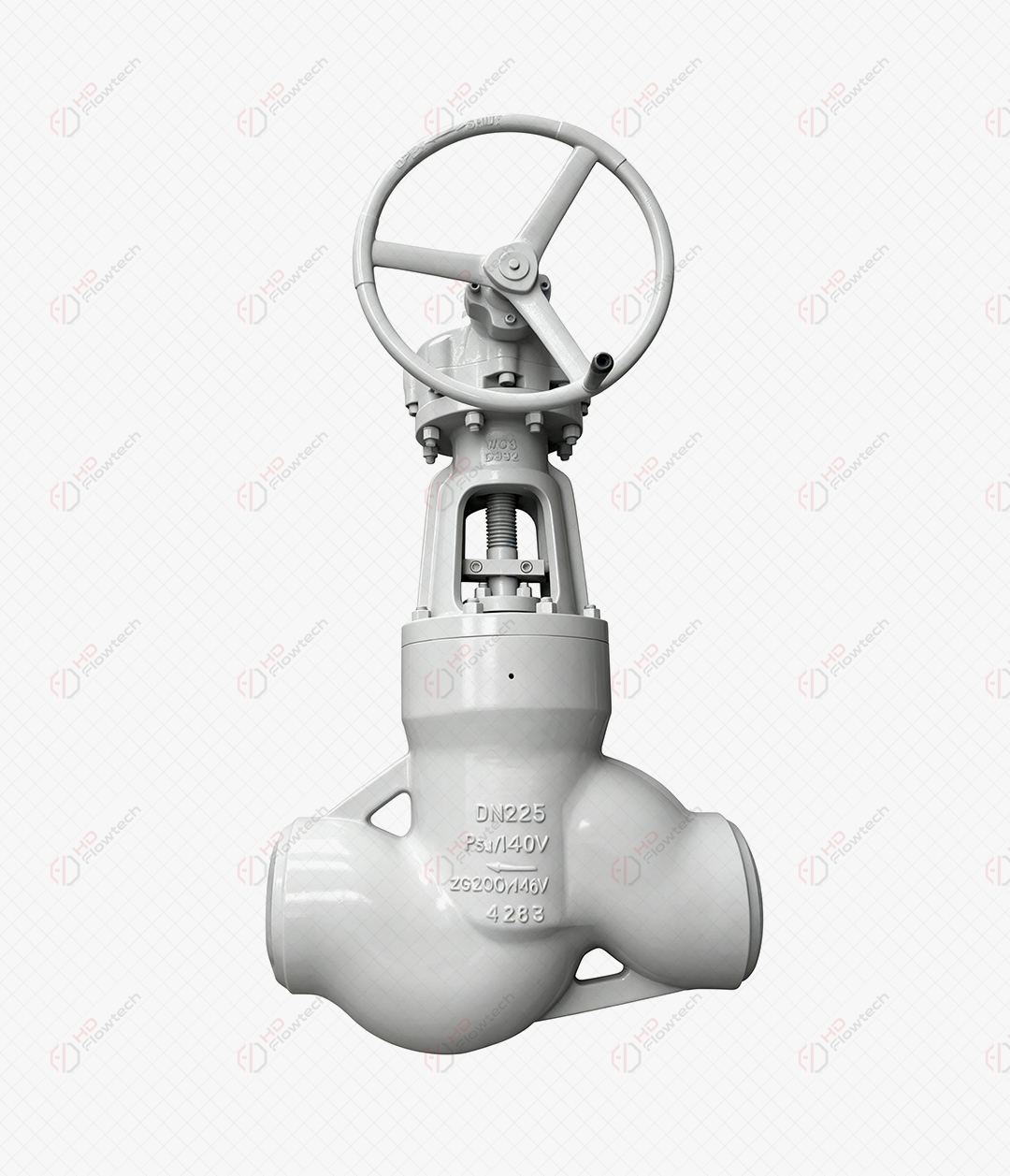
Pneumatic diaphragm control valves are selected for continuous flow modulation, pressure regulation, temperature control, and level control service in process plants where precise, repeatable stem positioning under varying differential pressure conditions is required. The diaphragm actuator converts pneumatic signal pressure directly to linear stem travel — providing smooth, proportional flow control with inherently stable positioning characteristics and fail-safe spring return capability on loss of instrument air supply.
Equal percentage flow characteristic is the standard selection for most process control applications, providing a consistent percentage change in Cv per unit of stem travel across the full operating range — giving uniform process gain and stable control loop performance across varying flow conditions. Linear characteristic is selected for liquid level control and applications where a direct proportional relationship between stem position and flow rate is required. Quick opening characteristic is used for on/off and pressure relief applications where maximum Cv is required at minimum stem travel.
Body material selection follows standard globe valve criteria — WCB for general process service up to 425°C, alloy steel (WC6, WC9) for high-temperature steam and process applications up to 600°C, and stainless steel (CF8, CF8M) for corrosive media. Trim material selection — SS316 for general corrosion-resistant service, Stellite overlay for erosive and high-velocity applications, and Hastelloy or Monel for aggressive chemical service — is determined by fluid type, velocity, and corrosion requirements. Design standards IEC 60534 and FCI 70-2 govern control valve sizing, flow characteristic, and seat leakage classification requirements for process control service