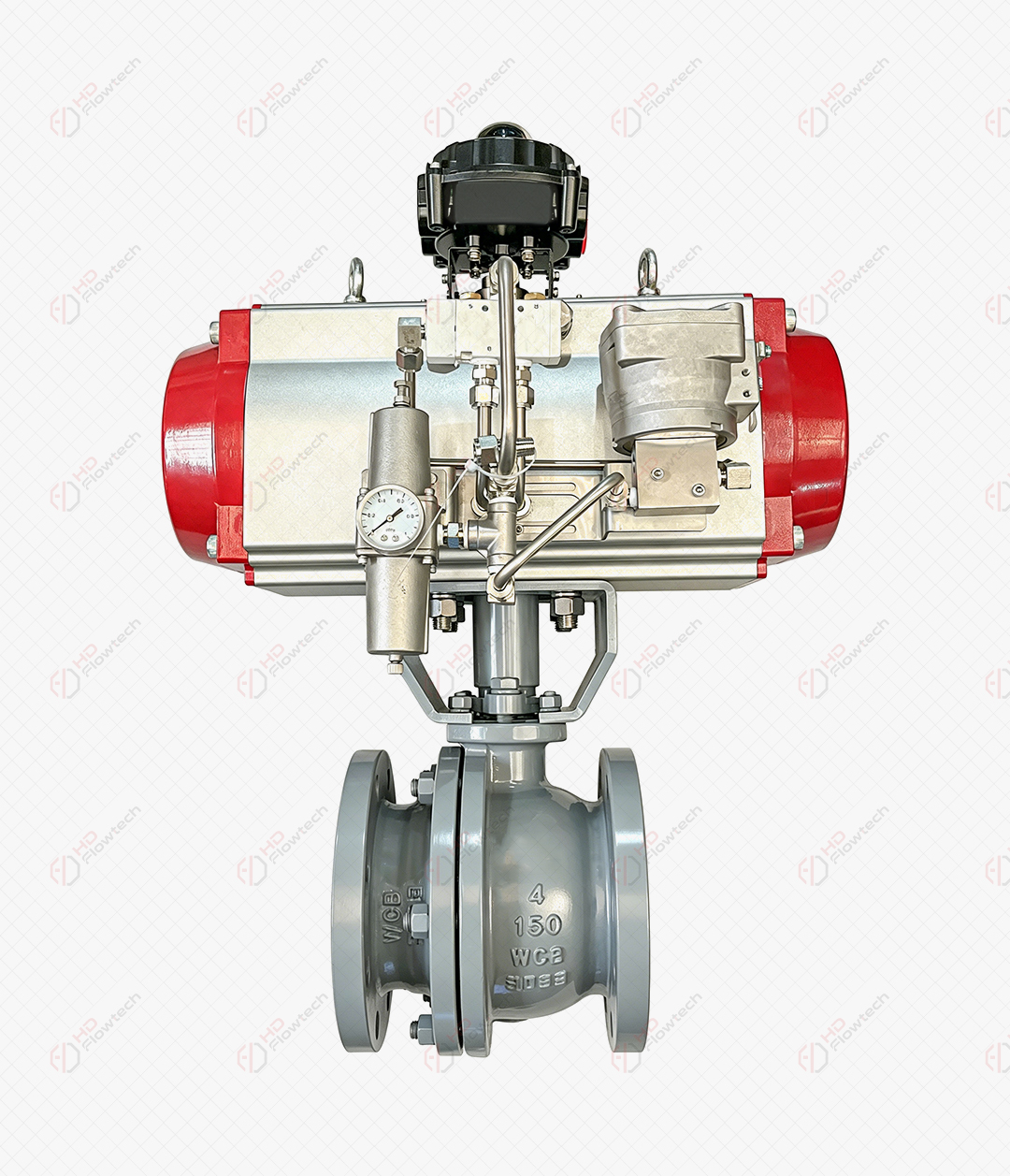
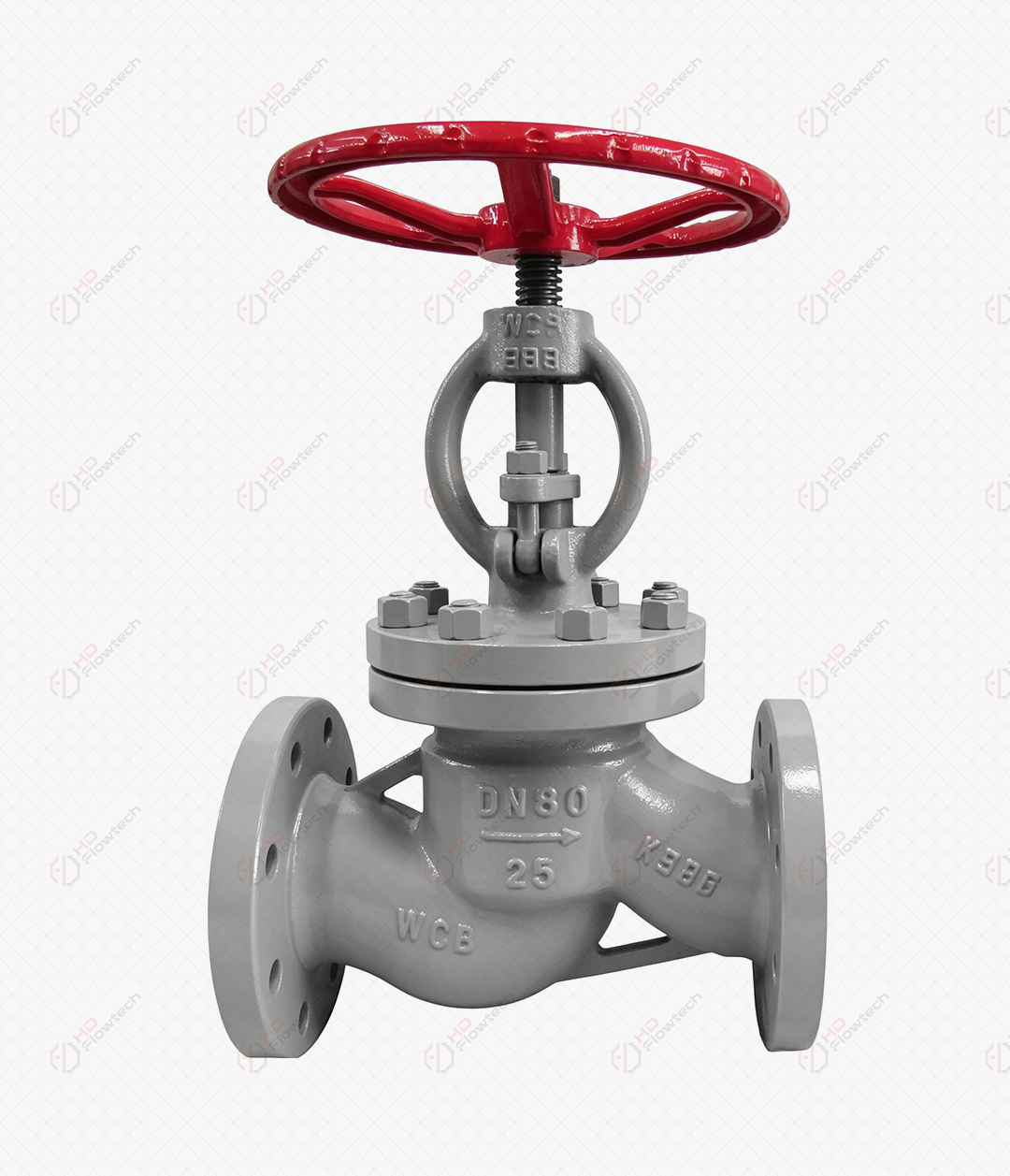
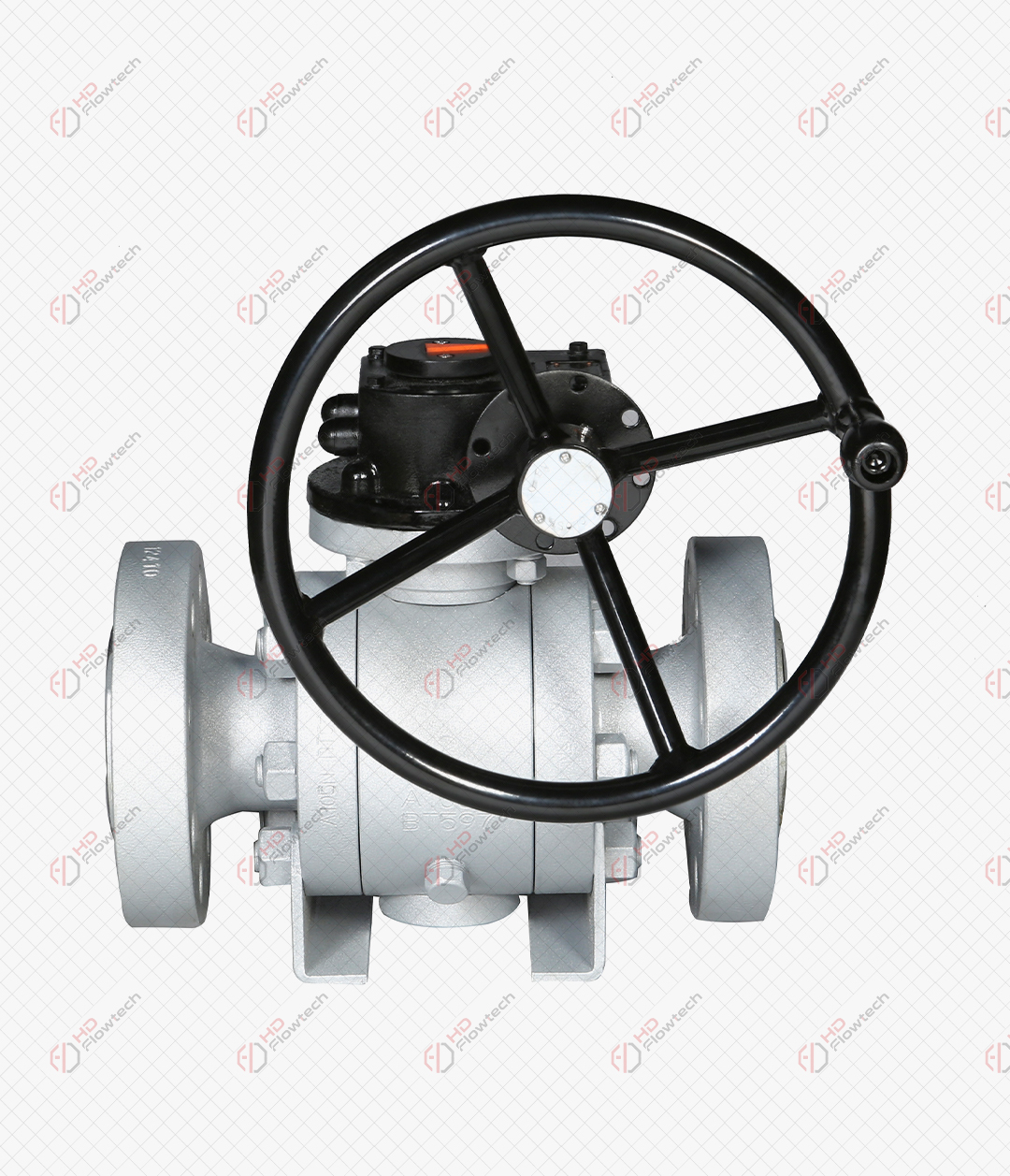
Floating ball valves are selected for fast, reliable on/off isolation service in general process, utility, and low-to-medium pressure pipeline applications where quarter-turn operation, low pressure drop, and compact installation are required. The floating ball design — where the ball is pressure-seated against the downstream seat under operating pressure — provides bubble-tight shut-off in a simple, lightweight construction suitable for Class 150–300 service across oil & gas, petrochemical, chemical processing, water treatment, and general industrial applications.
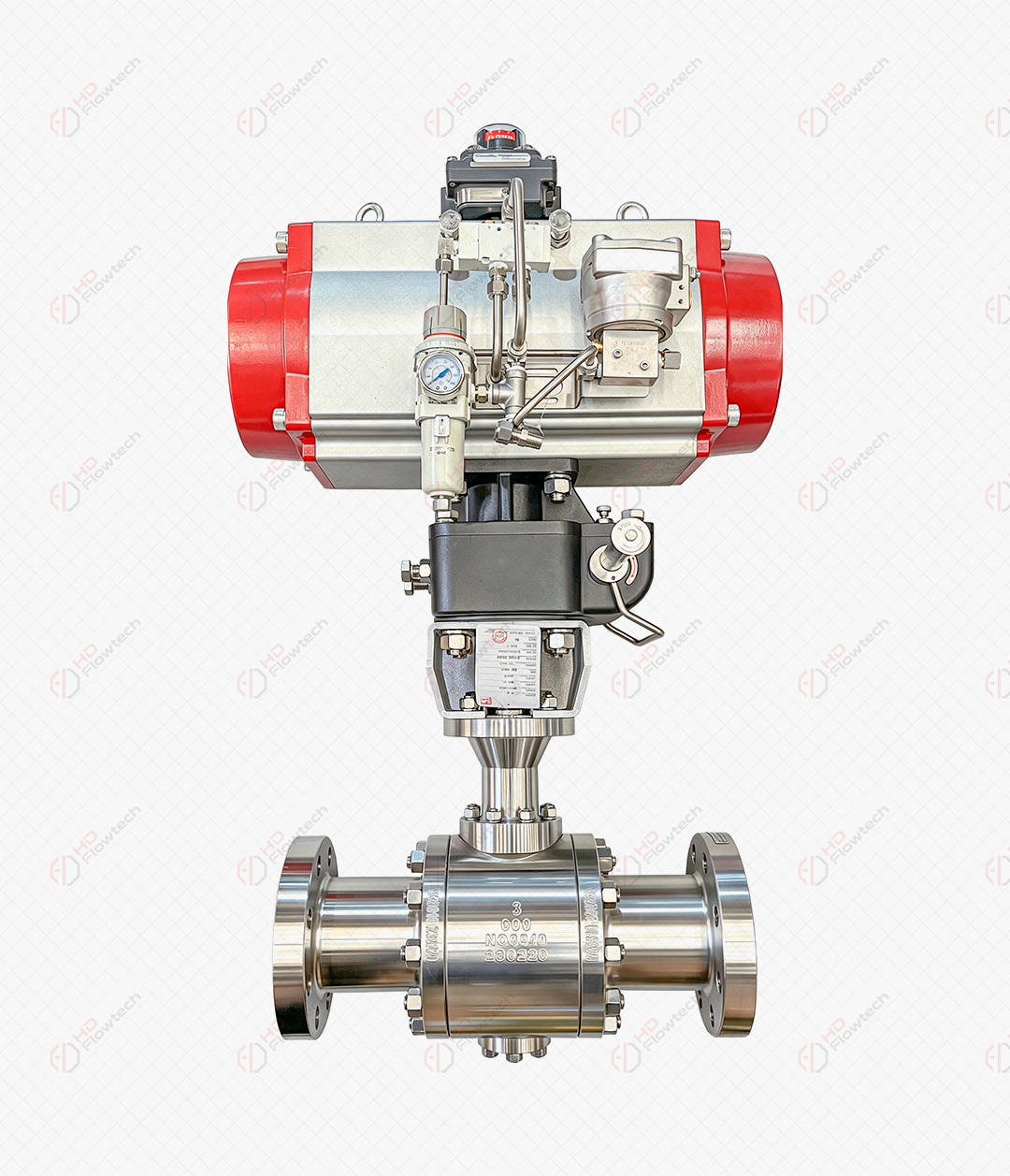
Pneumatic actuators are specified for floating ball valves requiring automated operation, high cycle frequency, or fail-safe positioning — spring-return actuators default to a defined open or closed position on loss of instrument air, making them the standard choice for ESD and process protection applications. Double-acting pneumatic actuators are selected where higher output torque is required and fail-safe positioning is not a design requirement. Limit switches and positioners provide position feedback and control system integration for automated process control duty.
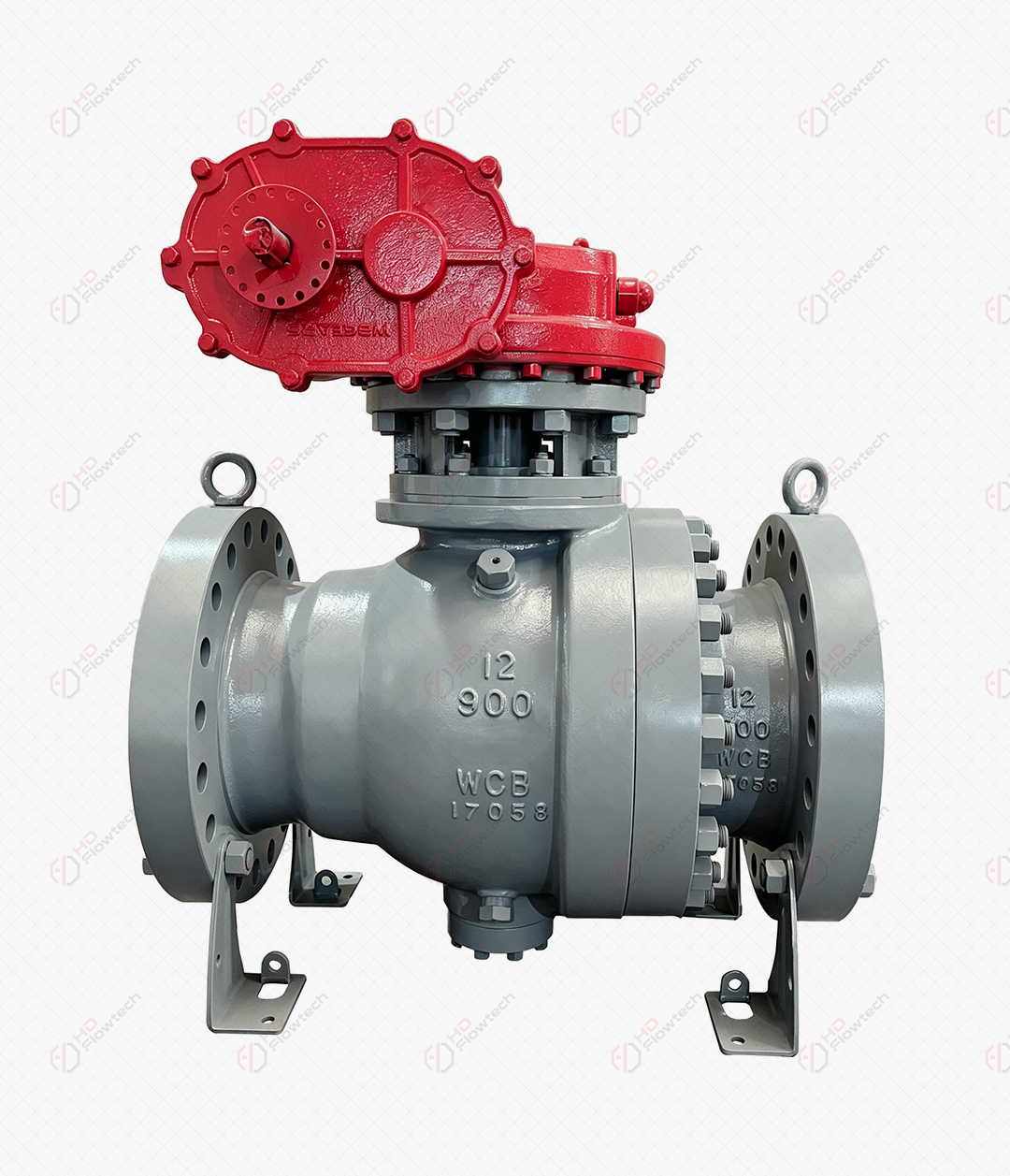
Floating ball valves are selected over trunnion-mounted designs for smaller bore and lower pressure service at Class 150–300, where the simpler construction and lower cost of the floating ball design are advantageous. For larger bore and higher pressure service at Class 600 and above, trunnion-mounted designs are required to reduce seat load and operating torque under high differential pressure. Body material selection — carbon steel (WCB) for general process service, stainless steel (CF8M) for corrosive media, and low-temperature carbon steel (LCB) for cold service — is determined by fluid type, operating temperature, and corrosion requirements.