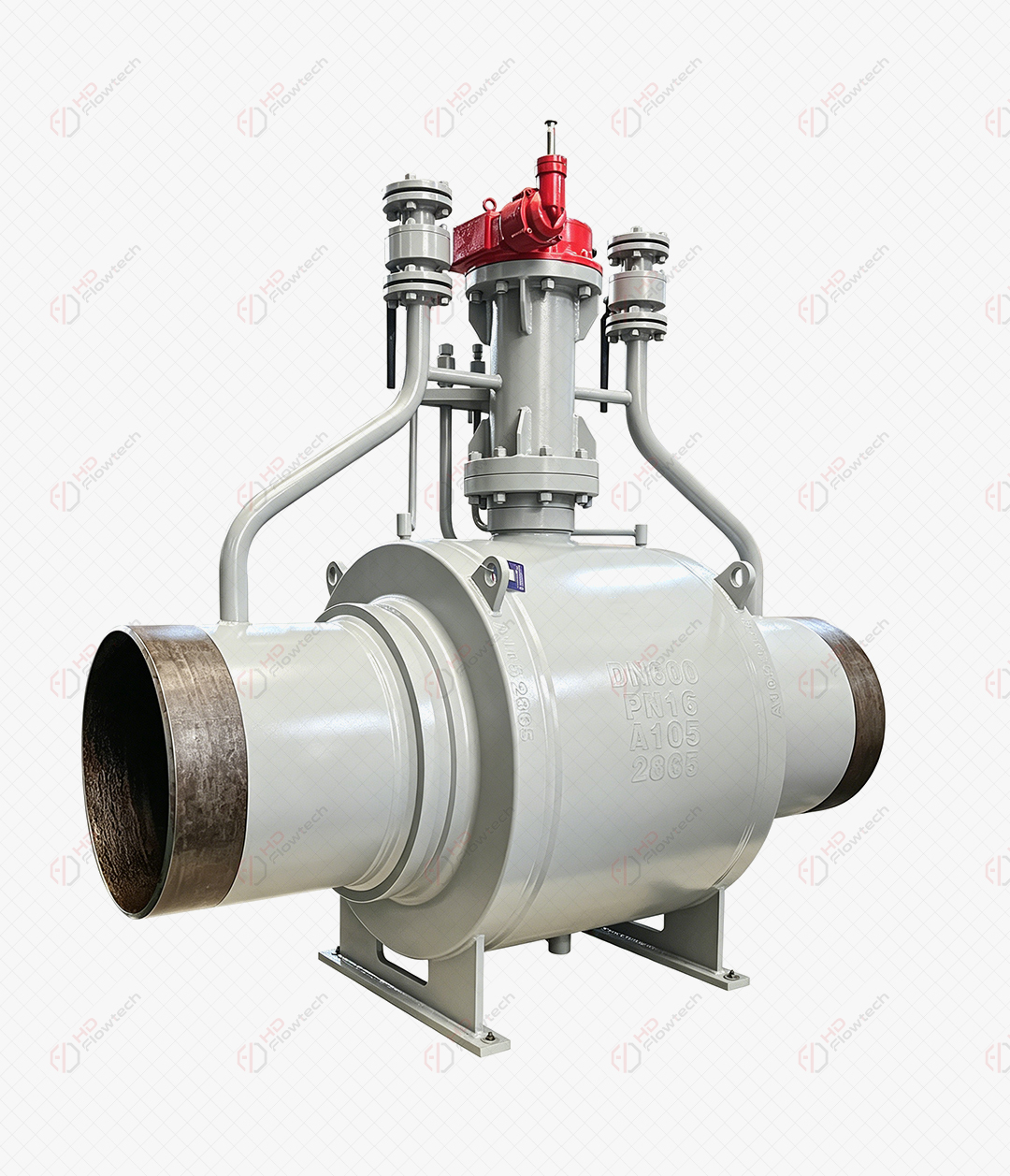
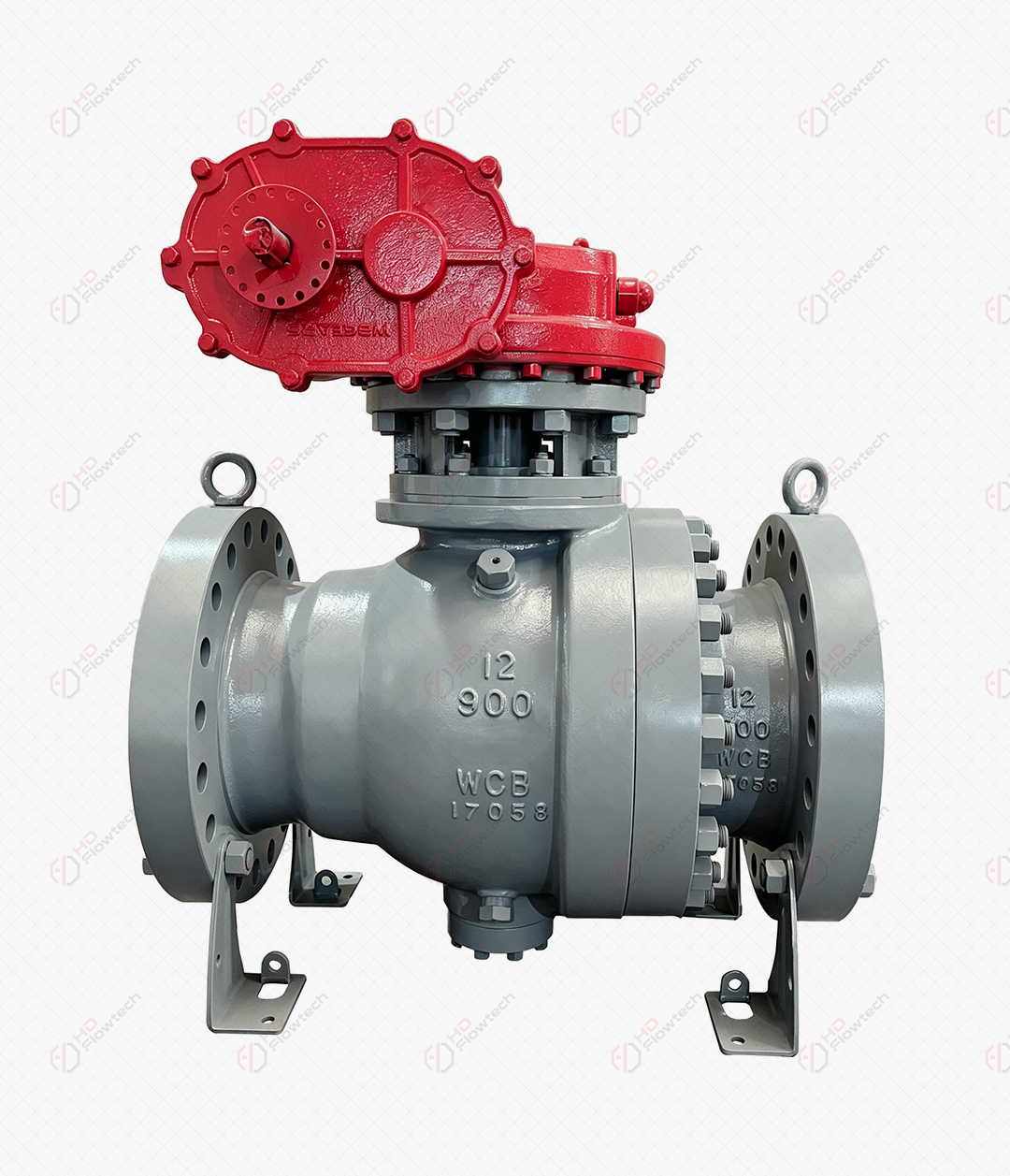
Fully welded ball valves are selected for full-bore isolation service in buried pipelines, long-distance gas transmission mains, district heating systems, and subsea applications where the one-piece welded body construction eliminates all external leakage paths and significantly extends maintenance intervals compared to bolted body designs. The absence of bolted body joints removes the primary external leakage risk in buried and inaccessible installations, making fully welded ball valves the standard specification for gas distribution networks, cross-country pipelines, and district heating systems under API 6D and ISO 14313.
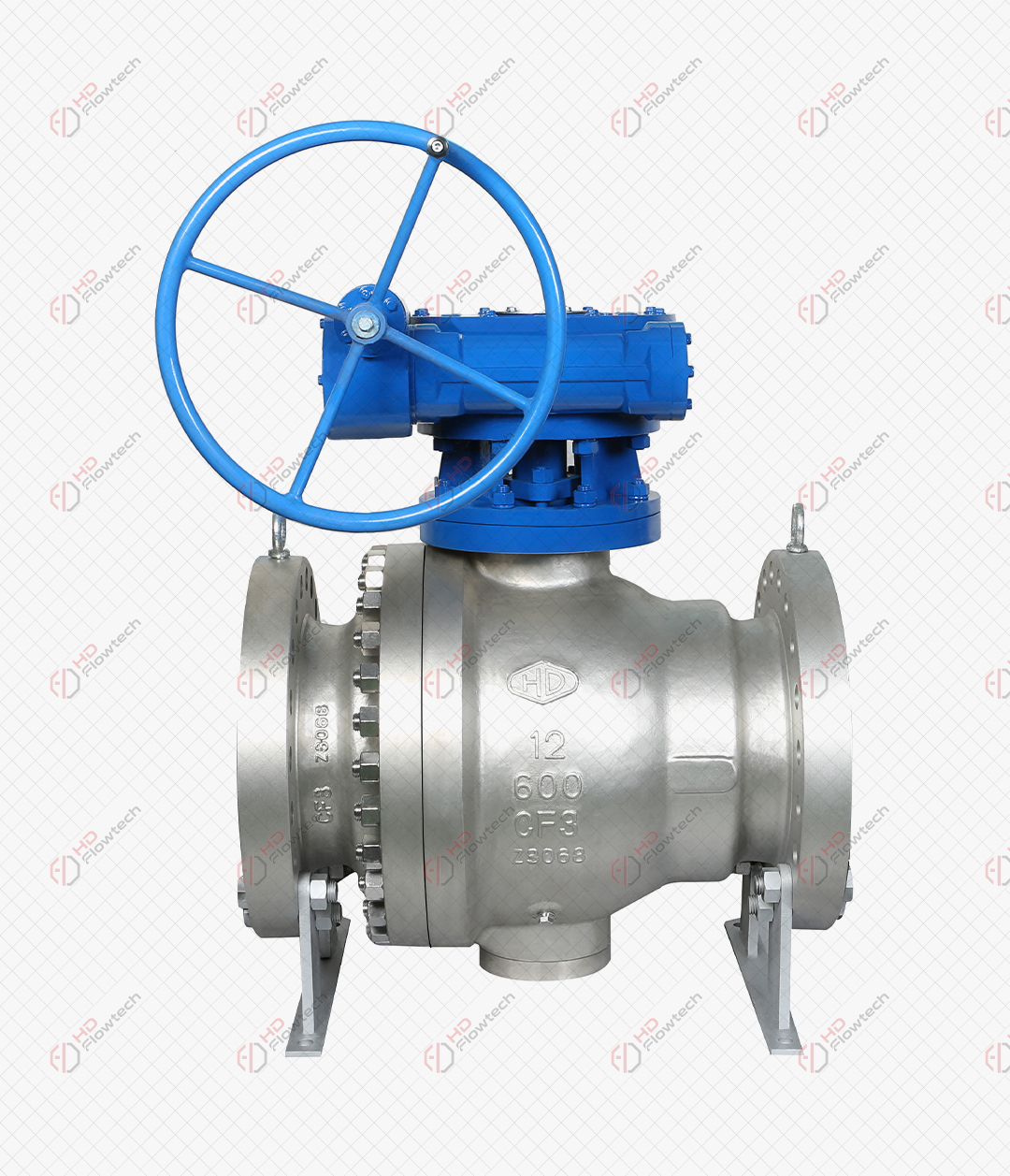
Trunnion mounted construction is standard for fully welded ball valves at larger bore sizes, where the trunnion support reduces seat load and operating torque under pipeline pressure — ensuring reliable actuation and long seat life throughout the valve’s design service life of 30 years or more without body disassembly. Full-bore design ensures unrestricted flow and complete pigging tool passage for inline inspection and cleaning operations, mandatory for transmission pipeline service where valve removal for maintenance is not practical.
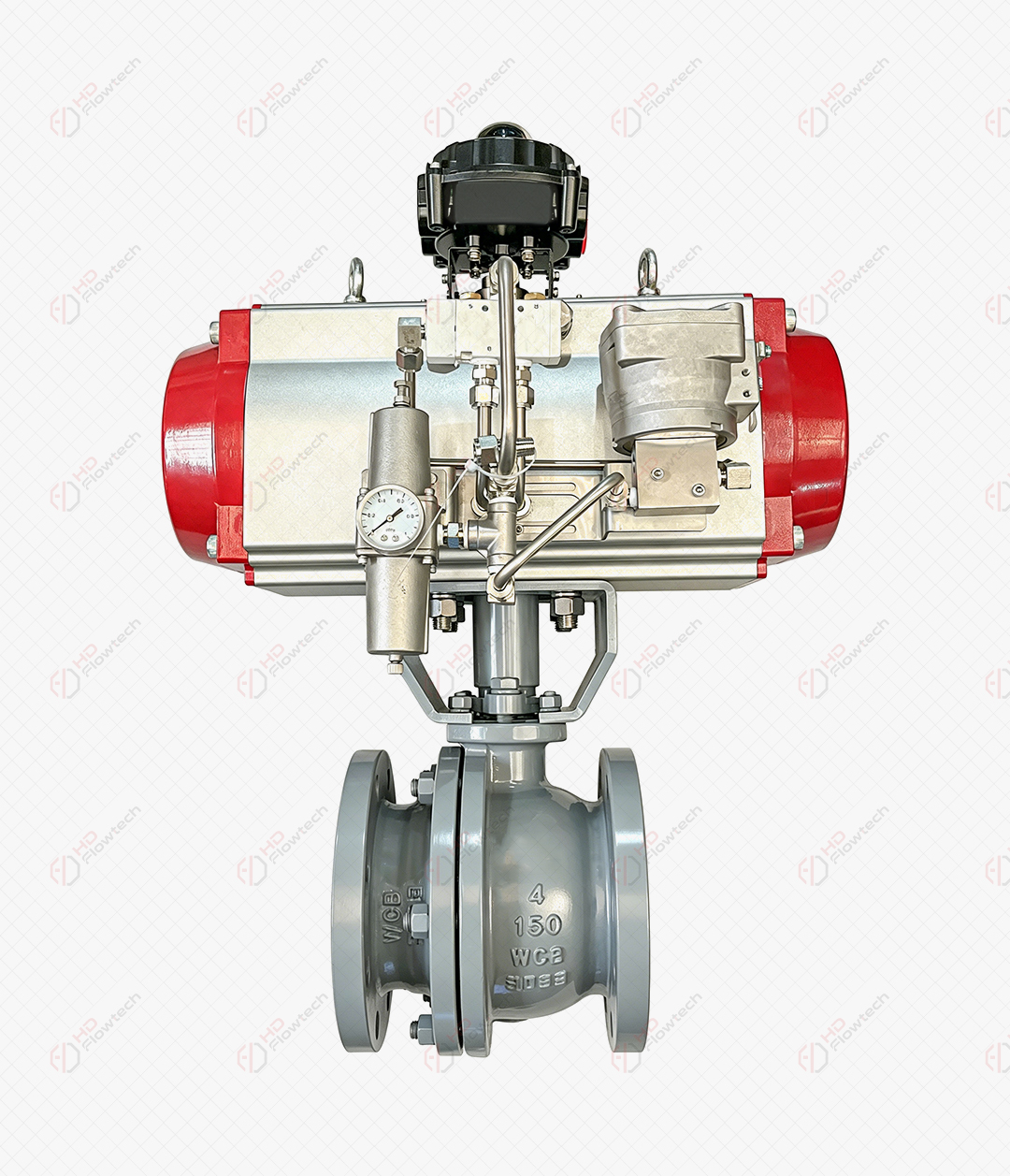
Pneumatic and hydraulic actuators are the standard choice for large-bore fully welded ball valves in pipeline service, providing the high output torque required for reliable operation at large diameters and the fail-safe positioning capability essential for pipeline ESD and sectioning valve duty. Body material selection — carbon steel (A105) for standard gas transmission service, low-temperature grades (LCB) for cold climate and Arctic pipeline installations, and stainless steel or duplex for corrosive service — is determined by fluid type, operating temperature, and pipeline burial environment. Design standard API 6D and ISO 14313 govern fully welded ball valves for pipeline service, covering full-bore design, bidirectional sealing, pigging compatibility, and long-term integrity requirements.