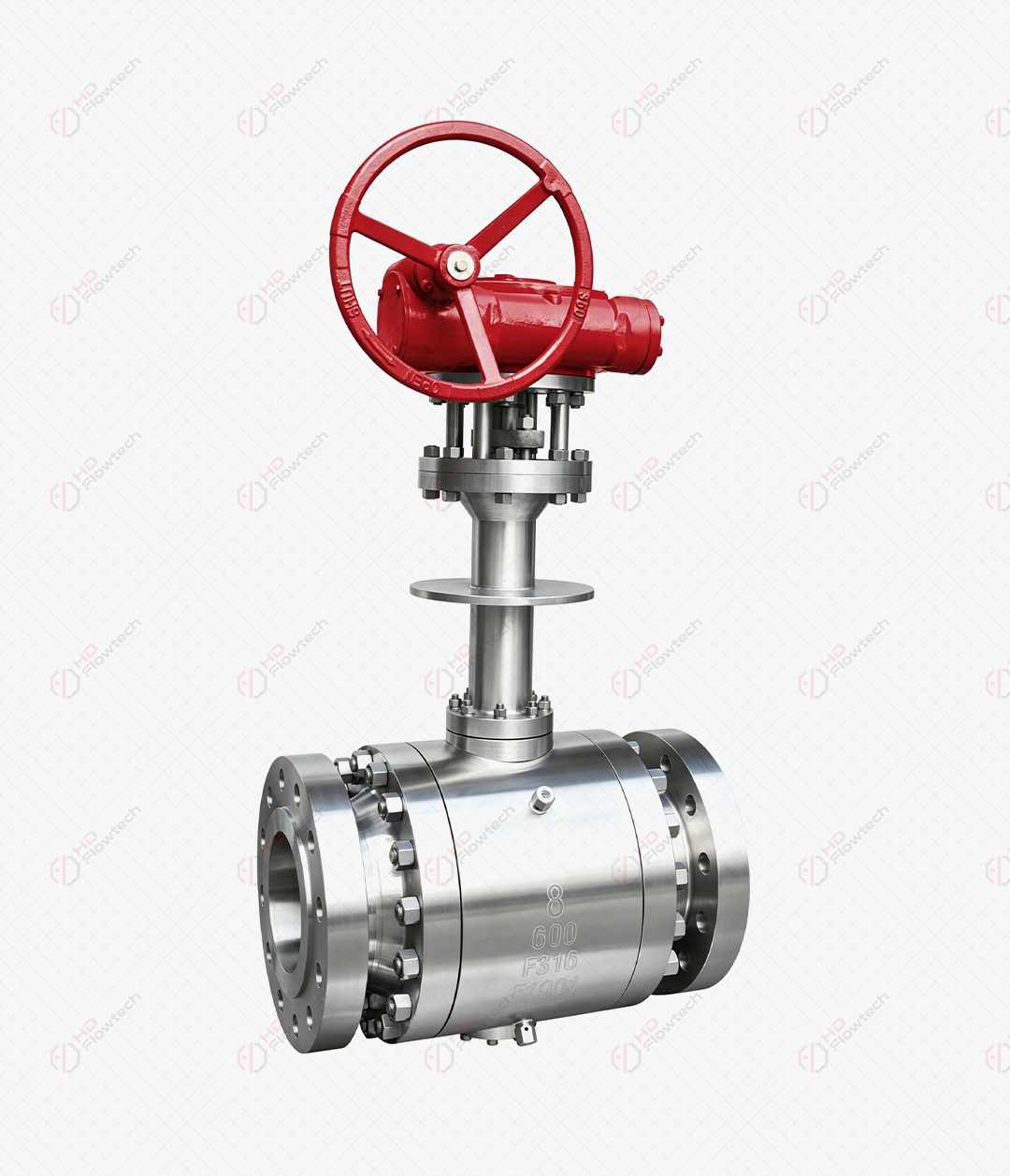
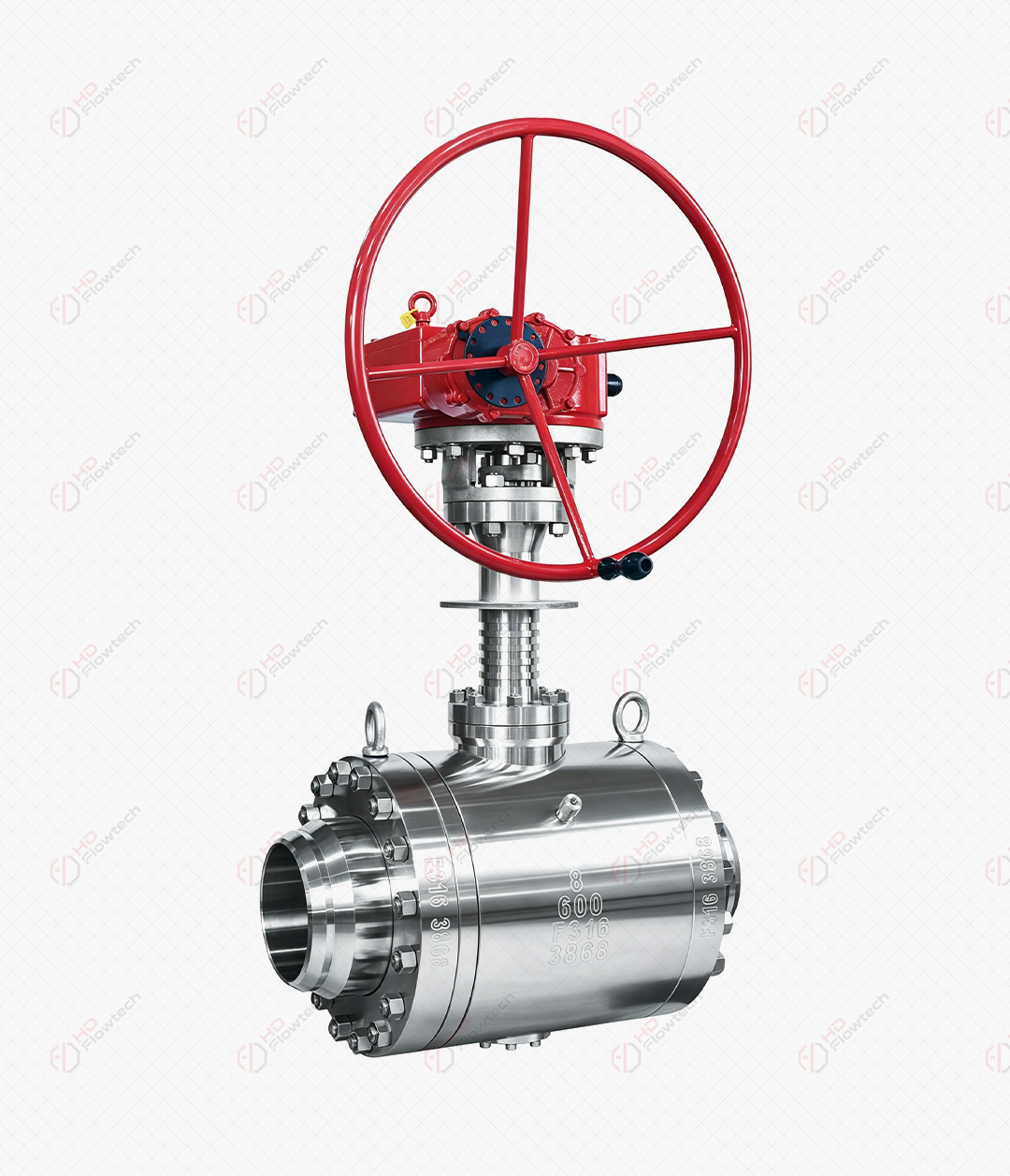
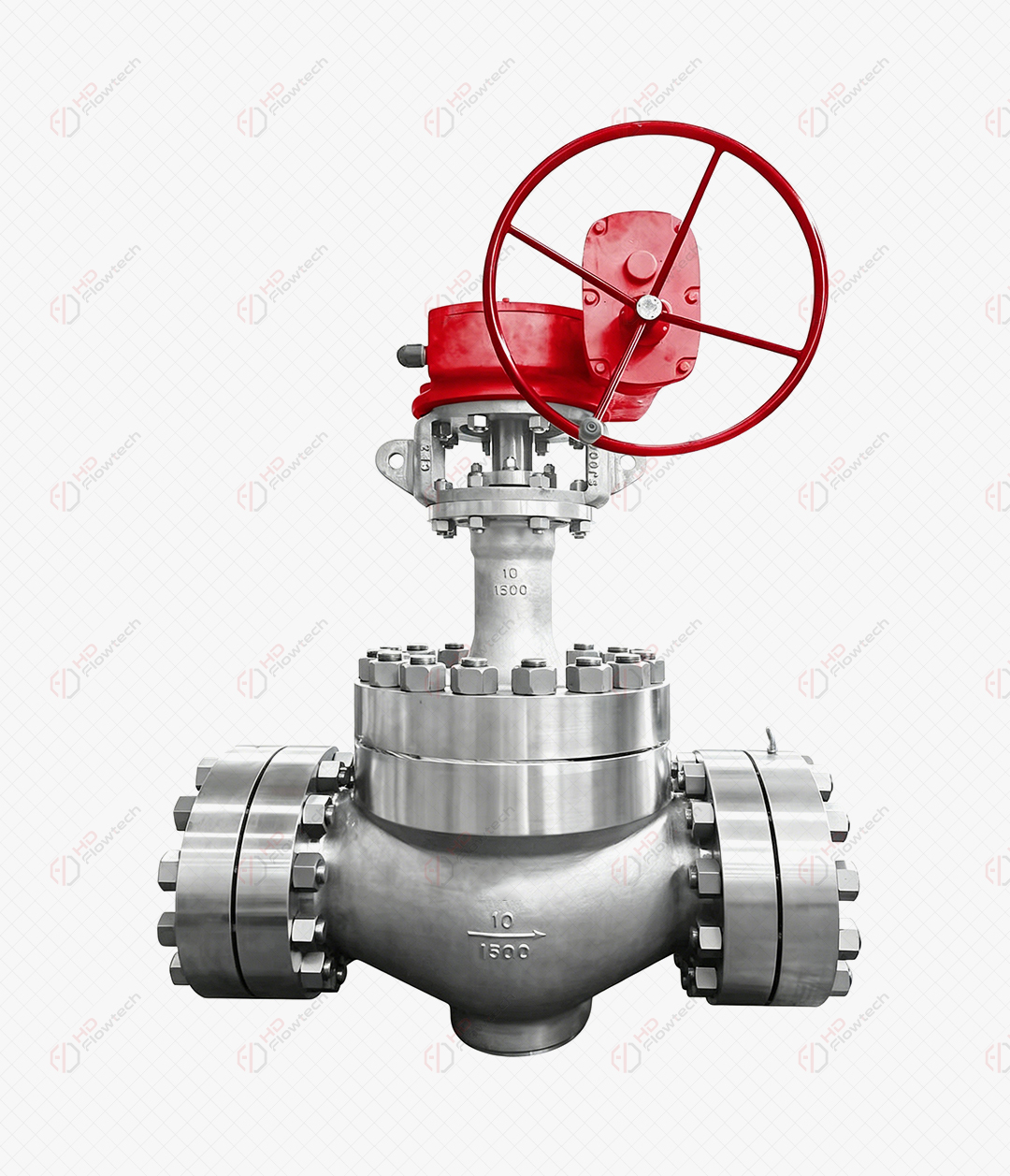
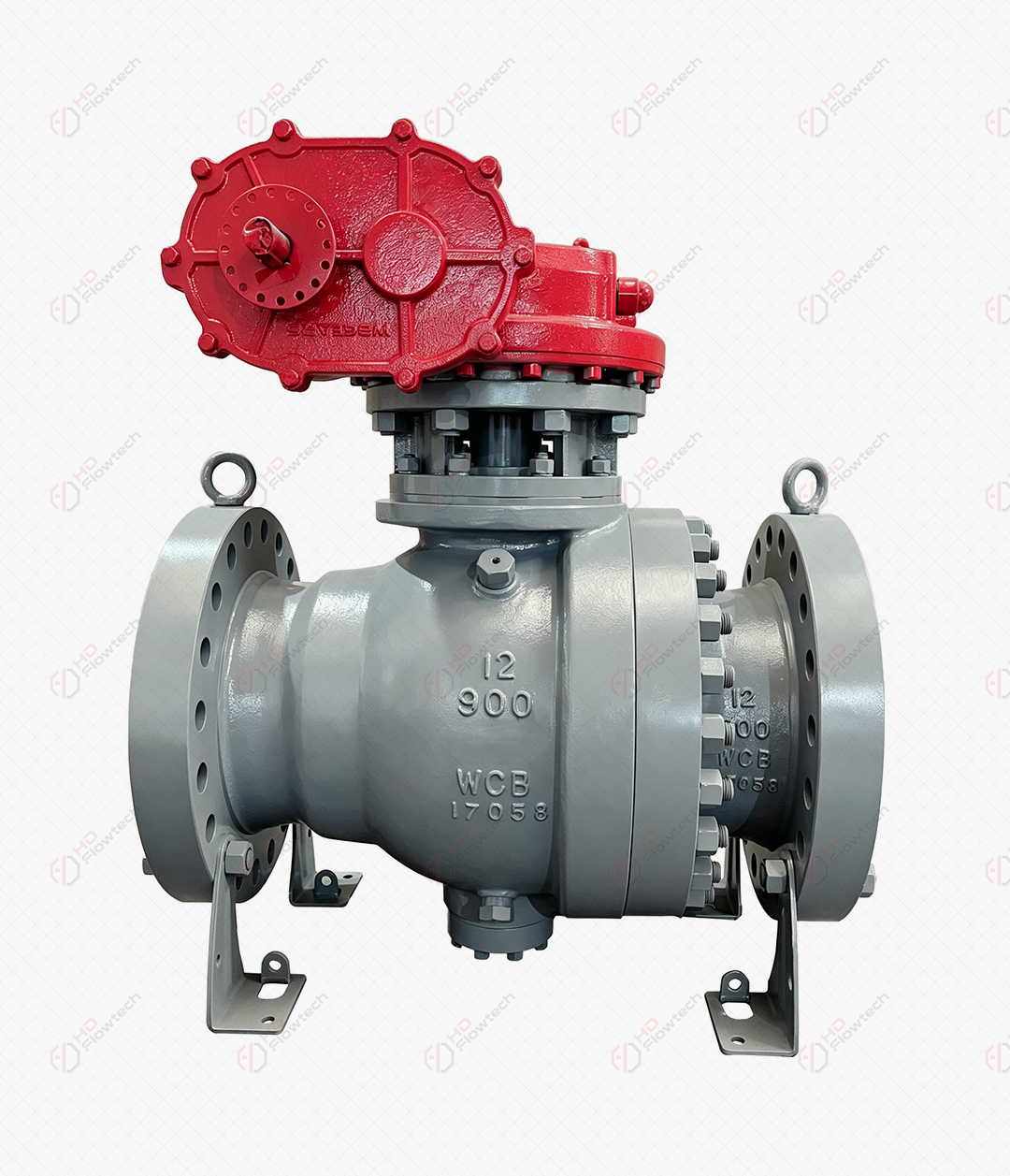
Cryogenic trunnion mounted ball valves are selected for full-bore isolation service in LNG terminals, liquid nitrogen plants, liquid oxygen facilities, and high-pressure cryogenic process piping where reliable zero-leakage performance, consistent low-temperature actuation, and long service life under repeated thermal cycling are required. The extended stem is the defining design feature — raising the stem packing and operator above the cold zone to prevent atmospheric moisture from freezing around the stem seal and operator components, ensuring reliable quarter-turn operation throughout the valve’s service life at temperatures down to −196°C.
Trunnion mounted construction is required for Class 600 and above cryogenic ball valves, where the high seat loads generated by elevated pressure against the large ball area must be transferred to trunnion bearings to maintain manageable operating torque and prevent excessive seat deformation at low temperatures. Spring-loaded seats are critical for cryogenic service — maintaining consistent seating force as PTFE and PEEK seat materials change dimension during thermal cycling between ambient installation temperature and cryogenic operating temperature.
Flanged end connections are specified for cryogenic installations where periodic valve removal for maintenance or replacement may be required, providing easier disconnection than butt weld alternatives while maintaining reliable sealing integrity at Class 600 through proper RTJ or raised face flange joint assembly. Body material selection — F316 and F316L for standard LNG and cryogenic process service, F304L for lower corrosivity cryogenic applications, LF3 for intermediate low-temperature service, and 9% nickel steel for the most extreme cryogenic conditions — is determined by the minimum design temperature, fluid type, and pressure class. Design standards BS 6364 and API 6D govern cryogenic ball valve design, extended stem requirements, and low-temperature material and testing criteria.