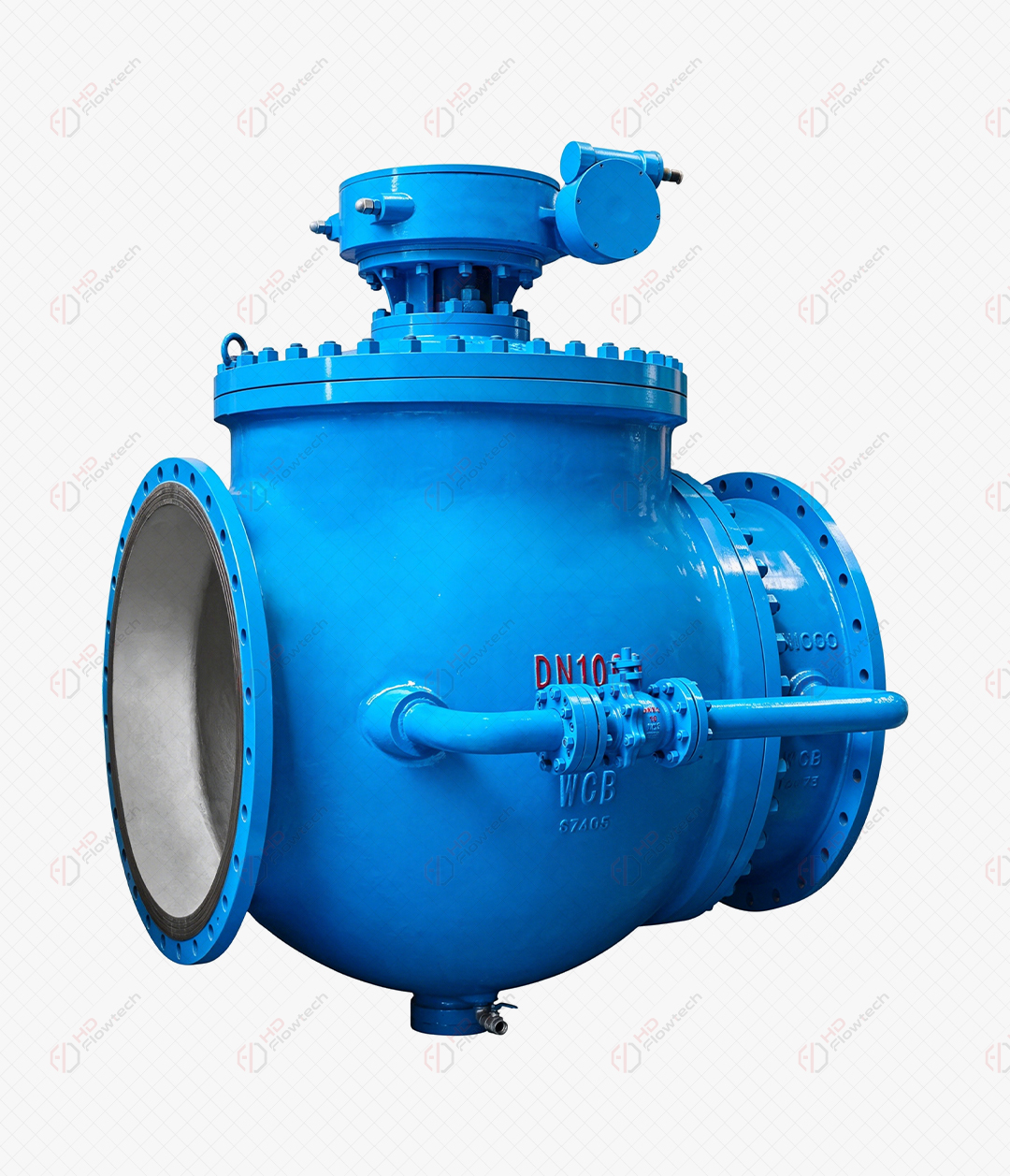
Ball Valve

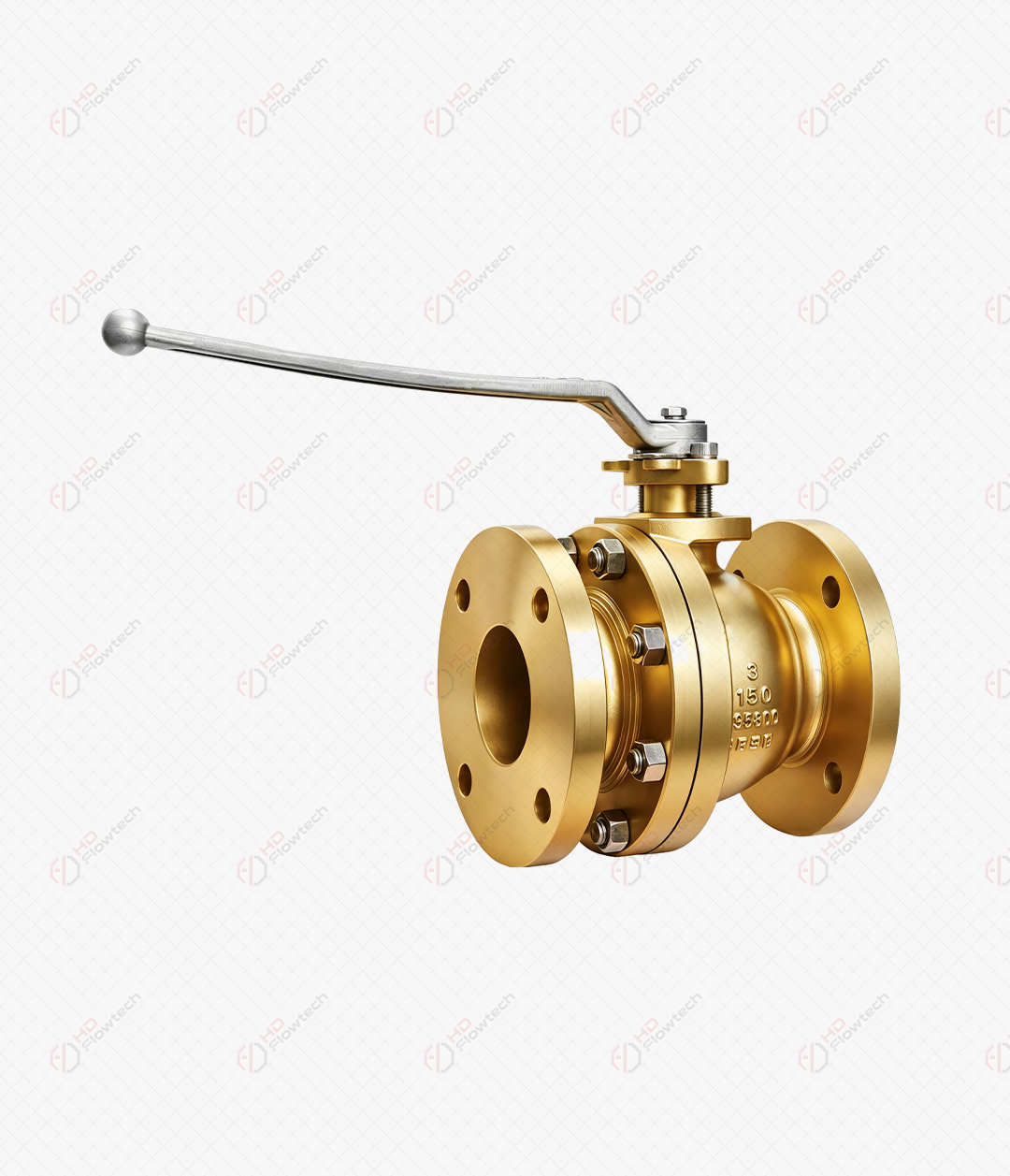
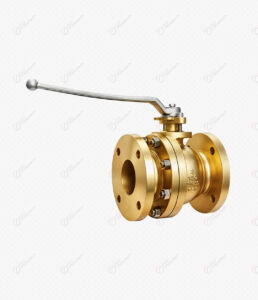
Aluminum Bronze Floating Ball Valve — Flanged Marine & Seawater Service

Valve Type
Aluminum Bronze Floating Ball Valve — Flanged Marine & Seawater Service
Size Range
DN15 – DN200 (1/2" – 8")
Pressure Class
PN16 – PN40 (Class 150 – 300)
Body Material
C95300 / C95800 Aluminum Bronze / C83600 Bronze
Seat Material
PTFE / RPTFE / PEEK / Metal Seat (SS316)
End Connections
Flanged (ASME B16.5 / EN 1092-1) / Screwed
Operation
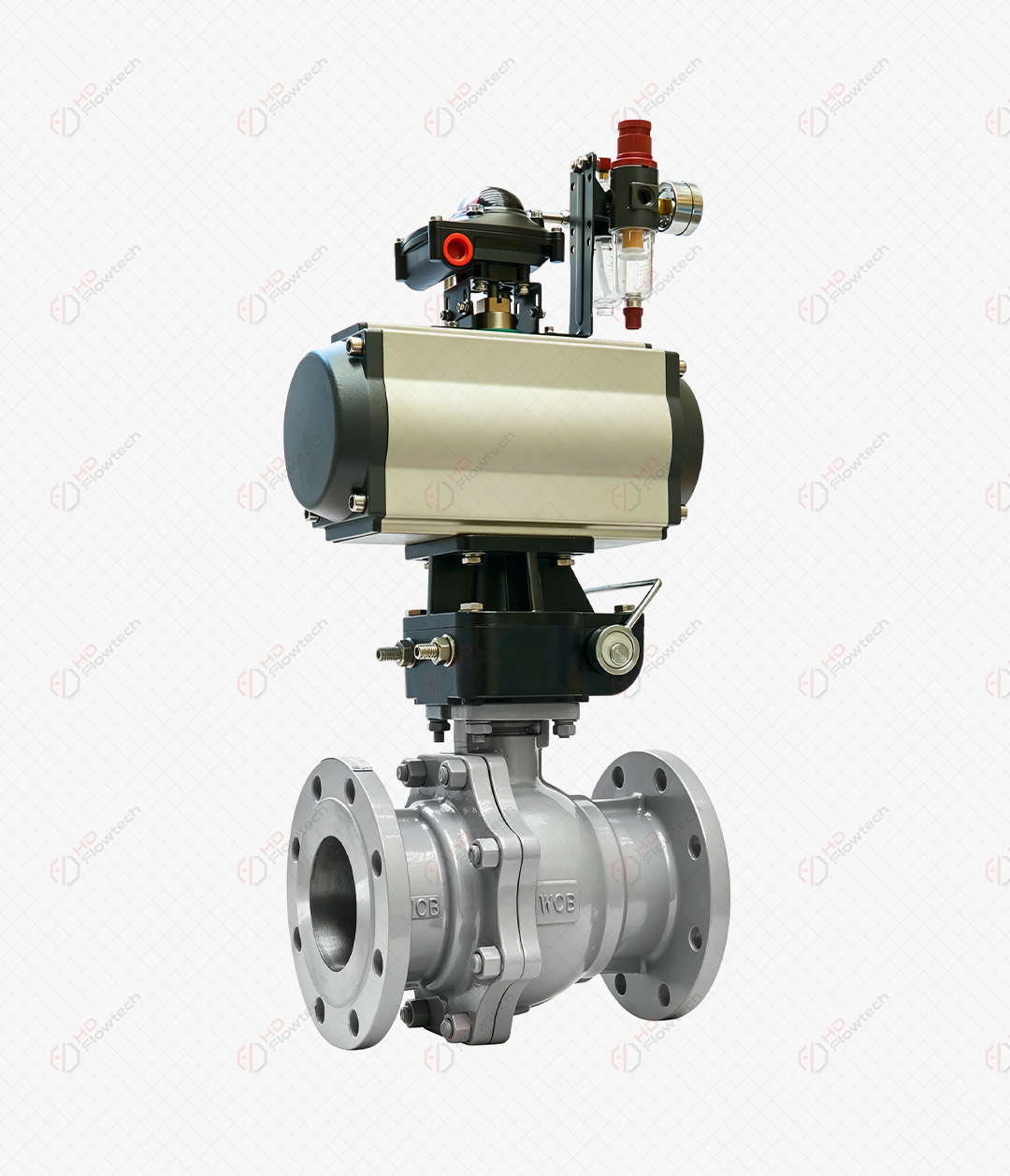
Lever / Gear Operator / Pneumatic Actuator / Electric Actuator
Working Temperature
−10°C to 200°C (PTFE)
Design Standard
API 6D / ASME B16.34 / MIL-V-24364
HD Flowtech aluminum bronze floating ball valves are designed for fast, reliable on/off isolation service in marine, offshore, and seawater pipeline systems. The C95300 aluminum bronze cast body provides excellent resistance to seawater corrosion, cavitation erosion, and biofouling — making it the preferred material for seawater cooling systems, ballast water lines, fire suppression systems, and offshore platform utility piping where carbon steel and stainless steel body materials are not suitable for long-term seawater service. The inherent non-sparking properties of aluminum bronze make these valves suitable for installation in hazardous areas on marine vessels and offshore platforms where ferrous metal spark ignition is a safety concern. The floating ball design uses downstream pressure to seat the ball against the downstream PTFE seat, providing bubble-tight shut-off in a compact, lightweight construction suitable for marine and offshore installations where weight and space are critical constraints. The stainless steel lever handle provides fast quarter-turn manual actuation with clear open/closed position indication — aligned with the pipeline in the open position and perpendicular in the closed position. The two-piece split body construction allows internal access for ball and seat inspection without removing the valve from the pipeline. Flanged end connections to ASME B16.5 Class 150 ensure direct integration into standard marine and offshore pipeline flange systems.

Ball Valve Technical Overview

How to Choose the Right Ball Valve for Industrial Applications

Ball valves are selected for fast, reliable on/off isolation service where quarter-turn operation, minimal pressure drop, and compact installation are required. The spherical ball with full-bore or reduced-bore design provides tight shut-off and low flow resistance, making ball valves the standard specification for pipeline isolation, process plant automation, and emergency shut-down service across oil & gas, petrochemical, marine, and general industrial applications.


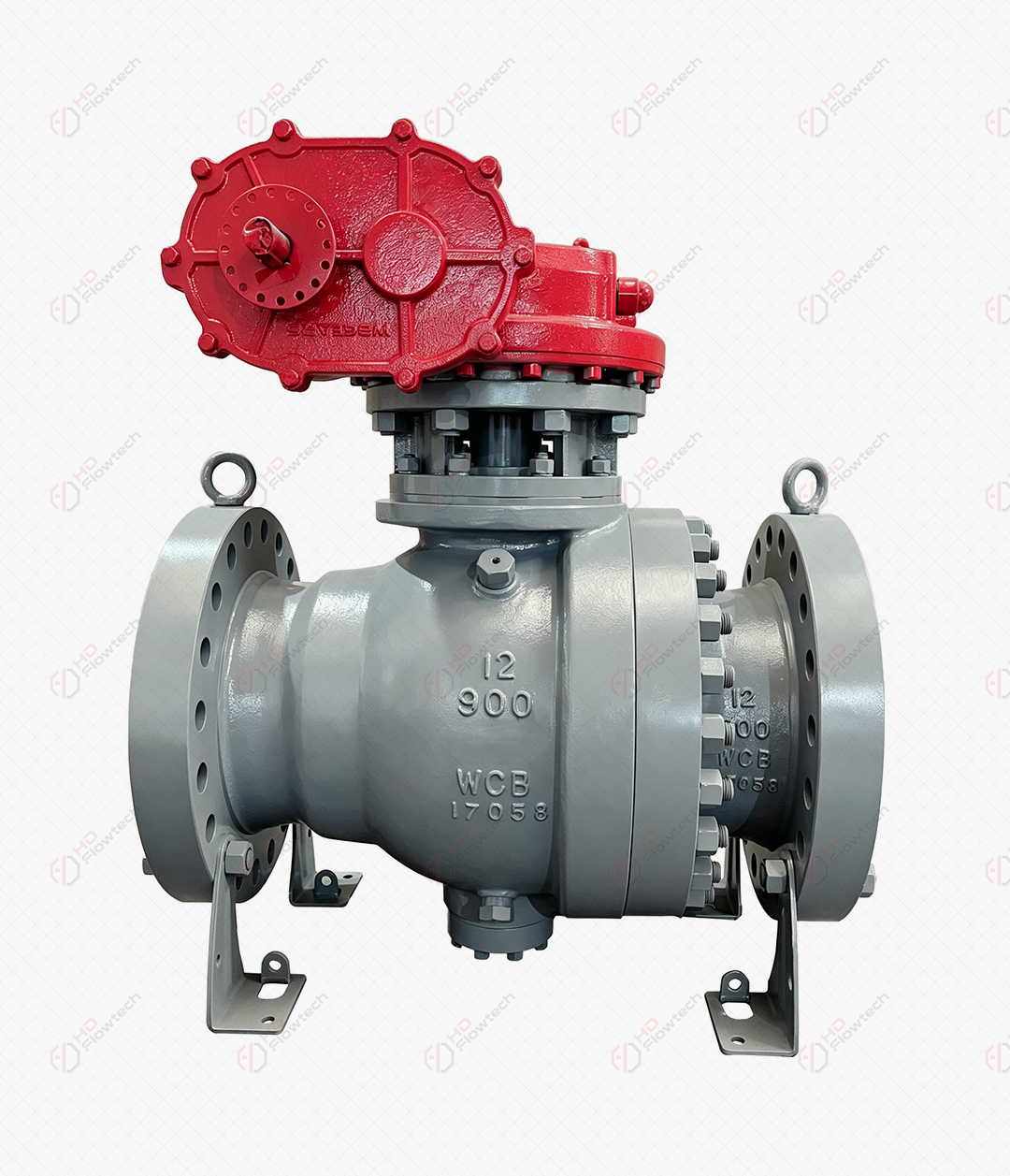
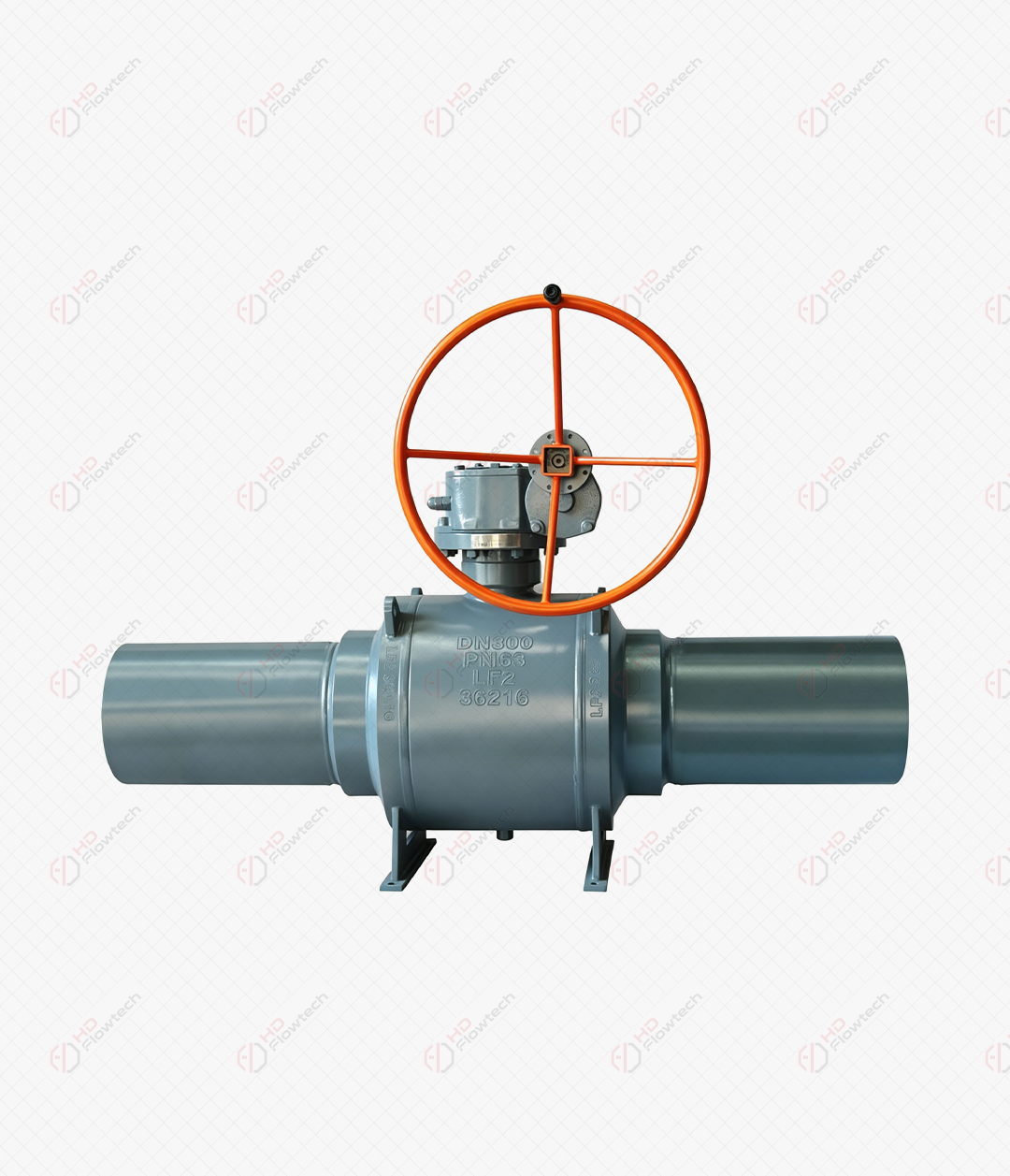
Floating ball valves are selected for smaller bore and lower pressure service at Class 150–600, where the ball is pressure-seated against the downstream seat — providing bubble-tight shut-off in a simple, lightweight construction suitable for general process, utility, and marine service. Trunnion mounted ball valves are specified for larger bore and higher pressure applications at Class 300 and above, where the trunnion support transfers pipeline pressure loads from the seats to the bearings — reducing operating torque and extending seat life under high differential pressure. Fully welded ball valves are the standard specification for buried pipelines, gas transmission mains, and district heating systems where the one-piece welded body eliminates all external leakage paths and minimizes long-term maintenance requirements.


Aluminum bronze (C95300, C95800) body construction is selected for seawater cooling, ballast water, fire suppression, and marine utility service where carbon steel and stainless steel cannot provide adequate resistance to seawater corrosion, cavitation erosion, and biofouling. The non-sparking properties of aluminum bronze make it the preferred material for hazardous area installations on marine vessels and offshore platforms. Soft seats (PTFE, RPTFE) are standard for general process and marine service up to 200°C, with metal seats selected for high-temperature, erosive, and high-cycle applications where soft seat materials would fail prematurely.

Learn More About Ball Valve

How to Choose the Right Ball Valve for Industrial Applications

Get in Touch with Us

Thanks for all the renowned partners for the trust and recognition